

Fast 70 % bis 80 % der Krippenverletzungen umfassen das Einklemmen an den Seitengittern, eine beängstigende Realität für Eltern, die Kinderzimmer einrichten. Die Seitengitter von Babybetten dienen als wesentliche Barriere, um Stürze zu verhindern und Säuglinge während des Schlafes sicher zu halten. Doch Lücken, Stoßfänger und unsachgemäßes Zubehör können diese Schutzfunktionen in ernsthafte Gefahren verwandeln. Das Verständnis des richtigen Gitterabstands, die Identifizierung gefährlicher Produkte und die Auswahl sicherer Alternativen helfen Ihnen, eine sichere Schlafumgebung für Ihr Baby zu schaffen.
Inhaltsverzeichnis
- Einführung in die Sicherheit von Kinderbett-Seitengittern
- Sicherheitsstandards und Vorschriften für Kinderbett-Seitengitter
- Häufige Gefahren und Verletzungsmechanismen
- Missverständnisse und Sicherheitsrisiken von Kinderbett-Zubehör
- Vorteile und sichere Verwendung von Kinderbett-Gitterschutz
- Umsetzung der Sicherheit von Kinderbett-Seitengittern in Ihrem Kinderzimmer
- Zusammenfassung und nächste Schritte für Eltern
- Sicheren Kinderbett-Gitterschutz und Bettwäsche-Sets kaufen
Wichtige Erkenntnisse
| Punkt | Details |
|---|---|
| Sicherer Spaltabstand | Der Abstand der Gitterstäbe darf 2 3/8 Zoll nicht überschreiten, um das Einklemmen des Kopfes und schwere Verletzungen zu verhindern. |
| Gefahr durch Stoßfänger | Herkömmliche Gitterbett-Stoßfänger erhöhen das Erstickungsrisiko und sind in vielen Staaten verboten. |
| Vorteile des Gitterschutzes | Richtig installierte atmungsaktive Gitterschutzvorrichtungen dämpfen Stöße und schließen unsichere Lücken ohne Erstickungsgefahr. |
| Höchstes Verletzungsalter | Die meisten Krippenverletzungen treten auf, wenn Säuglinge im Alter von 6 bis 12 Monaten klettern und stehen lernen. |
| Regelmäßige Inspektion | Monatliche Überprüfungen der Gitterintegrität, des Spaltabstands und des Zubehörzustands verhindern Gefahren, wenn Babys wachsen. |
Einführung in die Sicherheit von Kinderbett-Seitengittern
Kinderbett-Seitengitter gibt es in zwei Hauptausführungen: feste Gitter, die dauerhaft am Kinderbettrahmen befestigt sind, und verstellbare Gitter, die zur einfacheren Zugänglichkeit des Säuglings abgesenkt werden können. Diese vertikalen Barrieren erfüllen wichtige Schutzfunktionen, indem sie Stürze von der Liegefläche verhindern und mobile Säuglinge die ganze Nacht über sicher halten. Ein richtig konzipiertes Kinderbettgittersystem schafft eine sichere Umfriedung, in der Babys sicher schlafen können, ohne dass sich die Eltern Sorgen um nächtliche Stürze machen müssen.
Eltern sehen sich bei der Bewertung von Kinderbett-Seitengittern mit mehreren häufigen Sicherheitsbedenken konfrontiert:
- Abstände der Seitengitter: Abstände zwischen den Gitterstäben, die die Sicherheitsgrenzen überschreiten, schaffen Einklemmgefahren, bei denen Köpfe oder Gliedmaßen von Säuglingen stecken bleiben können
- Einklemmbereiche: Lücken zwischen Matratze und Gitter oder zwischen Gitterkomponenten, in denen Babys eingeklemmt werden können
- Sturzrisiken: Unzureichende Gitterhöhe oder beschädigte Gitter, die es mobilen Säuglingen ermöglichen, über Barrieren zu klettern
- Harte Kanten: Ungepolsterte Holz- oder Metallgitter, die bei Stößen von Säuglingen während des Schlafens Verletzungen verursachen können
Das Verständnis dieser grundlegenden Risiken hilft Ihnen, Ihre aktuelle Krippeneinrichtung zu bewerten und Bereiche zu identifizieren, die sofortige Aufmerksamkeit oder Verbesserung erfordern.
Sicherheitsstandards und Vorschriften für Kinderbett-Seitengitter
Die Consumer Product Safety Commission (CPSC) hat strenge Anforderungen festgelegt, um Verletzungen im Zusammenhang mit Kinderbetten zu minimieren. Die CPSC schreibt Gitterstab-Abstände von maximal 2 3/8 Zoll vor, um das Einklemmen des Kopfes zu verhindern, der häufigsten Ursache für Verletzungen und Todesfälle im Zusammenhang mit Kinderbetten. Dieses präzise Maß stellt sicher, dass Säuglingsköpfe nicht zwischen die Gitterstäbe rutschen können, während Gliedmaßen nicht gefährlich eingeklemmt werden.
Traditionelle gepolsterte Kinderbett-Stoßfänger unterliegen aufgrund dokumentierter Erstickungsrisiken zunehmend strengeren Vorschriften. Mehrere Staaten, darunter Maryland, New York und Ohio, haben ihren Verkauf vollständig verboten, da sie erkannt haben, dass weiche Bettwaren in Kinderbetten zu vermeidbaren Todesfällen bei Säuglingen beitragen. Die American Academy of Pediatrics empfiehlt nackte Schlafbereiche ohne Stoßfänger, Kissen oder lose Bettwäsche.
Sicherheitszertifizierungen wie ASTM International F1169 bieten eine unabhängige Überprüfung, dass Kinderbetten strenge strukturelle und Abstands-Anforderungen erfüllen. Achten Sie auf Zertifizierungslabels an Kinderbetten und Zubehör, um die Einhaltung der aktuellen Bundesstandards zu gewährleisten.
| Art der Vorschrift | Anforderung | Vollzugsbehörde |
|---|---|---|
| Bundesweiter Gitterstab-Abstand | Maximal 2 3/8 Zoll zwischen den Gitterstäben | CPSC |
| Staatliche Stoßfängerverbote | Verbot des Verkaufs traditioneller Stoßfänger | Staatlicher Verbraucherschutz |
| ASTM-Zertifizierung | Strukturelle Integrität und Sicherheitstests | Zertifizierung durch Dritte |
| Matratzenauflage | Darf unter 200 Pfund Kraft nicht zusammenbrechen | CPSC |
Für Hinweise zur Auswahl konformer Kinderbetten lesen Sie die Empfehlungen zur Sicherheit von verstellbaren Kinderbett-Seitengittern, bevor Sie Kaufentscheidungen treffen. Forschungen des NIH zum Einklemmen in Kinderbetten liefern detaillierte Analysen von Verletzungsmustern und Präventionsstrategien.
Häufige Gefahren und Verletzungsmechanismen
Das Einklemmen stellt die schwerwiegendste Gefahr bei Kinderbettgittern dar. Wenn die Gitterabstände die Grenze von 2 3/8 Zoll überschreiten, können die Köpfe von Säuglingen hindurchrutschen, während die Schultern eingeklemmt bleiben, was potenziell tödliche Kompressionsverletzungen verursachen kann. Das Einklemmen macht 70 % bis 80 % der krippenbedingten Verletzungen an Seitengittern aus, was den richtigen Gitterabstand zum wichtigsten Sicherheitsfaktor macht.
Beschädigte oder verfallende Gitter bergen zusätzliche Risiken:
- Gesplittertes Holz: Scharfe Kanten, die die empfindliche Haut von Säuglingen kratzen oder durchstechen können
- Lose Gitterstäbe: Ermöglichen, dass sich Lücken über sichere Grenzen hinaus erweitern oder instabile Oberflächen entstehen
- Gerissene Verbindungen: Beeinträchtigen die strukturelle Integrität und können unter dem Gewicht des Säuglings zusammenbrechen
- Abblätternde Farbe: Setzt Babys potenziell Blei oder Chemikalien aus, wenn die Gitter vor den aktuellen Sicherheitsstandards gestrichen wurden
Die Entwicklung der Mobilität erhöht die Sturzrisiken dramatisch. Über 60 % der Stürze und Verletzungen treten bei Säuglingen im Alter von 6 bis 12 Monaten auf, dem Entwicklungsfenster, in dem Babys lernen, sich hochzuziehen und zu klettern. Ein sechs Monate altes Kind, das letzte Woche noch nicht an die Oberkante des Gitters reichen konnte, könnte plötzlich die Kraft entwickeln, sich über die Barriere zu heben.
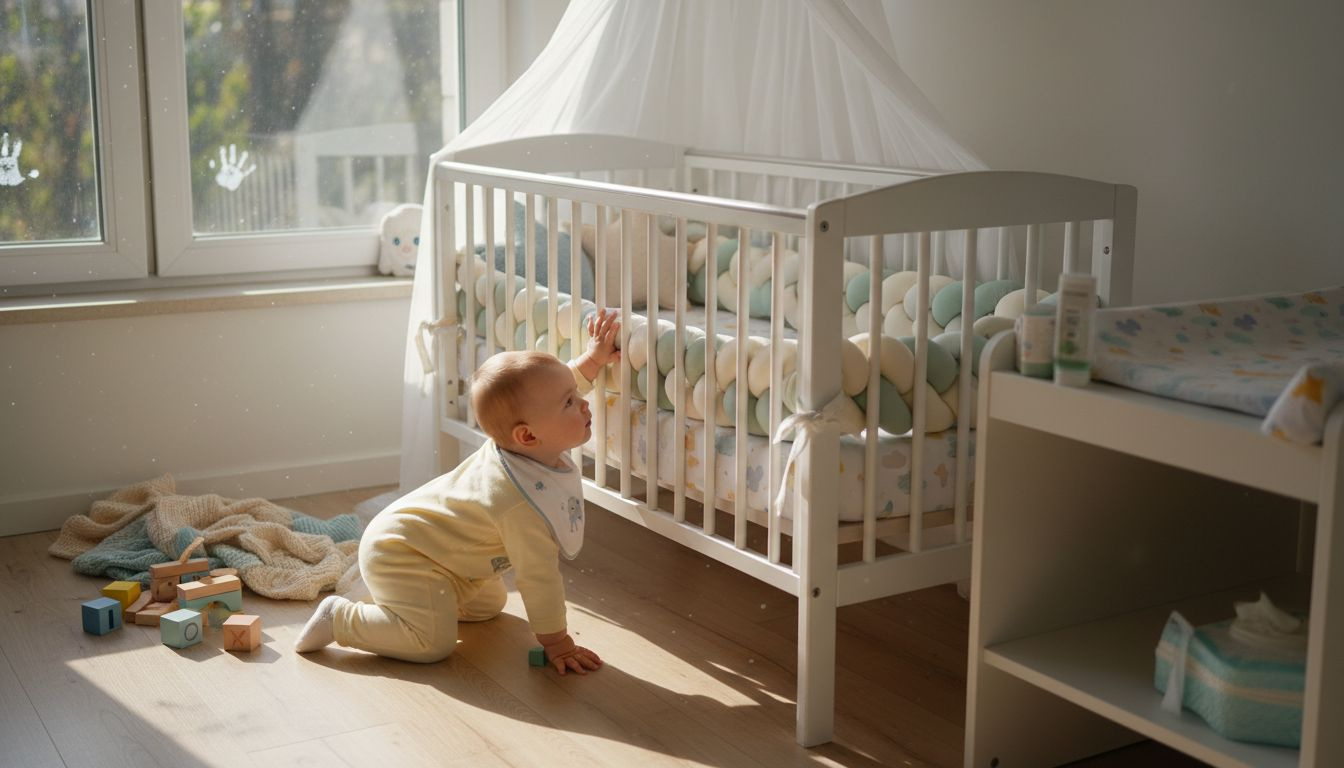
Profi-Tipp: Messen Sie die Gitterabstände Ihres Kinderbettes monatlich mit einer Toilettenpapierrolle. Wenn die Rolle (Standard 1,6 Zoll Durchmesser) leicht hindurchpasst, eine Limonadendose (2,6 Zoll) jedoch nicht, ist Ihr Abstand sicher. Dieser einfache Test dauert 30 Sekunden und gibt Ihnen Seelenfrieden.
Erkunden Sie häufige Einrichtungsfehler und Präventionsstrategien durch Ressourcen zu Einrichtungsfehlern im Kinderbett, die vermieden werden sollten. Zusätzliche statistische Analysen finden Sie in den AHRQ-Daten zu Krippenverletzungen und NIH-Einklemmungsstudien.
Missverständnisse und Sicherheitsrisiken von Kinderbett-Zubehör
Eltern verwechseln oft Kinderbett-Stoßfänger mit Gitterschutzvorrichtungen, zwei Produkte mit sehr unterschiedlichen Sicherheitsprofilen. Traditionelle Stoßfänger sind dicke, gepolsterte Stoffplatten, die an die Kinderbettgitter gebunden werden und alle vier Seiten bedecken, wodurch eine weiche Barriere entsteht, die den Schlafbereich vollständig umschließt. Gitterschutzvorrichtungen sind dünne, atmungsaktive Abdeckungen, die nur die obere Gitterkante umhüllen, wobei die Gitterstab-Abstände sichtbar bleiben und die Luftzirkulation uneingeschränkt ist.
Der Unterschied ist wichtig, denn Stoßfänger tragen zu etwa 5 % der versehentlichen Erstickungstodesfälle bei Säuglingen in Kinderbetten bei. Babys können ihre Gesichter in die weiche Polsterung drücken, was die Luftzufuhr einschränkt und zum Ersticken führt. Die gleiche Polsterung, die Eltern zum Schutz vorgesehen haben, wird zu einer tödlichen Gefahr, wenn Säuglinge während des Schlafes dagegen rollen.
Gitterschutzvorrichtungen bieten spezifische Vorteile, wenn sie nach Sicherheitsstandards hergestellt werden. Sie dämpfen Stöße, wenn Säuglinge sich hochziehen und ihren Kopf an die harte Gitterkante stoßen, wodurch Prellungen und Unbehagen reduziert werden. Qualitäts-Schutzvorrichtungen verwenden Netz- oder dünne atmungsaktive Stoffe, die keine Erstickungstaschen bilden können, und sie werden sicher befestigt, ohne Einklemmungsspalten zu schaffen.
| Merkmal | Traditionelle Stoßfänger | Zugelassene Gitterschutzvorrichtungen |
|---|---|---|
| Abdeckungsbereich | Alle vier Seiten, volle Höhe | Nur obere Gitterkante |
| Materialstärke | 1-3 Zoll gepolsterter Stoff | Unter 0,5 Zoll dünnes Netzgewebe |
| Erstickungsrisiko | Hoch, in vielen Staaten verboten | Minimal bei atmungsaktiven Materialien |
| Luftzirkulation | Blockiert am Umfang | Uneingeschränkt durch die Gitterstäbe |
| Hauptzweck | Verhinderung des Einklemmens von Gliedmaßen (ineffektiv) | Polsterung beim Zahnen und bei Stößen |
Für einen detaillierten Vergleich sicherer Alternativen konsultieren Sie Anleitungen zur sicheren Verwendung von Kinderbett-Stoßfängern und die Geschichte der Sicherheitsgesetze für Stoßfänger. Die Schlafrichtlinien für Säuglinge der AAP bieten umfassende Empfehlungen für sichere Schlafumgebungen.
Vorteile und sichere Verwendung von Kinderbett-Gitterschutz
Richtig konstruierte Gitterschutzvorrichtungen adressieren zwei spezifische Sicherheitsbedenken, ohne neue Gefahren einzuführen. Sie dämpfen Stöße, wenn Säuglinge sich hochziehen und ihren Kopf an die harte Gitterkante stoßen, wodurch Prellungen und Unbehagen reduziert werden. Die Schutzvorrichtungen decken auch kleine Lücken zwischen Matratzenauflage und Gitter ab, wo kleine Finger oder Zehen sonst eingeklemmt werden könnten.
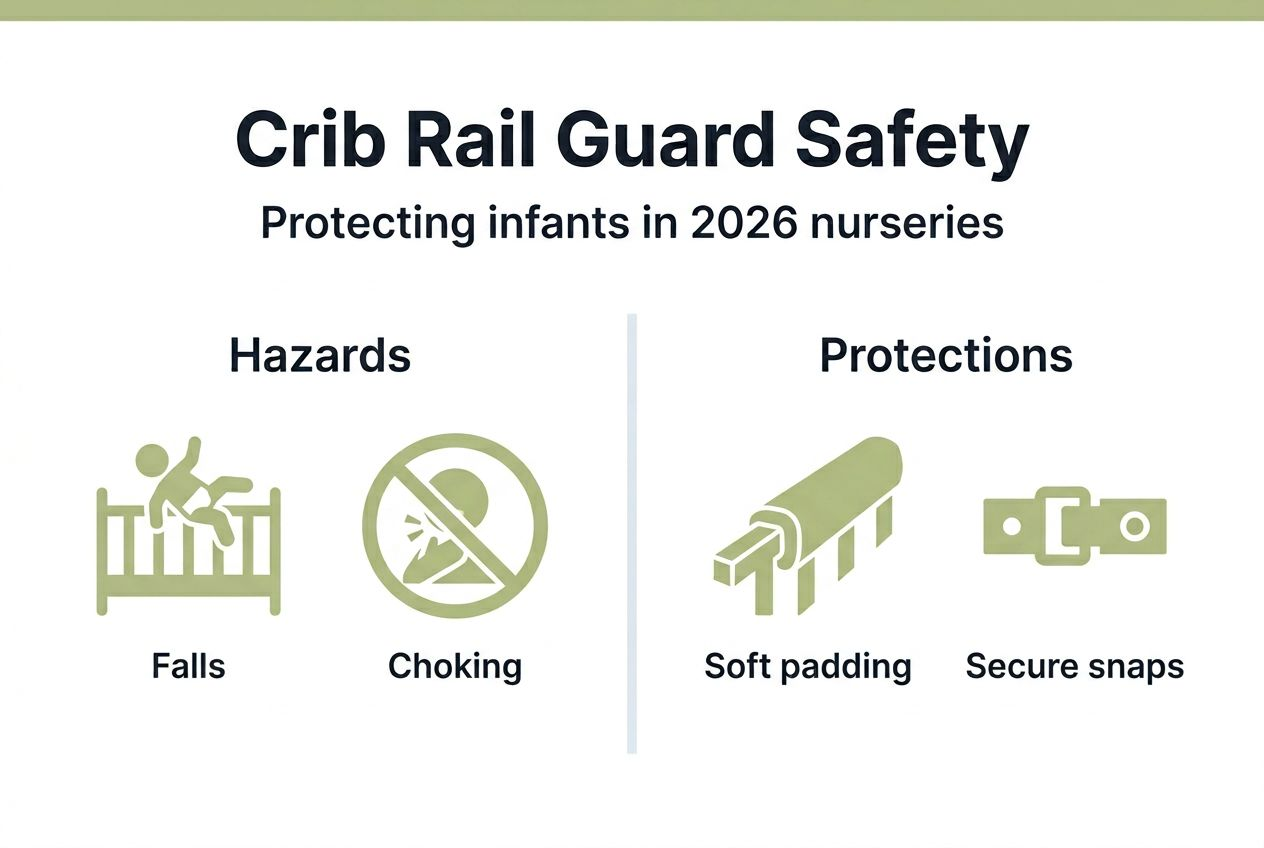
Zugelassene Gitterschutzvorrichtungen reduzieren geringfügige Verletzungen um 30 % in Haushalten und Kindertagesstätten, wenn sie korrekt installiert werden. Dieser Schutz entsteht durch die strategische Platzierung nur am oberen Gitter, wobei der Seitenstababstand für Sichtbarkeit und Luftzirkulation offen bleibt. Wählen Sie Schutzvorrichtungen aus hypoallergener Baumwolle, Bambus oder Polyesternetz, die eine uneingeschränkte Atmung ermöglichen, selbst wenn ein Säugling dagegen drückt.
Befolgen Sie diese Installationsschritte, um die Sicherheit zu maximieren:
- Messen Sie das Gitter: Stellen Sie sicher, dass die Länge des Schutzes mit den Abmessungen des oberen Gitters Ihres Kinderbettes übereinstimmt und nur minimaler überschüssiger Stoff vorhanden ist
- Überprüfen Sie die Platzierung der Bänder: Stellen Sie sicher, dass die Befestigungsbänder an der Außenseite des Gitters angebracht sind, niemals dort, wo Säuglingshände sie erreichen können
- Testen Sie die Sicherheit: Ziehen Sie fest am installierten Schutz, um zu überprüfen, ob er nicht verrutschen oder Lücken bilden kann, in denen Babys eingeklemmt werden könnten
- Regelmäßig überprüfen: Überprüfen Sie die Bänder wöchentlich auf Ausfransungen und ziehen Sie alle wieder fest, die sich während des Gebrauchs gelöst haben
- Entfernen Sie den Schutz, wenn das Klettern beginnt: Entfernen Sie den Schutz sofort, wenn Ihr Baby versucht, herauszuklettern, da der Stoff Halt bietet
Die Wartung erfordert monatliches Waschen mit parfümfreiem Waschmittel, um Speichel und Bakterienansammlungen zu entfernen. Überprüfen Sie die Nähte und Bänder jedes Mal auf Verschleiß, wenn Sie den Schutz waschen, und ersetzen Sie alle, die Anzeichen von Verschleiß zeigen.
Profi-Tipp: Wählen Sie Gitterschutzvorrichtungen mit Druckknöpfen anstelle von langen Bändern. Druckknöpfe eliminieren lose Enden, die Strangulierungsgefahren darstellen könnten, und sie halten besser als Bänder, die Babys durch wiederholtes Ziehen allmählich lockern können.
Erkunden Sie Installationstechniken durch Anleitungen zum Schutz von Kinderbettgittern und Sicherheitsvorgaben in Anleitungen für Gitterabdeckungen. Technische Bewertungsdaten finden Sie in den ASTM-Standards für Gitterschutzvorrichtungen.
Umsetzung der Sicherheit von Kinderbett-Seitengittern in Ihrem Kinderzimmer
Beginnen Sie mit einer umfassenden Sicherheitsprüfung anhand dieser Checkliste:
- Jede Lücke messen: Verwenden Sie ein starres Lineal, um zu überprüfen, ob alle Gitterabstände entlang der gesamten Gitterlänge unter 2 3/8 Zoll liegen
- Gitterstabilität testen: Schütteln Sie jeden Gitterabschnitt fest, um lose Verbindungen oder geschwächte Gelenke zu identifizieren
- Oberflächen untersuchen: Fahren Sie mit der Hand über alle Gitterkanten und suchen Sie nach Splittern, Rissen oder abblätterndem Lack
- Matratzenpassung prüfen: Stellen Sie sicher, dass kein Spalt größer als zwei Erwachsenenfinger zwischen Matratzenkante und Kinderbettgittern besteht
- Hardware inspizieren: Ziehen Sie alle losen Schrauben fest und ersetzen Sie fehlende oder beschädigte Bolzen sofort
Entfernen Sie alle traditionellen Stoßfänger aus Ihrem Kinderbett, auch wenn es teure Geschenke waren oder perfekt zu Ihrer Kinderzimmereinrichtung passen. Das Erstickungsrisiko überwiegt jeden vermeintlichen Nutzen. Ersetzen Sie sie durch atmungsaktive Netz-Gitterschutzvorrichtungen, die speziell für den Schutz des oberen Gitters entwickelt wurden.
Die Balance zwischen Sicherheit und Ästhetik erfordert die Auswahl von Accessoires, die beide Kriterien erfüllen. Moderne Gitterschutzvorrichtungen sind in Farben und Mustern erhältlich, die zur Bettwäsche passen, während sie eine dünne, atmungsaktive Konstruktion beibehalten. Personalisierte Optionen ermöglichen es Ihnen, den Namen Ihres Babys hinzuzufügen, ohne die Sicherheitsstandards zu beeinträchtigen.
Profi-Tipp: Planen Sie Kinderbett-Sicherheitsinspektionen am ersten Tag jedes Monats und synchronisieren Sie diese mit Ihrer Kalender-App. Wenn Ihr Baby wächst und neue motorische Fähigkeiten entwickelt, werden wöchentliche Kontrollen notwendig, sobald es beginnt, sich hochzuziehen oder zu klettern.
Die Aufrechterhaltung einer sicheren Umgebung geht über das Kinderbett selbst hinaus. Verwenden Sie ungiftige Reinigungsmittel, wenn Sie Gitter abwischen, um Ihr Baby nicht aggressiven Chemikalien auszusetzen. Entdecken Sie sichere Stoßstangenalternativen, personalisierte Kinderbett-Accessoires und weitere Fehlervermeidungen bei der Einrichtung.
Zusammenfassung und nächste Schritte für Eltern
Die Sicherheit der Kinderbett-Seitengitter erfordert ständige Aufmerksamkeit, da Ihr Baby neue Fähigkeiten entwickelt. Die schützenden Barrieren, die ein Neugeborenes sicher halten, müssen neu bewertet werden, wenn dasselbe Baby sechs Monate alt wird und beginnt, sich an den Gittern hochzuziehen. Regelmäßige Wartung verhindert, dass kleine Probleme zu ernsten Gefahren werden.
Priorisieren Sie diese wesentlichen Maßnahmen:
- CPSC-Konformität überprüfen: Bestätigen Sie, dass Ihr Kinderbett die aktuellen Bundesstandards für Gitterabstände und strukturelle Integrität erfüllt
- Traditionelle Stoßfänger entfernen: Entfernen Sie alle gepolsterten Stoßfängerprodukte, unabhängig von Marketingaussagen zur Atmungsaktivität
- Zugelassene Schutzvorrichtungen installieren: Fügen Sie dünne, atmungsaktive Gitterschutzvorrichtungen hinzu, um das obere Gitter zu polstern, ohne die Luftzirkulation zu blockieren
- Inspektionsplan einhalten: Überprüfen Sie Gitterabstände, Hardware-Festigkeit und den Zustand des Schutzes mindestens monatlich
- An die Entwicklung anpassen: Erhöhen Sie die Inspektionshäufigkeit und entfernen Sie Kletterhilfen, wenn Ihr Baby neue motorische Fähigkeiten zeigt
Erhalten Sie detaillierte Sicherheitsinformationen durch Richtlinien für verstellbare Gitter und Empfehlungen für Stoßfänger-Alternativen. Denken Sie daran, dass Prävention Wachsamkeit erfordert, aber die Anstrengung Ihre wertvollste Investition schützt.
Sicheren Kinderbett-Gitterschutz und Bettwäsche-Sets kaufen
Nachdem Sie nun die Grundlagen der Sicherheit von Kinderbettgittern verstanden haben, entdecken Sie Produkte, die nach diesen Prinzipien entwickelt wurden. Unsere hypoallergenen Gitterabdeckungen bieten Polsterschutz und eine atmungsaktive Netzkonstruktion, die den Sicherheitsstandards entspricht. Jedes Baby-Bettwäsche-Set passt zu den Gitterschutzvorrichtungen, um eine kohärente, sichere Ästhetik im Kinderzimmer zu schaffen.

Die graue geflochtene Bettschlange bietet eine neutrale Optik, die zu jeder Einrichtung passt und zartes Zahnfleisch während der Zahnungsphasen schützt. Durchsuchen Sie die aktuellen Baby-Bettwäsche-Sets im Angebot, um passende Optionen zu finden, die Sicherheit, Komfort und Personalisierung in handgefertigten Designs vereinen, die speziell für Eltern entwickelt wurden, die das Wohlbefinden ihres Babys in den Vordergrund stellen.
FAQ
Sind Bettgitterpolster in Kombination mit Kinderbett-Seitengittern sicher?
Nein, herkömmliche gepolsterte Bettgitterpolster sind nicht sicher. Bettgitterpolster tragen zu etwa 5 % der versehentlichen Erstickungstodesfälle bei Säuglingen in Kinderbetten bei, indem sie weiche Oberflächen schaffen, an die Babys ihr Gesicht drücken und die Atmung einschränken können. Viele Staaten haben ihren Verkauf ganz verboten. Verwenden Sie stattdessen atmungsaktive Netzgitterpolster, die nur die obere Gitterkante abdecken und keine Erstickungsgefahren darstellen können. Erkunden Sie sicherere Optionen mithilfe von Leitfäden, wann Gitterpolster verwendet werden können.
Wie kann ich überprüfen, ob die Seitengitter meines Kinderbettes den Sicherheitsstandards entsprechen?
Messen Sie den Abstand zwischen jedem Lattenpaar mit einem starren Lineal, um sicherzustellen, dass der Abstand über die gesamte Schiene hinweg unter 2 3/8 Zoll bleibt. Untersuchen Sie alle Schienen auf Risse, Splitter, lose Verbindungen oder abblätternde Farbe, die Gefahren darstellen könnten. Schütteln Sie die Schiene kräftig, um die strukturelle Stabilität zu testen. Überprüfen Sie die Maße monatlich erneut, da sich die Beschläge mit der Zeit lösen können und das Gewicht des Säuglings die Gelenke zunehmend belastet. Detaillierte Inspektionsprotokolle finden Sie in Leitfäden zur Vermeidung von Fehlern beim Aufbau des Kinderbettes.
Wann sollte ich Kinderbettgitterschutz austauschen oder überprüfen?
Überprüfen Sie den Gitterschutz wöchentlich auf lose Stoffe, ausgefranste Bänder oder Ablösungen vom Gitter. Waschen Sie den Schutz monatlich und untersuchen Sie die Nähte sorgfältig, während Sie den sauberen, feuchten Stoff handhaben. Ersetzen Sie den Schutz sofort, wenn Sie Risse, geschwächte Befestigungspunkte oder Materialverschlechterungen feststellen. Entfernen Sie den Schutz vollständig, sobald Ihr Baby versucht, aus dem Kinderbett zu klettern, typischerweise zwischen 8 und 15 Monaten, da der Stoff Halt zum Klettern bietet. Konsultieren Sie Leitfäden zum Gitterschutz für Wartungspläne.