Over seventy percent of American parents report feeling anxious about keeping their baby’s crib safe and stylish without traditional bumpers. With evolving safety guidelines and stricter regulations, creating a calm nursery can feel confusing for new families, especially first-time mothers. Understanding the best safe crib bumper alternatives gives you peace of mind and helps you follow expert recommendations, all while designing a cozy American nursery you truly love.
Table of Contents
- Safe Crib Bumper Alternatives Defined
- Types And Features Of Safe Alternatives
- Current Us Laws Banning Crib Bumpers
- Expert Pediatric Safety Recommendations
- Designing A Secure And Stylish Nursery
- Common Mistakes To Avoid With Crib Safety
Key Takeaways
| Point | Details |
|---|---|
| Safe Alternatives Are Essential | Opt for breathable mesh guards, minimalist rail covers, fitted sheet systems, and wearable sleep sacks to ensure infant safety. |
| Legislation Bans Traditional Bumpers | The Safe Sleep for Babies Act bans the manufacture and sale of padded crib bumpers and inclined sleepers across the U.S. |
| Follow Pediatric Safety Guidelines | Always place infants on their backs and eliminate loose bedding to create a secure sleep environment. |
| Regular Safety Audits Are Crucial | Conduct monthly checks of the nursery and sleep area to eliminate potential hazards and ensure compliance with safety standards. |
Safe crib bumper alternatives defined
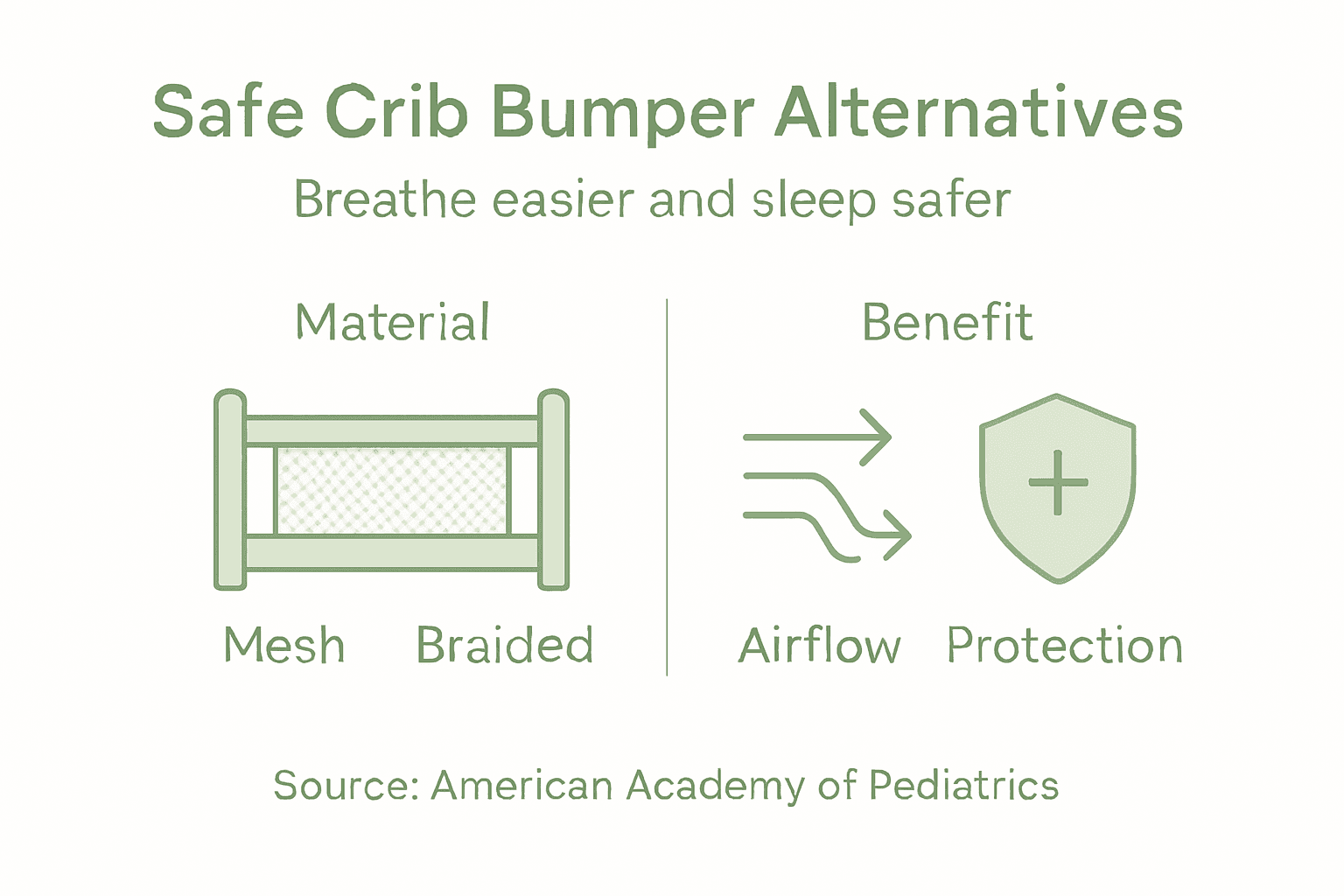
Safe crib bumper alternatives are specialized products and design approaches that protect infants during sleep without introducing the significant risks associated with traditional padded bumpers. The primary goal is preventing limb entrapment and potential suffocation while maintaining a secure sleep environment. Infant safety experts emphasize creating bare cribs with minimal additional materials.
These alternatives typically include several strategic approaches:
- Breathable mesh guards that prevent limb entrapment
- Minimalist rail covers protecting against potential bruising
- Fitted sheet systems designed with raised edges
- Wearable sleep sacks providing warmth without loose bedding
The core principle behind safe crib bumper alternatives is eliminating soft surfaces that could potentially obstruct an infant’s breathing or create entanglement risks. Modern solutions focus on lightweight, firm materials that offer protection without compromising air circulation or sleep safety.
Here’s a summary comparing common crib bumper alternatives and their key benefits:
| Alternative Type | Airflow | Sleep Environment Impact | Main Benefit |
|---|---|---|---|
| Breathable mesh barriers | Maximum airflow | Keeps crib environment open | Prevents limb entrapment |
| Minimalist rail covers | Unrestricted | Maintains firm surfaces | Guards against bruising |
| Fitted sheet systems | Enhanced circulation | No loose materials present | Secures mattress edges |
| Wearable sleep sacks | Full breathability | Eliminates bedding clutter | Provides safe warmth |
Pro tip: Always verify that any crib accessory meets current American Academy of Pediatrics safety recommendations before installation.
Types and features of safe alternatives
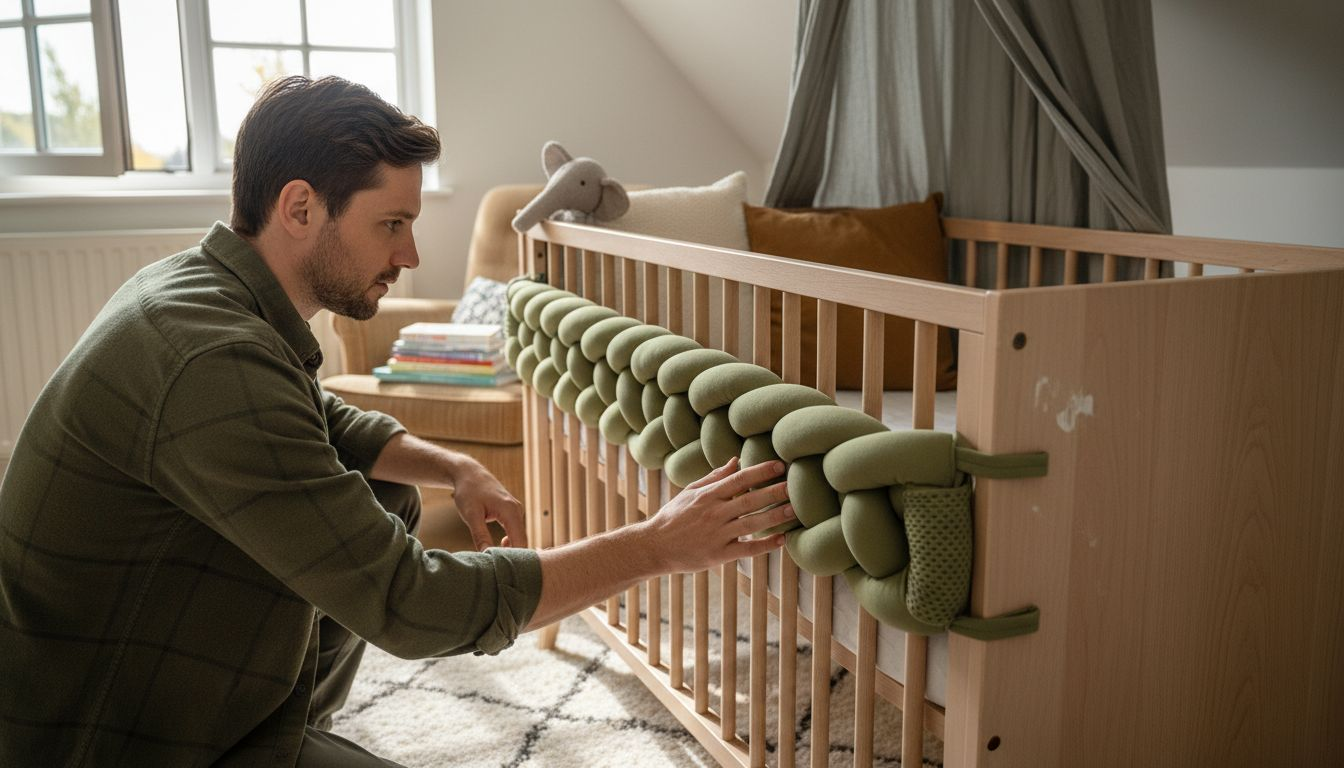
Safe crib bumper alternatives encompass a variety of design strategies focused on protecting infants while eliminating traditional padding risks. Safe design experts recommend approaches that prioritize breathability, minimalism, and infant protection without compromising sleep environment safety.
These alternatives typically fall into several key categories:
-
Breathable Mesh Barriers
- Ultra-thin mesh construction
- Allows maximum air circulation
- Prevents limb entrapment
-
Minimalist Rail Covers
- Slim protective designs
- Hard surface protection
- No soft padding
-
Specialized Safety Accessories
- Wearable sleep sacks
- Fitted sheet systems
- Safety-rated crib attachments
Modern alternatives focus on innovative materials and design principles that maintain infant safety without traditional bumper risks. The core objective remains creating a secure sleep environment that prevents potential injury while ensuring unrestricted breathing and movement.
Pro tip: Always purchase safety-rated accessories from reputable manufacturers and verify compliance with current pediatric safety guidelines.
Current US laws banning crib bumpers
In May 2022, a significant milestone in infant safety occurred with the passage of the Safe Sleep for Babies Act, which comprehensively banned the manufacture and sale of padded crib bumpers and inclined sleepers across the United States. This landmark legislation represents a critical step in protecting infant lives by removing products with documented safety risks.
The legal landscape surrounding crib bumpers varies by jurisdiction, but several key regulatory trends have emerged:
-
Federal Level Restrictions
- Complete nationwide ban on padded crib bumpers
- Prohibition of manufacture and interstate sales
- Applies to all types of soft crib bedding
-
State-Level Regulations
- Some states implement additional protective measures
- Licensed child care facilities prohibited from using bumpers
- Strict enforcement of infant sleep safety standards
Under state regulations like the Missouri Code of State Regulations, licensed child care facilities are explicitly prohibited from using any bedding accessories that could pose suffocation or injury risks to infants. These regulations align with broader national efforts to create safer sleep environments for babies by eliminating potentially dangerous products.
Below is a quick reference on recent crib bumper regulations and what they mean for parents:
| Regulation Level | Main Restriction | Area of Enforcement | Impact for Parents |
|---|---|---|---|
| Federal | Padded bumpers banned | All U.S. states | Cannot buy or use traditional bumpers |
| State | Extra facility restrictions | Some individual states | Licensed care stricter than home use |
| Pediatrician Advice | Follow most updated guidelines | Varies by location | Must check local laws frequently |
Pro tip: Consult your local pediatrician and review current safety guidelines before purchasing any infant sleep accessories to ensure full compliance with national and state regulations.
Expert pediatric safety recommendations
Pediatric safety experts have developed comprehensive guidelines to protect infant sleep environments, emphasizing the critical need for minimalist and risk-free bedding approaches. Pediatric safety protocols consistently recommend a straightforward approach to infant sleep safety centered on reducing potential hazards.
The core recommendations from leading pediatric organizations include:
-
Sleep Position
- Always place infants on their backs
- Avoid side or stomach sleeping positions
- Maintain consistent back sleeping until baby can roll independently
-
Crib Environment
- Use firm, flat mattresses
- Eliminate all soft bedding and accessories
- Ensure nothing obstructs breathing pathways
-
Supervision Practices
- Regular visual monitoring
- Room-sharing without bed-sharing
- Use of breathable, minimalist sleep accessories
Under the ‘Alone, Back, Crib’ safety framework, pediatric experts stress the importance of creating a sleep environment that prioritizes infant breathing and movement. This means completely removing potential suffocation risks like padded bumpers, loose blankets, pillows, and soft toys that could compromise an infant’s safety.
Pro tip: Conduct a weekly safety check of your infant’s sleep area, removing any new items that might have accidentally been introduced and ensuring the environment remains consistently safe.
Designing a secure and stylish nursery
Creating a nursery that balances safety with aesthetic appeal requires careful planning and thoughtful design choices. Nursery safety guidelines emphasize the importance of selecting furniture and accessories that protect infant well-being while expressing personal style.
Key design considerations for a secure and stylish nursery include:
-
Furniture Placement
- Position crib away from windows
- Ensure clear walking paths
- Secure furniture to walls to prevent tipping
-
Safety-Focused Design Elements
- Choose cribs without drop-side rails
- Use firm, snug-fitting mattresses
- Eliminate loose cords and potential hazards
-
Aesthetic Approaches
- Select soft, neutral color palettes
- Use breathable, minimal decorative elements
- Incorporate washable, hypoallergenic textiles
Modern nursery design prioritizes creating a safe environment that feels both comforting and visually appealing. This means carefully curating each element to minimize risks while maintaining a warm, inviting atmosphere that supports your baby’s development and your family’s aesthetic preferences.
Pro tip: Conduct a monthly safety audit of your nursery, checking for new potential hazards and updating the space as your baby becomes more mobile.
Common mistakes to avoid with crib safety
Navigating infant sleep safety requires understanding critical potential hazards that can compromise a baby’s well-being. Crib safety experts consistently warn about several common mistakes that parents unknowingly make when setting up their child’s sleeping environment.
Key mistakes to avoid include:
-
Bedding Hazards
- Using soft pillows or blankets
- Adding crib bumpers or cushioned accessories
- Placing stuffed animals inside sleep area
-
Positioning Errors
- Putting baby to sleep on stomach or side
- Allowing shared sleep surfaces
- Positioning crib near window blinds or cords
-
Equipment Risks
- Using drop-side cribs
- Selecting cribs with wide slat spacing
- Choosing ill-fitting mattresses
Parents must rigorously apply the ‘Alone, Back, Crib’ safety principle, which emphasizes creating a minimalist sleep environment that prioritizes infant breathing and movement. This means systematically eliminating any potential suffocation or entrapment risks through careful product selection and placement.
Pro tip: Perform a comprehensive safety assessment of your baby’s sleep area every two weeks, removing any new items that could potentially create hazards.
Choose Safe and Stylish Alternatives for Your Baby’s Nursery
The article highlights the crucial challenge of finding safe crib bumper alternatives that protect infants without risking suffocation or limb entrapment. Many parents worry about balancing safety with nursery style and personal comfort for their little ones. At Kari Studio, we understand how important it is to create a nursery that follows expert pediatric safety recommendations while still feeling cozy and unique.
Discover our handmade braided crib bumpers crafted from hypoallergenic, soft fabrics that offer protection with breathable design. Each piece is customizable so you can add a personal touch to your nursery without introducing unsafe bedding. Make sure your baby’s sleep environment is both secure and beautiful with our carefully designed collections for girls and boys.
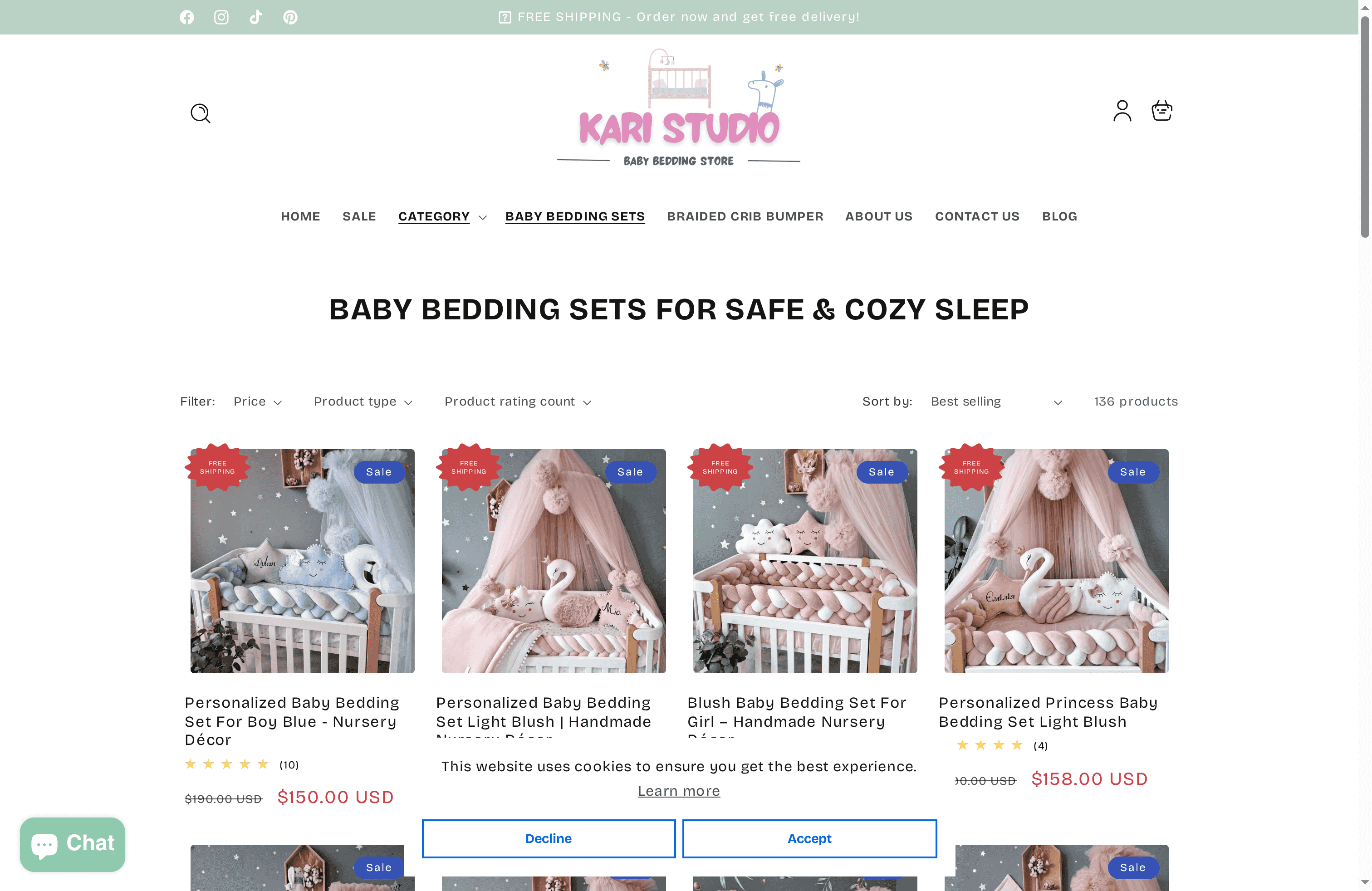
Explore the range of Handmade Bumper Pads for Girl Cot and Handmade Bumper Pads for Boy Cot. Don’t wait to create the safe, breathable nursery your baby deserves. Visit our full selection of Baby Bedding Sets now and take the next step in protecting your little one with stylish, safe bedding solutions.
Frequently Asked Questions
What are safe crib bumper alternatives?
Safe crib bumper alternatives are specially designed products and approaches that protect infants during sleep without the risks of traditional padded bumpers. These options include breathable mesh guards, minimalist rail covers, fitted sheet systems, and wearable sleep sacks that enhance safety while preventing limb entrapment.
How do breathable mesh barriers improve crib safety?
Breathable mesh barriers enhance crib safety by allowing maximum airflow and preventing limb entrapment. Their ultra-thin construction ensures that babies can breathe freely while minimizing the risk of suffocation or injury from soft surfaces.
What should I consider when designing a nursery for safety?
When designing a nursery, prioritize furniture placement, ensuring the crib is away from windows and secured against tipping. Choose cribs without drop-side rails and use snug-fitting mattresses. Additionally, eliminate loose cords or accessories that could pose hazards to infants.
How can I ensure my crib accessories comply with safety standards?
To ensure safety compliance, always purchase crib accessories from reputable manufacturers and verify that they meet current American Academy of Pediatrics recommendations. Stay informed about federal and state regulations to ensure your baby’s sleep environment remains safe.
Recommended
- Safe and Smart Crib Bumper Alternatives for Babies – KariStudio
- Crib Bumper Safety: What Every Parent Must Know Before Buying
- Crib Mesh Bumper Safety: Risks and U.S. Law
- What Are Crib Bumpers? Understanding Their Purpose and Use – KariStudio
- Essential Childproofing Home Plumbing Tips For Safety - Legacy Plumbing & Drain - Emergency Plumbers Of Sacramento