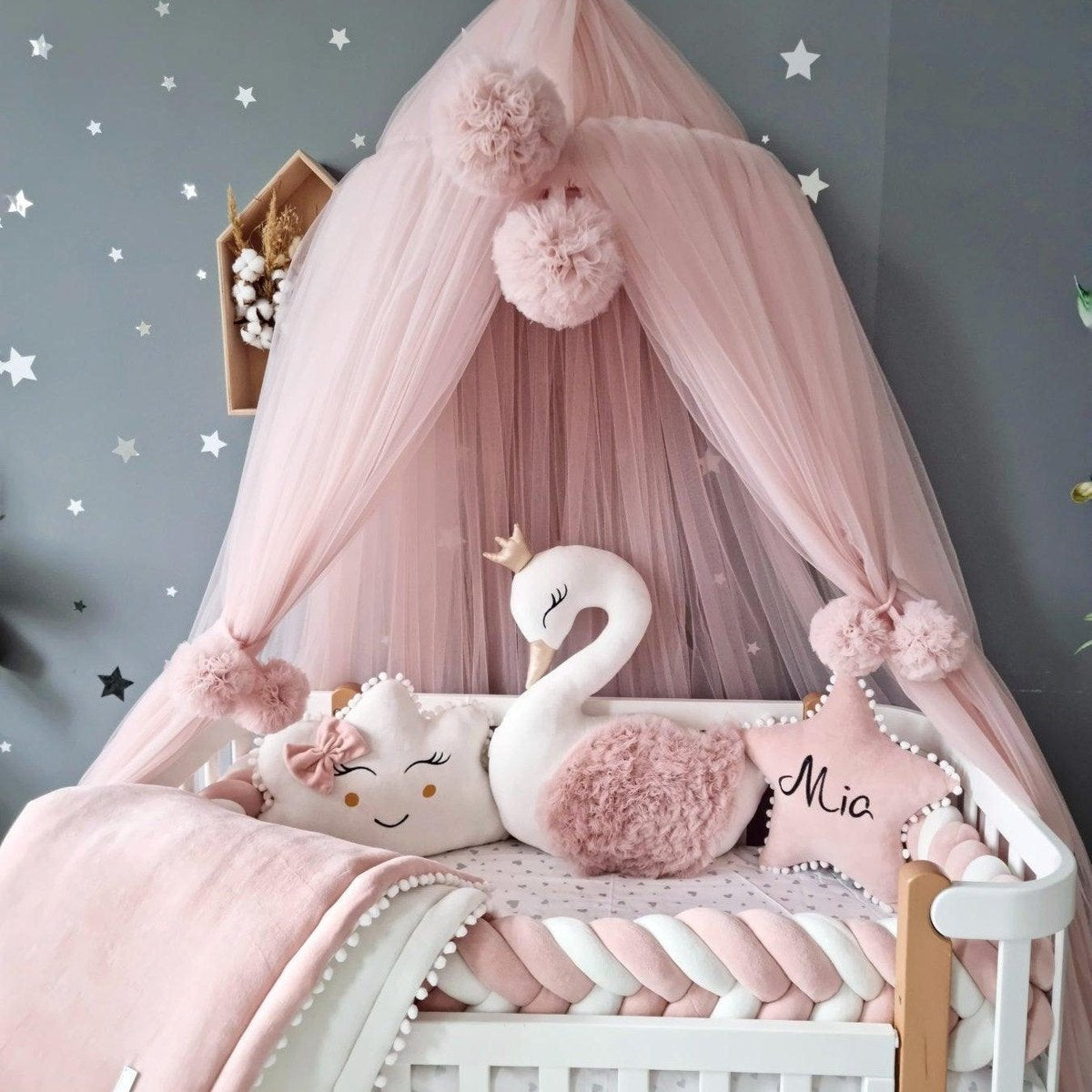
Every American parent wants a nursery that feels safe and beautiful, yet the question of crib mesh bumpers brings real concern. With over 60 percent of new parents unsure about the safety of nursery accessories, navigating conflicting advice can be stressful. This guide breaks down the facts about crib mesh bumpers, so you can make smart, confident choices for your baby’s comfort, safety, and style.
Table of Contents
- Crib Mesh Bumper Safety Defined
- Types of Crib Bumpers and Mesh Liners
- Legal Status of Mesh Bumpers in the U.S.
- Pediatrician Advice and Safety Risks
- Alternatives for Safe and Stylish Nurseries
Key Takeaways
| Point | Details |
|---|---|
| Crib Bumper Safety Risks | Experts recommend against all crib bumpers, including mesh, due to suffocation, strangulation, and entrapment hazards. |
| Legal Status of Mesh Bumpers | While not banned, mesh bumpers lack regulation, and pediatricians advise against their use. |
| Minimalist Sleep Environment | A clear crib with only a firm mattress and fitted sheet is the safest sleeping arrangement for infants. |
| Stylish Safe Nursery Alternatives | Use decorative elements like wall art and sleep sacks that enhance safety while maintaining aesthetic appeal. |
Crib Mesh Bumper Safety Defined
Crib mesh bumpers are fabric liners designed to cover the interior crib rails, creating a barrier between an infant and the hard crib sides. While they might seem like a protective accessory, medical experts consistently warn against their use due to potential safety risks.
Unlike traditional padded bumpers, mesh bumpers are made from breathable, lightweight material that allows air circulation. However, the American Academy of Pediatrics (AAP) and pediatric safety experts still recommend against their installation. The primary concerns include potential entrapment risks, interference with infant movement, and the possibility of creating unsafe sleeping environments.
The legal landscape surrounding crib bumpers is complex. While the Safe Sleep for Babies Act of 2022 explicitly banned padded crib bumpers, mesh bumpers remain technically unregulated. Pediatric safety organizations emphasize that no crib bumper can guarantee complete infant protection. Experts recommend maintaining a completely clear crib with a firm mattress, fitted sheet, and no additional accessories that could compromise an infant’s breathing or movement.
Pro tip: When setting up your baby’s sleeping area, prioritize a minimalist approach with only a fitted sheet and a breathable mattress to ensure maximum safety.
Types of Crib Bumpers and Mesh Liners
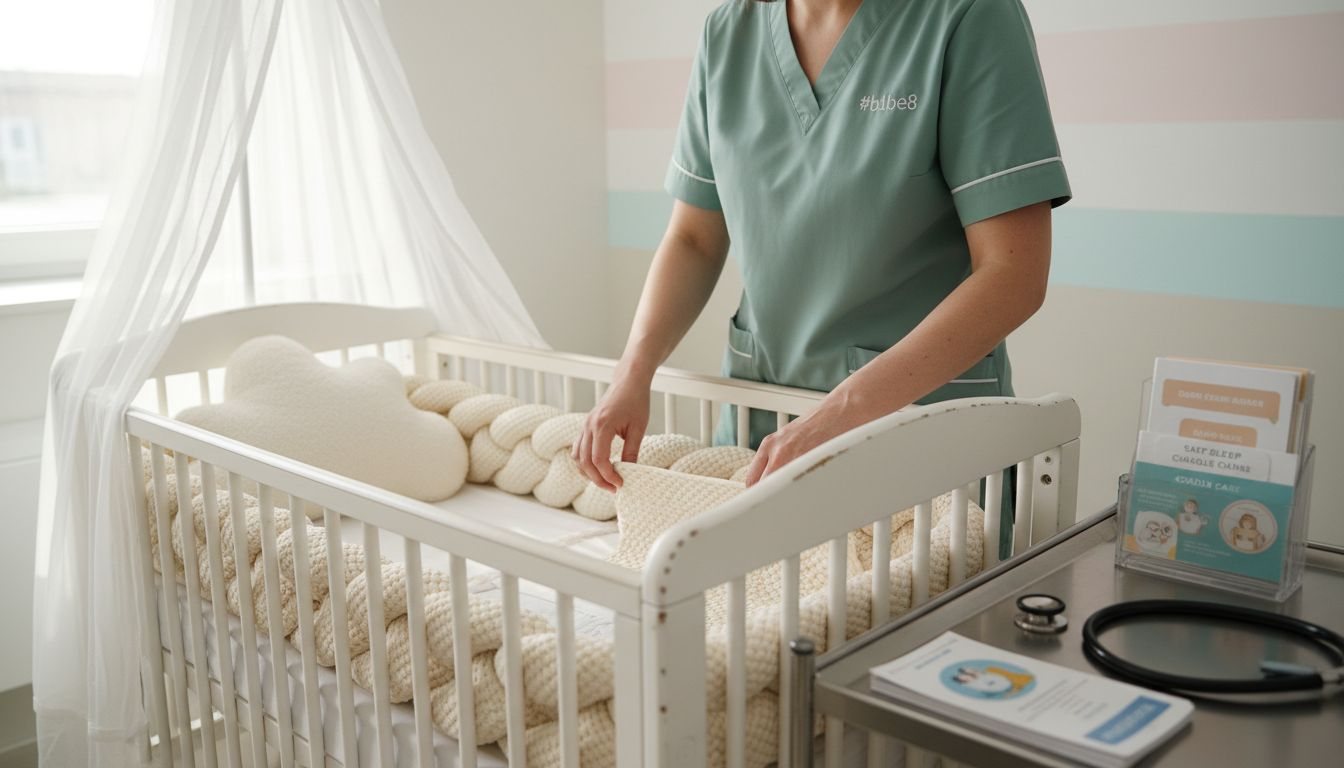
Crib bumpers come in several distinct variations, each with unique characteristics and safety considerations. Consumer experts recommend avoiding all soft bedding accessories in infant sleeping environments, but understanding the different types can help parents make informed decisions.
The primary types of crib bumpers include padded bumpers, mesh bumpers, and braided bumpers. Padded bumpers, which have been completely banned under the Safe Sleep for Babies Act, were thick fabric barriers with stuffing that posed significant suffocation risks. Mesh bumpers, while appearing more breathable, still carry potential hazards such as infant entrapment. Braided bumpers represent a newer design that attempts to provide a decorative yet potentially safer alternative, though pediatric experts remain cautious about their use.
Mesh Liners specifically are thin, usually netted fabric barriers designed to prevent limb entanglement between crib slats. Health professionals consistently warn that these liners provide no meaningful safety benefit and may actually create additional risks for infants. The safest approach remains a completely clear crib with only a firm mattress and fitted sheet.
Here’s a comparison of crib bumper types and their associated risks and legal status:
| Type of Bumper | Main Material | Safety Risks | Legal Status in U.S. |
|---|---|---|---|
| Padded | Thick fabric | Suffocation, entrapment | Banned |
| Mesh | Breathable mesh | Entrapment, movement limit | Not regulated |
| Braided | Woven fabric | Unknown, possible hazards | Not regulated |
Pro tip: When selecting nursery bedding, always prioritize minimalist design and follow pediatric safety guidelines that recommend against any additional soft accessories in the crib.
Legal Status of Mesh Bumpers in the U.S.
Mesh bumpers occupy a unique legal position in the United States, existing in a regulatory gray area that concerns many parents and pediatric safety experts. The Safe Sleep for Babies Act of 2022 specifically targeted padded crib bumpers, effectively banning their manufacture and sale, while leaving non-padded mesh liners technically unregulated.
The Consumer Product Safety Commission (CPSC) continues to evaluate and develop comprehensive standards that address potential infant safety risks. While mesh bumpers are not explicitly prohibited by federal law, medical and safety organizations consistently recommend against their use due to potential hazards. The legal landscape reflects an ongoing effort to protect infant sleep environments by gradually eliminating products that could compromise child safety.
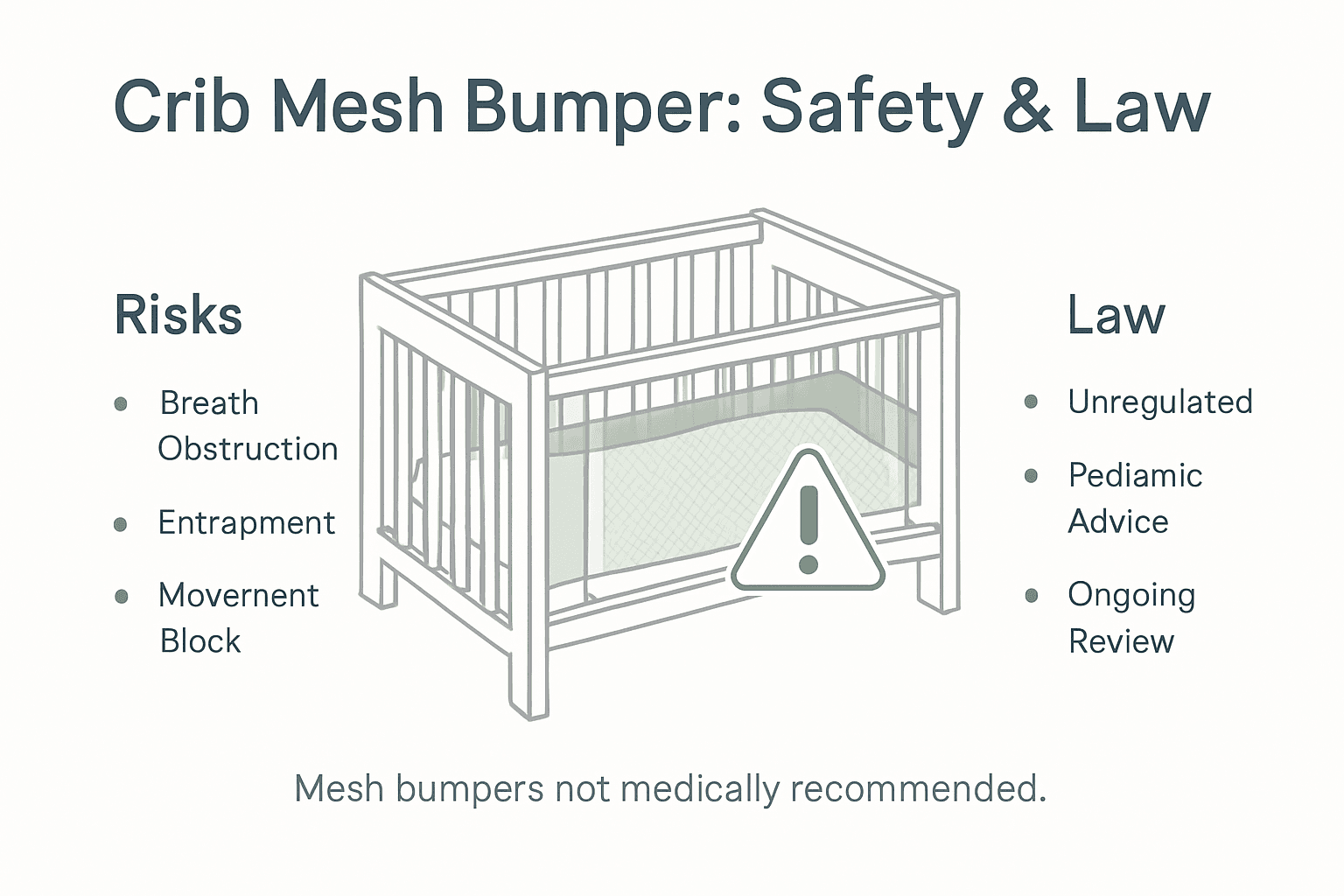
Under current regulations, manufacturers can still produce and sell mesh crib bumpers, but medical professionals universally advise parents to avoid these products. The absence of a complete ban does not equate to safety, and pediatric experts emphasize that any additional material in a crib represents a potential risk to an infant’s breathing and movement.
Pro tip: Always consult current pediatric safety guidelines and your healthcare provider when making decisions about nursery bedding, regardless of a product’s legal status.
Pediatrician Advice and Safety Risks
Pediatric experts universally recommend against all types of crib bumpers, including mesh liners, due to significant safety concerns that could compromise infant well-being. The American Academy of Pediatrics (AAP) emphasizes that any additional material in a crib represents a potential hazard for suffocation, strangulation, and accidental entrapment.
The primary risks associated with mesh bumpers include potential breathing obstructions and infant movement restrictions. Suffocation hazards can occur when babies press against the mesh material, potentially limiting oxygen flow or creating pockets of trapped air. Even seemingly breathable mesh liners can create dangerous scenarios where an infant’s face becomes pressed against the material, reducing air circulation and increasing the risk of respiratory complications.
Medical professionals consistently stress that the safest infant sleep environment is a completely bare crib with a firm mattress and fitted sheet. The recommended sleep setup includes placing infants on their backs, without any additional bedding, pillows, stuffed animals, or protective barriers. This minimalist approach dramatically reduces the risk of sudden infant death syndrome (SIDS) and ensures maximum safety during critical developmental stages.
Pro tip: Create a safe sleep environment by using only a fitted sheet on a firm mattress and placing your baby on their back, eliminating all unnecessary accessories that could pose potential risks.
Alternatives for Safe and Stylish Nurseries
Parents can create beautiful nurseries that prioritize infant safety through strategic design choices, moving beyond traditional crib bumpers and soft accessories. The key is understanding how to craft a visually appealing space that maintains optimal sleep conditions for newborns and infants.
Safe decorative alternatives include strategically placed wall hangings, removable fabric canopies positioned away from the crib, and carefully selected nursery accessories that enhance aesthetics without compromising safety. Sleep sacks offer a stylish and safe warmth solution, replacing risky blankets and providing infants with comfortable temperature regulation. Breathable crib skirts, securely mounted mobiles that can be removed once babies become more active, and minimalist wall art can transform nursery spaces without introducing potential hazards.
Cribs meeting current safety standards provide an excellent foundation for creating protective yet charming infant environments. Modern nursery design emphasizes clean lines, neutral color palettes, and functional elements that can be easily adapted as children grow. Lightweight, washable rail guards, embroidered fitted sheets, and carefully positioned area rugs can add visual interest while maintaining a commitment to infant safety.
This table summarizes safe alternatives for creating a stylish and secure nursery:
| Alternative | Key Benefit | Design Impact |
|---|---|---|
| Sleep sacks | Safely regulate warmth | Adds cozy visual touch |
| Wall art | No contact with crib | Personalizes decor |
| Breathable crib skirt | Easy to clean, decorative | Complements room theme |
| Removable mobile | Stimulates visually | Safe if positioned properly |
Pro tip: Select nursery decor that can be easily modified or removed as your baby becomes more mobile, ensuring both style and safety evolve with your child’s developmental stages.
Create a Safe and Stylish Nursery Without Compromise
Understanding the risks surrounding mesh crib bumpers and the current U.S. legal guidelines can leave parents searching for safe yet beautiful nursery solutions. The challenge lies in protecting your baby from suffocation and entrapment hazards while maintaining a cozy and personalized environment. At Kari Studio, we recognize how important it is to prioritize safety without sacrificing style or comfort.
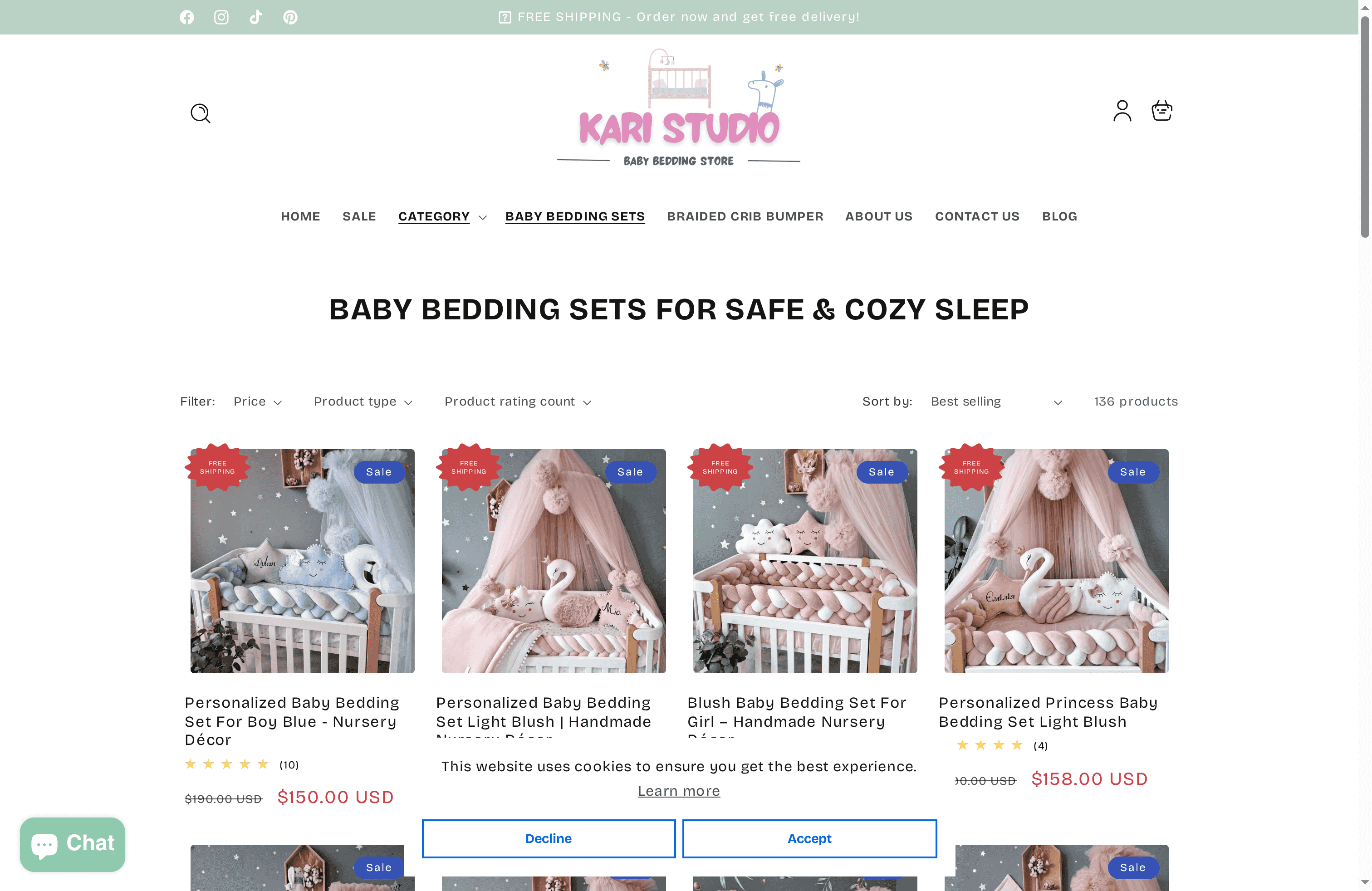
Explore our Handmade Bumper Pads for Cot and Braided Crib Bumpers for Sale – KariStudio crafted from hypoallergenic, breathable fabrics designed to offer gentle protection without the risks associated with mesh liners. Complement your nursery with our premium baby bedding sets tailored for safety and elegance. Whether you’re expecting or refreshing your nursery, act now to create a secure sleep space that embraces both peace of mind and beautiful design.
Frequently Asked Questions
Are crib mesh bumpers safe for my baby?
Crib mesh bumpers are not recommended by pediatric experts due to safety concerns, including risks of entrapment and limited infant movement. The American Academy of Pediatrics advises maintaining a completely clear crib for optimal safety.
What are the legal regulations regarding crib bumpers in the U.S.?
While padded crib bumpers have been banned under the Safe Sleep for Babies Act, mesh bumpers remain unregulated. Medical experts urge parents to avoid all types of crib bumpers due to associated safety risks.
How do mesh bumpers differ from padded bumpers?
Mesh bumpers are made from breathable, lightweight material designed to allow air circulation, unlike padded bumpers, which are thicker and pose higher suffocation risks. However, both types are discouraged due to potential hazards.
What are safer alternatives to crib bumpers for nurseries?
Safer alternatives include sleep sacks for warmth, breathable crib skirts, and securely mounted mobiles. A completely bare crib with a firm mattress and fitted sheet is recommended for infant safety.