Every parent faces the challenge of creating a nursery that is both comfortable and truly safe. With so many crib rail cover options on the market, knowing which features matter can feel overwhelming. Pediatricians and safety experts now warn against using traditional padded crib bumpers due to serious suffocation and entrapment risks. This guide clarifies what makes modern crib rail covers safe, highlighting key materials and designs that keep your newborn protected while bringing peace of mind to new families.
Table of Contents
- What Makes Crib Rail Covers Safe
- Types of Crib Rail Covers Explained
- Essential Materials and Installation Tips
- Safety Standards and U.S. Regulations
- Common Risks to Avoid When Choosing
Key Takeaways
| Point | Details |
|---|---|
| Safety Features | Choose crib rail covers made from breathable, non-toxic materials with secure attachments to prevent accidents. |
| Material Selection | Prioritize hypoallergenic and durable fabrics that allow airflow to minimize suffocation risks. |
| Proper Fit | Ensure that covers fit snugly to eliminate gaps that could lead to entrapment or other hazards. |
| Monthly Inspections | Regularly check for signs of wear or damage to maintain a safe sleeping environment for your infant. |
What Makes Crib Rail Covers Safe
Crib rail covers play a critical role in protecting both your baby and the crib from potential damage and injury. Unlike traditional padded bumpers, modern crib rail covers are designed with safety as the primary consideration. Consumer safety experts have consistently warned against using products that could compromise infant sleep environments.
Safe crib rail covers share several essential characteristics that distinguish them from dangerous alternatives. These protective accessories are engineered to prevent specific risks while maintaining a secure sleeping space:
- Made from breathable, non-toxic materials
- Slim profile that doesn’t obstruct airflow
- Securely attached to prevent potential entanglement
- Designed to cover only the rail surface
- Manufactured with no loose or soft padding
The primary purpose of crib rail covers is twofold: protecting the crib from teething damage and preventing potential injury to the infant. Health experts recommend minimalist approach to crib accessories, emphasizing that unnecessary items can create hazardous sleeping conditions.
Key safety considerations for selecting appropriate crib rail covers include material composition, attachment mechanism, and overall design. Parents should prioritize products that:
- Conform to current safety standards
- Provide a snug, secure fit
- Use non-toxic, hypoallergenic fabrics
- Allow complete visibility of the infant
- Do not create potential entrapment zones
Breathability remains a critical factor in selecting safe crib rail covers. Any protective accessory must allow consistent air circulation, preventing heat accumulation and reducing suffocation risks.
Pro tip: Always measure your specific crib rail dimensions before purchasing a rail cover to ensure a perfect, secure fit.
Types of Crib Rail Covers Explained
Parents navigating the complex world of infant safety have several options when it comes to crib rail covers. Crib rail protection varies significantly in design, material, and intended purpose. Understanding these variations is crucial for making an informed decision that prioritizes your baby’s safety.
The primary types of crib rail covers include:
- Mesh Liners: Thin, breathable alternatives that provide minimal obstruction
- Silicone Rail Covers: Designed to protect against teething damage
- Fabric Rail Guards: Soft, fitted covers that wrap around crib rails
- Plastic Protective Covers: Hard surfaces intended to prevent wood damage
Mesh Liners represent one of the safest modern alternatives to traditional padded bumpers. These lightweight covers allow maximum airflow while providing a minimal barrier against potential rail-related injuries. Healthy children safety guidelines recommend these as the most breathable option.
Here’s how different crib rail cover types compare for safety and usage considerations:
| Type of Cover | Best Use Case | Key Safety Benefit | Typical Cleaning Frequency |
|---|---|---|---|
| Mesh Liners | Preventing access to rails | Maximizes airflow | Weekly wash recommended |
| Silicone Covers | Teething protection | Non-toxic surface | Wipe down as needed |
| Fabric Guards | Gentle cushioning | Secure, fitted design | Machine wash monthly |
| Plastic Covers | Wood damage prevention | Hard, non-porous barrier | Monthly surface cleaning |
When selecting a crib rail cover, parents should consider several critical factors:
- Material breathability
- Secure attachment mechanism
- Absence of loose padding
- Compliance with current safety standards
- Ease of cleaning and maintenance
Silicone and fabric rail covers offer additional protection against teething damage, but parents must carefully evaluate their design to ensure they do not create potential entrapment zones. The goal is always to maintain a safe, unobstructed sleeping environment that minimizes risks while protecting the crib from potential damage.
Pro tip: Always inspect crib rail covers monthly for signs of wear, loose threads, or potential damage that could compromise their safety.
Essential Materials and Installation Tips
Selecting appropriate materials for crib rail covers requires careful consideration of safety, durability, and comfort. The right materials can make a significant difference in protecting both your baby and the crib from potential damage and injury.
Ideal materials for crib rail covers should possess the following characteristics:
- Breathable fabrics that allow air circulation
- Non-toxic substances safe for infant contact
- Durable textiles that withstand frequent washing
- Hypoallergenic materials to prevent skin irritation
- Lightweight options that don’t add bulk to the crib
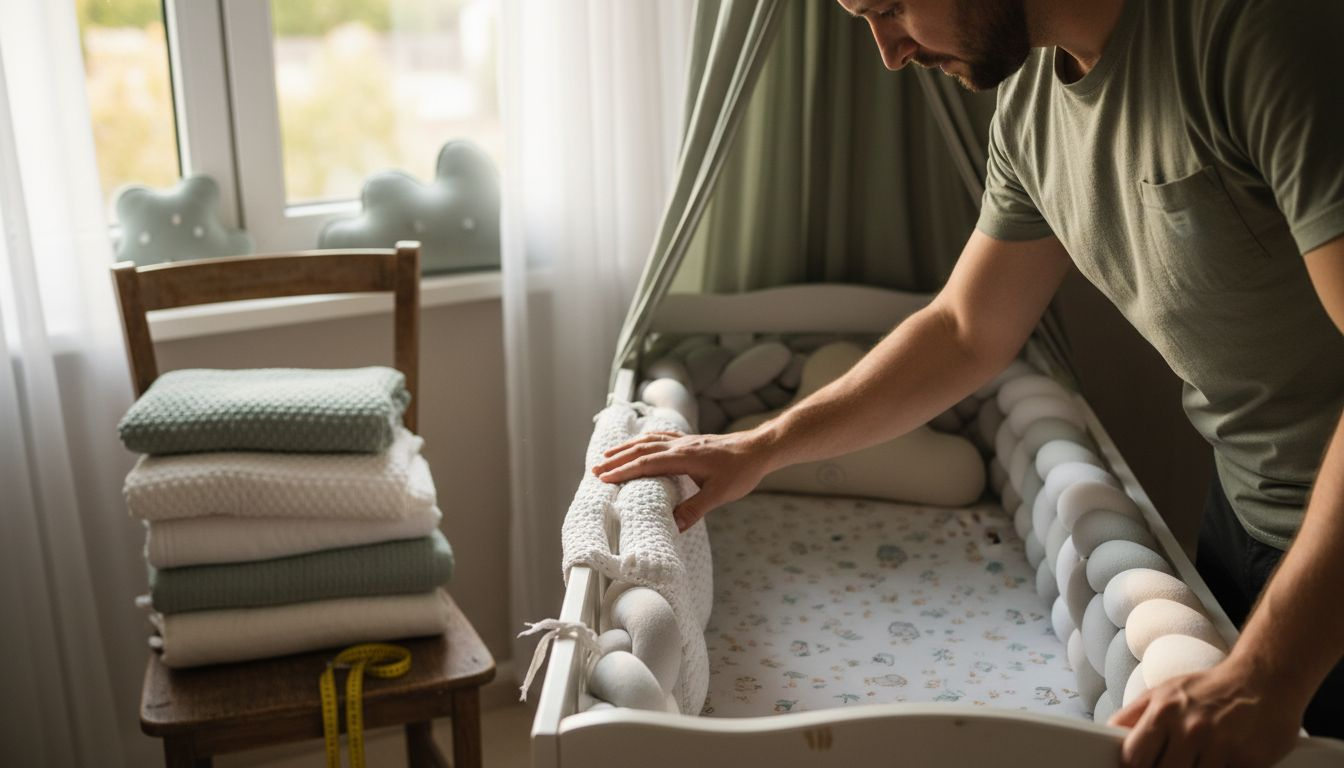
Installation is a critical component of crib rail cover safety. Baby safety experts emphasize the importance of a secure, tight-fitting cover that leaves no room for potential hazards. Parents should follow these essential installation guidelines:
- Measure crib rails precisely before purchasing
- Use manufacturer-provided attachment mechanisms
- Ensure no gaps exist between the cover and rail
- Check attachments weekly for signs of loosening
- Replace covers showing any wear or damage
Material selection goes beyond mere aesthetics. Fabric composition plays a crucial role in safety and functionality. Cotton blends, specially designed protective fabrics, and medical-grade silicone represent top choices for parents seeking reliable crib rail protection. These materials offer a combination of softness, durability, and safety that meets the highest infant care standards.
Pro tip: Create a monthly safety checklist to inspect crib rail covers, ensuring they remain securely fastened and free from any potential hazards.
Safety Standards and U.S. Regulations
Crib safety standards in the United States represent a comprehensive framework designed to protect infant well-being. These regulations provide stringent guidelines that manufacturers must follow to ensure the highest level of protection for babies during sleep and play.
Key U.S. safety regulations for crib accessories include:
- Mandatory structural integrity testing
- Prohibition of drop-side rail designs
- Strict requirements for slat strength
- Comprehensive entrapment prevention standards
- Rigorous hardware durability specifications
Federal regulations have evolved significantly to address potential infant safety risks. Consumer Product Safety Commission mandates comprehensive safety protocols that cover every aspect of crib design and accessory manufacturing. These standards specifically target potential hazards such as:
- Choking risks from small components
- Suffocation dangers from loose materials
- Entrapment possibilities in rail designs
- Potential structural weaknesses
- Material toxicity concerns
The Safe Sleep for Babies Act represents a critical milestone in infant safety regulation. This legislation specifically addresses dangerous accessories like padded crib bumpers, creating a more robust framework for protecting infants during their most vulnerable sleep periods. Manufacturers must now demonstrate compliance through extensive testing and documentation.
Pro tip: Always verify that crib accessories carry current safety certifications and meet the most recent U.S. Consumer Product Safety Commission standards.
Common Risks to Avoid When Choosing
Infant safety requires vigilant assessment of potential hazards in crib rail covers. Parents must carefully evaluate multiple risk factors to ensure their baby’s protection during sleep and play.
Critical risks to avoid when selecting crib rail covers include:
- Suffocation hazards from soft, dense padding
- Strangulation risks from loose ties or straps
- Entrapment dangers created by gaps between covers and rails
- Toxic material exposure from low-quality fabrics
- Choking potential from easily detachable components
Material composition plays a crucial role in minimizing safety risks. Pediatric health experts recommend thoroughly examining every aspect of crib rail covers before installation. Parents should conduct a comprehensive risk assessment that includes:
- Checking for secure, tight-fitting attachments
- Verifying non-toxic material certifications
- Ensuring no small parts can be dislodged
- Confirming breathable fabric composition
- Inspecting for potential sharp edges or weak points
Beyond physical risks, parents must consider how rail covers interact with the entire crib environment. Improper installation or poorly designed covers can create unexpected dangers that compromise infant safety. Careful selection and regular inspection are essential to maintaining a secure sleeping space.
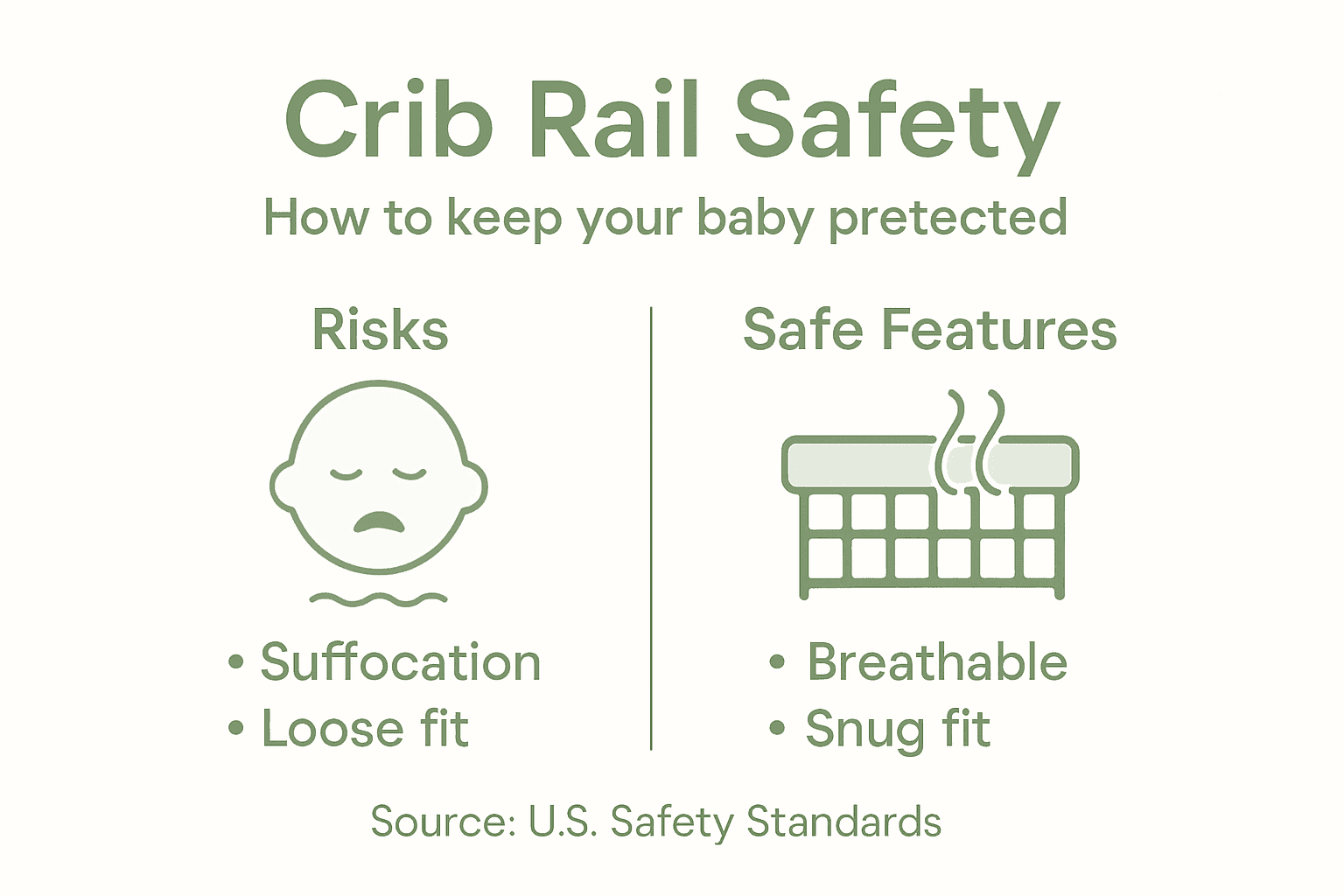
The following table summarizes common risks associated with poor crib rail cover choices:
| Risk Type | How It Manifests | Prevention Tip |
|---|---|---|
| Suffocation | Soft, thick padding | Choose slim, breathable covers |
| Strangulation | Loose ties or straps | Opt for secure, built-in fasteners |
| Entrapment | Gaps between rail and cover | Ensure snug, gap-free installation |
| Toxic Exposure | Low-grade materials | Select certified, non-toxic fabrics |
Pro tip: Perform a monthly hands-on inspection of crib rail covers, testing attachment strength and checking for any signs of wear or potential hazard development.
Create a Safer, Cozier Nursery with Expertly Crafted Crib Rail Covers
Protecting your baby from suffocation, entrapment, and teething hazards starts with choosing the right crib rail cover. As discussed, selecting breathable, non-toxic, and securely fitted covers is essential for peace of mind and your infant’s safety. At Kari Studio, we understand these critical needs and offer handmade braided crib bumpers designed to provide gentle cushioning without compromising airflow or safety. Our personalized designs ensure your nursery is not only safe but reflects your unique style.
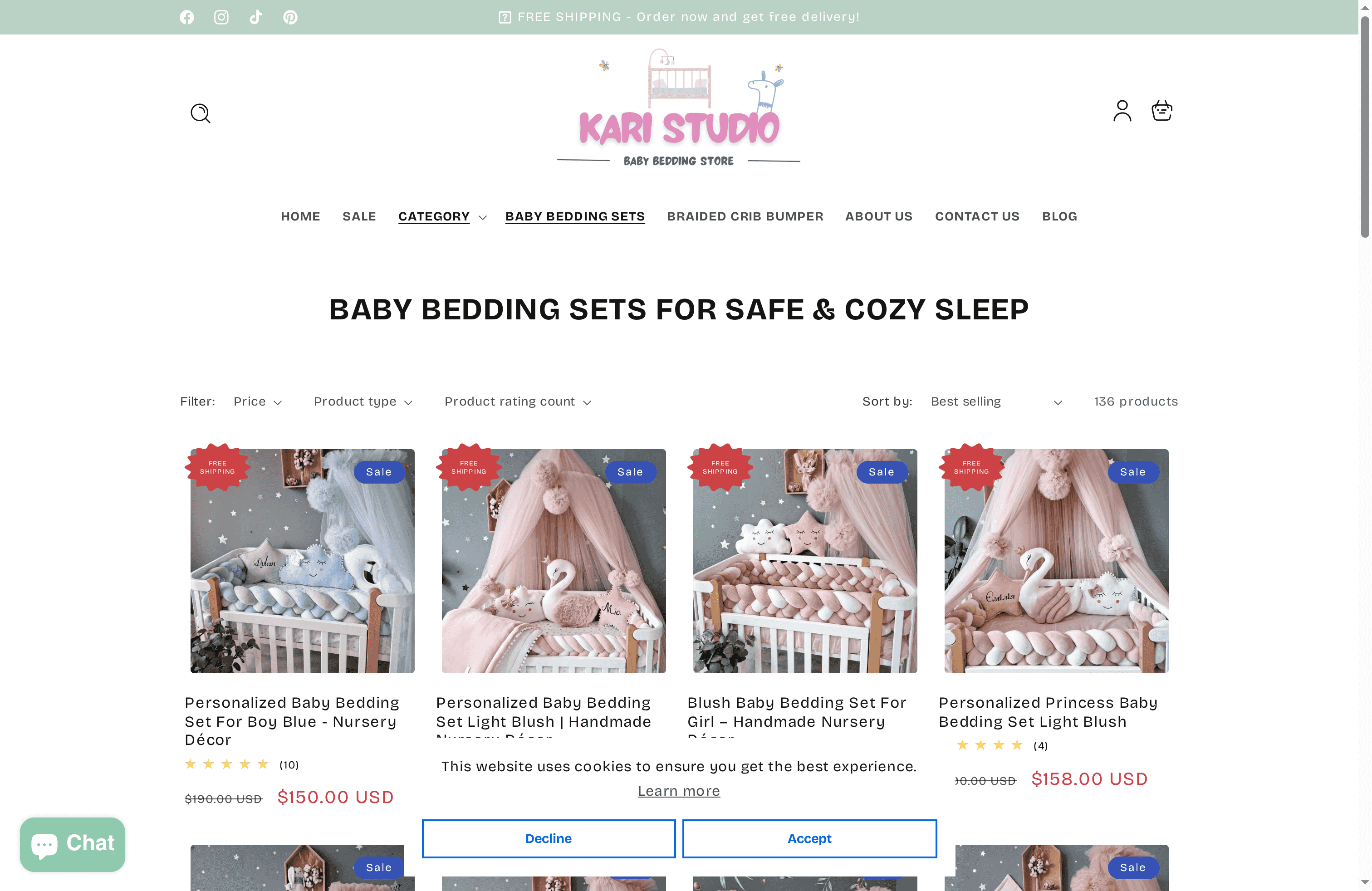
Explore our Handmade Bumper Pads for Girl Cot or Boy Braided Crib Bumpers for Sale to find premium, hypoallergenic rail guards crafted from breathable fabrics. Don’t wait to enhance your baby’s sleeping environment. Visit our full collection of Baby Bedding Sets today and invest in safety and style with every carefully made piece.
Frequently Asked Questions
What are the safety features of crib rail covers?
Safe crib rail covers are made from breathable, non-toxic materials, have a slim profile that doesn’t obstruct airflow, and are securely attached to prevent entanglement. They should also cover only the rail surface and contain no loose or soft padding.
How do I choose the right crib rail cover for my baby?
When selecting crib rail covers, prioritize products that conform to current safety standards, provide a snug fit, use hypoallergenic fabrics, and allow complete visibility of your baby. Avoid covers that create entrapment zones.
What are the different types of crib rail covers available?
The primary types include mesh liners, silicone rail covers, fabric rail guards, and plastic protective covers. Each type has unique safety benefits, such as breathability, cushioning, or protection against wood damage.
How often should I inspect and clean crib rail covers?
It is recommended to inspect crib rail covers monthly for any signs of wear and to clean them regularly based on the material type—mesh liners should be washed weekly, while silicone and fabric covers can be wiped down or machine washed less frequently.
Recommended
- Complete Guide to Crib Rail Protection
- Cushion for Crib Rail: Safer Sleep and Teething
- Crib Adjustable Side Rail Safety for Modern Nurseries
- 7 Essential Facts About Crib Rail Teething Guards for Parents
- 7 Smart Car Seat Safety Tips Every Utah Family Should Know | ReVroom
- 7 Expert Tips for Smart Children’s Towel Choices – Lotus Linen