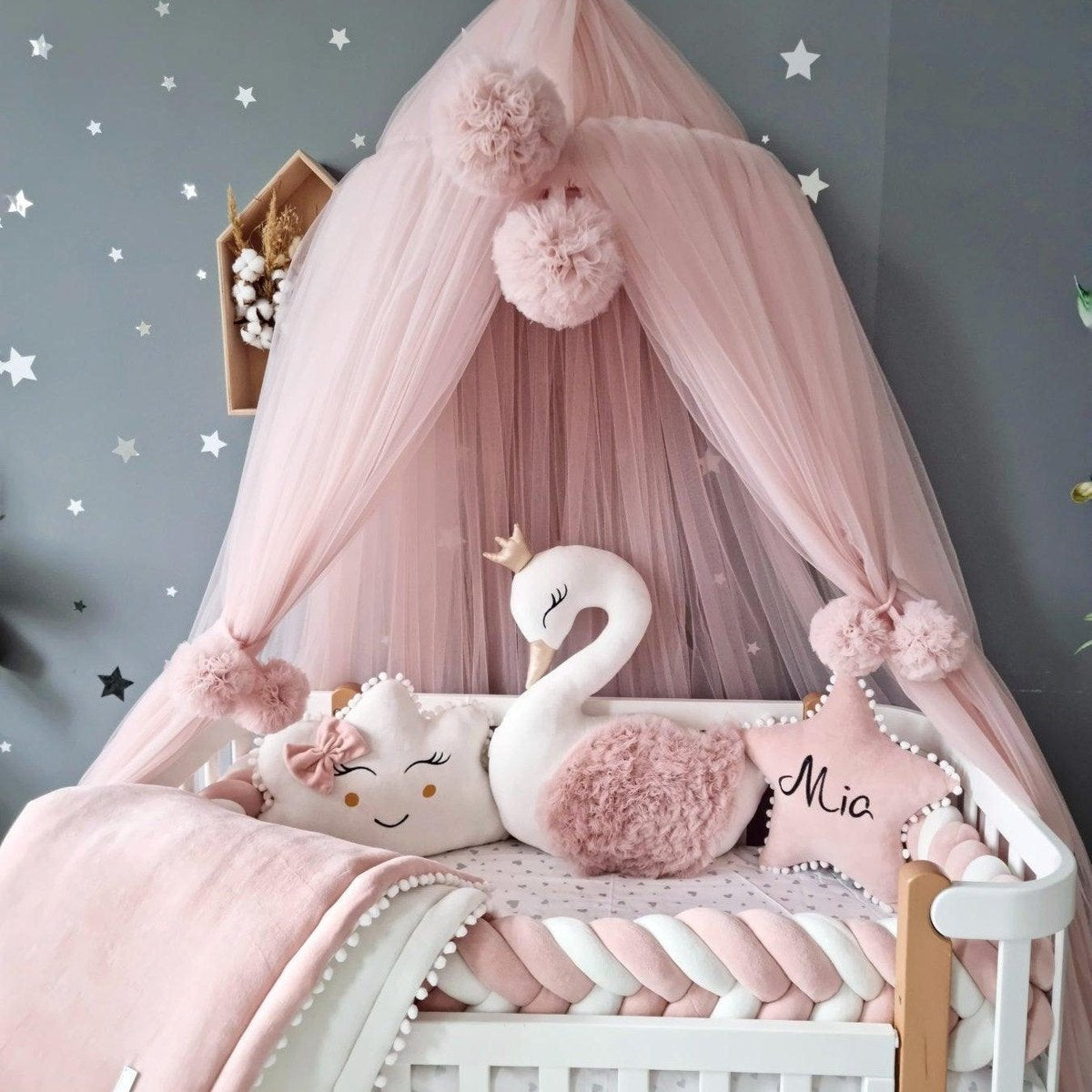
The first few months with a newborn can leave even the most prepared American parents second guessing their choices about crib safety and comfort. With stylish nurseries trending across the United States, it is easy to believe padded accessories offer both protection and charm. Yet, experts warn that over 70 percent of infant sleep accidents are linked to soft objects and extra bedding in the crib. Discover what myths and facts every modern parent needs to know for truly safe and beautiful sleep spaces.
Table of Contents
- Defining Crib Rail Cushions and Common Myths
- Types of Cushions and Material Options
- Essential Features for Safety and Comfort
- Installing and Maintaining Crib Rail Cushions
- Risks, Costs, and Safer Alternatives
Key Takeaways
| Point | Details |
|---|---|
| Crib Rail Cushions Are Unsafe | Safety experts recommend against using crib rail cushions due to increased risks of suffocation and entrapment. The American Academy of Pediatrics emphasizes a completely bare crib is safest. |
| Minimalist Sleep Environments Are Best | A firm mattress and fitted sheet with no extra padding offer the safest sleep conditions for infants, reducing the risk of injuries and fatalities. |
| Regular Safety Checks Are Crucial | Parents should conduct weekly safety inspections of cribs, ensuring the mattress fits securely and that there are no loose parts or potential hazards. |
| Safer Alternatives Exist | Instead of cushions, consider using rounded crib rails and supervised teething options to protect infants without compromising safety. |
Defining Crib Rail Cushions and Common Myths
Crib rail cushions represent a well-intentioned but potentially dangerous attempt to protect infants during sleep. Despite parents’ concerns about potential injuries from wooden crib rails, safety experts strongly advise against using these cushioned products. The American Academy of Pediatrics and Consumer Product Safety Commission have consistently emphasized that these cushions introduce more risks than protection.
The most pervasive myth surrounding crib rail cushions is that they prevent injuries from babies accidentally bumping or biting hard crib rails. However, current pediatric guidance indicates these products actually increase suffocation and entrapment risks. Soft cushioning can create dangerous scenarios where an infant might become trapped or struggle to breathe, making them a significant safety hazard in the sleeping environment.
Modern safety recommendations for infant sleep environments are unequivocal. Parents should maintain a completely bare crib with only a firm mattress and fitted sheet. Additional padding, including rail cushions, teething guards, and decorative bumpers, are strongly discouraged. These recommendations stem from comprehensive research demonstrating that minimalist sleeping arrangements dramatically reduce infant mortality and injury risks.
Pro tip: Choose breathable, fitted crib sheets and ensure the mattress fits snugly against all crib sides to create the safest possible sleep environment for your baby.
Types of Cushions and Material Options
Infant support cushions come in various materials and designs, each with unique characteristics and potential safety considerations. The U.S. Consumer Product Safety Commission carefully regulates these products to minimize risks like suffocation and entrapment, focusing on materials such as foam, fibrous batting, gel, and liquid-filled compositions. Understanding the nuanced differences between these materials can help parents make informed decisions about nursery safety.
Traditional cushion materials include memory foam, polyester fiberfill, and cotton batting. However, medical-grade cribs and accessories require materials that meet strict federal safety standards. These standards mandate mechanical stability, sanitation requirements, and comprehensive injury prevention protocols. According to federal medical device guidelines, approved materials must be easily cleanable and free from hazardous elements like sharp edges or toxic substances.
Parents should be particularly cautious about cushion materials that extend below the crib rail, as these may be classified as crib bumpers and could be subject to safety regulations or potential bans. The safest approach remains using minimal, breathable materials that do not introduce additional suffocation risks. Organic cotton, hypoallergenic fabrics, and medical-grade materials that provide minimal padding while maintaining structural integrity are recommended.
Here’s a quick comparison of common crib cushion materials and their key traits:
| Material Type | Pros | Cons |
|---|---|---|
| Memory Foam | Molds to baby’s shape | High suffocation risk |
| Polyester Fiberfill | Inexpensive and soft | Retains moisture, not very breathable |
| Cotton Batting | Naturally hypoallergenic | Can bunch up and block airflow |
| Medical-Grade Foam | Meets strict safety standards | More expensive, harder to find |
| Organic Cotton | Breathable, easy to clean | Provides minimal padding |
Pro tip: When selecting any crib accessories, always prioritize materials that are breathable, easily washable, and certified by recognized safety organizations.
Essential Features for Safety and Comfort
Pediatric safety guidelines emphasize creating a minimalist sleep environment that protects infants from potential hazards. Contrary to popular belief, comfort does not come from additional padding or soft surfaces, but from a carefully designed sleeping space that prioritizes an infant’s safety and developmental needs. The critical elements include a firm mattress, tightly fitted sheets, and a completely clear crib area free from unnecessary accessories.

Federal safety standards mandate specific requirements for infant sleeping environments. These standards focus on eliminating potential risks such as suffocation, entrapment, and strangulation. Healthy children’s sleep recommendations consistently highlight the importance of a bare crib with no additional cushioning or bumpers. Key safety features include non-toxic materials, secure mattress fitting, and absence of loose parts or soft bedding that could compromise an infant’s breathing or movement.
Parents should carefully evaluate crib accessories, understanding that true infant comfort stems from a secure, breathable environment. This means choosing a mattress with the right firmness, using fitted sheets made from breathable materials, and maintaining a consistent room temperature. Teething concerns can be addressed through safe alternatives like silicone teething rings used under parental supervision, rather than introducing potentially dangerous crib rail cushions.
Pro tip: Conduct a weekly safety check of your baby’s crib, ensuring the mattress remains tight-fitting and no new objects have been accidentally introduced to the sleeping space.
Installing and Maintaining Crib Rail Cushions
Crib safety experts consistently recommend against installing any additional cushioning or padding around infant sleeping areas. Despite parental instincts to provide extra protection, adding cushions to crib rails can create significant safety hazards including suffocation and entrapment risks. The most responsible approach is to maintain a completely bare crib with only a firm, tightly fitted mattress and sheet.
If parents are concerned about potential injuries from wooden crib rails, alternative safety strategies are recommended. These include carefully sanding down any rough edges, using smooth, non-toxic paint, or selecting cribs with rounded rail designs that minimize potential injury risks. Regular crib maintenance involves thorough inspections for loose hardware, checking mattress fit, and ensuring all components remain securely fastened to prevent potential accidents or structural failures that could compromise infant safety.
Parents should understand that teething and potential rail bumping are natural developmental stages. Instead of adding cushions, consider providing safe teething alternatives like silicone teething rings, cold washcloths, or age-appropriate teething toys used under direct supervision. The goal is creating a sleep environment that prioritizes breathing space, movement freedom, and overall infant safety over perceived comfort from additional padding.
Pro tip: Conduct monthly comprehensive crib safety checks, examining all hardware, mattress positioning, and surrounding environment to ensure your baby’s sleeping space remains optimal and secure.
Risks, Costs, and Safer Alternatives
Padded crib rail cushions represent a dangerous misconception about infant safety, posing significant risks of suffocation, strangulation, and entrapment. Despite parents’ well-intentioned efforts to protect their babies, these products actually increase hazards rather than prevent them. The financial and emotional costs of potential infant injury far outweigh any perceived protective benefits.
The American Academy of Pediatrics has definitively banned crib bumpers and rail cushions due to their direct association with preventable infant deaths. These recommendations are grounded in comprehensive scientific research demonstrating that additional padding creates more dangers than protection. The most cost-effective approach is to maintain a minimalist crib environment with only a firm mattress and fitted sheet.
Safer alternatives focus on addressing parental concerns through practical solutions. These include using smooth, rounded crib rails, applying non-toxic protective coatings, and providing supervised teething solutions like silicone teething rings. Parents can invest in high-quality cribs with built-in safety features, or use soft fabric rail covers that are breathable and securely attached without creating suffocation risks.

This table summarizes safer alternatives and their effectiveness for common crib concerns:
| Parental Concern | Safe Alternative | Benefit |
|---|---|---|
| Teething on crib rail | Supervised silicone teething ring | Protects gums without sleep risks |
| Hard crib edges | Crib with rounded rails | Reduces injury risk, no suffocation hazard |
| Stray objects in crib | Weekly crib inspections | Ensures consistent, hazard-free sleep |
Pro tip: Invest in a well-designed crib with smooth rails and use supervised teething strategies to protect your baby without compromising safety.
Create a Safe and Cozy Nursery with Thoughtful Bedding Choices
Protecting your baby from crib rail injuries and teething discomforts requires more than just cushions that can pose risks. The article underscores the dangers of padded crib rail cushions and highlights the importance of a minimalist, breathable sleep space free of entrapment hazards. If you are looking for nursery solutions that combine safety with gentle comfort, explore our selection of Handmade Bumper Pads for Girl Cot or Handmade Bumper Pads for Boy Cot, designed specifically to protect without compromising infant well-being.
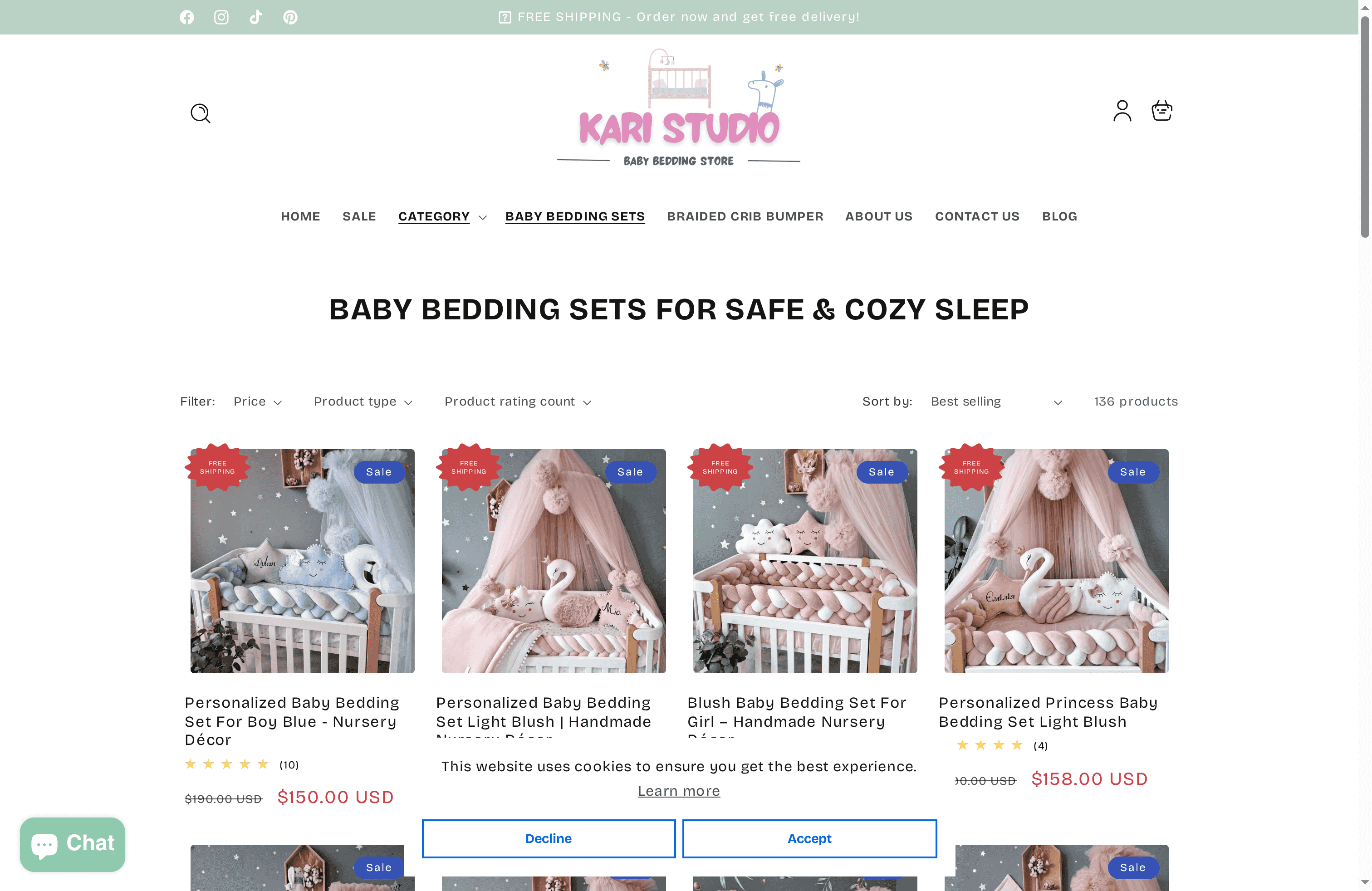
Discover how you can embrace a safer sleep environment by choosing our premium, hypoallergenic fabrics that breathe naturally and fit your crib snugly. Personalize a set today or browse our full collection of baby bedding essentials at Kari Studio. Act now to invest in nursery products crafted with love and engineered for peace of mind, so you can nurture your little one with confidence.
Frequently Asked Questions
What are crib rail cushions and are they safe?
Crib rail cushions are padded products intended to protect infants from hard crib rails. However, safety experts advise against using them due to increased risks of suffocation and entrapment. The safest option is to maintain a bare crib with only a firm mattress and fitted sheet.
What materials are used in crib rail cushions?
Crib rail cushions can be made from various materials, including memory foam, polyester fiberfill, and cotton batting. However, safety guidelines suggest parents should avoid any additional padding that could pose suffocation risks, opting for breathable materials if necessary.
How can parents ensure safety in an infant’s sleep environment?
To ensure safety, parents should keep the crib minimally furnished, using only a firm mattress and tightly fitted sheets. Regular safety checks should be conducted to ensure there are no loose parts or hazards present in the sleeping space.
What are safer alternatives to crib rail cushions for teething infants?
Instead of crib rail cushions, parents can use silicone teething rings, cold washcloths, or supervised teething toys to address teething concerns without compromising sleep safety.