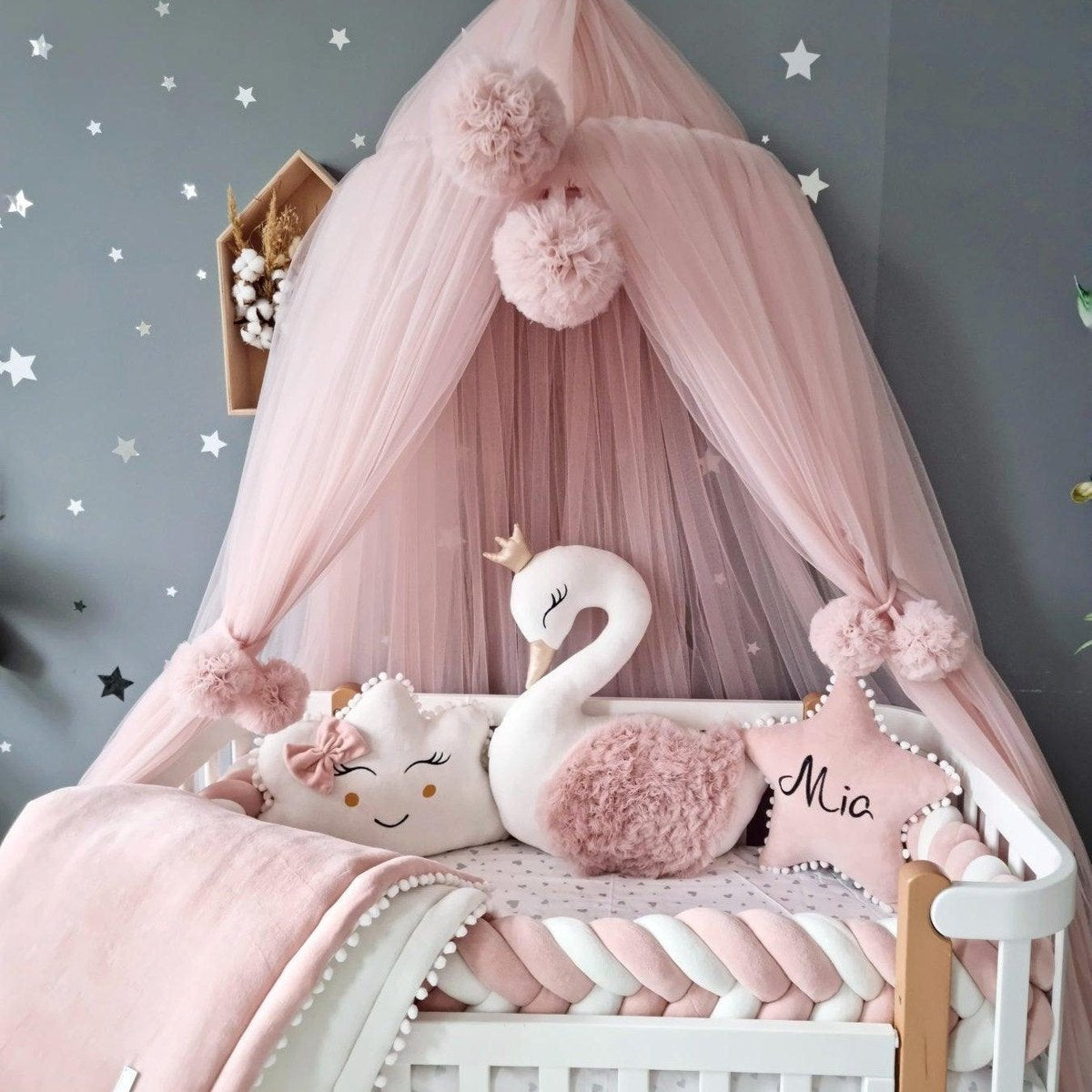
Over 100 infant deaths in the United States have been linked to crib bumpers, leaving many American parents concerned about choosing safe and stylish crib solutions. With so many nursery products marketed as protective, understanding what actually keeps your baby safe is more important than ever. This guide helps American families confidently navigate crib bumper history, safety risks, and practical alternatives so you can build a cozy, hazard-free sleep space for your little one.
Table of Contents
- Crib Bumpers And Their Original Purpose
- Types Of Crib Bumpers And Legal Distinctions
- Federal Ban On Padded And Braided Bumpers
- Risks Linked To Traditional Crib Bumpers
- Safe Alternatives For Crib Protection
- Steps To Create A Safe Sleep Environment
Key Takeaways
| Point | Details |
|---|---|
| Crib Bumper Risks | Traditional crib bumpers pose significant risks, including suffocation and entrapment, leading to a federal ban on padded and braided bumpers in the U.S. |
| Safety Recommendations | Experts advocate for a bare crib with a firm mattress and fitted sheet, and recommend removing all soft bedding to ensure infant safety during sleep. |
| Legal Compliance | Understanding legal distinctions regarding crib bumpers is crucial, as the U.S. enforces strict guidelines banning certain types of bumpers due to safety concerns. |
| Safe Sleep Practices | Implementing safe sleep practices includes regular crib inspections and maintaining optimal room conditions to promote infant well-being. |
Crib bumpers and their original purpose
Crib bumpers emerged as a seemingly cozy nursery accessory designed to create a soft, protective environment for infants. Historically designed for comfort, these padded liners were meant to prevent babies from bumping into hard crib rails and provide a visually appealing interior for the baby’s sleeping space.
Originally, manufacturers and parents believed crib bumpers served multiple protective functions. They were intended to prevent babies from getting their limbs stuck between crib slats, cushion potential impacts, and create a more aesthetically pleasing nursery environment. Soft padded surfaces seemed like a logical solution to prevent potential injuries during an infant’s early mobile stages.
However, medical research has dramatically transformed our understanding of these seemingly innocent accessories. Safety experts now recognize significant risks associated with traditional crib bumpers, revealing that their potential dangers far outweigh any perceived benefits. The American Academy of Pediatrics and other child safety organizations have consistently warned that these bumpers can create serious suffocation and entrapment hazards for infants.
Pro tip: When designing a safe sleep environment, prioritize a bare crib with a firm mattress and fitted sheet, avoiding any additional soft bedding or padding that could compromise your baby’s safety.
Types of crib bumpers and legal distinctions
Crib bumpers have evolved into multiple design variations, each with distinct characteristics and legal implications. Federal regulations distinguish between different types of crib bumpers, creating a complex landscape of safety standards and product restrictions.
The primary types of crib bumpers include padded bumpers, braided bumpers, and mesh liners. Padded bumpers, which are thick and cushioned, have been completely banned under the Safe Sleep for Babies Act due to their significant suffocation risks. Braided bumpers, often made with intricate woven designs, face similar legal restrictions and are prohibited from manufacture and sale in the United States. Mesh bumpers, while not explicitly banned, are still considered potentially hazardous by pediatric safety experts.
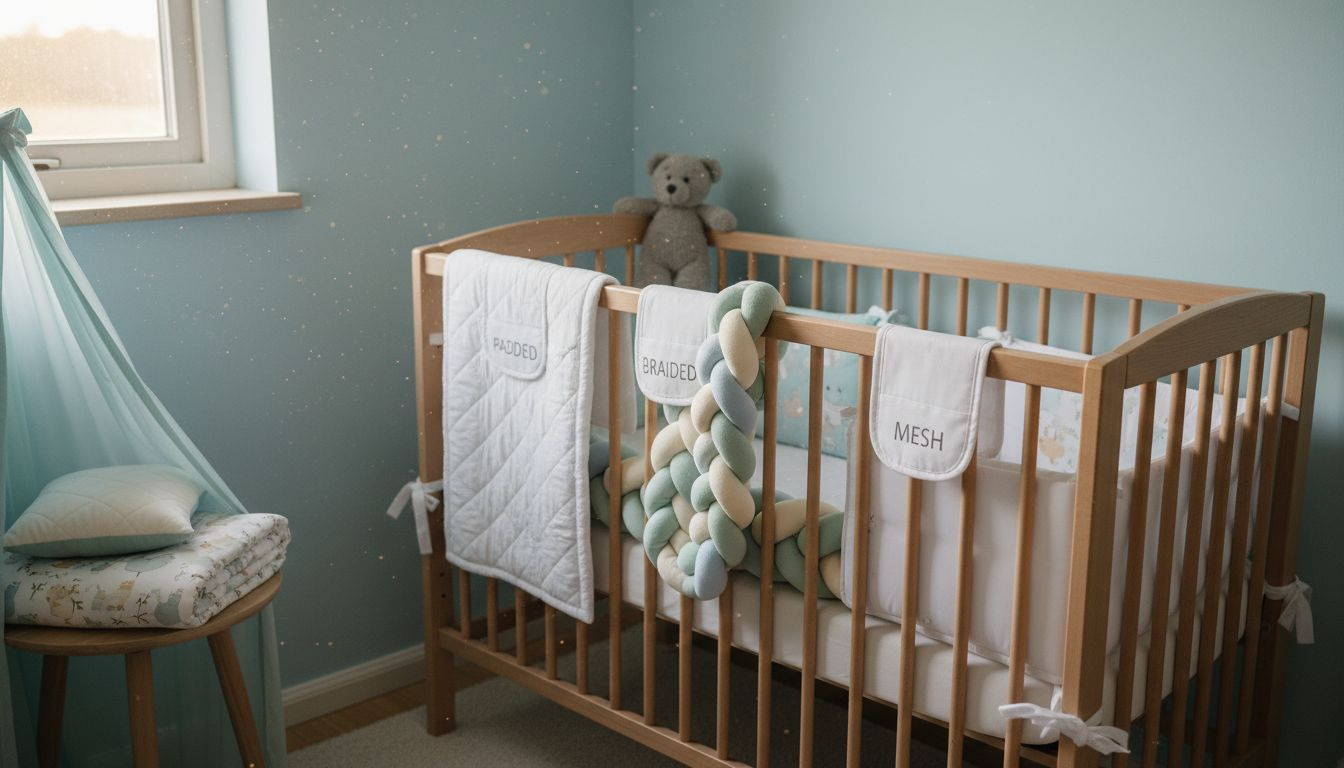
Legal distinctions between these bumper types are critical for parents to understand. The U.S. Consumer Product Safety Commission has implemented strict guidelines that essentially prohibit traditional padded and braided bumpers across all contexts. Consumer safety experts recommend avoiding all bumper types regardless of their specific design, emphasizing that no bumper can guarantee infant safety during sleep.
Here’s a quick comparison of crib bumper types and their legal status:
| Bumper Type | Description | Legal Status in U.S. | Safety Concerns |
|---|---|---|---|
| Padded Bumper | Thick, soft cushioning | Banned | High suffocation risk |
| Braided Bumper | Woven, intertwined design | Banned | Entanglement hazard |
| Mesh Liner | Breathable, thin material | Not banned, discouraged | Potential airflow blockage |
Pro tip: When setting up a safe sleeping environment, completely remove all bumpers and accessories from the crib, focusing instead on a bare mattress with a fitted sheet to reduce potential suffocation risks.
Federal ban on padded and braided bumpers
The Safe Sleep for Babies Act represents a critical milestone in infant safety legislation, specifically targeting dangerous nursery products that have historically posed significant risks to infants. Signed into law in May 2022, this federal regulation comprehensively bans the manufacture and sale of padded and braided crib bumpers across the United States, marking a decisive step in protecting infant sleeping environments.
The legislation emerged from alarming statistics documenting infant deaths associated with these seemingly innocent nursery accessories. Pediatric safety experts and medical professionals have long warned about the hazards of crib bumpers, which can create dangerous scenarios involving suffocation, entrapment, and unexpected infant injuries. By implementing this nationwide ban, lawmakers directly addressed a persistent safety concern that had previously gone unregulated.
Under the new federal guidelines, manufacturers are strictly prohibited from producing or selling padded and braided crib bumpers. Retailers must immediately remove these products from their shelves, and parents are strongly encouraged to discard any existing bumpers in their homes. The law applies comprehensively, ensuring that no commercial channels can legally distribute these hazardous infant products. Consumer safety organizations have praised this legislation as a significant advancement in reducing preventable infant deaths and promoting safer sleep practices.
Pro tip: When purchasing baby bedding, always prioritize products that meet current safety standards, and consult pediatric safety guidelines before introducing any new items to your infant’s sleeping environment.
Risks linked to traditional crib bumpers
Traditional crib bumpers pose serious infant safety risks that extend far beyond their seemingly protective appearance. Between 1990 and 2019, the U.S. Consumer Product Safety Commission documented 113 infant deaths directly associated with padded crib bumpers, transforming what parents once considered a nursery essential into a potentially deadly accessory.
The primary risks associated with traditional crib bumpers include suffocation, strangulation, and entrapment. These dangers emerge from the bumpers’ design, which can inadvertently create hazardous scenarios for infants. Soft padding can conform to a baby’s face, potentially blocking critical airflow and increasing the risk of accidental suffocation. The dense materials and intricate designs can also create pockets where an infant might become trapped or entangled, leading to potentially fatal consequences.
Medical professionals, including pediatric experts from the American Academy of Pediatrics, have consistently warned about these risks. Their research demonstrates that crib bumpers provide no meaningful safety benefits while substantially increasing the likelihood of sleep-related infant deaths. The bumpers’ ability to obstruct breathing, create unexpected entrapment zones, and compromise the recommended bare sleep environment makes them a significant threat to infant safety.
Pro tip: Create a safe sleep environment by using a firm mattress with a fitted sheet, removing all extra bedding and accessories, and placing the baby on their back to reduce potential risks.
Safe alternatives for crib protection
Safe sleep practices prioritize minimalist crib design that eliminates unnecessary padding and accessories. Instead of traditional bumpers, parents can implement several protective strategies that maintain infant safety without compromising comfort or well-being.
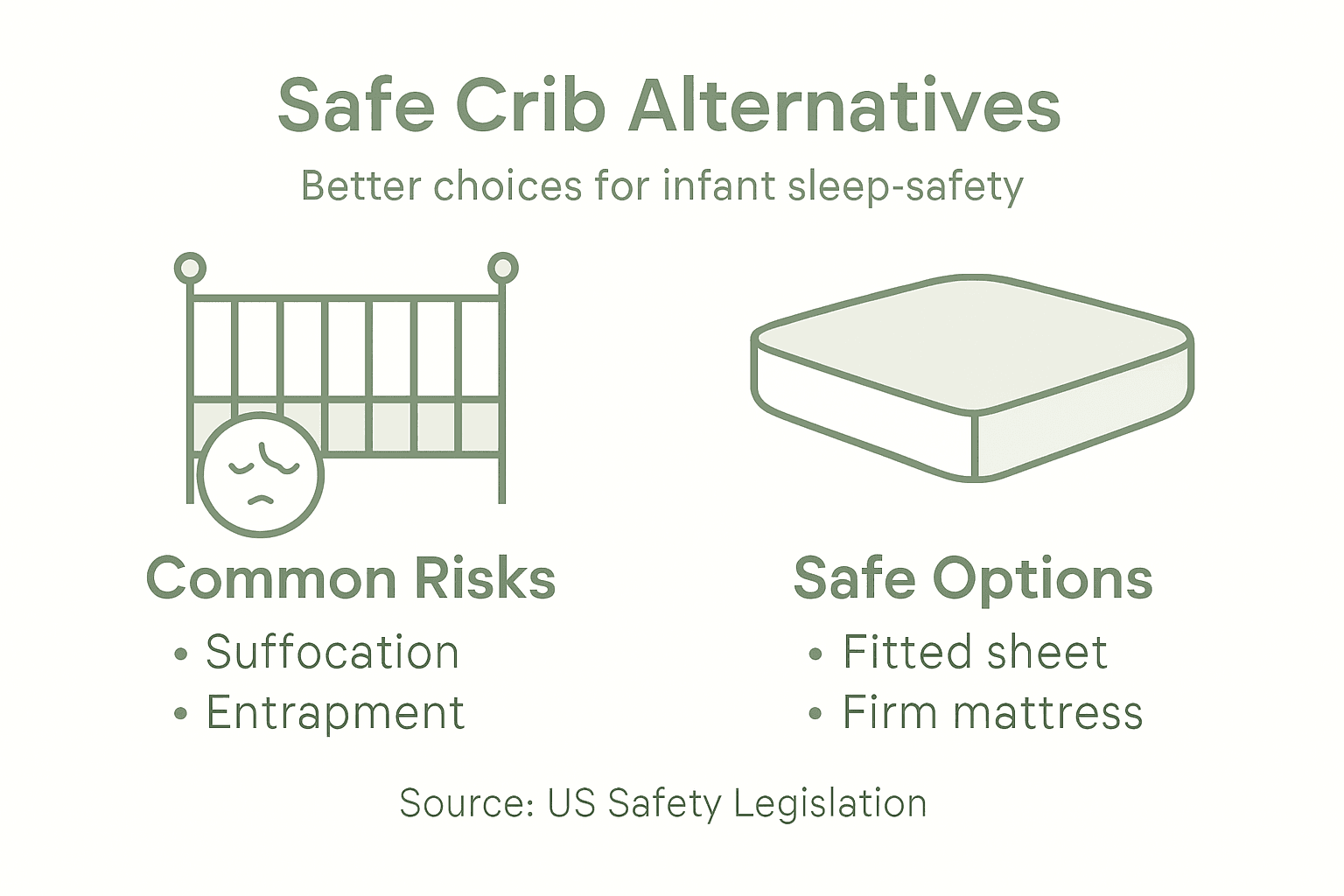
Crib protection alternatives focus on addressing specific parental concerns while maintaining a safe sleeping environment. Protective crib rail covers made from breathable, firm materials can prevent wood splintering and potential infant injuries without creating suffocation risks. Strategically positioned breathable mesh guards can offer limited protection around crib edges, providing a visual barrier while maintaining critical airflow and preventing limb entrapment.
Experts consistently recommend a minimalist approach to infant sleep environments. Key protective alternatives include using a firm mattress with a tightly fitted sheet, positioning the crib away from windows and electrical outlets, and ensuring consistent room temperatures between 68 and 72 degrees Fahrenheit. For parents concerned about potential impacts, specialized crib rail guards made from non-toxic, breathable materials can offer targeted protection without compromising infant safety standards established by pediatric professionals.
Pro tip: Regularly inspect your crib for potential hazards, ensuring all hardware is tightly secured and no sharp edges or loose components pose risks to your infant.
Steps to create a safe sleep environment
Safe sleep practices require careful planning and a comprehensive approach to infant sleeping environments. Parents must systematically eliminate potential hazards while creating a protective, comfortable space that supports healthy infant development.
The foundational steps for creating a safe sleep environment begin with proper crib selection and positioning. Choose a crib that meets current Consumer Product Safety Commission standards, ensuring slat spacing no wider than 2 3/8 inches and a mattress that fits snugly without gaps. Position the crib away from windows, electrical cords, curtains, and heavy furniture that could potentially fall or create additional risks. Use a firm, flat mattress with a tightly fitted sheet, and avoid any additional bedding, pillows, blankets, or soft accessories that could obstruct breathing.
Infant positioning and sleep clothing are equally critical safety considerations. Always place babies on their backs to sleep, using wearable sleep sacks instead of traditional blankets for warmth. Maintain room temperatures between 68 and 72 degrees Fahrenheit, and consider using a room thermometer to monitor environmental conditions. Room-sharing without bed-sharing is recommended, allowing parents to monitor their infant while providing a separate, safe sleeping surface that reduces risks associated with sudden infant death syndrome.
Pro tip: Conduct a weekly safety audit of your infant’s sleeping area, checking for loose hardware, potential hazards, and ensuring all safety guidelines remain consistently implemented.
The table below highlights recommended crib safety strategies and their benefits:
| Safety Strategy | Key Benefit | Expert Guidance |
|---|---|---|
| Firm mattress, fitted sheet | Reduces suffocation risk | Supported by pediatricians |
| No soft accessories | Prevents entrapment hazards | Advised by safety agencies |
| Room-share, not bed-share | Lowers SIDS risk | Endorsed by medical experts |
| Weekly crib inspection | Identifies emerging hazards | Recommended for all parents |
Choose Safe and Stylish Crib Solutions for Your Nursery
Understanding the risks outlined in “Crib Bumpers: U.S. Safety Laws and Safer Choices” underscores the importance of selecting nursery products that prioritize your baby’s safety and comfort. Traditional padded and braided crib bumpers have proven dangers such as suffocation and entrapment. Kari Studio offers a safer alternative with our carefully crafted braided crib bumpers made from hypoallergenic, breathable fabrics to help protect your little one without compromising safety.
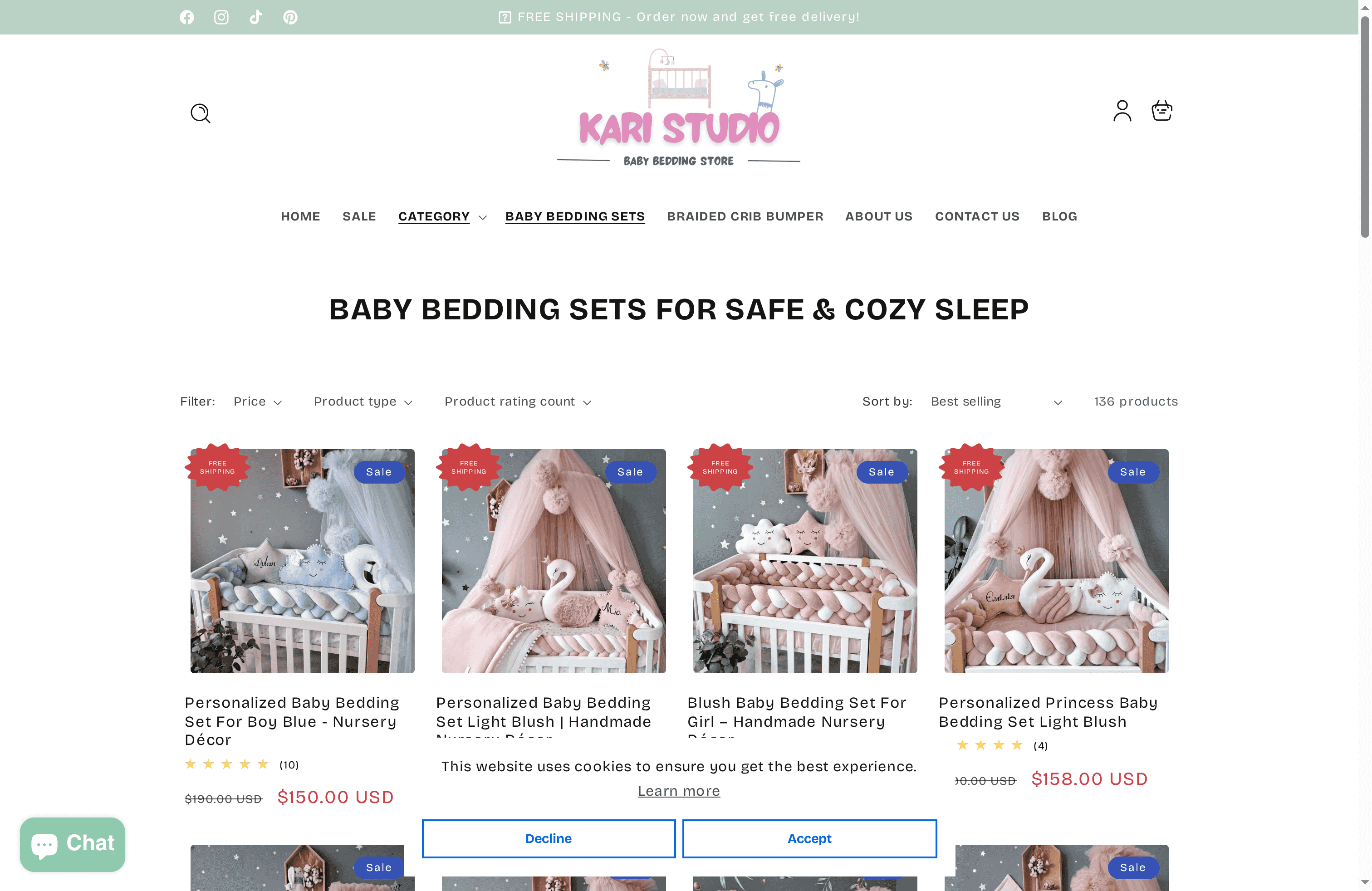
Explore our beautifully handmade options like the Handmade Bumper Pads for Girl Cot or the Handmade Bumper Pads for Boy Cot to create a cozy, personalized nursery that meets current safety guidelines. Act now to give your baby a safe sleep environment with style and quality you can trust by visiting our full collection at Kari Studio Baby Bedding Sets. Your peace of mind and your baby’s protection start here.
Frequently Asked Questions
What are the risks associated with traditional crib bumpers?
Traditional crib bumpers pose significant risks such as suffocation, strangulation, and entrapment, leading to serious injuries or even fatalities. Medical experts warn that the soft padding can obstruct airflow and create hazardous pockets for infants.
Are all types of crib bumpers banned in the U.S.?
No, while padded and braided crib bumpers are banned under the Safe Sleep for Babies Act, mesh liners are not explicitly banned but are still discouraged due to potential safety hazards.
What safe alternatives can I use for crib protection instead of bumpers?
Safe alternatives include using protective crib rail covers made from breathable materials and maintaining a minimalist crib design with just a firm mattress and fitted sheet, avoiding all extra bedding and accessories to ensure safety.
How can I create a safe sleep environment for my baby?
To create a safe sleep environment, use a firm mattress with a fitted sheet, place the crib away from windows and electrical outlets, ensure room temperatures between 68 and 72 degrees Fahrenheit, and always place your baby on their back to sleep.