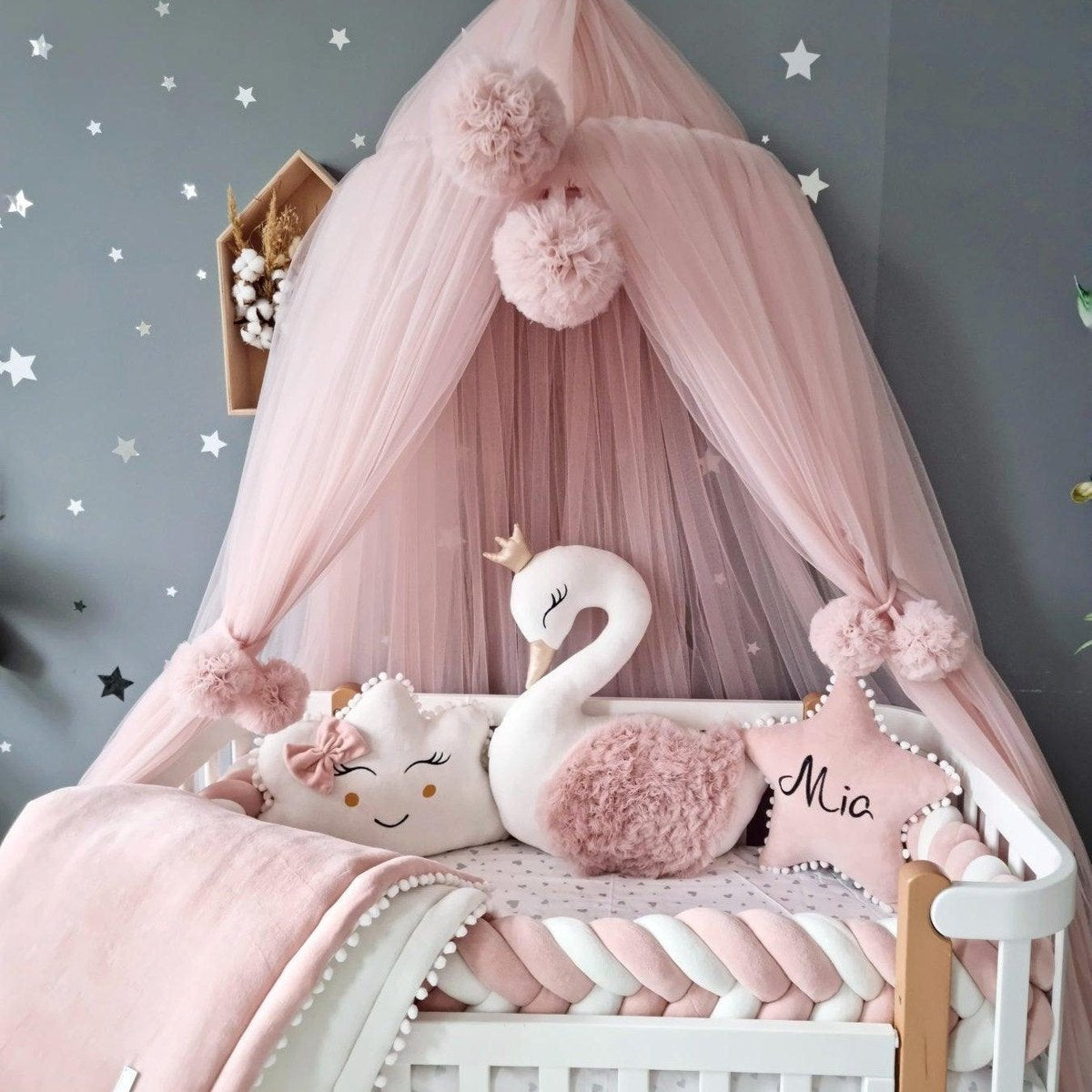
En resumen:
- Los protectores de cuna (bumpers) representan riesgos de asfixia, estrangulamiento y atrapamiento, y están prohibidos por ley en los EE. UU.
- Retire todos los protectores antes de que el bebé duerma por primera vez en la cuna, especialmente a partir de los 4 a 6 meses.
- Una habitación segura para el bebé consta de una cuna vacía, con un colchón firme y solo una sábana ajustable.
Desea que la habitación de su bebé sea cálida, segura y acogedora. Pero si ha buscado consejos sobre los protectores de cuna, probablemente haya encontrado opiniones contradictorias en todas partes. Algunas fuentes dicen que los retire de inmediato. Otras sugieren esperar. Incluso algunas recomiendan tipos específicos como "seguros". La confusión es real y hay mucho en juego. Esta guía elimina el ruido con respuestas claras y basadas en evidencia sobre exactamente cuándo deben retirarse los protectores de la cuna y qué hacer en su lugar.
Tabla de contenidos
- Por qué los protectores son un problema de seguridad
- ¿Cuándo deben retirarse los protectores?
- Cómo retirar los protectores de forma segura: paso a paso
- Configuración segura de la cuna tras retirar los protectores: qué usar en su lugar
- Por qué el mito de la cuna "linda y acogedora" pone en peligro a los bebés
- Cree una habitación segura y elegante, sin riesgos
- Preguntas frecuentes
Puntos clave
| Punto | Detalles |
|---|---|
| Retire los protectores de inmediato | La cuna más segura está vacía: retire los protectores antes de que el bebé duerma en ella por primera vez. |
| Prohibición por ley federal | Los protectores acolchados están prohibidos en EE. UU. porque suponen riesgos de asfixia y atrapamiento. |
| Mejores estándares de sueño seguro | Los barrotes modernos de las cunas y los colchones de ajuste firme protegen a los bebés sin necesidad de acolchado peligroso. |
| Opciones decorativas más seguras | Los padres pueden tener una habitación hermosa usando ropa de cama compatible y accesorios seguros fuera de la cuna. |
Por qué los protectores son un problema de seguridad
Para organizar una habitación segura, debe entender por qué los expertos advierten ahora contra los protectores. Los protectores de cuna se diseñaron originalmente para evitar que los bebés metieran las extremidades entre los barrotes o se golpearan la cabeza. Eso suena razonable. Pero décadas de datos cuentan una historia diferente.
Los riesgos principales son asfixia, estrangulamiento y atrapamiento. Un bebé que rueda hacia un protector acolchado boca abajo no siempre puede cambiar de posición. Las cintas usadas para sujetar los protectores a los rieles pueden enredarse alrededor del cuello del bebé. Incluso un protector que parece bien sujeto puede moverse durante la noche.
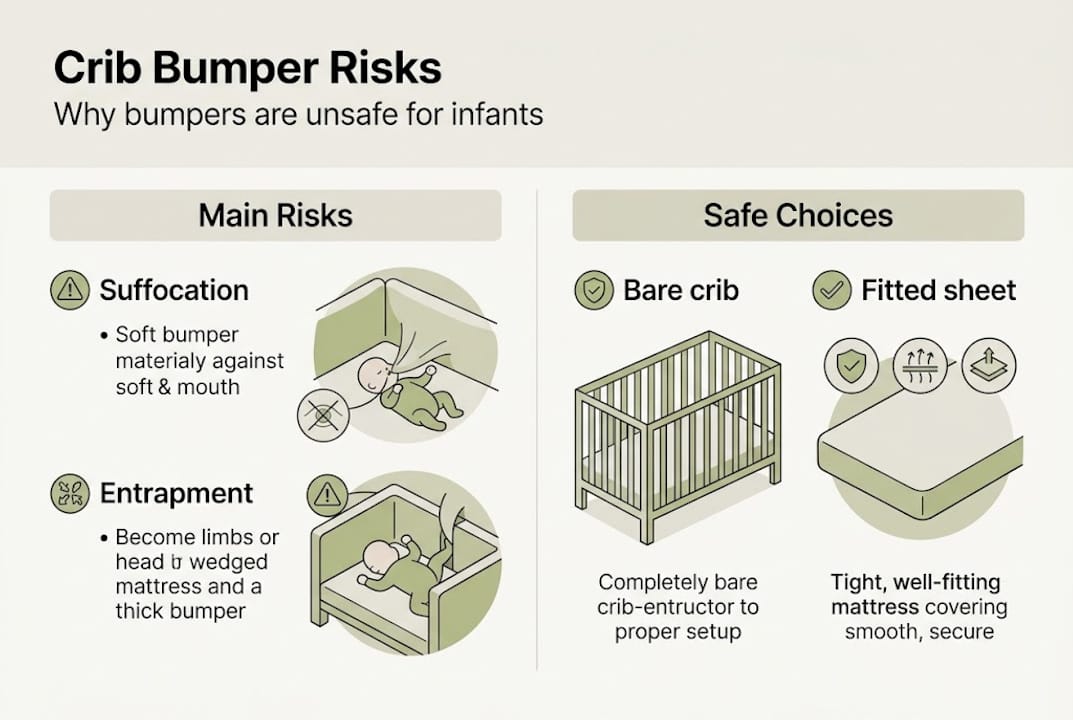
Los protectores de cuna deben retirarse de inmediato o nunca usarse en bebés menores de 12 meses debido a los riesgos de asfixia, atrapamiento y estrangulamiento. La Academia Americana de Pediatría (AAP) es igual de directa: la política de la AAP recomienda mantener objetos blandos como los protectores de cuna fuera de la cuna para bebés de hasta 1 año con el fin de prevenir muertes relacionadas con el sueño.
El gobierno de los EE. UU. actuó basándose en esta evidencia. Los protectores de cuna acolchados están prohibidos a nivel federal bajo la Ley de Sueño Seguro para Bebés (Safe Sleep for Babies Act) de 2022, lo que hace ilegal su fabricación o venta debido a los peligros de asfixia. Esto no es una directriz. Es ley federal.
Comprender las leyes de seguridad de los protectores y los estándares de seguridad de las cunas le ayuda a tomar decisiones informadas y con confianza para el espacio de sueño de su bebé.
| Tipo de riesgo | Cómo sucede | Quién está más en riesgo |
|---|---|---|
| Asfixia | Cara presionada contra el protector acolchado | Recién nacidos, bebés menores de 6 meses |
| Estrangulamiento | Cinta enredada alrededor del cuello | Todos los bebés |
| Atrapamiento | Cuerpo atrapado entre el protector y el colchón | Bebés que empiezan a rodar, de 4 a 6 meses |
| Reinhalación | Aire exhalado atrapado cerca de la cara | Bebés con control limitado de la cabeza |
“El entorno de sueño más seguro para un bebé es una cuna vacía: colchón firme, sábana ajustable y nada más. Cada artículo añadido aumenta el riesgo”. — Academia Americana de Pediatría
¿Cuándo deben retirarse los protectores?
Ahora que los riesgos están claros, aquí le indicamos exactamente cuándo y qué tan rápido debe retirar los protectores de la cuna.
La respuesta corta: antes de que su bebé duerma en la cuna por primera vez. Retire los protectores antes de que el bebé duerma en la cuna, o inmediatamente si ya están instalados. La configuración más segura es una cuna vacía con un colchón firme y solo una sábana ajustable, hasta al menos los 12 meses.
Si los protectores ya están en su cuna en este momento, retírelos hoy. No después de la próxima siesta. No después de terminar de leer este artículo. Ahora.
Aquí tiene una línea de tiempo clara para guiarle:
- Antes de la primera siesta: Retire todos los protectores antes de colocar a su bebé en la cuna por primera vez.
- Si los protectores ya están instalados: Quítelos de inmediato, independientemente de la edad de su bebé.
- A los 4 a 6 meses (etapa de rodar): Si de alguna manera aún tiene protectores en la cuna, este hito hace que su retiro sea aún más urgente. Los bebés que ruedan enfrentan un mayor riesgo de reinhalación y atrapamiento.
- En cualquier momento que considere añadir protectores: No lo haga. No hay ninguna etapa de desarrollo donde añadir protectores sea seguro o beneficioso.
- Después del año: Incluso si su niño es más activo, los protectores crean un riesgo de escalada que aumenta la posibilidad de caídas.
La CPSC ha documentado más de 100 muertes de bebés vinculadas a los protectores de cuna entre 1990 y 2019, con retiros continuos en 2025 y 2026 por incumplimiento. Estos no son casos raros o aislados. Son tragedias prevenibles.
Consejo profesional: Tome una foto de la configuración de su cuna después de quitar los protectores. Le servirá como referencia visual rápida y le ayudará a notar si alguien ha vuelto a colocarlos.
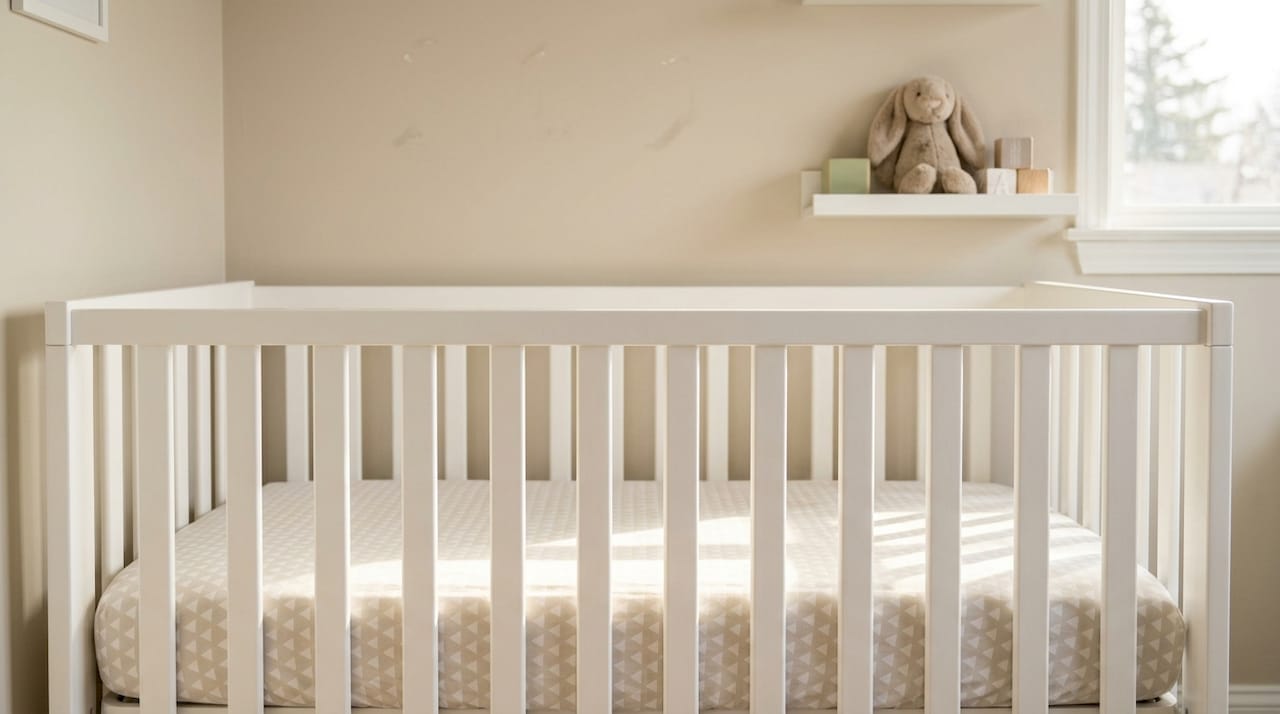
Evitar errores en la configuración de la cuna y conocer sus alternativas más seguras le ayudará a sentirse seguro con sus decisiones.
Cómo retirar los protectores de forma segura: paso a paso
Está listo para hacer el cambio. Aquí le explicamos cómo retirar los protectores de forma completa y segura de su cuna.
Qué necesita:
- Una bolsa pequeña o caja para los protectores retirados
- Un paño suave y húmedo para limpiar los rieles de la cuna
- Una linterna para verificar si quedaron cintas o herrajes
Retiro paso a paso:
- Baje el colchón si es posible, para tener acceso total a todos los rieles de la cuna.
- Localice todas las cintas o broches. La mayoría de los protectores se sujetan en la parte superior e inferior de cada riel. Desate o desabroche cada uno con cuidado.
- Retire el protector por secciones si es un estilo que cubre toda la cuna. No tire con fuerza, ya que esto puede aflojar los herrajes de la cuna.
- Busque cintas olvidadas. Inspeccione cada riel con su linterna. Cualquier cinta restante es un riesgo de estrangulamiento.
- Limpie los rieles con un paño húmedo para eliminar cualquier residuo o polvo acumulado detrás del protector.
- Inspeccione el ajuste del colchón. Presione el colchón firmemente contra cada lado de la cuna. No debería haber un espacio mayor al ancho de dos dedos.
- Revise el espacio entre barrotes. Los barrotes modernos espaciados no más de 6 cm (2 3/8 pulgadas) previenen atrapamientos serios, por lo que su bebé está protegido sin necesidad de acolchado.
| Artículo | Mantener en cuna | Retirar de la cuna |
|---|---|---|
| Colchón firme ajustable | Sí | No |
| Sábana ajustable ceñida | Sí | No |
| Protector acolchado | No | Sí |
| Manta suelta | No | Sí |
| Animales de peluche | No | Sí |
| Saco de dormir (usado por el bebé) | Sí | No |
Consejo profesional: Después de retirarlos, guarde los protectores fuera del alcance. No done ni revenda protectores acolchados, ya que están prohibidos por ley. Desecharlos es la opción más segura.
Para más información sobre la elección de los materiales adecuados para su cuna, consulte nuestra guía sobre materiales seguros para ropa de cama de cuna.
Configuración segura de la cuna tras retirar los protectores: qué usar en su lugar
Una vez que los protectores están fuera, mantener la cuna de su bebé segura y cómoda es sencillo.
El estándar de la AAP es simple: lo más seguro es una cuna vacía con un colchón firme y solo una sábana ajustable hasta al menos los 12 meses. Eso es todo. No necesita nada más.
Aquí tiene una lista de verificación para confirmar que su cuna está configurada correctamente:
- Colchón firme: No debe hundirse cuando lo presiona. Los colchones blandos aumentan el riesgo de asfixia.
- Sábana ajustable ceñida: Debe quedar bien ajustada sin tela suelta. Tire de las esquinas para probar.
- Nada más en la cuna: Sin almohadas, mantas sueltas, peluches, posicionadores o cuñas.
- El bebé usa saco de dormir: Esto mantiene a su bebé abrigado sin añadir ropa de cama suelta.
- La cuna cumple con los estándares actuales: Verifique que la cuna no haya sido retirada del mercado y que el espacio entre los barrotes sea correcto.
Es posible que haya visto productos comercializados como “protectores transpirables” o “mallas”. Sea precavido. No existe evidencia definitiva de que estos productos sean seguros para los bebés, y la AAP no los recomienda. Si le interesan sus opciones, nuestra guía sobre alternativas transpirables y alternativas inteligentes cubre lo que la evidencia actual realmente respalda.
Consejo profesional: Si los abuelos u otros cuidadores cuidan a su bebé, comparta esta lista de verificación directamente con ellos. Los cuidadores que aprendieron sobre cunas hace décadas pueden no saber que las reglas han cambiado significativamente.
Para un desglose completo de lo que pertenece en el espacio de sueño frente a lo que no, nuestra guía sobre ropa de cama frente a mantas es una excelente lectura siguiente.
Por qué el mito de la cuna "linda y acogedora" pone en peligro a los bebés
Aquí hay algo que vale la pena decir claramente: la presión por crear una habitación perfecta es real, y puede ir en contra de la seguridad de su bebé.
Las redes sociales están llenas de cunas bellamente decoradas con ropa de cama en capas, protectores esponjosos y almohadas coordinadas. Estas imágenes parecen cálidas y acogedoras. También parecen peligrosas para cualquier experto en sueño pediátrico. El problema es que “acogedor” y “seguro” no son lo mismo en una cuna.
Los datos no son sutiles. Se registraron 27 muertes entre 1985 y 2005 en el Journal of Pediatrics, y 113 muertes de 1990 a 2019 según la CPSC. Ninguna investigación ha establecido un umbral seguro para reintroducir los protectores. El consenso es evitarlos por completo.
Los padres no están equivocados al querer una habitación hermosa. Pero la decisión de diseño más importante que puede tomar es una cuna vacía. Esa elección es también la más fácil de explicar a cualquiera que la cuestione. Señale la ley. Señale los datos. La historia de la regulación de los protectores de cuna muestra cuánto tiempo tomó llegar aquí. No necesita repetir la curva de aprendizaje.
Una habitación segura aún puede ser elegante. El estilo simplemente vive fuera de la cuna.
Cree una habitación segura y elegante, sin riesgos
No tiene que elegir entre una habitación hermosa y una segura. Ambas van de la mano cuando centra sus decisiones de diseño en los lugares correctos.
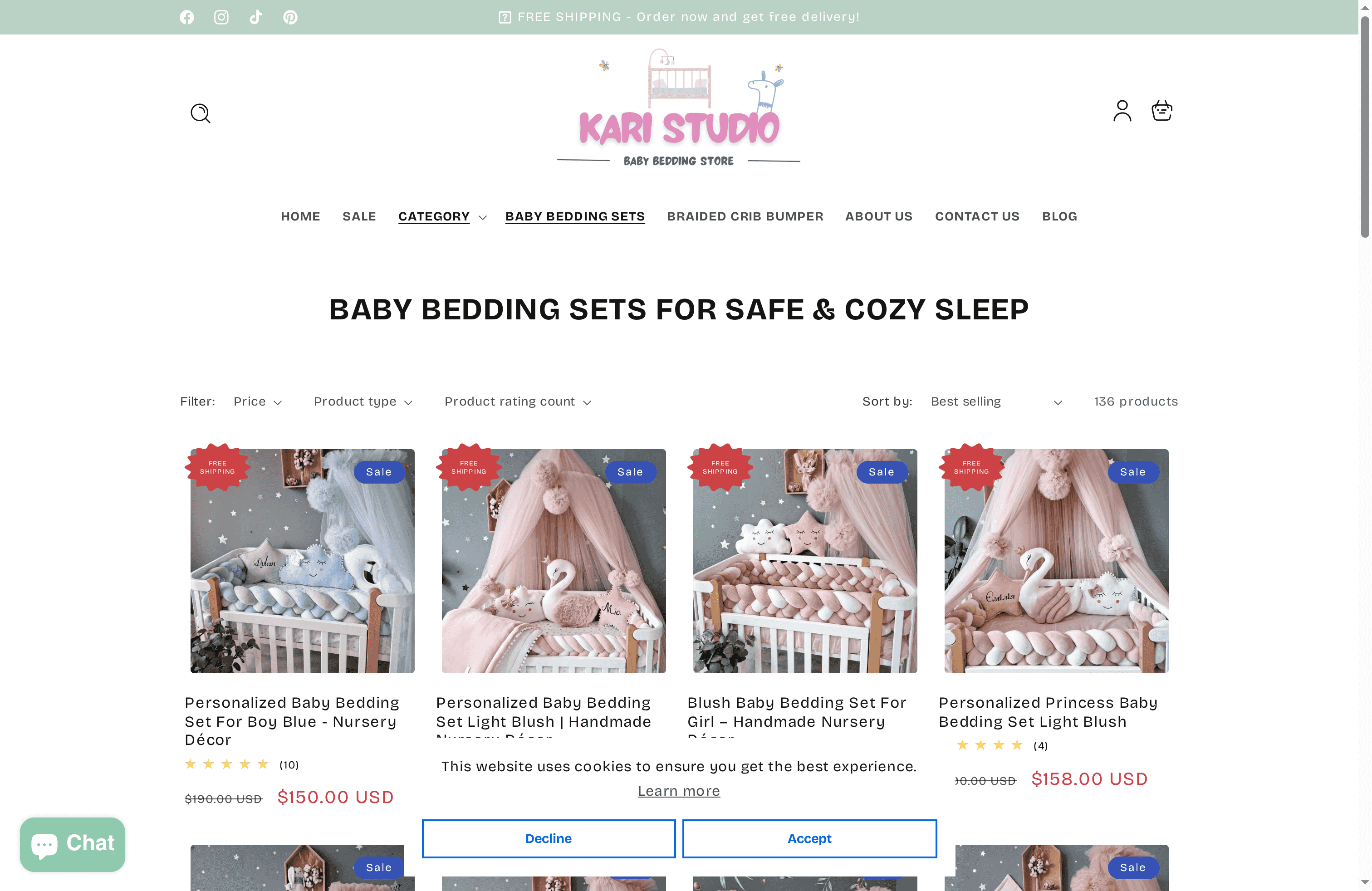
En Kari Studio, diseñamos artículos esenciales para la habitación que son tanto seguros como visualmente impresionantes. Nuestros juegos de ropa de cama orgánica para cuna están hechos de telas hipoalergénicas y suaves, diseñados para cumplir con los estándares de seguridad actuales. Cada pieza puede personalizarse con el nombre de su bebé o ajustarse a la paleta de colores de su habitación. Si tiene un presupuesto, explore nuestra ropa de cama en oferta para opciones de calidad a precios reducidos. El diseño con enfoque en la seguridad no tiene por qué ser costoso ni soso. Estamos aquí para ayudarle a construir una habitación que a su familia le encantará.
Preguntas frecuentes
¿Hay protectores seguros para las cunas en 2026?
No, ningún protector de cuna acolchado se considera seguro para bebés bajo la ley actual de EE. UU. y la política médica. Los protectores acolchados están prohibidos a nivel federal bajo la Ley de Sueño Seguro para Bebés de 2022.
¿Puedo usar mallas o protectores transpirables en su lugar?
No hay evidencia definitiva que pruebe que los protectores de malla o transpirables sean seguros, por lo que una cuna vacía sigue siendo la opción más segura. La política de la AAP recomienda mantener todos los objetos blandos, incluidos los protectores, fuera de la cuna para bebés de hasta 1 año.
¿Qué pasa si los brazos o piernas de mi bebé se quedan atrapados entre los barrotes?
Las cunas modernas están fabricadas con barrotes lo suficientemente juntos para prevenir lesiones graves, lo que hace que el atrapamiento sea muy raro sin protectores. Los espacios de 6 cm (2 3/8 pulgadas) o menos previenen atrapamientos por sí solos.
¿Deben retirarse los protectores cuando el bebé empieza a rodar?
Sí, los protectores se vuelven aún más riesgosos una vez que el bebé empieza a rodar y deben retirarse antes de ese hito, idealmente nunca usarlos. Rodar aumenta el riesgo de que el bebé presione su cara contra el protector y reinhale aire exhalado, lo que reduce la ingesta de oxígeno.
¿Puedo volver a colocar los protectores después del año de edad?
La mayoría de los expertos coincide en que no hay beneficio en reintroducir protectores después de un año. Para bebés mayores y activos, los protectores crean un soporte para escalar que aumenta el riesgo de caídas fuera de la cuna.