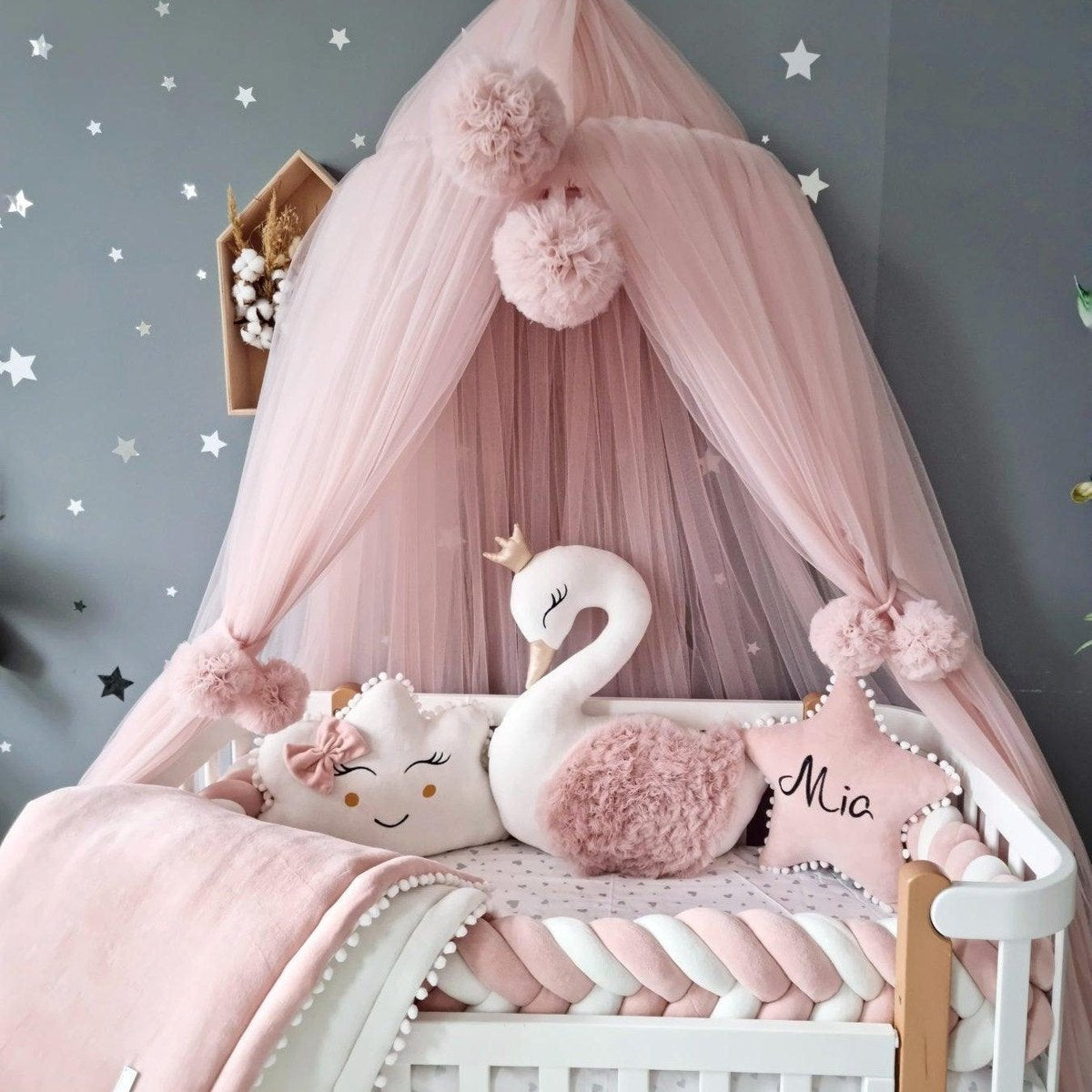
Many parents believe blankets are essential for keeping babies warm, but using loose blankets in an infant’s crib significantly increases the risk of Sudden Infant Death Syndrome (SIDS) due to suffocation hazards. Understanding the difference between crib bedding and blankets can save your baby’s life. This guide will help you make informed choices about nursery essentials, balancing safety with the style you envision for your little one’s sleep space.
Table of Contents
- Why Infant Sleep Safety Depends on Your Bedding Choice
- Understanding the Safety Hazards of Blankets in Cribs
- Benefits and Safety Features of Crib Bedding Sets
- Comparing Crib Bumpers, Bedding, and Blankets: Safety and Style Framework
- Safe Alternatives to Blankets for Keeping Your Baby Warm
- Practical Tips for Selecting and Styling Safe Crib Bedding
- Making the Best Choice for Your Nursery: Summary and Next Steps
- Explore Safe, Stylish Baby Bedding at Kari Studio
Key Takeaways
| Point | Details |
|---|---|
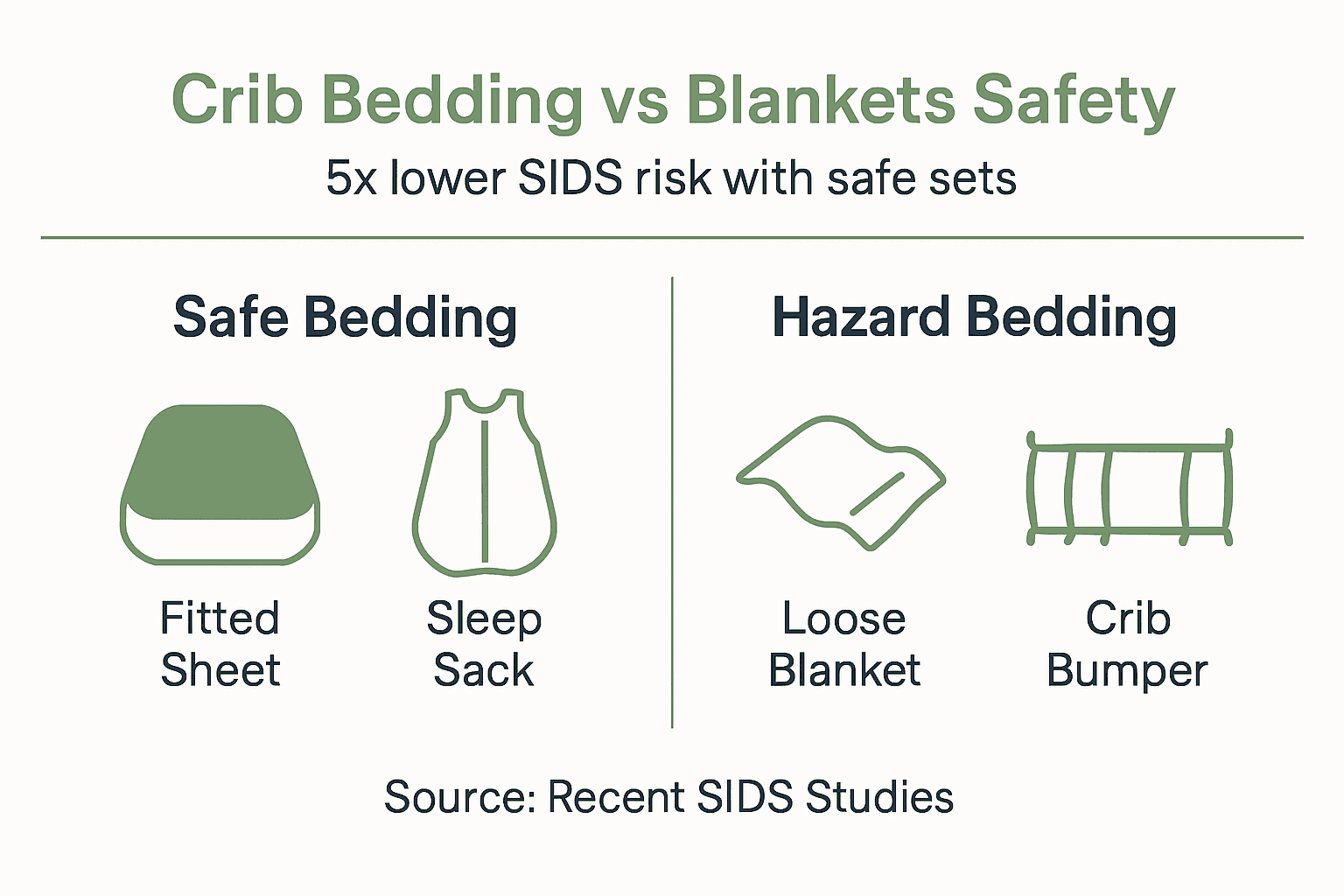
| Blanket Risk | Studies show a 5-fold increase in SIDS risk with loose bedding like blankets in cribs. |
| Expert Guidelines | The American Academy of Pediatrics (AAP) recommends against using any soft bedding including blankets, pillows, or crib bumpers in infants’ sleep environments to reduce SIDS risk. |
| Safer Options | Crib bedding sets with fitted sheets eliminate loose fabric dangers while allowing nursery personalization. |
| Warmth Alternatives | Sleep sacks and wearable blankets provide safe thermal regulation without suffocation hazards. |
| Personalization | Parents can safely customize crib linens and bedding to reflect their nursery style while maintaining safety standards. |
Why Infant Sleep Safety Depends on Your Bedding Choice
Infants face their highest vulnerability to SIDS during the first year of life. The choices you make about crib contents directly impact that risk. Loose bedding, particularly blankets, remains strongly linked to infant suffocation deaths.
Despite updated safety guidelines, the majority of parents still place blankets in cribs, unaware of the dangers. A 2026 survey revealed that 68% of new parents use blankets in their baby’s sleep space, often following outdated advice from older family members. This gap between current best practices and common habits creates unnecessary risk.
Recognizing authoritative guidelines like those from the AAP safe sleep guidelines is critical for prevention. These recommendations emerge from decades of research analyzing infant sleep deaths and identifying modifiable risk factors. When you understand why experts advise against blankets, you can make confident decisions about crib setup safety tips that protect your baby.
The single most effective way to reduce SIDS risk is creating a bare sleep surface with only a fitted sheet, keeping all loose items including blankets out of the crib.
Every item you add to your baby’s crib should pass a simple test: Does this create a suffocation or entrapment hazard? If the answer is yes or maybe, leave it out. Your baby’s life depends on these seemingly small choices about nursery setup and bedding selection.
Understanding the Safety Hazards of Blankets in Cribs
Blankets pose multiple lethal risks to sleeping infants. The soft fabric can easily cover a baby’s face, blocking airways and causing suffocation within minutes. Infants under six months lack the motor skills to push blankets away from their faces, leaving them defenseless against this threat.
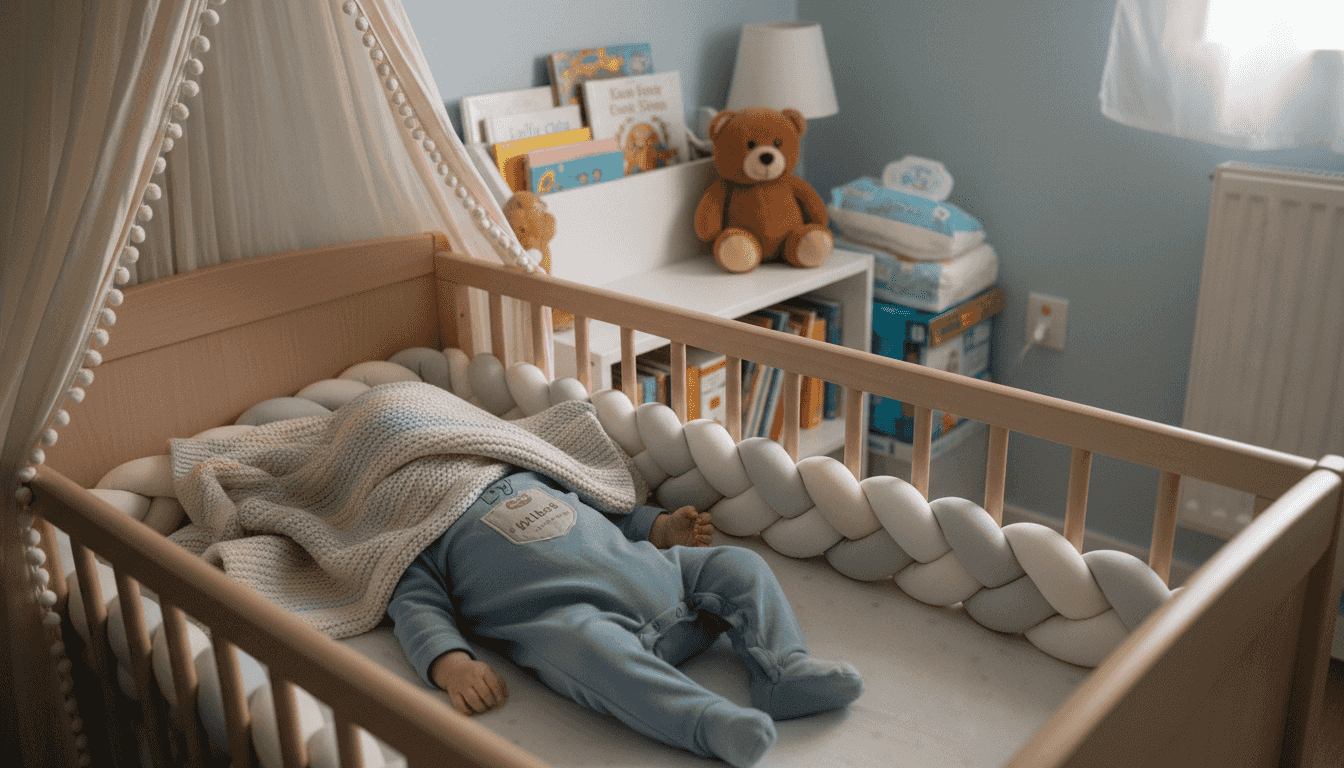
Loose fabric also increases entrapment risks. Babies can become tangled in blankets, restricting movement and breathing. Overheating presents another danger, as blankets trap body heat and raise core temperature beyond safe levels. Research links overheating to increased SIDS incidence, making temperature regulation crucial.
The AAP’s blanket safety data explicitly advises against any loose bedding in infant sleep spaces. This recommendation applies to all blankets, regardless of weight, material, or size. The guideline also extends to similar items that create comparable hazards, including crib bumpers safety laws and decorative pillows.
Real-world cases underscore these warnings:
- A 2025 Michigan case involved a four-month-old who suffocated under a lightweight cotton blanket during an afternoon nap
- Texas reported three infant deaths in 2024 linked directly to loose blankets in cribs
- Hospital emergency departments see hundreds of near-miss incidents annually involving blanket-related breathing obstruction
Critical Statistic: Infants sleeping with loose blankets face a 500% higher risk of SIDS compared to those in bare cribs with only fitted sheets.
These aren’t rare tragedies or freak accidents. They’re preventable deaths resulting from a common but dangerous practice. When you choose to skip blankets entirely, you eliminate an entire category of risk from your baby’s sleep environment.
Benefits and Safety Features of Crib Bedding Sets
Crib bedding sets solve the safety equation while maintaining comfort and style. Unlike loose blankets, quality bedding uses fitted sheets that hug the mattress securely, eliminating loose fabric that could cover your baby’s face or create entrapment hazards.
The materials matter enormously. Premium crib bedding essentials use breathable, hypoallergenic fabrics that prevent overheating and reduce skin irritation. Organic cotton and bamboo blends allow air circulation while wicking moisture away from your baby’s skin. These natural fibers regulate temperature effectively, keeping infants comfortable without the risks associated with blankets.
Safe crib bedding designs align with AAP guidelines by focusing on fitted components:
- Elasticized fitted sheets that stay taut against the mattress
- Breathable fabric weaves that prevent heat buildup
- Chemical-free materials tested for baby-safe certifications
- Snug fits that eliminate gaps where babies could become wedged
Parents can customize these safe crib bedding materials to reflect their nursery vision without compromising safety. Embroidered names, color coordination with room decor, and pattern selection all remain possible within safety parameters. You’re not sacrificing style for security; you’re choosing products engineered to deliver both.
Pro Tip: Select crib sheets labeled as certified organic and Oeko-Tex Standard 100 approved. These certifications guarantee the fabric contains no harmful chemicals and meets strict safety standards for infant products.
The investment in quality crib bedding pays dividends in peace of mind. When you know your baby sleeps on a surface designed specifically for infant safety, you rest easier too. That confidence matters during those exhausting early months when every decision feels overwhelming.
Comparing Crib Bumpers, Bedding, and Blankets: Safety and Style Framework
Understanding how different crib items stack up helps you make informed choices. This comparison table breaks down the critical differences:
| Feature | Crib Bumpers | Crib Bedding Sets | Loose Blankets |
|---|---|---|---|
| Suffocation Risk | High: fabric can press against face | Minimal: fitted sheets stay flat | Very High: can cover airways |
| Entrapment Hazard | High: babies can become wedged | None: no gaps created | Moderate: tangling possible |
| AAP Recommendation | Not recommended | Recommended (fitted sheets only) | Explicitly prohibited |
| Overheating Risk | Moderate: blocks airflow | Low: breathable materials | High: traps body heat |
| Style Options | Limited due to safety concerns | Extensive: patterns, colors, personalization | Varies but safety prohibits use |
| Ease of Use | Requires installation and removal | Simple: wash and replace | Easy but unsafe |
This data reveals a clear winner. Crib bedding sets provide the safety profile experts recommend while offering the aesthetic flexibility parents want. The crib bumpers safety comparison shows similar risks to blankets, leading many states to ban their sale entirely.
The crib bumper safety history traces decades of infant deaths attributed to these products, prompting regulatory action. Meanwhile, official safety recommendations consistently emphasize bare cribs with fitted sheets as the gold standard.
Key decision factors:
- Prioritize fitted sheets over any loose bedding items
- Avoid products marketed as decorative that add no safety value
- Choose breathable materials tested for infant use
- Skip items requiring installation or creating additional surfaces in the crib
When comparison shopping, focus on what items do rather than how they look. A beautiful bumper that increases suffocation risk serves no parent’s actual needs. Plain fitted sheets in organic cotton outperform any decorative but dangerous alternative.
Safe Alternatives to Blankets for Keeping Your Baby Warm
Your baby needs warmth without the hazards blankets create. Sleep sacks and wearable blankets solve this challenge perfectly. These garments slip over your baby’s pajamas, providing insulation without loose fabric in the crib.
Sleep sacks function like sleeping bags designed specifically for infants. The baby’s arms remain free or inside arm holes depending on the design, while the body stays enclosed in a fabric pouch. This construction prevents the sack from riding up over the face, eliminating suffocation risk. The zipper or snaps at the bottom allow easy diaper changes without full removal.
Wearable blankets offer similar protection with slight design variations. Both options reduce overheating because manufacturers engineer them with appropriate TOG ratings indicating thermal resistance. You can select the right warmth level for your nursery temperature, ensuring your baby stays comfortable without excessive heat buildup.
Here’s how to use these alternatives effectively:
- Measure your baby and select the correct size, ensuring the neck and arm openings fit snugly without being tight
- Choose a TOG rating appropriate for room temperature: 0.5 TOG for summer, 2.5 TOG for winter, 1.0 TOG for moderate climates
- Dress your baby in light layers under the sleep sack, typically just a onesie or lightweight pajamas
- Check that the sack doesn’t bunch up around the face and maintains proper length
- Replace with larger sizes as your baby grows to maintain the snug fit that prevents fabric migration
Pro Tip: Keep room temperature between 68-72°F and use the “feel the back of the neck” test to ensure your baby isn’t too hot. If the neck feels sweaty or very warm, remove a clothing layer or switch to a lighter TOG sleep sack.
These products integrate seamlessly into bedtime routines. Many parents find sleep sacks actually help babies sleep better because the gentle pressure provides comfort similar to swaddling for older infants. You can explore choosing safe bedding and alternatives for more guidance on temperature regulation and product selection.
Practical Tips for Selecting and Styling Safe Crib Bedding
Choosing the right crib bedding requires attention to both safety and aesthetics. Start with fabric selection, prioritizing materials that support infant health. Organic cotton leads the category for its softness, breathability, and lack of chemical treatments. Bamboo fabric offers similar benefits with enhanced moisture-wicking properties, ideal for babies who perspire heavily during sleep.
Your material checklist:
- Certified organic to avoid pesticide residues and chemical finishes
- Oeko-Tex Standard 100 approval confirming no harmful substances
- Tightly woven but breathable construction for durability and air circulation
- Pre-shrunk to maintain proper fit after washing
- Colorfast dyes that won’t bleed or fade with repeated laundering
Fitted sheets remain the only bedding item needed in your baby’s crib. Purchase at least three sets to maintain clean sheets between wash cycles. The elastic should grip the mattress firmly with no loose corners or slack fabric. Test the fit by tugging each corner; if you can pull the sheet free easily, it’s not secure enough.
Safe personalization enhances your nursery’s look without compromising security. Embroidered names or initials on fitted sheets add custom touches while maintaining the flat, tight surface babies need. Color coordination with your nursery theme creates visual harmony. You’ll find extensive options in top tips for crib bedding selection that maintain safety standards.
Pro Tip: Wash all crib bedding in fragrance-free, dye-free detergent before first use. This removes any manufacturing residues and softens the fabric. Avoid fabric softeners, which can coat fibers and reduce breathability.
Regular safety checks ensure your crib setup remains secure. Inspect sheets weekly for wear, tears, or loosening elastic. Replace immediately if you notice any degradation. Review your entire crib monthly, confirming the mattress stays firm, the sheet fits snugly, and no items have been added that could create hazards.
The modern safety standards for baby bedding continue evolving as research reveals new insights. Stay informed about updates, and don’t hesitate to replace products if new guidelines suggest changes. You can explore custom crib bedding design options that meet current safety requirements while reflecting your personal style.
Making the Best Choice for Your Nursery: Summary and Next Steps
The evidence is clear: loose blankets significantly raise SIDS risk and have no place in infant cribs. Safe crib bedding sets provide breathable, hypoallergenic comfort without the dangers associated with traditional blankets. Fitted sheets create the secure sleep surface experts recommend, while sleep sacks and wearable blankets offer effective warmth alternatives.
Your action plan starts with removing all loose items from your baby’s crib today. Keep only a firm mattress covered with a properly fitted sheet. Add a sleep sack appropriate for room temperature when extra warmth is needed. This simple setup aligns with expert sleep safety standards and dramatically reduces preventable risks.
Adherence to these guidelines offers peace of mind worth far more than any decorative nursery element. You’re not being overprotective or paranoid when you follow evidence-based recommendations. You’re being a thoughtful parent who prioritizes your baby’s wellbeing over aesthetics or tradition.
Confidence comes from knowledge. Now that you understand why blankets pose dangers and what alternatives work better, you can make decisions that protect your baby while creating the nursery you envision. Share this information with family members who might offer outdated advice, and trust the science that has saved countless infant lives over the past two decades.
Explore Safe, Stylish Baby Bedding at Kari Studio
Ready to outfit your nursery with bedding that meets the highest safety standards? Kari Studio specializes in organic personalized crib bedding sets crafted from hypoallergenic materials that support healthy infant sleep. Each piece combines safety engineering with beautiful design, giving you confidence and style in equal measure.
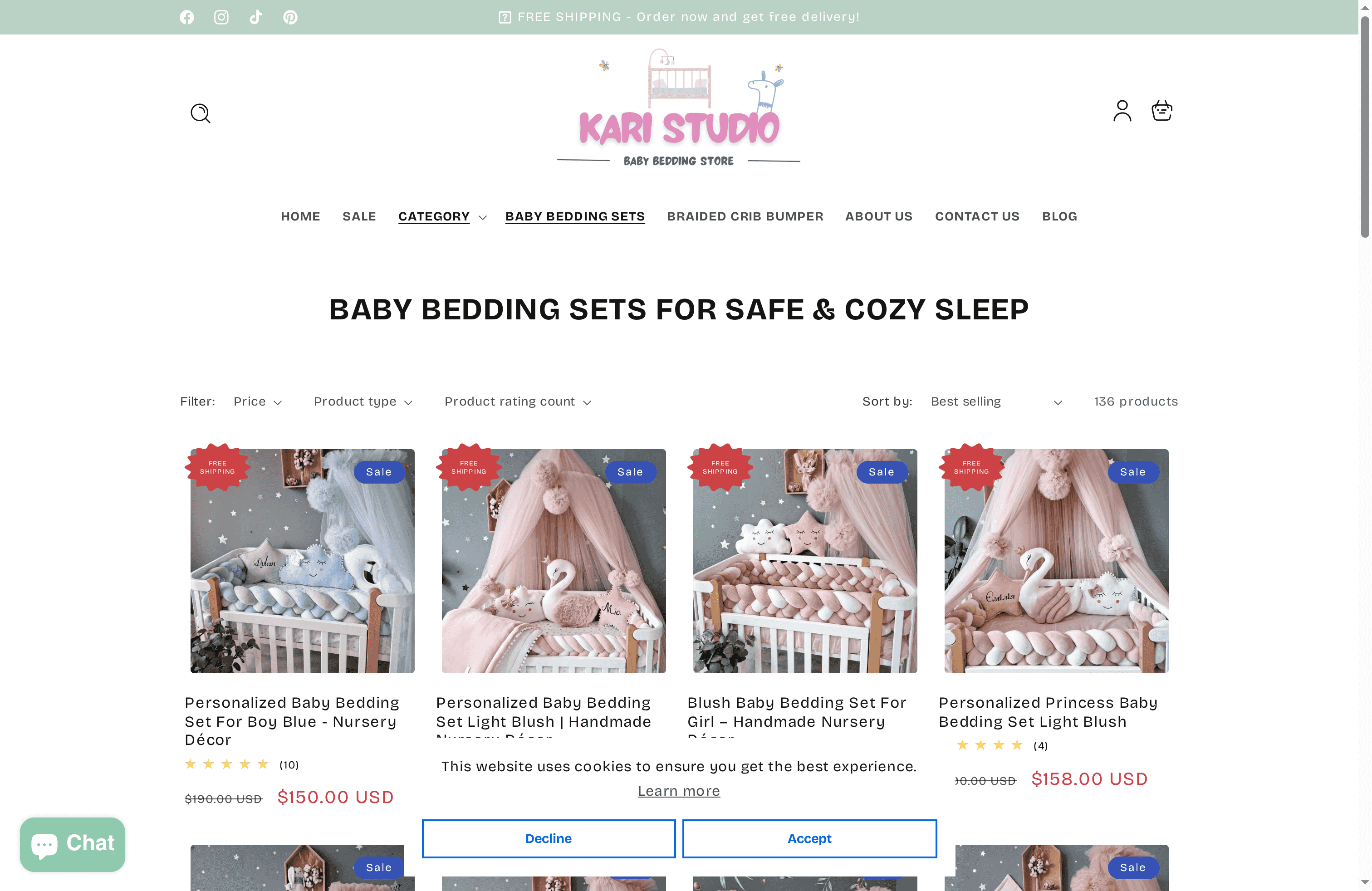
Our family-owned brand understands what matters to parents because we’re parents too. We create every item with your baby’s safety as the primary design criteria, then add the customization options that make your nursery uniquely yours. From embroidered names to color coordination, you can personalize without compromising the secure sleep surface your baby needs. Explore our collection of fitted sheets, sleep sacks, and coordinating accessories, all adhering to current safety guidelines. Check out our crib bedding selection tips for guidance, and browse the crib bedding sale for current promotions on premium nursery essentials.
Frequently Asked Questions
Why are blankets dangerous in infant cribs?
Blankets can cover a baby’s face and block airways, causing suffocation. Infants lack the motor skills to push fabric away from their faces, making loose blankets a leading cause of sleep-related infant deaths.
What materials are safest for crib bedding?
Organic cotton and bamboo fabrics offer the best combination of breathability, hypoallergenic properties, and durability. Look for Oeko-Tex Standard 100 certification confirming no harmful chemicals in the material.
Can I safely use crib bumpers?
No, crib bumpers pose suffocation and entrapment risks similar to blankets. The AAP recommends against all soft bedding including bumpers, and many states have banned their sale due to documented infant deaths.
What alternatives keep babies warm safely?
Sleep sacks and wearable blankets provide warmth without loose fabric hazards. Select the appropriate TOG rating for your nursery temperature and ensure proper sizing for safety.
How can I personalize crib bedding safely?
Choose fitted sheets with embroidered names or coordinated colors that maintain a flat, secure surface. Avoid adding decorative items like pillows or loose fabric that create hazards.
When can my baby use a blanket?
Experts recommend waiting until at least 12 months before introducing blankets, when babies have better motor control. Even then, use lightweight blankets and continue monitoring sleep safety.
Recommended
- Crib Bedding Materials Explained: Safe, Soft Choices
- Crib Setup Mistakes to Avoid for a Safe Baby Nursery
- What Is SIDS and Safe Sleep Practices
- How Modern Safety Standards Influence the Choice of Baby Bedding and Accessories - kari-studio.com
- Babypal - Luiers - 5-9 kg - 18 stuks - Midi - Maat: 3 - Kooistra.com - Opkoper en verkoper restpartijen
- Sicher und entspannt bei Hitze schlafen: Natürliche Lösungen – Kühlkern UG (Haftungsbeschränkt)