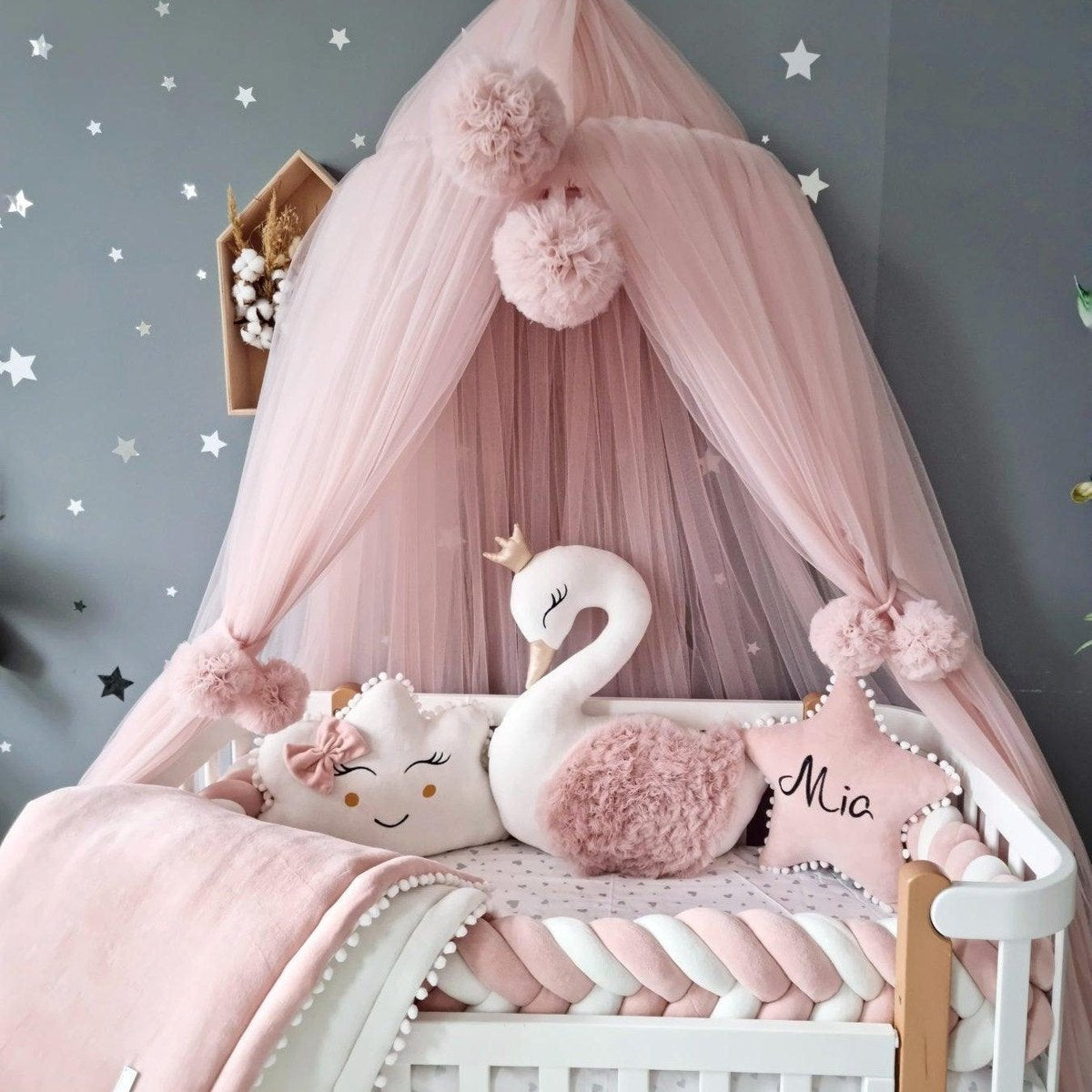
Muchos padres creen que ningún protector de cuna es seguro, pero los protectores de cuna de malla transpirable reducen significativamente los riesgos de asfixia en comparación con las versiones acolchadas tradicionales. Los protectores de cuna amortiguan los golpes de los bebés contra los barrotes duros, sin embargo, las preocupaciones históricas de seguridad en torno a la asfixia y el atrapamiento han provocado un debate. Hoy en día, los diseños transpirables ofrecen alternativas más seguras que equilibran la comodidad con la reducción de riesgos, brindando a los padres opciones que se alinean con los estándares de seguridad modernos mientras mejoran el entorno de la habitación del bebé.
Tabla de contenidos
- Introducción a los protectores de cuna y preocupaciones de seguridad
- Materiales y seguridad de los protectores de cuna transpirables
- Directrices de seguridad y recomendaciones de expertos
- Comparación de tipos de protectores de cuna transpirables
- Ideas erróneas comunes y educación en seguridad
- Experiencias de los usuarios y consejos prácticos
- Conclusión y próximos pasos para una habitación segura
- Encuentra protectores de cuna transpirables seguros para tu habitación
Puntos clave
| Punto | Detalles |
|---|---|
| Los protectores transpirables reducen los riesgos de asfixia | Los diseños de malla y trenzados proporcionan un mejor flujo de aire que los protectores acolchados tradicionales, disminuyendo los peligros de sobrecalentamiento y obstrucción respiratoria. |
| La elección del material es importante para la seguridad | El algodón orgánico, la malla y la tecnología de malla 3D ofrecen opciones hipoalergénicas y transpirables que favorecen la salud de la piel del bebé y la regulación de la temperatura. |
| La orientación de los expertos recomienda precaución | La AAP y la CPSC aconsejan evitar los protectores en general, pero reconocen que los tipos transpirables presentan menores riesgos que las versiones acolchadas. |
| Diferentes estilos transpirables cubren diversas necesidades | Los protectores de malla, trenzados y de malla 3D ofrecen beneficios únicos de flujo de aire y amortiguación adaptados a diferentes configuraciones de cuna. |
| La instalación adecuada es crítica | Un ajuste seguro y sin huecos evita el atrapamiento y maximiza los beneficios de seguridad de los diseños de protectores transpirables. |
Introducción a los protectores de cuna y preocupaciones de seguridad
Los protectores de cuna sirven como acolchado entre los bebés y los barrotes duros, diseñados originalmente para evitar golpes en la cabeza y que las extremidades queden atrapadas. Los protectores acolchados tradicionales, a menudo rellenos con espuma gruesa o guata, recubren el perímetro de la cuna para crear una barrera suave. Los padres los han utilizado durante décadas para mejorar la estética de la habitación y proporcionar una percepción de confort.
Sin embargo, con el tiempo han surgido riesgos de seguridad relacionados con los protectores de cuna acolchados. La asfixia ocurre cuando los bebés presionan sus rostros contra el acolchado grueso, restringiendo el flujo de aire. El atrapamiento ocurre cuando los bebés quedan encajados entre los protectores y el colchón o los barrotes. El sobrecalentamiento resulta de una circulación de aire reducida alrededor de los bebés que duermen. Estos peligros provocaron respuestas regulatorias y de seguridad pública, incluidas prohibiciones en varias jurisdicciones y advertencias de expertos en pediatría.
Las principales preocupaciones de seguridad con los protectores tradicionales incluyen:
- Asfixia por el acolchado grueso que bloquea las vías respiratorias nasales y orales
- Atrapamiento entre el protector y el armazón de la cuna, creando riesgos de compresión
- Sobrecalentamiento debido a los efectos de aislamiento que reducen la regulación de la temperatura
- Estrangulamiento por lazos o accesorios sueltos
Estos riesgos estimularon la innovación en productos para bebés, lo que llevó a los fabricantes a desarrollar protectores de cuna transpirables. Estos diseños más nuevos utilizan malla, telas trenzadas o materiales especializados que mantienen el flujo de aire mientras proporcionan amortiguación. El cambio representa una respuesta a la demanda de los padres de seguridad y comodidad, creando opciones que abordan las preocupaciones históricas mientras cumplen con el propósito protector original de los protectores.
Materiales y seguridad de los protectores de cuna transpirables
Los protectores de cuna transpirables utilizan materiales diseñados específicamente para reducir los riesgos de asfixia y sobrecalentamiento. Las telas de malla cuentan con tejidos abiertos que permiten el paso continuo del aire incluso cuando se presionan contra la cara del bebé. El algodón orgánico ofrece transpirabilidad natural y propiedades respetuosas con la piel sin tratamientos químicos. La tecnología de malla 3D crea canales de aire estructurados que mantienen la ventilación bajo presión.
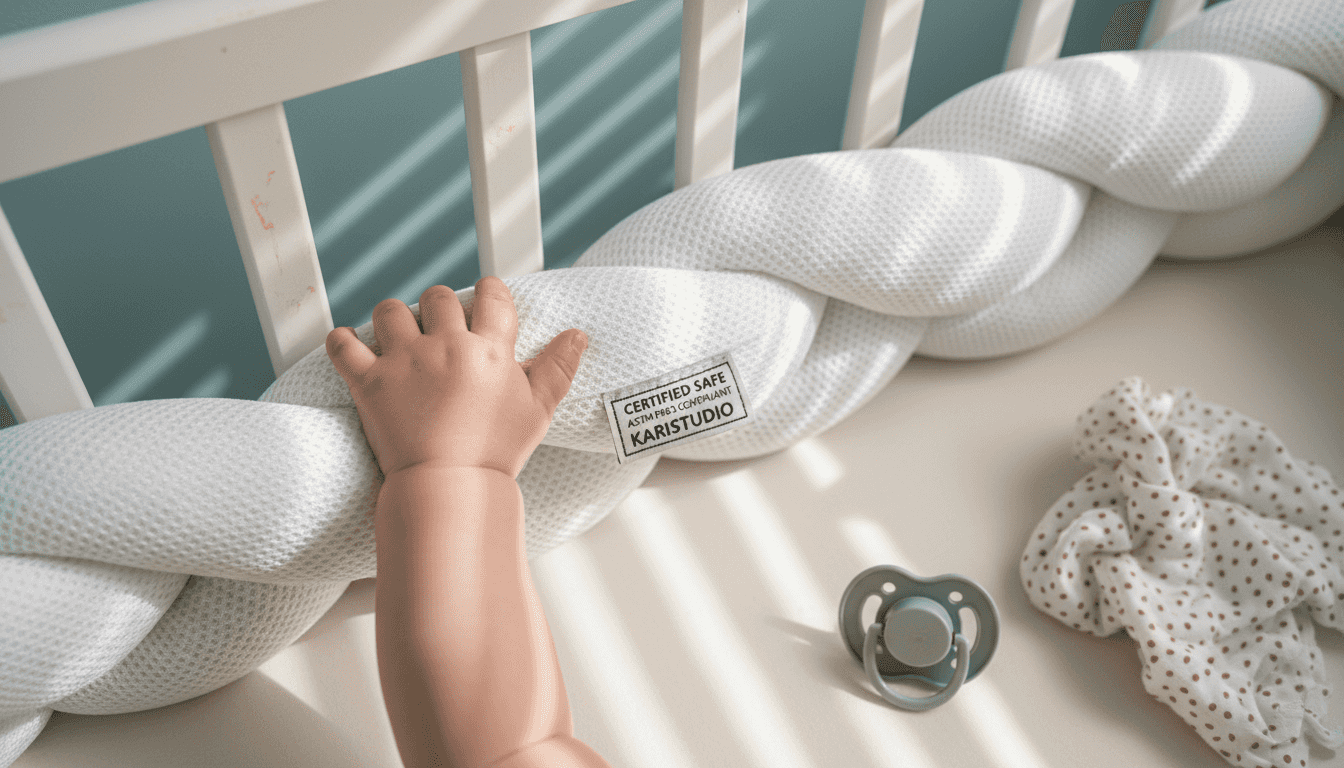
Estos materiales abordan directamente los peligros principales de los protectores tradicionales. Las telas de tejido abierto previenen la obstrucción de las vías respiratorias al permitir el flujo de oxígeno independientemente de la posición del bebé. La construcción fina y ligera reduce la retención de calor, ayudando a los bebés a mantener temperaturas corporales seguras durante el sueño. La naturaleza transpirable de estas telas significa que los bebés pueden respirar a través del material si se giran contra él, a diferencia de los protectores acolchados densos que bloquean el aire por completo.
Los materiales transpirables comunes incluyen:
- Tela de malla con aberturas grandes y constantes para un flujo de aire máximo
- Tejidos de algodón orgánico que equilibran la suavidad con la ventilación
- Tecnología de malla 3D con patrones elevados que crean bolsas de aire
- Diseños trenzados que usan fibras transpirables en configuraciones abiertas
Las propiedades hipoalergénicas benefician a los bebés con piel sensible o alergias. Las fibras naturales como el algodón orgánico evitan tintes fuertes y acabados químicos que pueden irritar la piel delicada. Los materiales de malla generalmente usan sintéticos de grado médico probados para la seguridad de la piel. Estas opciones reducen los riesgos de erupciones e irritación respiratoria en comparación con los protectores acolchados convencionales con tratamientos de tela desconocidos.
Las ventajas de limpieza y mantenimiento favorecen la transpirabilidad e higiene continuas. Los protectores transpirables de malla y algodón suelen lavarse a máquina fácilmente, permitiendo una desinfección regular. Las propiedades de secado rápido previenen la acumulación de humedad que podría albergar moho o bacterias. Los padres pueden mantener una higiene óptima sin comprometer la capacidad de ventilación del protector.
Consejo profesional: Elige protectores certificados bajo Oeko-Tex Standard 100, lo que garantiza que las telas han sido probadas contra sustancias nocivas y son seguras para el contacto con la piel del bebé.
Comprender la seguridad de los protectores de malla en EE. UU. ayuda a los padres a navegar por las opciones de productos con confianza. Las prácticas de sueño seguro de la AAP brindan contexto adicional para tomar decisiones informadas sobre la habitación.
Directrices de seguridad y recomendaciones de expertos
La Academia Estadounidense de Pediatría (AAP), la Comisión de Seguridad de Productos del Consumidor (CPSC) y el Consejo Nacional de Seguridad mantienen posiciones cautelosas sobre los protectores de cuna. La AAP recomienda superficies de sueño vacías sin protectores, almohadas o ropa de cama suelta para minimizar los riesgos del síndrome de muerte súbita del lactante (SMSL). La CPSC ha documentado incidentes que involucran protectores acolchados tradicionales, lo que ha llevado a advertencias de seguridad y estándares voluntarios. Estas organizaciones priorizan la eliminación de posibles peligros en los entornos de sueño del bebé.
Los protectores acolchados tradicionales plantean riesgos documentados que han influido en estas posiciones. Las muertes por asfixia ocurren cuando los bebés no pueden alejarse del acolchado grueso que bloquea sus vías respiratorias. Las lesiones por atrapamiento ocurren cuando los bebés quedan encajados en huecos creados por el desplazamiento del protector. Los datos recopilados durante décadas muestran que estos incidentes se correlacionan con el uso de protectores acolchados, lo que provoca recomendaciones de expertos en su contra.
Principales preocupaciones de seguridad de los organismos autorizados:
- La AAP aboga por cunas completamente vacías con colchones firmes y solo sábanas ajustables
- La CPSC informa que los protectores acolchados están vinculados a muertes y lesiones infantiles
- El Consejo Nacional de Seguridad enfatiza eliminar toda la ropa de cama suave de los espacios para dormir
- Los expertos señalan que los protectores transpirables presentan perfiles de riesgo más bajos que las versiones acolchadas
La investigación demuestra que los protectores de malla transpirable han reducido las muertes relacionadas con los protectores de cuna en un 35% en entornos controlados. Estos datos sugieren que las mejoras en el material y el diseño pueden mitigar algunos peligros de los protectores tradicionales. Sin embargo, los expertos aún recomiendan precaución, señalando que cualquier protector introduce cierto nivel de riesgo en comparación con las superficies de cuna vacías.
Aunque los protectores transpirables reducen los riesgos de asfixia en comparación con las versiones acolchadas, el entorno de sueño más seguro sigue siendo una cuna vacía con un colchón firme y una sábana ajustable. Los padres que elijan protectores deben seleccionar opciones transpirables y supervisar la instalación regularmente.
El consejo de expertos para los padres que deciden usar protectores enfatiza la vigilancia. Asegúrese de que los protectores se ajusten de forma segura sin huecos donde los bebés puedan quedar atrapados. Retire los protectores una vez que los bebés puedan ponerse de pie, ya que pueden usarlos como ayuda para trepar. Inspeccione regularmente los puntos de sujeción y la integridad de la tela para mantener los estándares de seguridad.
Comprender cuándo es seguro usar protectores de cuna y por qué están prohibidos en algunas áreas proporciona un contexto crucial. Las pautas de sueño seguro de la AAP ofrecen recomendaciones integrales para reducir las muertes infantiles relacionadas con el sueño.
Comparación de tipos de protectores de cuna transpirables
Los protectores de cuna transpirables vienen en tres estilos principales, cada uno con características distintas de seguridad y comodidad. Los protectores de malla utilizan telas sintéticas con perforaciones uniformes para un flujo de aire constante. Los protectores trenzados cuentan con tubos suaves entrelazados que crean espacios entre las hebras. Los protectores de malla 3D emplean telas diseñadas con estructuras elevadas que mantienen canales de aire incluso bajo compresión.
Las diferencias en el flujo de aire y la ventilación impactan significativamente en los perfiles de seguridad. Los protectores de malla proporcionan el máximo paso de aire con aberturas grandes y constantes en todo el material. Los diseños trenzados permiten que el aire circule entre las trenzas individuales mientras ofrecen una amortiguación más suave. La tecnología de malla 3D mantiene la ventilación a través de bolsas de aire estructuradas que resisten el colapso cuando se presionan.
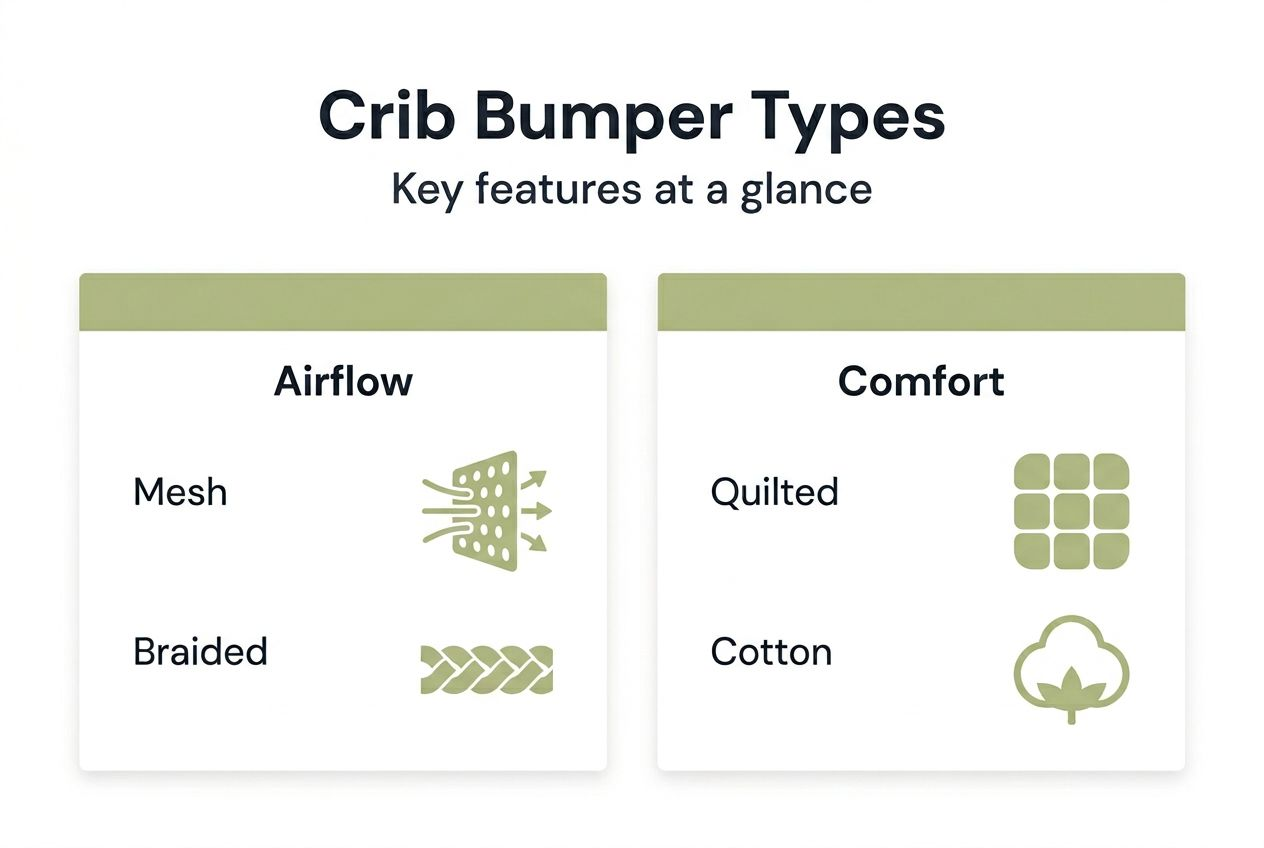
La absorción de presión varía según los tipos de protectores, lo que afecta la comodidad y la protección contra impactos. Los protectores transpirables trenzados mejoran la distribución de la presión en un 25% y el flujo de aire en un 70% frente a los protectores acolchados. Esta combinación proporciona una amortiguación suave contra los barrotes duros mientras mantiene una excelente ventilación. Los protectores de malla ofrecen una amortiguación mínima pero una transpirabilidad máxima. La malla 3D equilibra el acolchado moderado con un mantenimiento de flujo de aire fuerte.
| Tipo de protector | Flujo de aire | Amortiguación | Instalación | Mejor para |
|---|---|---|---|---|
| Malla | Excelente | Mínima | Lazos simples | Prioridad de máxima transpirabilidad |
| Trenzado | Muy buena | Moderada | Envolvente | Equilibrar comodidad y flujo de aire |
| Malla 3D | Excelente | Ligera | Velcro/lazos | Necesidades de ventilación estructurada |
| Acolchado (tradicional) | Pobre | Alta | Lazos | No recomendado por seguridad |
Los pros y los contras ayudan a los padres a elegir las opciones adecuadas. Los protectores de malla destacan en transpirabilidad pero ofrecen poca absorción de impactos. Los protectores trenzados ofrecen atractivo estético y protección equilibrada, pero pueden ser más costosos. La malla 3D ofrece tecnología de ventilación avanzada con precios moderados. Los protectores acolchados tradicionales deben evitarse debido a los riesgos de seguridad documentados.
Explorar cómo elegir el mejor protector de cuna y revisar los datos de comparación de tipos de protectores respalda una selección informada.
Ideas erróneas comunes y educación en seguridad
Muchos padres creen erróneamente que todos los protectores de cuna conllevan riesgos de seguridad idénticos. Esta idea errónea ignora las diferencias significativas entre los protectores acolchados tradicionales y los modernos diseños transpirables. Los protectores transpirables que utilizan malla o construcción trenzada reducen los peligros de asfixia a través de un mejor flujo de aire, a diferencia de las versiones acolchadas gruesas que bloquean el paso del aire por completo. Entender estas distinciones ayuda a los padres a tomar decisiones basadas en evidencia en lugar de evitar todos los protectores basándose en información desactualizada.
Clarificar las pautas de seguridad de los expertos evita la confusión sobre los riesgos de los protectores transpirables. Aunque la AAP recomienda cunas vacías como la opción más segura, sus pautas se dirigen principalmente a los protectores acolchados tradicionales vinculados a muertes. Los protectores transpirables representan una categoría de riesgo diferente con un potencial de asfixia menor. Los padres deben reconocer que elegir opciones transpirables sobre las acolchadas reduce significativamente los peligros, incluso si persiste cierto riesgo en comparación con no usar protectores en absoluto.
Mitos comunes sobre los protectores de cuna:
- Mito: Todos los protectores causan el mismo riesgo de asfixia. Realidad: Los diseños transpirables permiten el paso de aire que los protectores acolchados bloquean.
- Mito: Las recomendaciones de los expertos se aplican por igual a todos los tipos de protectores. Realidad: Las directrices se centran en los protectores acolchados tradicionales con muertes documentadas.
- Mito: Los protectores son necesarios para la seguridad del bebé. Realidad: Los bebés rara vez se lesionan con los barrotes; los protectores sirven principalmente para la comodidad.
- Mito: La instalación no afecta la seguridad. Realidad: El ajuste adecuado evita el atrapamiento y maximiza los beneficios de los protectores transpirables.
Malinterpretar los requisitos de instalación conduce a peligros prevenibles. Los huecos entre los protectores y los colchones crean zonas de atrapamiento donde los bebés pueden quedar encajados. Los lazos sueltos o las fijaciones inseguras permiten que los protectores se desplacen, pudiendo cubrir la cara del bebé. Los padres deben seguir las instrucciones del fabricante con precisión y revisar regularmente la posición del protector para mantener la seguridad.
Consejo profesional: Retire los protectores transpirables una vez que su bebé pueda ponerse de pie, generalmente alrededor de los 8 a 10 meses, ya que pueden usarlos para trepar fuera de la cuna.
Aprender sobre los elementos esenciales de seguridad de los protectores de cuna faculta a los padres para separar los hechos de la ficción e implementar las mejores prácticas.
Experiencias de los usuarios y consejos prácticos
Seleccionar e instalar protectores de cuna transpirables requiere una atención cuidadosa a los detalles de seguridad y a las necesidades específicas de la habitación. Seguir pasos sistemáticos garantiza que maximice los beneficios de seguridad mientras aborda los requisitos de comodidad de su bebé.
-
Evalúe la configuración del sueño en su habitación y determine si los protectores responden a una necesidad genuina. Observe si su bebé choca frecuentemente contra los barrotes o si sus extremidades quedan atrapadas, creando una incomodidad que interrumpe el sueño.
-
Seleccione protectores transpirables priorizando el flujo de aire y el ajuste. Elija diseños de malla, trenzados o de malla 3D explícitamente comercializados como transpirables. Verifique que las dimensiones del protector coincidan exactamente con su modelo de cuna para evitar huecos.
-
Evalúe la seguridad del material y las propiedades hipoalergénicas. Busque algodón orgánico o telas certificadas no tóxicas libres de químicos fuertes. Verifique las certificaciones de seguridad Oeko-Tex o similares que confirmen materiales seguros para bebés.
-
Instale los protectores siguiendo las instrucciones del fabricante con precisión. Asegure todos los lazos o accesorios firmemente para evitar desplazamientos. Asegúrese de que no existan huecos entre el protector y el colchón o el armazón de la cuna donde pueda ocurrir un atrapamiento.
-
Inspeccione la instalación regularmente, revisando si hay lazos sueltos o secciones desplazadas. Los bebés se mueven activamente durante el sueño, lo que puede desplazar los protectores de sus posiciones originales.
-
Limpie los protectores según las instrucciones de cuidado para mantener la transpirabilidad. La mayoría de los protectores de malla y algodón se lavan a máquina fácilmente, permitiendo una desinfección frecuente que preserva las propiedades de flujo de aire.
-
Monitoree la comodidad de su bebé y ajústelo según sea necesario. Esté atento a signos de sobrecalentamiento, incomodidad o patrones de sueño inusuales que puedan indicar problemas con el protector.
-
Retire los protectores rápidamente cuando su bebé muestre comportamientos de trepar o se ponga de pie. Los protectores se convierten en ayudas para trepar alrededor de los 8 a 10 meses, creando riesgos de caída que superan los beneficios protectores.
Recursos adicionales sobre la selección de protectores de cuna seguros y consejos de compra de seguridad para protectores de cuna proporcionan una guía detallada para tomar decisiones de compra con confianza.
Conclusión y próximos pasos para una habitación segura
Los protectores de cuna transpirables representan una mejora de seguridad significativa sobre las versiones acolchadas tradicionales, ofreciendo un flujo de aire mejorado que reduce los riesgos de asfixia y sobrecalentamiento. Los padres que buscan soluciones de comodidad para sus bebés pueden elegir opciones transpirables con mayor confianza, sabiendo que estos diseños abordan los peligros primarios asociados con los protectores convencionales. Las innovaciones de materiales en tecnologías de malla, trenzado y malla 3D brindan opciones que equilibran la protección con la ventilación.
Cumplir con las directrices oficiales de sueño seguro sigue siendo primordial, independientemente de la elección de protectores de cuna. El entorno de sueño más seguro es una cuna despejada con un colchón firme y una sábana bajera, minimizando todos los riesgos potenciales. Los padres que decidan que los protectores cumplen con las necesidades de su guardería deben seleccionar tipos transpirables, instalarlos correctamente y supervisar su seguridad regularmente.
Pasos clave para una configuración segura de la cuna:
- Priorice materiales transpirables para protectores con propiedades de flujo de aire comprobadas
- Siga las recomendaciones de sueño seguro de la AAP como base
- Instale los protectores de forma segura sin espacios donde el bebé pueda quedar atrapado
- Retire los protectores cuando comiencen los comportamientos de trepado
- Inspeccione y mantenga regularmente el estado y la colocación del protector
La supervisión constante y la elección consciente de productos crean el entorno de sueño más seguro posible. Manténgase informado sobre la investigación de seguridad en constante evolución y ajuste la configuración de la cuna a medida que su bebé crece y desarrolla nuevas habilidades. Un enfoque equilibrado considera tanto los datos de seguridad como las necesidades específicas de su familia, permitiéndole tomar decisiones seguras que protejan a su bebé mientras favorecen un sueño reparador.
Encuentre protectores de cuna transpirables y seguros para su bebé
Crear una habitación segura comienza con la elección de productos diseñados para el bienestar del bebé. Kari Studio ofrece protectores de cuna transpirables hechos a mano con materiales hipoalergénicos que priorizan el flujo de aire y la comodidad. Nuestros diseños trenzados proporcionan una amortiguación suave mientras mantienen una ventilación excelente, abordando las preocupaciones de seguridad que enfrentan los padres al seleccionar protectores.
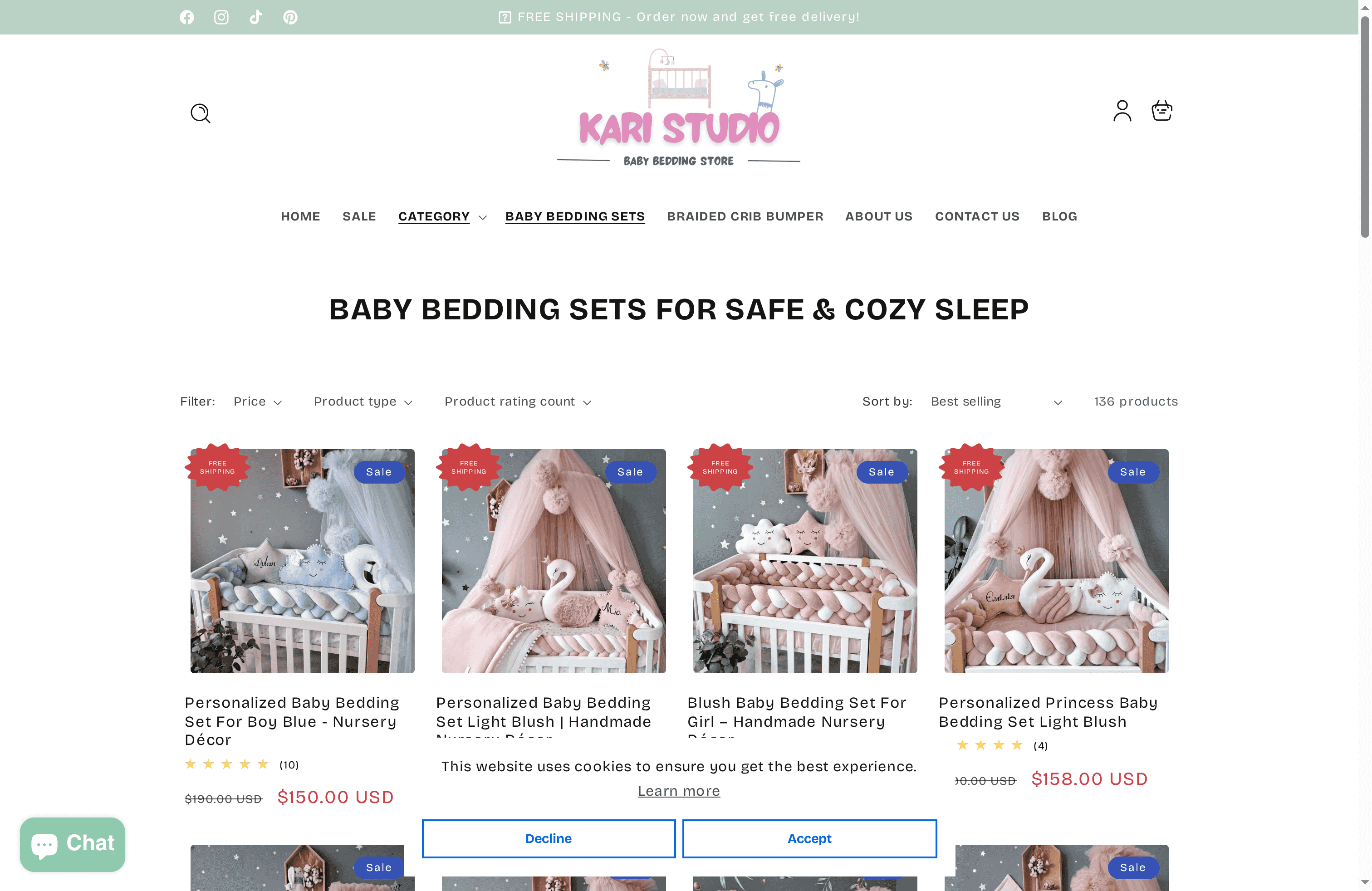
Explore nuestros juegos de cama orgánicos para bebé que incluyen artículos esenciales coordinados para la cuna, confeccionados con telas suaves y transpirables. Cada pieza se puede personalizar con el nombre de su bebé, creando un espacio único que combina seguridad y estilo. Nuestro protector de cuna trenzado gris ejemplifica nuestro compromiso con la calidad, presentando una construcción segura y una estética hermosa que complementa cualquier diseño de habitación.
Preguntas frecuentes
¿Son los protectores de cuna transpirables completamente seguros para los bebés?
Los protectores de cuna transpirables reducen significativamente los riesgos de asfixia y sobrecalentamiento en comparación con las versiones acolchadas tradicionales, pero ningún protector está totalmente libre de riesgos. Las directrices de los expertos de la AAP recomiendan cunas despejadas como la opción más segura, aunque reconocen que los tipos transpirables presentan menos peligros que los protectores acolchados. Los padres que elijan protectores deben seleccionar opciones transpirables, instalarlas correctamente y supervisarlas regularmente.
¿Cómo me aseguro de que un protector de cuna transpirable se ajuste de forma segura a la cuna de mi bebé?
Mida las dimensiones de su cuna con precisión y seleccione protectores diseñados específicamente para su modelo de cuna para asegurar un ajuste correcto. Siga al pie de la letra las instrucciones de instalación del fabricante, asegurando firmemente todas las cintas o accesorios para evitar que se desplacen. Verifique regularmente que no haya espacios entre el protector y el colchón o el marco de la cuna donde su bebé pueda quedar atrapado, realizando ajustes según sea necesario.
¿Pueden los protectores de cuna transpirables ayudar a que mi bebé duerma más cómodamente?
Las telas transpirables mejoran el flujo de aire alrededor de su bebé, reduciendo el sobrecalentamiento que puede interrumpir el sueño y causar incomodidad. Una mejor ventilación ayuda a mantener temperaturas agradables, lo que potencialmente favorece períodos de sueño más largos y reparadores. La suave amortiguación de los protectores trenzados o de malla también puede reducir el sobresalto al golpear contra los barrotes duros de la cuna, aunque la seguridad siempre debe ser la consideración principal.
¿Qué materiales debo buscar al comprar un protector de cuna transpirable?
Priorice las telas de malla con aberturas grandes y consistentes, algodón orgánico con transpirabilidad natural o tecnología de malla 3D con canales de aire estructurados. Elija materiales hipoalergénicos y no tóxicos certificados por normas como Oeko-Tex Standard 100 para garantizar la seguridad de la piel sensible del bebé. Evite los protectores con acolchado grueso, relleno de espuma o telas densas que restrinjan el flujo de aire, independientemente de las afirmaciones de marketing sobre su transpirabilidad.