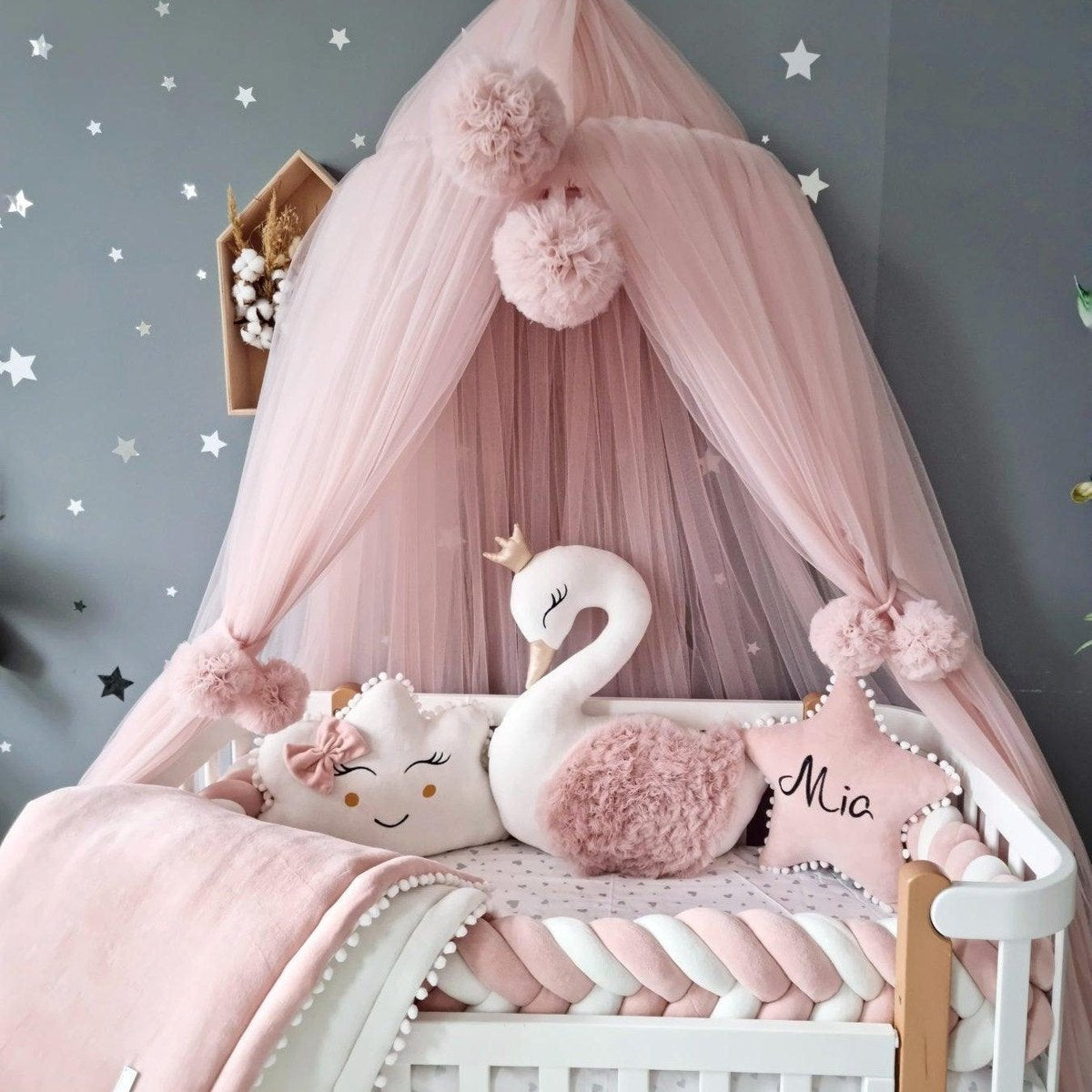
Los nuevos padres se enfrentan a un desconcertante laberinto de consejos sobre los protectores de cuna, con opiniones contradictorias de familiares, amigos y fuentes en línea que generan confusión sobre qué es lo que realmente mantiene a los bebés a salvo. Muchos asumen que los protectores evitan lesiones o añaden comodidad, sin embargo, la evidencia médica no muestra beneficios, mientras que introduce peligros graves. Este artículo desacredita mitos generalizados en torno a los protectores de cuna, explica las regulaciones federales de seguridad actuales y proporciona una guía clara sobre cómo crear un entorno de sueño seguro. Aprenderá sobre los riesgos documentados, comprenderá los cambios legales y descubrirá alternativas prácticas que priorizan el bienestar de su bebé sin comprometer el estilo de la habitación.
👉 Guía de seguridad sobre protectores de cuna
Tabla de contenidos
- Puntos clave
- Mito 1: Los protectores de cuna evitan golpes en la cabeza y atrapamientos de extremidades
- Mito 2: Los protectores de cuna son seguros y legales para su uso
- Los riesgos de los protectores de cuna: asfixia, estrangulamiento y peligros de escalada
- Alternativas de sueño más seguro y consejos para nuevos padres
- Explore opciones seguras de ropa de cama para bebés para su cuarto
- Preguntas frecuentes
Puntos clave
| Punto | Detalles |
|---|---|
| Protectores prohibidos a nivel nacional | La Ley de Sueño Seguro para Bebés de 2021 prohíbe los protectores de cuna acolchados en todo el país, entrando en vigor en 2022. |
| La cuna vacía es lo más seguro | Una cuna vacía con un colchón firme y una sábana bajera proporciona el entorno de sueño más seguro según el artículo. |
| Los protectores no ofrecen protección | La evidencia muestra que los protectores no reducen lesiones graves y, en cambio, crean riesgos de asfixia y atrapamiento. |
| Verifique retiradas de productos | Los padres deben evitar protectores de segunda mano y verificar regularmente la información de retirada de productos para garantizar la seguridad. |
Mito 1: Los protectores de cuna evitan golpes en la cabeza y atrapamientos de extremidades
Muchos padres se preocupan de que su bebé se lastime contra los barrotes de la cuna o de que sus brazos y piernas se queden atrapados entre ellos. Esta preocupación impulsa la compra de protectores, pero malinterpreta tanto los estándares de diseño de las cunas como el desarrollo infantil. Las cunas modernas fabricadas después de 1973 deben tener barrotes separados por no más de 2 3/8 pulgadas (aprox. 6 cm), una regulación diseñada específicamente para evitar el peligroso atrapamiento de extremidades mientras permite una circulación de aire segura. Este espacio elimina el riesgo de que la cabeza o el cuerpo del bebé queden atrapados.
Los golpes leves contra los barrotes de la cuna rara vez causan lesiones más allá de un enrojecimiento temporal. Los bebés se mueven naturalmente durante el sueño, y el contacto ligero con los barrotes es un comportamiento de desarrollo normal que no requiere intervención con acolchado. La investigación confirma que los protectores no evitan lesiones graves, sino que introducen riesgos de asfixia que superan con creces cualquier beneficio protector percibido. El acolchado suave que los padres instalan para amortiguar los golpes crea, en realidad, una superficie contra la cual los bebés pueden presionar sus caras, bloqueando sus vías respiratorias.
Los protectores de cuna también proporcionan una ayuda para trepar a medida que los bebés se vuelven más móviles. Los niños pequeños usan la superficie acolchada para impulsarse más alto, aumentando el riesgo de caídas desde mayores alturas. El atractivo estético de los juegos de cama coordinados para cunas tienta a los padres a priorizar la apariencia sobre la seguridad, aunque los expertos recomiendan universalmente evitar este compromiso. Comprender la historia y las leyes de seguridad de los protectores de cuna revela cómo evolucionaron las regulaciones específicamente para abordar estos peligros documentados.
Consejo profesional: Confíe en que los barrotes de la cuna espaciados correctamente brindan toda la protección que su bebé necesita. Una cuna vacía puede parecer despojada al principio, pero ofrece el entorno de sueño más seguro y le brinda una tranquilidad genuina.
Mito 2: Los protectores de cuna son seguros y legales para su uso
La Ley de Sueño Seguro para Bebés de 2021 cambió fundamentalmente el panorama legal para los protectores de cuna en todo el país. Esta legislación federal, que entró en vigor en 2022, prohíbe la fabricación, venta y distribución de protectores de cuna acolchados en todo Estados Unidos. La ley surgió tras décadas de muertes y lesiones documentadas vinculadas directamente al uso de protectores, haciendo que su venta continua sea ilegal independientemente de las afirmaciones de marketing sobre características de seguridad o materiales transpirables.
Muchos padres siguen sin estar al tanto de esta prohibición porque el inventario antiguo sigue apareciendo en los hogares a través de artículos heredados, ventas de garaje y vendedores internacionales que operan fuera de la jurisdicción de EE. UU. Algunos minoristas comercializaron protectores acolchados como seguros hasta el momento en que entró en vigor la ley, dejando confusión sobre qué productos cumplen con las regulaciones actuales. La Comisión de Seguridad de Productos del Consumidor emitió advertencias claras instando a la interrupción inmediata del uso de todos los protectores de cuna acolchados, aunque los desafíos de aplicación significan que los productos que no cumplen con la norma a veces se filtran.
La prohibición se dirige específicamente a los protectores acolchados tradicionales, pero exime a ciertos diseños de malla que cumplen con estrictos estándares de transpirabilidad. Esta distinción confunde a los padres que intentan navegar por las categorías de productos y el lenguaje de marketing. Cualquier protector que cree una superficie blanda y acolchada contra la cual un bebé pueda presionar su cara cae bajo la prohibición. Comprender cuándo y cómo usar protectores de cuna de manera segura aclara qué productos cumplen con los requisitos legales frente a cuáles representan peligros ilegales.
Puntos clave:
- Los protectores de cuna acolchados están prohibidos a nivel federal desde 2022
- Fabricar y vender protectores tradicionales viola la ley federal
- Algunos revestimientos de malla transpirable siguen siendo legales, pero requieren una evaluación cuidadosa
- Los protectores de segunda mano probablemente sean anteriores a los estándares de seguridad y deben desecharse
- Los productos internacionales pueden no cumplir con las regulaciones de EE. UU.
“La CPSC advierte a los consumidores que dejen de usar inmediatamente los protectores de cuna acolchados y los retiren de las cunas para evitar riesgos de asfixia y estrangulamiento.”
Los riesgos de los protectores de cuna: asfixia, estrangulamiento y peligros de escalada
Los protectores de cuna crean tres categorías distintas de peligro que han resultado en más de 100 muertes infantiles documentadas entre 1990 y 2019 según los registros de la Comisión de Seguridad de Productos del Consumidor. Estudios médicos revisados por pares reportan entre 27 y 48 muertes específicamente por asfixia y estrangulamiento involucrando protectores durante este período. Estas estadísticas representan solo los casos reportados, lo que significa que los números reales probablemente superen los conteos oficiales, ya que muchos incidentes no se documentan o se clasifican erróneamente.
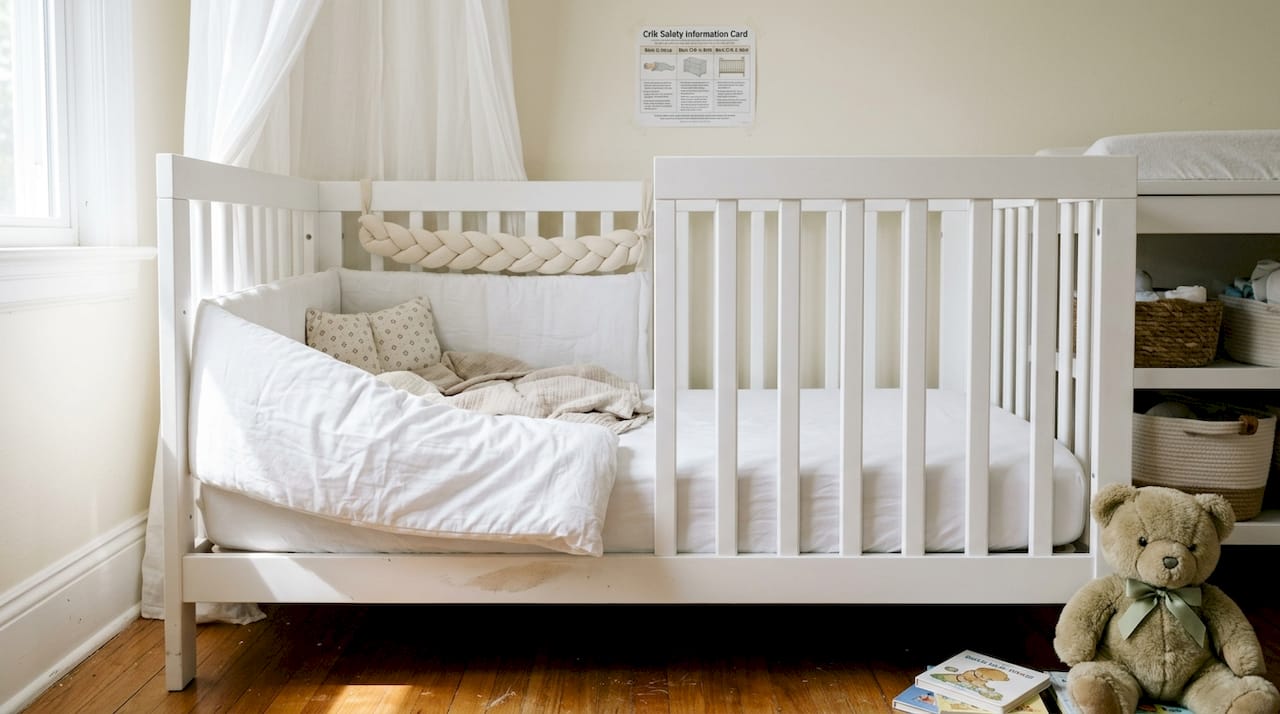
| Tipo de peligro | Mecanismo | Factor de riesgo |
|---|---|---|
| Asfixia | La cara del bebé se presiona contra el acolchado blando, bloqueando las vías respiratorias | Mayor riesgo antes de los 4 meses, cuando los bebés no pueden reposicionarse por sí mismos |
| Estrangulamiento | Cuerdas, lazos o tela suelta se envuelven alrededor del cuello | Ocurre a medida que los bebés se vuelven más móviles y agarran objetos cercanos |
| Ayuda para escalar | La superficie acolchada proporciona un punto de apoyo para escalar los rieles de la cuna | El riesgo aumenta después de los 6 meses, cuando los bebés desarrollan habilidades de escalada |
| Atrapamiento | El hueco entre el protector y el colchón atrapa al bebé | Sucede cuando los protectores se desplazan o están mal asegurados |
La asfixia representa el riesgo más común y mortal. Los bebés pequeños carecen de las habilidades motoras y la fuerza para girar la cabeza cuando su cara queda presionada contra superficies blandas. El acolchado que parece protector en realidad crea una obstrucción respiratoria. Este peligro se intensifica durante los primeros cuatro meses de vida, cuando los bebés pasan la mayor parte del tiempo durmiendo y tienen un control mínimo de la cabeza. Los padres a menudo instalan protectores creyendo que añaden seguridad, sin saber que han introducido el principal riesgo de asfixia en una cuna por lo demás segura.
- La asfixia ocurre cuando la nariz y la boca de un bebé se presionan contra el acolchado del protector, restringiendo el flujo de oxígeno y causando asfixia en cuestión de minutos
- El estrangulamiento sucede a medida que los bebés se vuelven móviles y los lazos o telas sueltas del protector se envuelven alrededor de su cuello, cortando el suministro de aire
- Los riesgos de escalada surgen cuando los niños pequeños usan el acolchado firme como un escalón para escalar los rieles de la cuna, lo que provoca caídas peligrosas desde altura
- El atrapamiento se desarrolla cuando se forman espacios entre el protector y el colchón, atrapando el cuerpo del bebé en una posición que restringe la respiración
Comprender los estándares de seguridad de la ropa de cama para cuna ayuda a los padres a reconocer productos que cumplen con la norma y evitar diseños peligrosos. La evidencia acumulada demuestra abrumadoramente que los protectores introducen riesgos prevenibles sin proporcionar ningún beneficio de seguridad documentado.
Consejo profesional: Nunca acepte protectores de cuna de segunda mano, independientemente de su condición o valor sentimental. Los productos antiguos son anteriores al conocimiento actual de seguridad y pueden tener un desgaste oculto que aumenta los peligros. Inspeccione la habitación de su bebé mensualmente en busca de artículos que puedan representar riesgos de asfixia o atrapamiento.
Alternativas de sueño más seguro y consejos para nuevos padres
Crear un entorno de sueño seguro requiere seguir pautas basadas en evidencia que prioricen el bienestar del bebé sobre las preferencias decorativas. La Academia Americana de Pediatría recomienda una configuración de cuna vacía que consista solo en un colchón firme y una sábana bajera, sin ropa de cama adicional, almohadas, animales de peluche o protectores durante el tiempo de sueño. Este enfoque minimalista reduce drásticamente los riesgos de asfixia y atrapamiento, mientras proporciona todo lo que un bebé necesita para un descanso seguro y cómodo.
Compartir habitación durante los primeros seis meses ofrece importantes beneficios de seguridad sin los riesgos de compartir la cama. Mantener la cuna de su bebé en su dormitorio permite una respuesta rápida a sus necesidades, manteniendo al mismo tiempo la superficie de sueño separada que evita los riesgos de asfixia. Esta disposición apoya la lactancia, permite el monitoreo y reduce el riesgo de SMSL según múltiples estudios a gran escala. Los padres a menudo se preocupan de que una cuna vacía parezca poco acogedora, pero los bebés ni notan ni requieren elementos decorativos durante el sueño.
Las verificaciones de seguridad regulares protejan contra los peligros que evolucionan a medida que los productos envejecen y los bebés desarrollan nuevas habilidades. Revise las bases de datos de retiradas de productos mensualmente para asegurarse de que su cuna y colchón sigan cumpliendo con los estándares actuales. Inspeccione la cuna en busca de hardware suelto, un ajuste adecuado del colchón y cualquier espacio que pueda atrapar partes pequeñas del cuerpo. A medida que su bebé crece, ajuste la altura del colchón para evitar intentos de escalada. Aprender sobre alternativas seguras a los protectores de cuna y el ajuste adecuado de las sábanas de cuna garantiza que la configuración de su habitación evolucione apropiadamente con el desarrollo de su hijo.
Puntos clave para un sueño seguro:
- Use solo un colchón firme y plano que se ajuste perfectamente sin espacios más grandes que el ancho de dos dedos
- Elija sábanas bajeras diseñadas específicamente para colchones de cuna que se mantengan tensas y seguras
- Mantenga la cuna completamente despejada de mantas, almohadas, juguetes y artículos decorativos durante el sueño
- Coloque la cuna lejos de ventanas, persianas, cortinas y cualquier cordón colgante
- Mantenga la temperatura ambiente entre 68-72°F (20-22°C) y vista al bebé con ropa de dormir en lugar de usar mantas
- Coloque al bebé boca arriba en cada período de sueño hasta que pueda darse la vuelta de forma independiente
Consejo profesional: Si desea algo de suavidad visual alrededor del exterior de la cuna, considere revestimientos de malla transpirable que se sujeten fuera de los barrotes en lugar de dentro del espacio de sueño. Verifique que cualquier producto cuente con certificaciones de seguridad actuales y declare específicamente el cumplimiento de las normas federales. En caso de duda, sálteselo y mantenga la cuna vacía.
Explore opciones seguras de ropa de cama para bebés para su cuarto
Ahora que comprende la importancia crítica de las prácticas de sueño seguro, puede crear una hermosa habitación que priorice el bienestar de su bebé sin sacrificar el estilo. Los juegos de ropa de cama para bebés de calidad, diseñados teniendo en cuenta los estándares de seguridad actuales, ofrecen el equilibrio perfecto entre estética y protección. Busque telas orgánicas e hipoalergénicas que brinden comodidad mientras cumplen con los requisitos de seguridad federales.
Las opciones personalizadas le permiten expresar su estilo único a través de colores, patrones e incluso nombres bordados, mientras se asegura de que cada componente respalde las pautas de sueño seguro. Muchos padres descubren que las cortinas con dosel para cuna elegidas cuidadosamente y los accesorios a juego crean una calidez visual alrededor del exterior de la cuna sin introducir riesgos dentro del espacio de sueño. Explore los actuales juegos de ropa de cama para bebés en oferta para encontrar opciones seguras certificadas que se ajusten a su presupuesto y preferencias de diseño.
Preguntas frecuentes
¿Están los protectores de cuna completamente prohibidos en los EE. UU.?
Sí, los protectores de cuna acolchados están prohibidos a nivel federal en todo Estados Unidos desde 2022 bajo la Ley de Sueño Seguro para Bebés. Esta prohibición cubre la fabricación, venta y distribución de protectores acolchados tradicionales debido a los riesgos documentados de asfixia y estrangulamiento. Algunos revestimientos de malla transpirable pueden seguir siendo legales si cumplen con estándares de seguridad específicos, pero los protectores acolchados tradicionales están universalmente prohibidos independientemente de las afirmaciones de marketing.
¿Pueden los protectores de cuna prevenir el Síndrome de Muerte Súbita del Lactante (SMSL)?
No, los protectores de cuna no reducen el riesgo de SMSL y, de hecho, aumentan el peligro. La Academia Americana de Pediatría afirma que no existe evidencia que respalde que los protectores prevengan el SMSL, mientras que investigaciones sustanciales confirman que elevan los riesgos de asfixia y estrangulamiento. Una cuna vacía con un colchón firme y una sábana bajera proporciona el entorno más seguro probado para reducir la incidencia de SMSL. Agregar cualquier objeto blando, incluidos los protectores, contradice las recomendaciones de sueño seguro basadas en evidencia.
¿Cuáles son las alternativas seguras a los protectores de cuna?
La alternativa más segura es no usar protector alguno, utilizando solo un colchón firme y una sábana bajera, como recomiendan los expertos pediátricos. Si desea algo de cobertura, considere los revestimientos de malla transpirable que se fijan al exterior de la cuna en lugar de crear una superficie blanda dentro del espacio de sueño. Explore alternativas seguras a los protectores de cuna que prioricen la circulación del aire y eviten el contacto con la cara. Evite cualquier producto acolchado, almohadillado o acolchado, independientemente del lenguaje de marketing sobre características de seguridad.
¿Cómo puedo asegurarme de que la configuración de mi cuna sea segura?
Mantenga una cuna vacía que contenga solo un colchón firme y una sábana correctamente ajustada sin artículos adicionales durante el tiempo de sueño. Verifique las retiradas de productos mensualmente y asegúrese de que su cuna cumpla con los estándares de seguridad federales actuales descritos en las pautas de seguridad de la ropa de cama para cunas. Inspeccione mensualmente en busca de hardware suelto, un ajuste adecuado del colchón con espacios no mayores a dos dedos, y retire cualquier objeto que pueda representar riesgos de asfixia o atrapamiento. Mantenga el espacio de sueño completamente despejado y ajuste la altura del colchón a medida que su bebé desarrolle nuevas habilidades de movilidad.