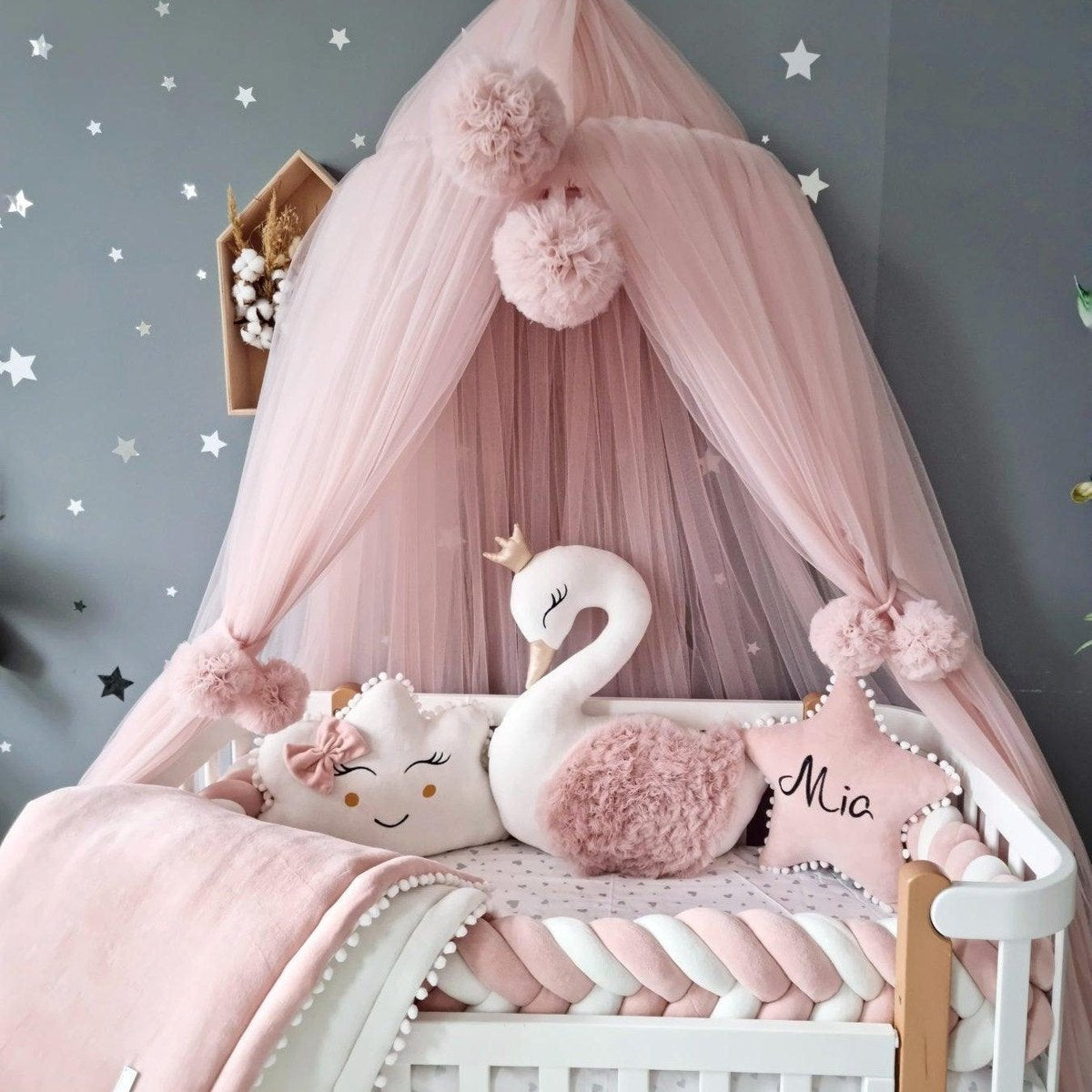

Muchos padres creen que la ropa de cama suave y acolchada crea el entorno de sueño más seguro y acogedor para sus recién nacidos. Esta idea errónea tan común pone en riesgo a miles de bebés cada año. La realidad es que las actualizaciones en los estándares de seguridad para colchones de cuna priorizan la firmeza y el uso mínimo de ropa de cama sobre la comodidad, con regulaciones diseñadas para prevenir la asfixia y el síndrome de muerte súbita del lactante (SMSL). Entender estos estándares no es opcional para los padres modernos. Esta guía le orientará sobre los requisitos actuales de firmeza de los colchones, las recomendaciones de la Academia Estadounidense de Pediatría, las opciones prácticas de ropa de cama y las estrategias de seguridad reales para crear un dormitorio que proteja a su bebé mientras mantiene la calidez que desea.
👉 Guía de seguridad para protectores de cuna
Tabla de contenidos
- Puntos clave
- Entender los estándares de seguridad de los colchones de cuna
- Elementos esenciales de ropa de cama segura recomendados por la Academia Estadounidense de Pediatría
- Seguridad práctica en la ropa de cama: ajuste, materiales y errores comunes
- Equilibrar seguridad y comodidad: cómo navegar matices prácticos y dilemas comunes
- Opciones de ropa de cama segura y con estilo de Kari Studio
- ¿Cuáles son los últimos estándares de seguridad para colchones de cuna?
Puntos clave
| Punto | Detalles |
|---|---|
| Estándar de firmeza | El estándar actualizado para colchones de cuna exige que estos no se compriman más de una pulgada bajo el peso del bebé para evitar la obstrucción de las vías respiratorias. |
| Superficie firme y despejada | La Academia Estadounidense de Pediatría recomienda una superficie firme, plana y despejada, con una sábana ajustable, para reducir el riesgo de SMSL. |
| Sin ropa de cama blanda | Las pautas prohíben ropa de cama blanda, como almohadas, protectores de cuna y mantas, para minimizar los riesgos de asfixia. |
| Seguridad en el ajuste de la sábana | Los colchones deben ajustarse a sábanas de cuna estándar sin brechas de compresión peligrosas que pudieran atrapar al bebé. |
Entender los estándares de seguridad de los colchones de cuna
La Comisión de Seguridad de Productos del Consumidor implementó un estándar obligatorio para colchones de cuna que incorpora la norma ASTM F2933-25, con modificaciones específicas dirigidas a los riesgos de asfixia, atrapamiento y SMSL. Efectivas a partir del 3 de mayo de 2026, estas regulaciones exigen pruebas precisas de firmeza, requisitos sobre las brechas de compresión de las sábanas y protocolos claros de etiquetado que los fabricantes deben seguir. Los estándares surgieron tras años de datos que demostraban que los colchones blandos contribuyen significativamente a las muertes de bebés relacionadas con el sueño.
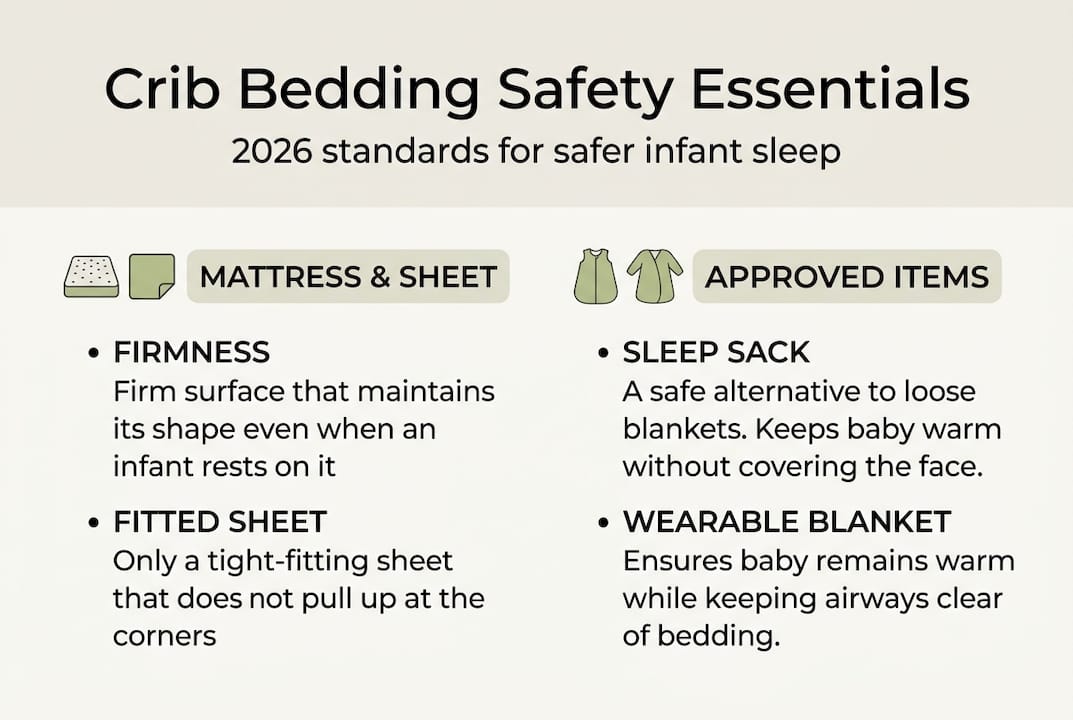
Las pruebas de firmeza son la piedra angular de estos nuevos requisitos. Los colchones se someten a una evaluación rigurosa para asegurar que no se compriman más de una pulgada bajo el peso de un bebé. Esta medida específica evita que la cara del bebé se hunda en la superficie mientras duerme, manteniendo las vías respiratorias despejadas incluso si el bebé se gira boca abajo. El aparato de prueba simula la distribución realista del peso de un bebé en diversas posiciones al dormir.
La compatibilidad de las sábanas representa otro componente crítico. Los colchones deben usarse con sábanas ajustadas adecuadamente que no generen brechas de compresión que excedan los límites especificados. Cuando las sábanas se amontonan o se separan de las esquinas del colchón, crean bolsillos donde los bebés pueden quedar atrapados o asfixiarse. Los estándares exigen que los fabricantes diseñen colchones con dimensiones que se adapten a las sábanas de cuna estándar sin estas brechas peligrosas.
Los requisitos de etiquetado aseguran que los padres reciban información de seguridad clara en el momento de la compra. Todo colchón que cumpla con la normativa debe mostrar marcas de certificación, resultados de pruebas de firmeza y advertencias explícitas sobre los peligros de la ropa de cama blanda. Estas etiquetas le ayudan a verificar que un producto cumple con los puntos de referencia de seguridad actuales antes de llevarlo a casa. Para obtener más información sobre cómo estos estándares protegen a su bebé, explore nuestra guía sobre cómo entender la seguridad de los colchones de cuna.
Consejo profesional: Antes de comprar cualquier colchón de cuna, presione firmemente el centro con la palma de la mano. La superficie debe resistir la compresión y recuperar su forma inmediatamente. Si su mano deja una marca duradera o el colchón se siente mullido, no supera la prueba básica de firmeza, independientemente de lo que indique la publicidad.
“Los estándares para colchones de cuna de 2026 representan el enfoque más completo sobre la seguridad del sueño infantil en décadas, abordando vías de asfixia previamente ignoradas mediante criterios de firmeza medibles y la prevención de atrapamientos”. — Comisión de Seguridad de Productos del Consumidor
Elementos esenciales de ropa de cama segura recomendados por la Academia Estadounidense de Pediatría
Las pautas para un sueño seguro de la Academia Estadounidense de Pediatría establecen un marco claro: los bebés deben dormir sobre un colchón firme y plano, solo con una sábana bien ajustada. Este enfoque de "cuna despejada" contradice la estética tradicional de los dormitorios infantiles, pero reduce el riesgo de SMSL aproximadamente en un 50 % cuando se combina con la posición boca arriba para dormir. Las pautas eliminan por completo la ropa de cama blanda, almohadas, protectores de cuna y mantas del entorno del sueño.
Dormir boca arriba sobre una superficie despejada y firme crea el entorno de sueño más seguro porque previene la obstrucción de las vías respiratorias. Cuando los bebés duermen boca abajo sobre superficies blandas, pueden volver a inhalar el dióxido de carbono exhalado que queda atrapado en la ropa de cama. Los colchones firmes sin elementos adicionales aseguran que, incluso si el bebé se gira durante el sueño, su nariz y boca permanezcan libres. Esta sencilla configuración ha salvado miles de vidas desde que comenzó la campaña "Back to Sleep".
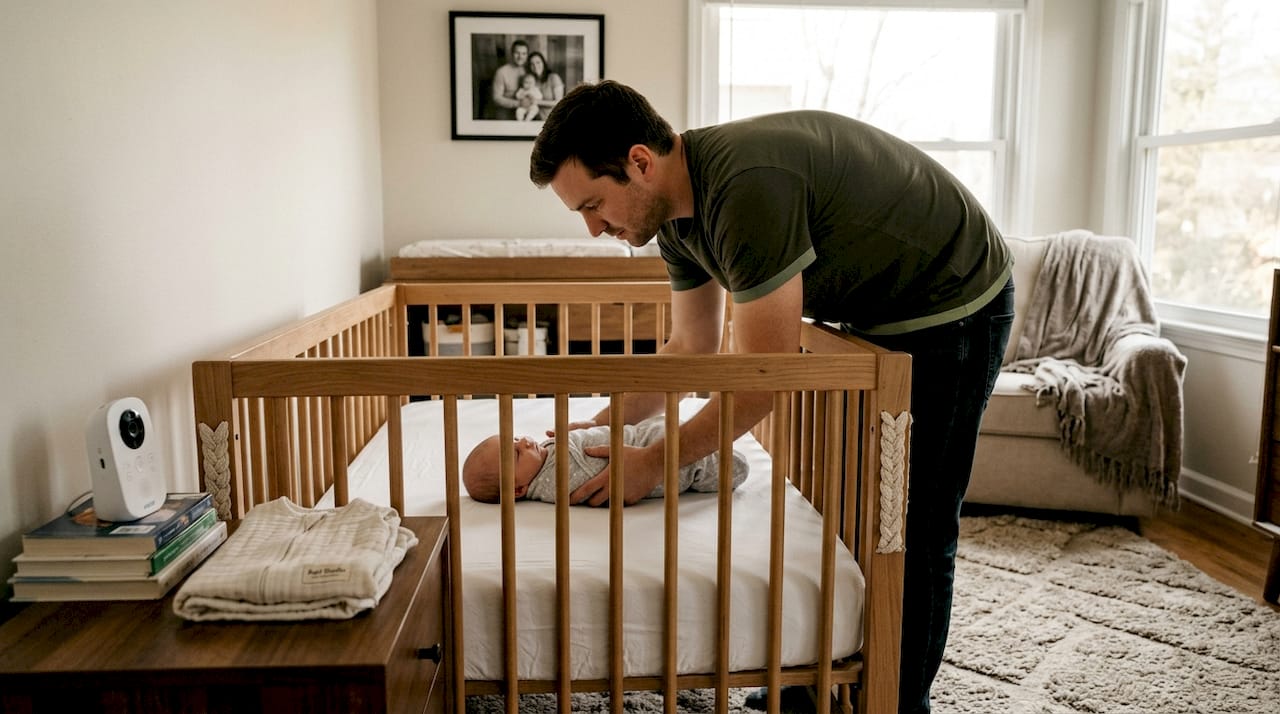
Compartir habitación sin compartir la cama es el arreglo para dormir recomendado por la AAP durante al menos los primeros seis meses. Esto significa colocar la cuna en su dormitorio, donde pueda supervisar a su bebé durante la noche. Compartir la cama introduce riesgos adicionales de asfixia debido a la ropa de cama de los adultos, almohadas y la posibilidad de rodar sobre el bebé. Una cuna separada en la misma habitación proporciona proximidad para alimentarlo y consolarlo, manteniendo al mismo tiempo una superficie de sueño controlada.
La eliminación de los protectores de cuna aborda un riesgo específico de atrapamiento y asfixia. Los protectores tradicionales acolchados pueden comprimirse contra la cara del bebé o crear huecos donde el bebé puede quedar atascado entre el protector y el colchón. Los protectores de malla modernos, aunque se comercializan como alternativas transpirables, siguen planteando riesgos de enredo y violan el principio de la cuna despejada. Las cunas seguras tienen barrotes lo suficientemente cerca entre sí como para que los protectores no cumplan ninguna función protectora.
Los sacos de dormir y las mantas portátiles ofrecen el único método aprobado por la AAP para mantener a los bebés calientes sin necesidad de ropa de cama suelta. Estas prendas se cierran con cremallera o broches alrededor del cuerpo del bebé, proporcionando aislamiento sin cubrir la cara ni crear riesgos de asfixia. Elija sacos de dormir adecuados para la temperatura de la habitación para evitar el sobrecalentamiento, otro factor de riesgo para el SMSL. Nuestra guía de ajuste de sábanas para cuna le ayudará a elegir sábanas que permanezcan seguras durante toda la noche.
Consejo profesional: Compre al menos tres sábanas ajustables para cuna, de modo que siempre tenga una limpia y bien ajustada disponible durante los cambios nocturnos. Lave las sábanas nuevas antes del primer uso para asegurar que mantengan su ajuste firme tras el encogimiento.
Seguridad práctica en la ropa de cama: ajuste, materiales y errores comunes
Asegurar que la sábana encaje correctamente requiere un enfoque sistemático. Primero, verifique que las dimensiones de su colchón coincidan con los tamaños de cuna estándar. Segundo, seleccione sábanas etiquetadas específicamente para colchones de cuna con bordes elásticos que sujeten las cuatro esquinas. Tercero, después de colocar la sábana, pase la mano por debajo de cada esquina para comprobar si hay huecos o holguras. La sábana debe requerir esfuerzo para quitarse y no mostrar amontonamientos en la superficie de descanso.
Las pruebas de firmeza del colchón confirman que las superficies no deben comprimirse más de una pulgada bajo peso. Puede realizar una versión casera de esta prueba presionando firmemente la palma de su mano en el centro y los bordes del colchón. La superficie debe resistir la compresión y regresar inmediatamente a su forma original. Cualquier marca duradera o sensación de blandura indica una firmeza inadecuada para la seguridad del sueño infantil.
| Material | Ventajas de seguridad | Desventajas de seguridad | Mejor uso |
|---|---|---|---|
| Algodón orgánico | Transpirable, hipoalergénico, sin tratamientos químicos | Puede encoger si no se prelava, afectando el ajuste | Sábanas ajustables, sacos de dormir |
| Mezcla de bambú | Naturalmente antimicrobiano, termorregulador | Puede ser demasiado suave, causando deslizamiento | Habitaciones en climas cálidos |
| Punto jersey | Elástico para un ajuste firme, textura suave | Menos duradero, puede desarrollar agujeros más rápido | Opción de sábana secundaria |
| Mezcla de poliéster | Resistente a arrugas, mantiene la forma | Menos transpirable, riesgo de sobrecalentamiento | No recomendado para la superficie de descanso directa |
Los errores comunes de instalación crean riesgos innecesarios incluso cuando los padres compran productos que cumplen la normativa:
- Usar sábanas para adultos o heredadas que no se ajustan a las dimensiones actuales del colchón de la cuna, creando huecos peligrosos y amontonamientos.
- Añadir almohadas decorativas, peluches o mantas para fotos y olvidar retirarlos antes de la hora de dormir.
- Posicionar las cunas cerca de cortinas, persianas o cables eléctricos que el bebé pueda alcanzar y enredarse mientras crece.
- Colocar colchones directamente en el suelo o usar superficies de sueño no estándar (como cunas de viaje) sin los insertos de colchón adecuados.
- Poner varias capas de sábanas o protectores de colchón que crean superficies blandas y compresibles que contradicen los requisitos de firmeza.
La selección del material afecta tanto a la seguridad como a la practicidad. El algodón orgánico sigue siendo el estándar de oro para las sábanas de cuna porque ofrece transpirabilidad sin tratamientos químicos que podrían irritar la piel sensible. Las propiedades naturales de la tela ayudan a regular la temperatura, reduciendo los riesgos de sobrecalentamiento. Al comprar, verifique que las sábanas de algodón hayan sido preencogidas o compre una talla más grande para compensar el encogimiento tras el lavado, lo que podría comprometer el ajuste.
Las rutinas de inspección evitan el deterioro gradual de la seguridad. Cada dos semanas, retire la sábana de la cuna y compruebe si hay desgarros, tela debilitada o fallos en el elástico. A medida que los bebés crecen y se vuelven más activos, las sábanas sufren mayor tensión por el movimiento y pueden desarrollar agujeros cerca de las esquinas. Reemplace inmediatamente cualquier sábana que muestre desgaste. Además, reevalúe la firmeza del colchón mensualmente realizando la prueba de compresión, ya que algunos materiales se degradan con el tiempo. Para obtener una guía específica sobre materiales, visite nuestro artículo sobre ropa de cama para cuna: materiales explicados.
Consejo profesional: Marque su calendario para revisiones mensuales de seguridad de la cuna. Durante estas inspecciones, verifique el ajuste de la sábana, la firmeza del colchón y la firmeza de los herrajes de la cuna. Esta rutina toma cinco minutos pero detecta problemas antes de que se conviertan en peligros. También revise los errores comunes en nuestra guía sobre errores en la instalación de la cuna que debe evitar.
Equilibrar seguridad y comodidad: cómo navegar matices prácticos y dilemas comunes
Los padres a menudo se enfrentan a situaciones donde las estrictas pautas de seguridad chocan con realidades prácticas o prácticas culturales. La investigación sobre la prevención del SMSL reconoce que algunas familias eligen compartir la cama a pesar de los mayores riesgos, debido a la conveniencia de la lactancia, normas culturales o espacio limitado. La distinción clave reside entre la eliminación del riesgo y su minimización. Si bien eliminar toda la ropa de cama blanda y mantener superficies de sueño separadas ofrece la máxima seguridad, entender cómo minimizar los riesgos cuando ocurren compromisos ayuda a los padres a tomar decisiones informadas.
Los monitores infantiles y las mantas de arrullo (swaddles) representan herramientas de seguridad mal comprendidas. Los monitores de movimiento y rastreadores de respiración no previenen el SMSL y nunca deberían reemplazar las prácticas de sueño seguro. Estos dispositivos pueden ofrecer tranquilidad a los padres, pero crean una falsa seguridad si llevan a una adherencia relajada a las pautas probadas, como dormir boca arriba y sobre colchones firmes. Las mantas de arrullo, cuando se usan correctamente con los brazos asegurados y las caderas libres, pueden ayudar a los recién nacidos a dormir, pero deben dejarse de usar una vez que los bebés muestren señales de querer girarse.
Las limitaciones de los equipos de seguridad destacan por qué las prácticas fundamentales son las más importantes. Ningún accesorio compensa un colchón blando o ropa de cama suelta. Los padres a veces invierten mucho en sistemas de monitorización de alta tecnología mientras pasan por alto errores básicos de instalación, como un ajuste inadecuado de las sábanas o colocar la cuna cerca de los cordones de las persianas. Priorice hacer bien los fundamentos antes de añadir cualquier producto suplementario.
Minimizar el riesgo en escenarios reales requiere estrategias específicas:
- Si compartir habitación es imposible, utilice un monitor de video con una visión nocturna clara para observar la posición de sueño y los patrones de respiración de su bebé de forma remota.
- Al viajar, lleve un colchón firme portátil o utilice una cuna de viaje con su colchón original y ajustado, en lugar de añadir acolchado blando para mayor comodidad.
- Para los bebés que parecen tener frío, añada capas de ropa o use un saco de dormir con mayor índice tog en lugar de introducir mantas en la cuna.
- Si los familiares le presionan para usar ropa de cama tradicional, edúquelos con las estadísticas actuales y ofrézcase a mostrarles los estándares de seguridad actualizados.
- Cuando el agotamiento le tiente a practicar métodos inseguros, contacte a su pediatra o consultor de lactancia para encontrar estrategias que mantengan la seguridad mientras aborda el desafío subyacente.
“El objetivo no es avergonzar a los padres que toman decisiones diferentes, sino asegurar que cada familia comprenda los riesgos relativos de los diversos arreglos para dormir. Las decisiones informadas requieren reconocer tanto las prácticas ideales como las limitaciones realistas”. — Investigador en seguridad del sueño pediátrico
Las tendencias populares en dormitorios infantiles a veces chocan con la evidencia de seguridad. Juegos de cama elaborados con protectores decorativos, doseles colocados sobre las cunas y sobrecolchones mullidos aparecen en innumerables fotos de dormitorios en redes sociales. Estos entornos estéticamente agradables se fotografían maravillosamente pero introducen múltiples peligros. Los doseles pueden desprenderse y caer sobre los bebés dormidos. Los protectores decorativos no cumplen ninguna función protectora en las cunas modernas con barrotes correctamente espaciados. La presión por crear dormitorios dignos de Instagram nunca debería prevalecer sobre los fundamentos de seguridad. Para obtener orientación sobre cuándo pueden ser apropiados algunos accesorios, consulte nuestro artículo sobre protectores de cuna y su uso seguro.
Opciones de ropa de cama segura y con estilo de Kari Studio
Crear un dormitorio que cumpla con los estándares de seguridad actuales no significa sacrificar el estilo o la calidez. Después de comprender la importancia crítica de los colchones firmes, las sábanas bien ajustadas y el mínimo de ropa de cama, puede seleccionar productos que se alineen con estos requisitos mientras reflejan su visión estética. Kari Studio se especializa en artículos esenciales para bebés hechos a mano, diseñados pensando tanto en la seguridad como en la belleza.
Nuestros juegos de cama para bebé cuentan con sábanas ajustables hechas de algodón orgánico hipoalergénico que cumple con los estándares de compatibilidad de firmeza. Cada sábana se somete a un proceso de preencogido para asegurar que mantenga un ajuste perfecto después del lavado. Las colecciones incluyen sacos de dormir a juego y decoración de habitación que mantienen los elementos blandos fuera de la cuna, a la vez que crean un diseño coherente para el dormitorio. Cada producto prioriza materiales transpirables y seguros que favorecen un sueño infantil saludable.

La personalización añade detalles significativos sin comprometer la seguridad. Nuestras mantas personalizadas para bebés sirven como hermosos recuerdos para el tiempo boca abajo, los paseos en cochecito y las sesiones de fotos, manteniéndose siempre fuera del entorno de sueño. Estas mantas cuentan con bordados personalizados con el nombre de su bebé, creando objetos preciados que respetan las pautas de sueño seguro. Actualmente, nuestra venta de ropa de cama para bebés ofrece a las familias la oportunidad de equipar sus guarderías con ropa de cama hermosa y conforme a las normas a precios accesibles. Explore opciones que combinen los estándares de seguridad con la guardería acogedora y personalizada que imagina.
¿Cuáles son los estándares de seguridad más recientes para colchones de cuna?
¿Cuáles son los estándares de seguridad más recientes para colchones de cuna?
El estándar obligatorio de la Comisión de Seguridad de Productos del Consumidor incorpora la norma ASTM F2933-25, efectiva a partir del 3 de mayo de 2026. Esta regulación requiere pruebas de firmeza para garantizar que los colchones no se compriman más de una pulgada bajo el peso del bebé, evitando riesgos de asfixia. Los fabricantes también deben cumplir con los límites de espacio de compresión de las sábanas y proporcionar un etiquetado claro sobre las prácticas de sueño seguro. Los estándares abordan aspectos del diseño de colchones de cuna que antes no estaban regulados y que contribuían a las muertes infantiles relacionadas con el sueño. Para obtener un contexto completo, revise nuestra guía sobre cómo entender los estándares de seguridad de las cunas.
¿Por qué es importante un colchón firme y una sábana ajustada para la cuna de mi bebé?
Los colchones firmes evitan la asfixia al asegurar que la cara del bebé no pueda hundirse en la superficie, manteniendo las vías respiratorias despejadas incluso cuando duerme boca abajo. Las sábanas ajustadas eliminan la tela suelta que crea riesgos de atrapamiento o que puede cubrir la cara del bebé durante el movimiento. Juntos, estos elementos forman la base de un entorno de sueño seguro. Las superficies blandas permiten la reinhalación del dióxido de carbono exhalado, mientras que las sábanas amontonadas pueden envolverse alrededor del cuello o la cara del bebé. La combinación de firmeza y un ajuste adecuado reduce múltiples vías de riesgo simultáneamente.
¿Puedo usar protectores de cuna o mantas de forma segura con mi bebé?
Las pautas de la Academia Estadounidense de Pediatría recomiendan explícitamente no usar protectores de cuna ni mantas, ya que aumentan los riesgos de asfixia y atrapamiento. Las cunas modernas tienen barrotes lo suficientemente juntos como para que los protectores no cumplan ninguna función protectora. Las mantas pueden cubrir la cara del bebé o enredarse alrededor del cuerpo. En su lugar, utilice sacos de dormir portátiles que brinden calor sin tela suelta en la cuna. Incluso los protectores de malla representan riesgos de enredo y violan el principio de "cuna vacía", que ha demostrado ser más eficaz para prevenir muertes relacionadas con el sueño. Para obtener una guía detallada, consulte nuestro artículo sobre cuándo podrían ser apropiados los protectores de cuna.
¿Cómo puedo equilibrar la seguridad y la comodidad en la habitación de mi bebé?
Elija materiales transpirables e hipoalergénicos que cumplan con los estándares de seguridad actuales para todos los artículos que estén en contacto con su bebé durante el sueño. Las estrategias de minimización de riesgos reconocen que las familias enfrentan limitaciones del mundo real mientras priorizan las prácticas fundamentales de sueño seguro. Utilice sacos de dormir con la clasificación adecuada en lugar de mantas sueltas para mantener el calor. Vista a su bebé con capas de ropa en lugar de añadir ropa de cama suave a la cuna. Comprender qué compromisos conllevan riesgos aceptables frente a qué prácticas introducen peligros graves le ayuda a tomar decisiones informadas que respeten tanto la evidencia de seguridad como las necesidades únicas de su familia. Obtenga más información sobre la elección de materiales en nuestra guía de ropa de cama para cunas.