Most parents assume any crib sold today is automatically safe for their baby. Yet thousands of cribs fail to meet federal safety standards each year, putting infants at risk of suffocation, entrapment, and fire hazards. Understanding crib safety certifications is not just about checking a box, it protects your baby from preventable dangers. This guide breaks down the key certifications you need to recognize, explains what each one verifies, and shows you exactly how to choose certified products that create a truly secure nursery environment in 2026.
Table of Contents
- Why Crib Safety Certifications Matter For Your Baby
- Understanding Major Crib Safety Certification Programs
- How To Choose And Verify Certified Crib Products For A Safe Nursery
- Common Misconceptions About Crib Safety Certifications
- Explore Certified Baby Bedding Sets For Your Nursery
- FAQ
Key takeaways
| Point | Details |
|---|---|
| Certifications prevent hazards | Verified cribs meet federal standards to eliminate suffocation, entrapment, and fire risks. |
| Mattress flammability matters | Fire-resistant mattresses slow ignition and protect infants during emergencies. |
| Check labels before buying | Certification marks confirm compliance with mandatory safety benchmarks. |
| Size and material standards | Proper mattress fit and non-toxic materials reduce common nursery dangers. |
| Align with safe sleep practices | Certified products work best when combined with expert sleeping guidelines. |
Why crib safety certifications matter for your baby
Uncertified cribs create serious risks that many parents overlook until it’s too late. Loose fittings can trap tiny limbs or heads, causing injury or worse. Toxic materials in paint or fabric expose your baby to harmful chemicals during the most vulnerable developmental stages. Flammable components turn a minor accident into a devastating fire hazard.
Federal regulations exist specifically to eliminate these dangers through strict standards for mattress size, construction quality, and material safety. Crib mattresses must meet federal safety standards to prevent suffocation and entrapment hazards by ensuring proper fit and firmness. Certifications verify that manufacturers comply with these mandatory rules, giving you confidence that the crib you purchase has passed rigorous testing.
Parents who choose certified cribs gain peace of mind knowing their nursery meets trusted safety benchmarks established by experts. These standards address common hazards head-on:
- Mattress gaps wider than two fingers create entrapment zones
- Lead-based paints and formaldehyde emissions poison developing bodies
- Weak slat spacing allows heads to slip through and get stuck
- Inadequate flame resistance turns bedding into fuel during fires
Certifications transform abstract safety rules into real protection. When you see a verified label, you know independent testing confirmed that crib meets or exceeds every critical requirement. This verification process catches defects and design flaws before they reach your home, protecting your baby from manufacturers who cut corners or ignore updated regulations.
“Federal safety standards exist because real babies have been injured or killed by preventable crib hazards. Certifications ensure those tragedies don’t repeat in your nursery.”
Choosing certified products is not about being overly cautious. It’s about applying decades of safety research to create the secure environment your infant deserves. Understanding crib safety standards helps you make informed decisions that protect your baby every single night.
Understanding major crib safety certification programs
Navigating certification labels feels overwhelming when you’re standing in a store surrounded by dozens of crib options. Three major programs dominate the safety landscape, each focusing on specific aspects of crib protection. Knowing what each certification verifies helps you decode those labels and choose products that truly protect your baby.
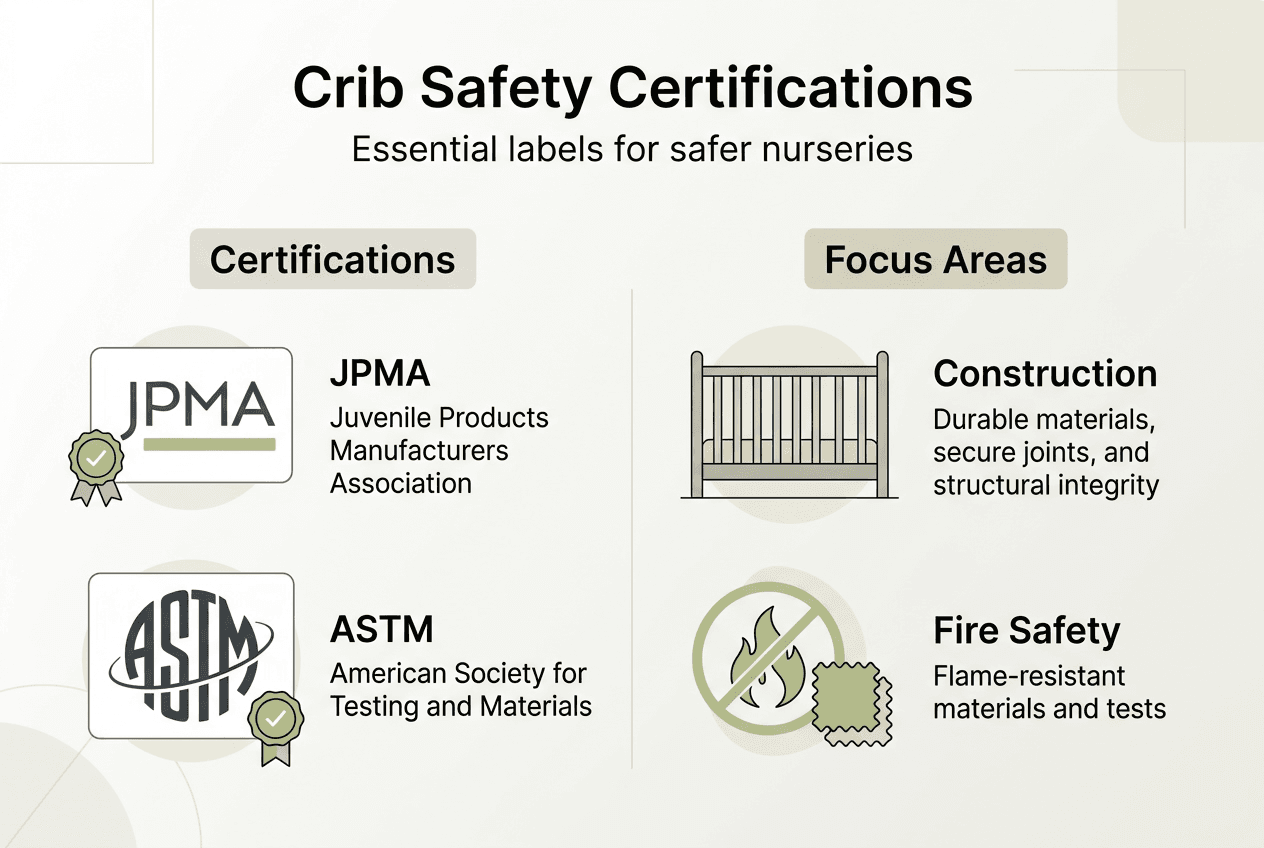
JPMA certification is the gold standard most parents recognize immediately. The Juvenile Products Manufacturers Association runs rigorous third-party testing to confirm cribs meet ASTM standards through independent laboratories. When you see the JPMA seal, you know that crib passed comprehensive evaluations covering structural integrity, material safety, and design specifications.
ASTM International sets the detailed safety standards that define what makes a crib safe. These standards specify exact measurements for slat spacing, mattress support strength, corner post heights, and hardware durability. ASTM standards evolve as new research identifies emerging hazards, ensuring your baby benefits from the latest safety knowledge.
CPSC compliance marks indicate the crib meets Consumer Product Safety Commission regulations, which are mandatory for all cribs sold in the United States. Mattresses must pass flammability tests to ensure they resist ignition and slow the spread of fire, protecting infants during emergencies. This federal oversight creates a baseline safety floor that every manufacturer must meet.
| Certification | Primary Focus | Testing Method |
|---|---|---|
| JPMA | Overall compliance with ASTM | Independent third-party labs |
| ASTM | Design, performance, materials | Industry consensus standards |
| CPSC | Federal mandatory requirements | Government enforcement |
| Flammability | Fire resistance of mattresses | Ignition and flame spread tests |
Mattress flammability certification deserves special attention because fire safety operates separately from structural standards. Federal law requires all crib mattresses to resist ignition from small open flames like matches or lighters. These tests measure how quickly flames spread across the mattress surface and whether the materials self-extinguish or continue burning.
Pro Tip: Look for cribs displaying multiple certifications covering construction, materials, and fire safety. A single label might verify only one aspect, leaving other hazards unaddressed.
Some cribs carry additional certifications for organic materials, low chemical emissions, or sustainable manufacturing. While these extras offer value, never let them replace the core safety certifications. A crib can be organic and still fail basic structural standards if it lacks JPMA or ASTM verification.
Understanding these programs helps you ask the right questions when shopping. If a retailer cannot show you certification documentation, that’s a red flag signaling potential safety gaps. Certified products give you multiple layers of protection verified by independent experts, not just manufacturer promises. Reviewing crib mattress safety alongside crib certifications ensures every component of your baby’s sleep space meets verified standards. Similarly, checking crib bumper safety helps you avoid accessories that contradict the protection certifications provide.
How to choose and verify certified crib products for a safe nursery
Applying your certification knowledge to actual purchases requires a systematic approach that catches safety issues before you bring products home. Follow these steps to verify certifications and set up a truly secure nursery environment.
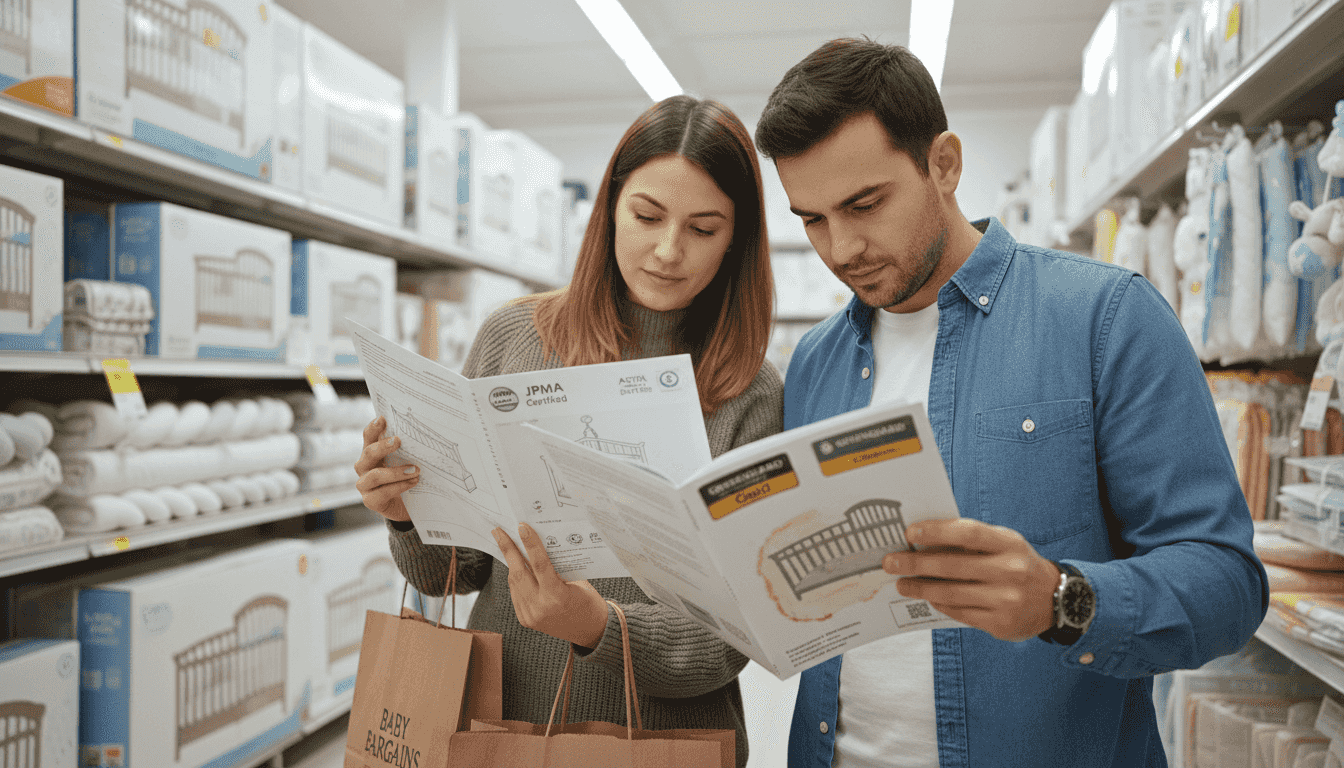
- Locate certification labels on the crib frame, headboard, or mattress tag before purchasing
- Verify the certification date matches current standards, not outdated versions from years ago
- Check that mattress dimensions meet federal requirements with no gaps larger than two fingers between mattress and crib sides
- Inspect materials for certifications indicating non-toxic finishes and flame-resistant fabrics
- Register your crib with the manufacturer immediately to receive recall notifications
- Review assembly instructions to confirm proper installation of all certified safety features
Mattress fit is critical even when both crib and mattress carry certifications. A certified mattress in the wrong size crib creates gaps that negate the safety benefits. Measure your crib’s interior dimensions and compare them against mattress specifications before buying. The mattress should fit snugly with no space for your baby’s head or body to slip between the mattress edge and crib rails.
Pro Tip: Register your crib with the manufacturer within 24 hours of purchase. Recalls happen even with certified products, and registration ensures you receive immediate notification if safety issues emerge.
| Safety Requirement | Certification Standard | Why It Matters |
|---|---|---|
| Mattress size | 27.25" x 51.625" minimum | Prevents entrapment in gaps |
| Mattress thickness | 6 inches maximum | Ensures proper rail height |
| Slat spacing | 2.375 inches maximum | Stops head entrapment |
| Flammability | Pass open flame test | Slows fire spread |
| Material emissions | Low VOC certification | Reduces chemical exposure |
Safe sleeping practices work hand in hand with certified products to maximize protection. A certified crib loses its safety advantage if you fill it with loose blankets, pillows, or unapproved bumpers. Understanding safe sleeping guidelines helps you use certified products correctly, avoiding common mistakes that introduce new hazards.
Avoid buying used cribs or mattresses unless you can verify their certification status and confirm they meet current standards. Older cribs may have been manufactured before updated safety rules took effect, lacking protections now considered essential. Used mattresses pose additional risks from wear, compression, and potential contamination that compromise their certified safety features.
Inspect product materials beyond just checking certification labels. Look for tight-fitting sheets designed specifically for certified mattress dimensions. Verify that crib hardware includes all required safety components like secure mattress support hangers and properly spaced slats. Check crib mattress sizing to ensure perfect compatibility between all nursery components.
Documentation matters as much as the physical labels. Request proof of certification from retailers if labels are missing or unclear. Reputable manufacturers provide detailed certification information on their websites, including test reports and compliance documentation. If a seller cannot produce this information, consider that a warning sign to shop elsewhere.
Common misconceptions about crib safety certifications
Many parents make dangerous assumptions about crib safety that undermine the protection certifications provide. Clearing up these misconceptions helps you make truly informed decisions that keep your baby safe.
The biggest myth is that all certified cribs offer equal protection. Certifications verify minimum standards, but some manufacturers exceed those baselines with additional safety features or more rigorous testing. A crib certified in 2020 may lack improvements incorporated into 2026 standards. Always look for the most recent certification dates to benefit from the latest safety advances.
Price and brand reputation cannot replace certification verification. Expensive cribs from famous brands still need proper certification labels to confirm safety compliance. Some luxury manufacturers focus more on aesthetics than safety testing, assuming parents will trust the brand name. Never skip certification checks just because a crib costs more or comes from a well-known company.
Flammability certification operates independently from structural safety standards, yet many parents assume one certification covers everything. Mattresses must pass flammability tests to ensure they resist ignition and slow the spread of fire, which requires separate testing from slat spacing or hardware strength. Your crib might meet ASTM standards for construction while its mattress fails fire safety requirements. Check both certifications separately.
“Fire safety testing is not optional or secondary. It’s a distinct requirement that saves lives when accidents happen, giving you critical extra seconds to reach your baby.”
Parents often believe using certified cribs means they can add any bedding or accessories without concern. This misconception creates serious risks. Crib bumpers, even certified ones, can increase suffocation hazards despite passing material safety tests. Loose blankets and pillows contradict the bare sleep surface that certifications assume. Following safe sleep recommendations ensures you don’t accidentally negate the protection your certified crib provides.
Common certification mistakes parents make:
- Assuming certification labels never expire or become outdated
- Trusting verbal assurances from salespeople instead of verifying labels
- Believing organic or eco-friendly automatically means safety certified
- Thinking one certification type covers all safety aspects
- Skipping manufacturer registration because the crib seems safe
Pro Tip: Safety standards evolve constantly as researchers identify new hazards. Check for updated certification requirements every few years, especially if you’re reusing a crib for a second child.
Some parents think recalls only affect uncertified products, but certified cribs get recalled too when testing reveals previously unknown issues. Certification reduces risk significantly but cannot eliminate every possible defect. Registration with manufacturers ensures you learn about recalls immediately, allowing you to take action before problems affect your baby.
The misconception that certification is just a marketing gimmick ignores the real testing and verification behind those labels. Independent laboratories spend weeks evaluating cribs through standardized protocols that simulate years of use and abuse. These tests identify failure points that normal inspection would miss, from microscopic paint chips to hardware that loosens over time. Certification represents genuine expert evaluation, not empty promises.
Explore certified baby bedding sets for your nursery
Now that you understand what makes cribs and mattresses truly safe, you can create a complete nursery environment that protects your baby. Kari Studio specializes in handmade nursery essentials designed with infant safety as the top priority, complementing your certified crib perfectly.
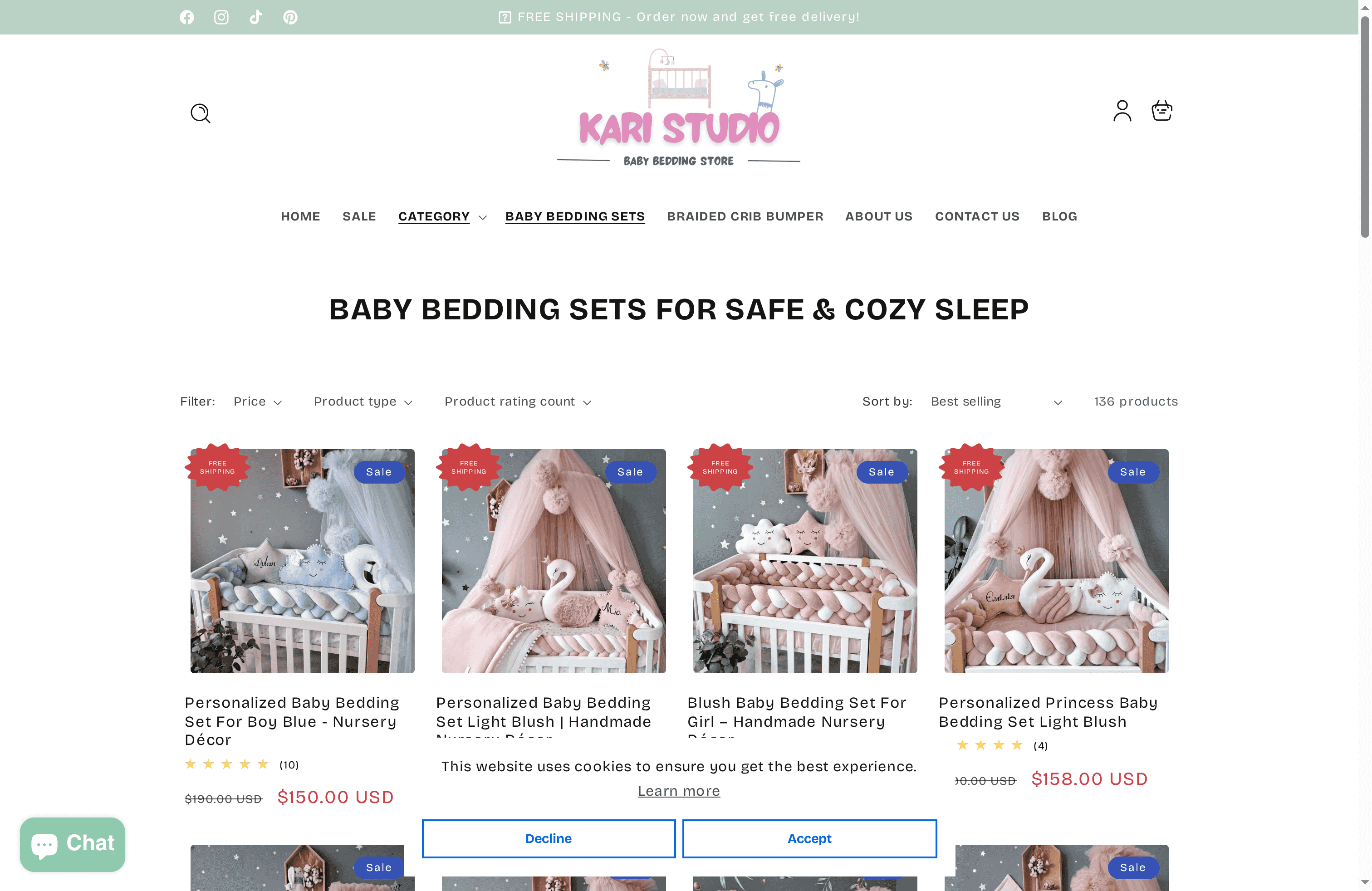
Our organic baby bedding sets use hypoallergenic fabrics that meet strict safety standards while providing the soft comfort your baby deserves. Every piece is crafted to work seamlessly with certified cribs, ensuring proper fit and safe sleeping conditions. Explore our current baby bedding sets sale to find premium quality at accessible prices. For a personal touch that makes your nursery uniquely yours, browse our personalized baby blankets featuring custom embroidery that combines safety with style. Each product reflects our commitment to creating nursery essentials that parents trust and babies thrive in.
FAQ
What is the most recognized crib safety certification?
JPMA certification is widely recognized for rigorously testing cribs to meet ASTM standards through independent third-party laboratories. Look for both JPMA and ASTM marks on crib products to verify comprehensive safety compliance. These certifications together confirm the crib passed structural, material, and performance testing.
How can I verify a crib mattress meets flammability standards?
Check for labels indicating compliance with CPSC flammability standards on mattress packaging or attached tags. If labels are unclear or missing, ask retailers or manufacturers for certification documentation proving the mattress passed required ignition and flame spread tests. Reputable sellers provide this information readily.
Are all crib bumpers safe if they are certified?
Not all crib bumpers are recommended for safety, even when they carry material certifications. Many pediatric experts advise against using any bumpers to reduce suffocation and entrapment risks that outweigh potential benefits. Refer to crib bumper safety guidance and current expert recommendations before adding bumpers to your certified crib.
Why should I avoid buying used cribs without certifications?
Used cribs may not meet current safety standards or could have hidden structural damage that compromises protection. Certification verifies compliance with the latest safety regulations, which evolve as researchers identify new hazards. Older cribs lack these updated protections, putting your baby at unnecessary risk from preventable dangers.