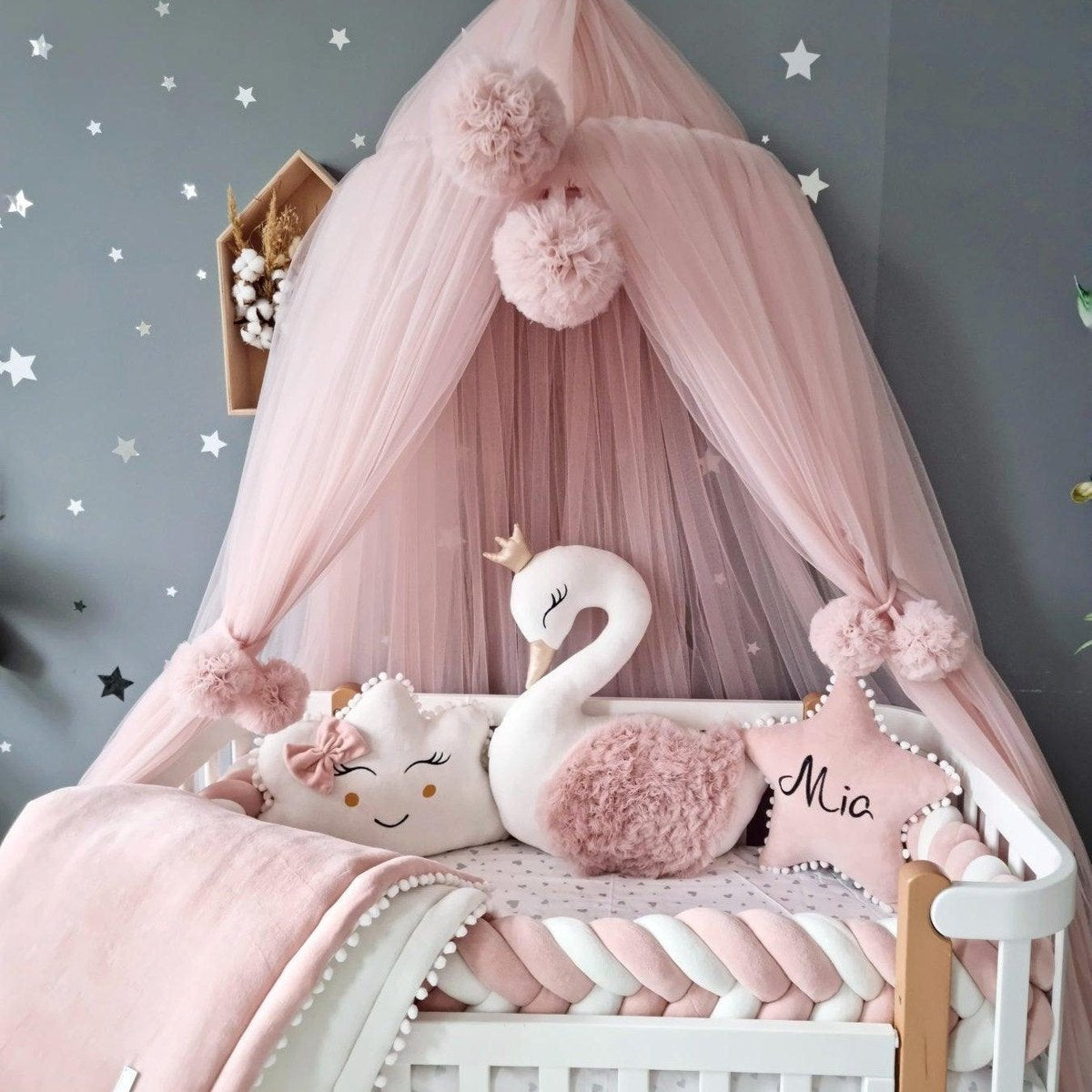
Todo padre se enfrenta al reto de crear una habitación infantil que equilibre belleza y seguridad, especialmente a medida que los bebés crecen y comienzan a explorar. El abandono de las barandillas laterales abatibles, después de que la Comisión para la Seguridad de los Productos de Consumo las prohibiera debido a los riesgos de seguridad, significa que las cunas actuales deben contar con barandillas laterales fijas y cumplir con estrictas normas de diseño que protejan a los niños contra atrapamientos y lesiones. Esta guía explica qué hace que las barandillas laterales modernas sean seguras, destaca las opciones de diseño para transiciones fluidas en la habitación del bebé y muestra cómo encontrar opciones que se adapten tanto a su estilo como a las necesidades de seguridad de su hijo.
Tabla de contenidos
- Explicación de las barandillas laterales ajustables para cunas
- Tipos de barandillas ajustables y alternativas
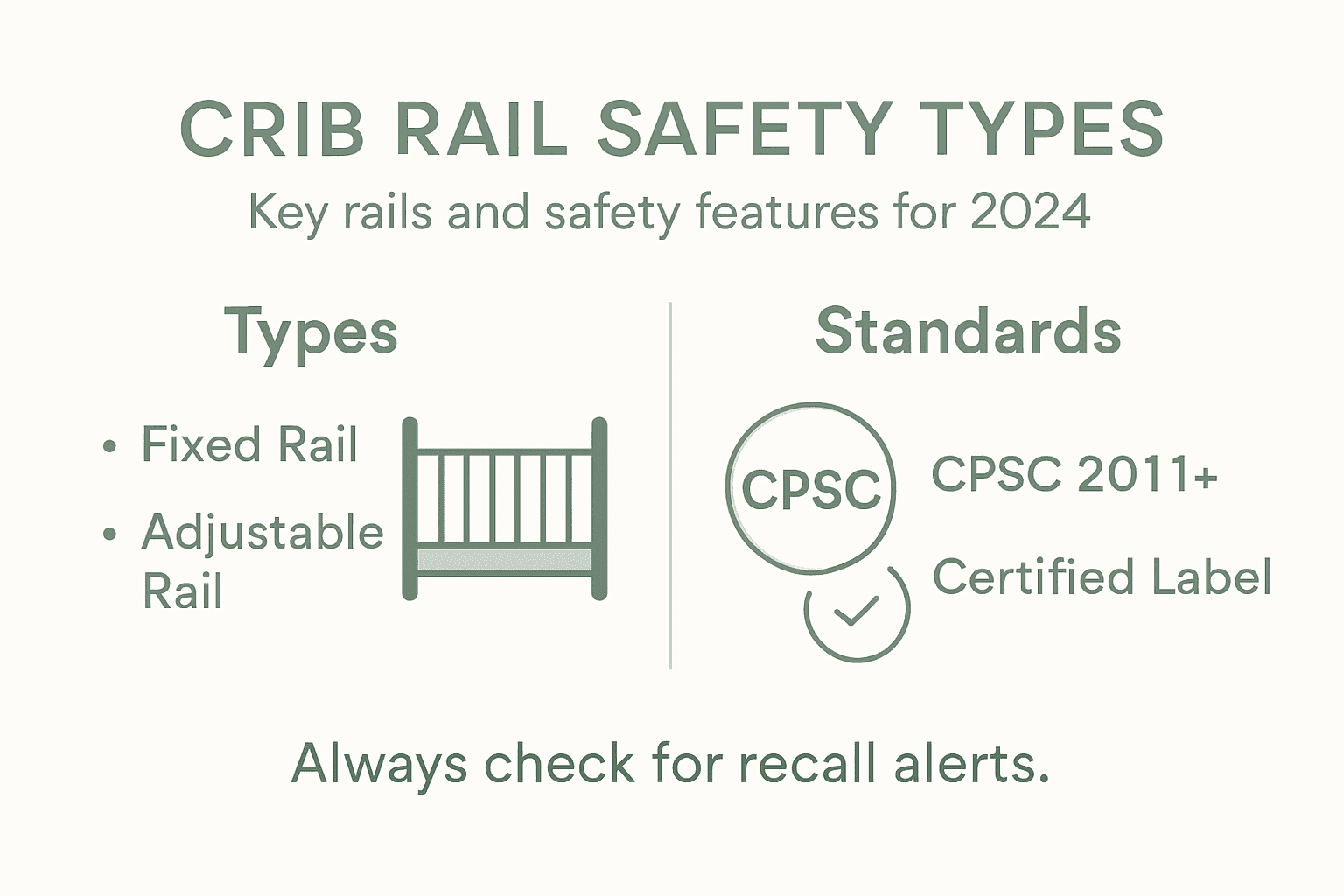
- Normas federales de seguridad para barandillas de cuna
- Características de diseño para configuraciones de guardería más seguras
- Errores comunes y opciones más seguras
Puntos clave
| Punto | Detalles |
|---|---|
| Normas de seguridad de cunas | Elija siempre cunas fabricadas después de 2011 para garantizar el cumplimiento de las normas de seguridad modernas. |
| Barandillas laterales fijas | Opte por cunas con barandillas laterales fijas para minimizar los riesgos de atrapamiento y lesiones. |
| Mantenimiento periódico | Inspeccione regularmente las cunas en busca de signos de desgaste o daños para mantener un entorno de sueño seguro. |
| Ajuste correcto del colchón | Asegúrese de que el colchón encaje perfectamente en la cuna sin huecos para evitar posibles peligros para los bebés. |
Explicación de las barandillas laterales ajustables para cunas
La seguridad de las barandillas laterales de las cunas ha cambiado drásticamente en los últimos años, dando prioridad a la protección del bebé sobre la comodidad. La Comisión para la Seguridad de los Productos de Consumo (CPSC, por sus siglas en inglés) tomó la histórica decisión de prohibir las barandillas laterales abatibles tradicionales debido a importantes riesgos de seguridad, lo que cambió fundamentalmente las normas de diseño de las habitaciones infantiles.
Las cunas modernas cuentan ahora con barandillas laterales fijas que eliminan los peligros potenciales asociados a los componentes móviles. Las normas de seguridad para cunas exigen requisitos de diseño específicos para evitar el atrapamiento y las lesiones del bebé:
- Espacio entre barrotes no superior a 6 cm (2-3/8 pulgadas)
- Barandillas laterales fijas e inamovibles
- Colchón firme que encaje perfectamente dentro del armazón de la cuna
- Postes de esquina diseñados para evitar posibles riesgos de estrangulamiento
La evolución del diseño de las cunas refleja un compromiso crítico con la seguridad del bebé. Anteriormente, las barandillas abatibles permitían a los padres bajar un lado para acceder más fácilmente al levantar al bebé. Sin embargo, estos mecanismos fallaban con frecuencia, creando huecos peligrosos donde los bebés podían quedar atrapados o sufrir lesiones graves.
A continuación, presentamos una comparativa entre las cunas modernas de barandilla fija y las cunas de barandilla abatible descatalogadas:
| Característica | Cunas con barandilla lateral fija | Cunas con barandilla lateral abatible |
|---|---|---|
| Permitido por las normas de seguridad actuales | Sí, aprobado por la CPSC desde 2011 | No, prohibido en EE. UU. desde 2011 | Mecanismo típico | Laterales fijos, no móviles | El lateral se desliza hacia abajo para acceder |
| Riesgo de atrapamiento | Minimizado por diseño | Mayor debido a los huecos móviles |
| Necesidades de mantenimiento | Ajustes de hardware poco frecuentes | Ajustes frecuentes, propensas a fallos |
| Durabilidad a largo plazo | Muy duradera, pocos puntos de desgaste | Menor, el mecanismo a menudo falla |
Consideraciones clave de seguridad para cunas modernas:
- Elija cunas fabricadas después de 2011 (cuando se implementaron las nuevas normas de seguridad)
- Asegúrese de que no haya huecos entre el colchón y los laterales de la cuna
- Inspeccione regularmente los herrajes de la cuna en busca de signos de desgaste o daños
- Siga las directrices del fabricante sobre peso y edad -->
La seguridad no es una característica opcional: es el requisito fundamental para los entornos de sueño de los bebés.
Consejo profesional: Registre siempre su cuna con el fabricante para recibir posibles notificaciones de retirada por seguridad y mantenerse informado sobre las últimas recomendaciones de seguridad infantil.
Tipos de barandillas ajustables y alternativas
El panorama de las soluciones para el sueño infantil ha cambiado drásticamente desde que la Comisión para la Seguridad de los Productos de Consumo (CPSC) prohibió las cunas abatibles tradicionales. Los padres disponen ahora de varias alternativas seguras para dormir que priorizan la protección del bebé sin sacrificar la comodidad.
Las alternativas modernas a la cuna incluyen:
- Minicunas con laterales fijos: Diseño compacto con barandillas fijas
- Parques de juegos portátiles: Versátiles y fáciles de transportar
- Cunas convertibles: Se adaptan a las diferentes etapas del desarrollo del niño
- Moisés: Perfectos para recién nacidos y bebés más pequeños
El cambio más significativo en el diseño de las cunas ha sido la eliminación de las barandillas laterales móviles. Los mecanismos abatibles antiguos suponían riesgos de seguridad considerables, como posibles atrapamientos y fallos estructurales. Las cunas modernas cuentan con barandillas laterales fijas y robustas que proporcionan una protección y estabilidad constantes.
Comparación de soluciones alternativas para dormir:
- Minicunas
- Tamaño reducido
- Ideales para espacios limitados
- Cumplen todas las normas de seguridad
- Parques de juegos portátiles
- Ligeros y móviles
- Multifuncionales
- Adecuados para viajar
- Cunas convertibles
- Se transforman a medida que el niño crece
- Inversión a largo plazo
- Múltiples opciones de configuración
La ingeniería de seguridad en los productos infantiles ha evolucionado para priorizar la protección del niño sobre la comodidad de los padres.
Consejo profesional: Verifique siempre que cualquier solución alternativa para dormir cumpla con las normas de seguridad actuales de la CPSC antes de comprarla, independientemente de su diseño o fabricante.
Normas federales de seguridad para barandillas de cuna
En 2011, la Comisión para la Seguridad de los Productos de Consumo (CPSC) implementó unas innovadoras normas federales de seguridad que transformaron radicalmente los entornos de sueño de los bebés. Estas completas normativas tenían como objetivo eliminar las características de diseño peligrosas que anteriormente comprometían la seguridad de los niños.
Requisitos de seguridad clave para las cunas incluyen:
- Prohibición de los mecanismos de barandilla abatible
- Construcción obligatoria de barrotes más fuertes
- Sistemas mejorados de soporte para el colchón
- Pruebas rigurosas de los herrajes
- Etiquetas de advertencia obligatorias
- Requisitos precisos de espaciado entre barrotes
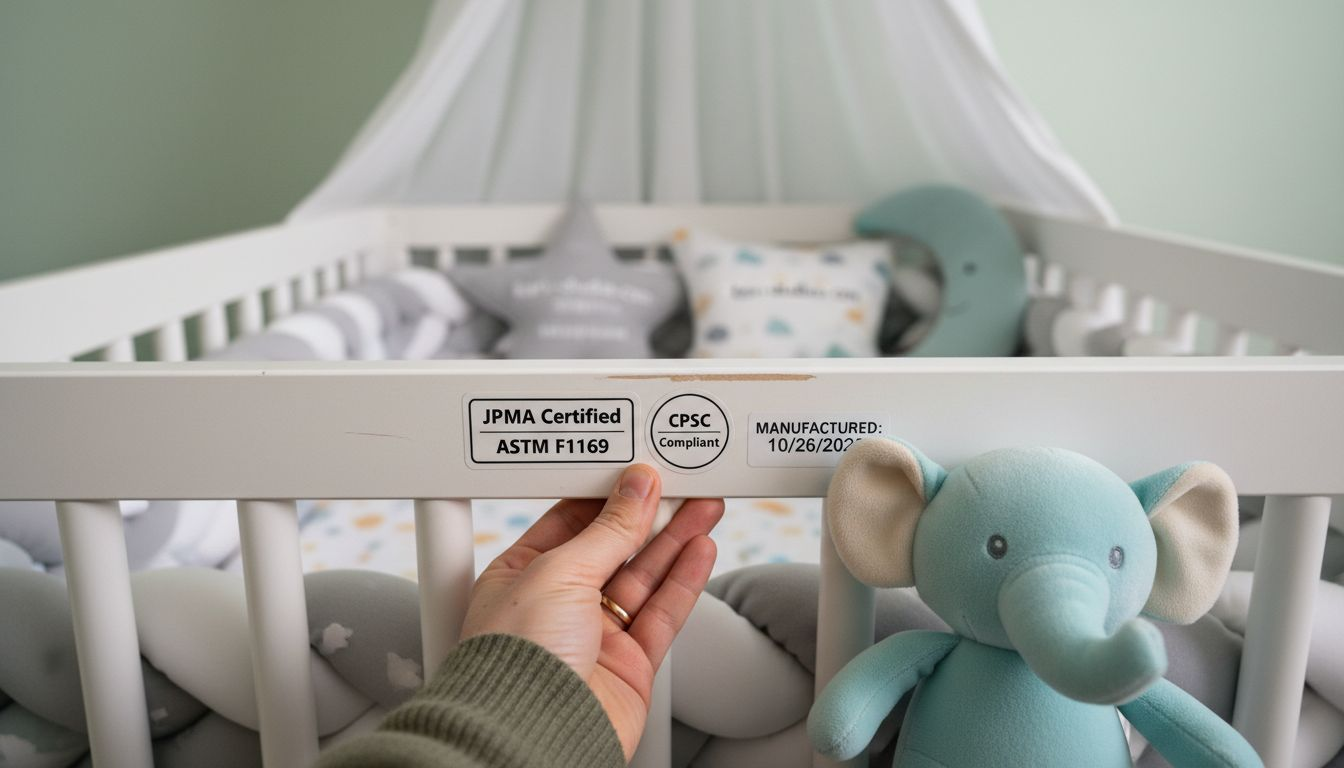
La especificación ASTM F1169-19 establece requisitos de rendimiento detallados para las cunas de tamaño completo. Los fabricantes deben ahora demostrar el cumplimiento a través de protocolos de prueba exhaustivos que evalúan:
- Integridad estructural
- Resistencia de la barandilla lateral
- Durabilidad del soporte del colchón
- Resistencia de los herrajes
- Seguridad de la barandilla para la dentición -->
Estas normas se aplican universalmente en hogares y guarderías, con una fecha límite de cumplimiento en diciembre de 2012. Las cunas fabricadas después de esta fecha deben cumplir con estrictas especificaciones de seguridad diseñadas para evitar posibles lesiones y riesgos de asfixia.
Las normas de seguridad integrales representan una evolución crítica en la protección de los entornos de sueño infantil.
Consejo profesional: Verifique siempre la fecha de fabricación de una cuna y confirme que cumple con las normas de seguridad actuales de la CPSC antes de comprarla o utilizarla.
Características de diseño para configuraciones de guardería más seguras
El diseño moderno de las guarderías prioriza la seguridad del bebé mediante una planificación estratégica y normas de seguridad integrales. Crear un entorno seguro para dormir implica considerar cuidadosamente múltiples elementos de diseño que minimicen los riesgos potenciales.
Directrices críticas de ubicación de seguridad:
- Coloque la cuna lejos de las ventanas
- Evite la proximidad a cables eléctricos
- Mantenga la guardería libre de objetos colgantes
- Asegure un espacio despejado alrededor
- Elimine posibles riesgos de estrangulamiento
La especificación ASTM F1169-19 describe los requisitos de diseño precisos que los fabricantes deben cumplir para garantizar la seguridad en la guardería. Las características de diseño clave incluyen:
- Colchón firme que encaje perfectamente en la cuna
- Espacio entre barrotes no superior a 6 cm (2-3/8 pulgadas)
- Pruebas de hardware robustas
- Eliminación de zonas de posible atrapamiento
- Etiquetas de advertencia obligatorias -->
Configuraciones de seguridad recomendadas para la guardería:
La siguiente tabla resume los elementos de diseño críticos para crear un entorno de guardería más seguro:
| Elemento de diseño | Propósito | Mejores prácticas |
|---|---|---|
| Colocación de la cuna | Reducir el acceso a riesgos | Al menos a 90 cm (3 pies) de ventanas/cables |
| Ajuste del colchón | Evitar huecos alrededor del bebé | Firme, ajustado al armazón de la cuna |
| Espaciado entre barrotes | Evitar atrapamientos | No superior a 6 cm (2-3/8 pulgadas) |
| Postes de esquina/muebles | Eliminar riesgos de estrangulamiento | Asegurarse de que los postes estén nivelados o tapados |
| Decoración circundante | Minimizar riesgos de lesiones | Mantener la decoración fuera del alcance del bebé |
- Espacio libre mínimo de 90 cm (3 pies) alrededor de la cuna
- Sin decoraciones colgantes al alcance del bebé
- Montaje seguro de estanterías y muebles
- Suelo suave y antideslizante cerca de la zona de dormir
- Entorno con temperatura controlada
Cada elección de diseño en una guardería debe priorizar la protección del bebé por encima de las preferencias estéticas.
Consejo profesional: Realice una auditoría de seguridad mensual de su guardería, comprobando si hay nuevos riesgos potenciales o cambios en las capacidades de movilidad de su bebé.
Errores comunes y opciones más seguras
Navegar por la seguridad del sueño infantil requiere comprender los riesgos más frecuentes en el diseño de las guarderías. Las directrices de seguridad de las cunas hacen hincapié en evitar entornos de sueño obsoletos o mal construidos que puedan comprometer el bienestar del bebé.
Riesgos críticos de seguridad a evitar:
- Mecanismos de barandilla abatible
- Colchones sueltos o mal ajustados
- Cunas de segunda mano de más de 10 años
- Recortes decorativos en las estructuras de las cunas
- Ropa de cama suave o almohadas adicionales
- Postes de esquina sin asegurar
Las opciones más seguras implican seleccionar cunas fabricadas después de 2011, que cumplen con estrictas normas de seguridad. Las consideraciones clave incluyen:
- Colchón firme y bien ajustado
- Barandillas laterales fijas
- Espacio entre barrotes no superior a 6 cm (2-3/8 pulgadas)
- Instalación segura de los herrajes
- Sin elementos decorativos que creen riesgos de atrapamiento -->
Lista de verificación de inspección de seguridad recomendada:
- Verifique que no falten herrajes ni estén sueltos
- Compruebe la integridad estructural
- Asegúrese de que las piezas originales sean del fabricante
- Pruebe el ajuste y la estabilidad del colchón
- Retire todos los objetos blandos de la zona de dormir
La prevención es siempre más eficaz que tratar un posible incidente de seguridad después de que ocurra.
Consejo profesional: Realice una auditoría de seguridad mensual exhaustiva del entorno de sueño de su bebé, comprobando si hay nuevos riesgos potenciales o cambios en la integridad estructural.
Mejore la seguridad de su guardería con ropa de cama y protección cuidadosas
Garantizar la seguridad de su bebé significa elegir productos que cumplan con los estándares más altos mientras crea una guardería acogedora. El artículo destaca la importancia crítica de las barandillas laterales fijas y el ajuste perfecto del colchón para prevenir atrapamientos y lesiones en las cunas modernas. En Kari Studio, comprendemos estas preocupaciones y ofrecemos artículos esenciales para guarderías hechos a mano y diseñados por expertos que priorizan la seguridad sin sacrificar el estilo o la comodidad. Nuestros protectores de cuna trenzados hechos a mano para niña y protectores de cuna trenzados hechos a mano para niño proporcionan una protección suave que complementa las características de seguridad estructural de las cunas modernas.
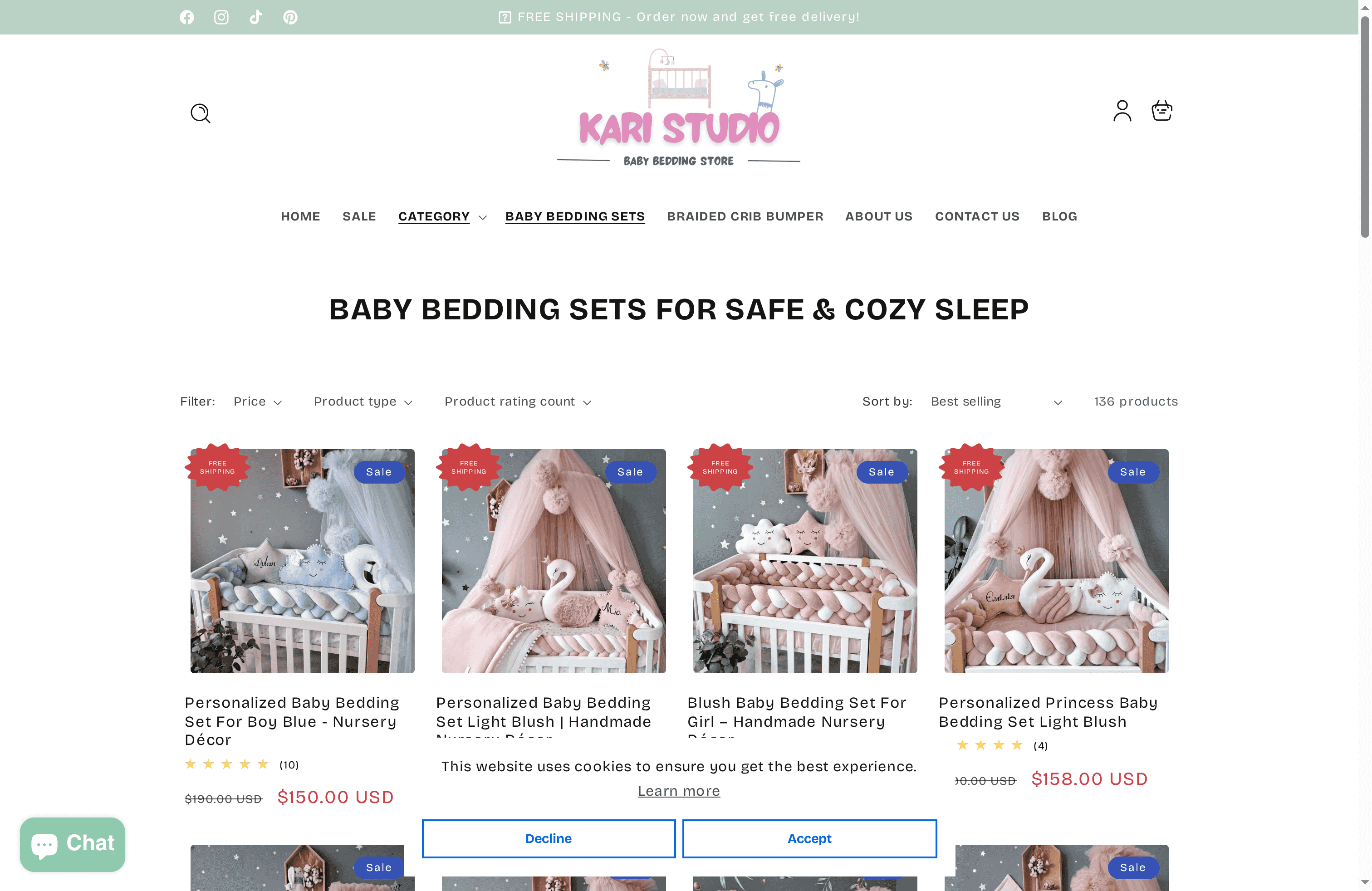
Cree un entorno de sueño seguro hoy mismo con nuestros juegos de ropa de cama hipoalergénicos y personalizables y nuestros protectores de cuna trenzados que se adaptan perfectamente a las cunas modernas con barandillas fijas. Proteja a su pequeño de posibles huecos y peligros mientras añade un toque personalizado a la habitación. Visite nuestra colección completa en Baby Bedding Sets y dé el primer paso hacia una guardería más segura y cómoda ahora.
Preguntas frecuentes
¿Cuáles son las principales características de seguridad de las cunas modernas con barandillas laterales ajustables?
Las cunas modernas con barandillas laterales fijas cuentan con varias características de seguridad, como una separación entre barrotes no superior a 6 cm (2-3/8 pulgadas), un colchón firme que encaja perfectamente dentro del armazón de la cuna y postes de esquina diseñados para evitar el estrangulamiento. Cumplen con las estrictas normas de seguridad establecidas por la CPSC desde 2011.
¿Por qué se prohibieron las barandillas laterales abatibles en las cunas?
Las barandillas laterales abatibles fueron prohibidas debido a riesgos de seguridad significativos, como el atrapamiento y el fallo estructural. Estos mecanismos fallaban con frecuencia, creando huecos peligrosos donde los bebés podían quedar atrapados o sufrir lesiones graves.
¿Cómo puedo asegurarme de que mi cuna cumple las normas de seguridad actuales?
Para asegurarse de que su cuna cumple con las normas de seguridad actuales, compruebe que fue fabricada después de 2011, verifique que no haya huecos entre el colchón y los laterales de la cuna e inspeccione regularmente los herrajes en busca de signos de desgaste o daños. Siga siempre las directrices de peso y edad del fabricante.
¿Cuáles son algunas alternativas seguras a las cunas tradicionales?
Las alternativas seguras a las cunas tradicionales incluyen minicunas de laterales fijos, parques de juegos portátiles, cunas convertibles y moisés. Estas opciones priorizan la seguridad y pueden adaptarse a las diferentes etapas del desarrollo del niño, proporcionando a los padres diversas soluciones para el sueño de sus bebés.
Recomendado
- Cojín para barandilla de cuna: sueño más seguro y dentición
- Guía completa de protección de barandillas de cuna
- Entender cuándo bajar el colchón de la cuna por seguridad
- Alternativas seguras a los protectores de cuna tradicionales para guarderías modernas
- Alergias alimentarias en bebés – Elección de una nutrición segura – naturessoulshop