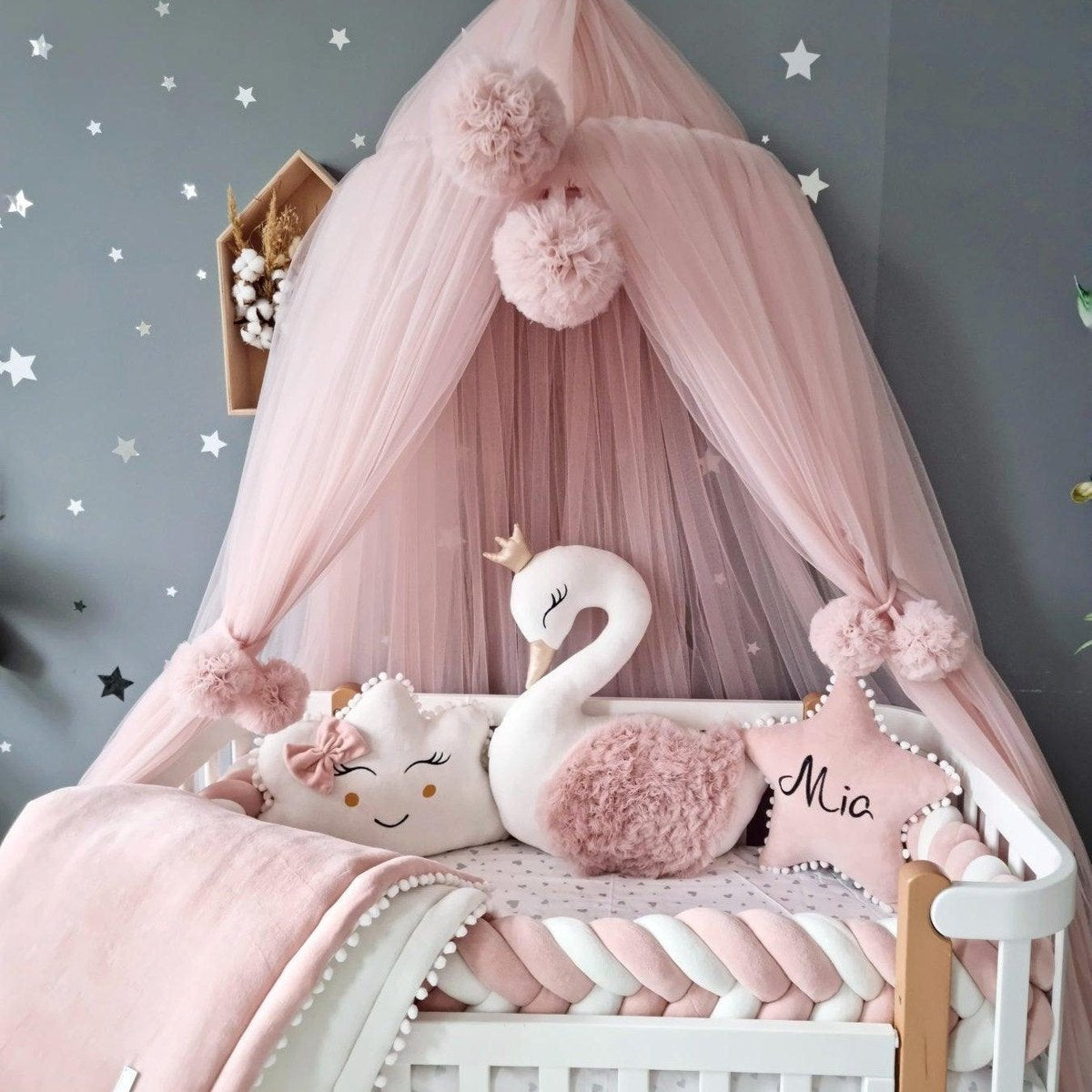
Jede Mutter und jeder Vater kennt diesen Moment, in dem die Auswahl der Grundausstattung für das Kinderzimmer überwältigend erscheint, besonders wenn die Sicherheit auf dem Spiel steht. Nestchen für das Babybett wurden schnell in amerikanischen Kinderzimmern beliebt, aber neuere Forschungsergebnisse enthüllten ernsthafte Bedenken, die die Art und Weise, wie Familien den Babyschlaf angehen, verändert haben. Das Verständnis der Erstickungs- und Einklemmungsrisiken, die mit Nestchen verbunden sind, ist entscheidend, um ein sicheres und stilvolles Kinderzimmer zu schaffen, das den heutigen pädiatrischen Empfehlungen entspricht.
Inhaltsverzeichnis
- Was sind Nestchen und was ist ihr Ursprung
- Arten von Nestchen und ihre Hauptunterschiede
- Traditionelle Verwendung und veränderte Bedürfnisse im Kinderzimmer
- Bundes- und staatliche Gesetze zu Nestchen
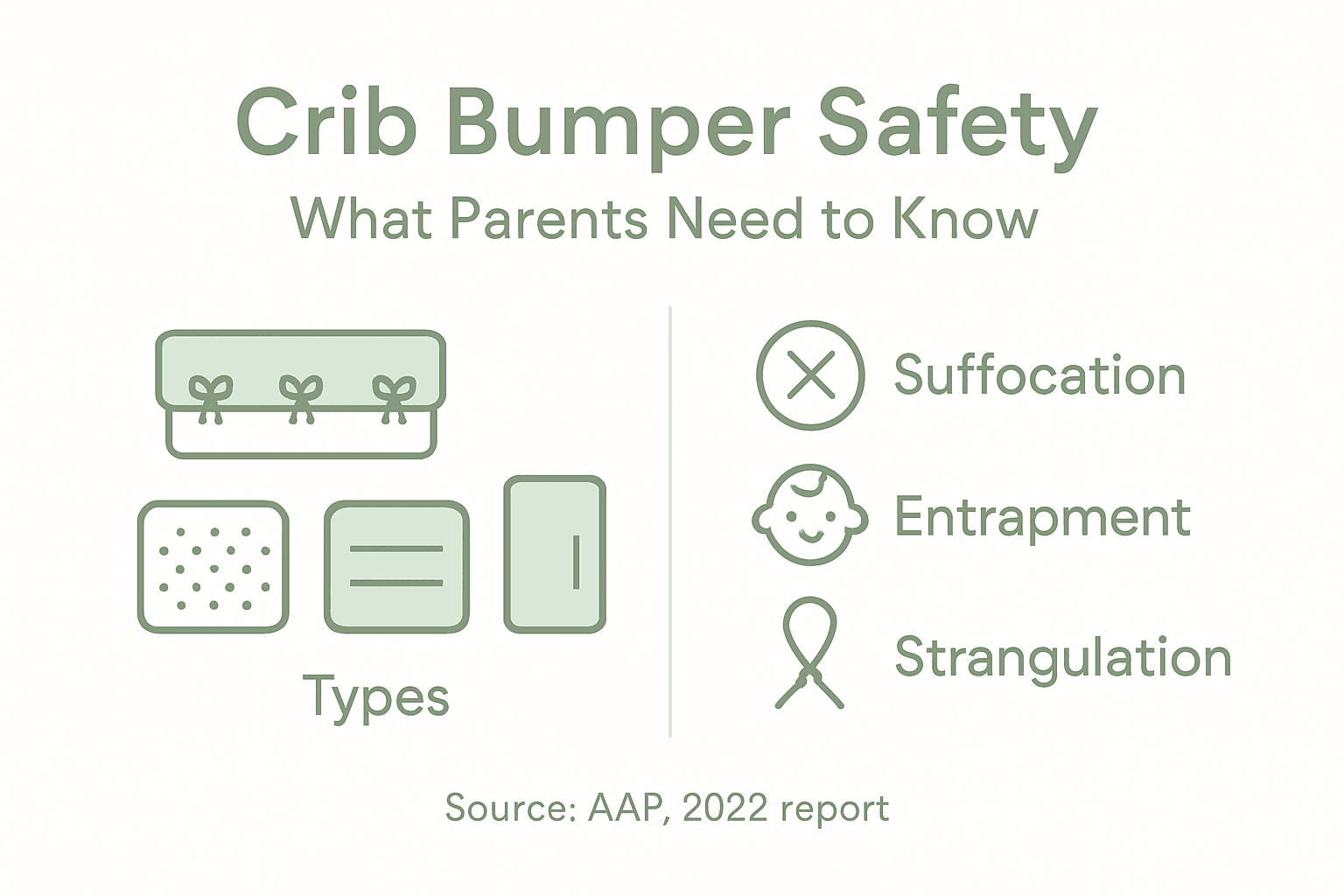
- Hauptrisiken: Ersticken, Einklemmen, Strangulieren
- Sichere Alternativen für ein modernes Kinderzimmerdesign
Wichtigste Erkenntnisse
| Punkt | Details |
|---|---|
| Nestchen bergen Sicherheitsrisiken | Traditionelle gepolsterte Nestchen können zu Erstickungs-, Einklemmungs- und Strangulationsgefahren für Säuglinge führen. |
| Vorschriften ändern sich | Der „Safe Sleep for Babies Act“ von 2021 hat gepolsterte Nestchen landesweit verboten, was die Änderungen in den Sicherheitsvorschriften widerspiegelt. |
| Moderne Alternativen existieren | Sichere Schlafumgebungen bevorzugen atmungsaktive Optionen wie Babyschlafsäcke und passgenaue Bettlaken gegenüber herkömmlichen Nestchen. |
| Pädiatrische Richtlinien beachten | Beziehen Sie sich bei der Einrichtung des Schlafplatzes Ihres Säuglings immer auf die aktuellen pädiatrischen Sicherheitsempfehlungen. |
Was sind Nestchen und was ist ihr Ursprung
Nestchen sind gepolsterte Stoffeinlagen, die dazu dienen, die Innenwände von Babybetten auszukleiden. Ursprünglich sollten sie verhindern, dass Babys gegen die harten Holzwände stoßen oder mit den Gliedmaßen zwischen den Gitterstäben hängen bleiben. Diese weichen Schutzbarrieren wurden Mitte des 20. Jahrhunderts populär und entwickelten sich schnell zu einem Standard-Accessoire für viele Eltern, die eine sicherere Schlafumgebung schaffen wollten.
Historisch gesehen entstand der gepolsterte Schutz im Babybett als gut gemeinte Designlösung für verschiedene wahrgenommene Sicherheitsbedenken:
- Vermeidung von Kopfverletzungen durch harte Bettwände
- Schutz vor Zugluft und Aufrechterhaltung der Schlaftemperatur
- Dekorative Ästhetik für das Kinderzimmer
- Verhinderung, dass kleine Gliedmaßen zwischen den Holzstäben stecken bleiben
Medizinische Forschungsergebnisse veränderten jedoch die Sichtweise auf diese scheinbar schützenden Accessoires grundlegend. Anfang der 2000er Jahre begannen Experten für Kindersicherheit, signifikante Risiken im Zusammenhang mit herkömmlichen Nestchen zu dokumentieren. Erstickungsgefahren und potenzielle Einklemmungsgefahren wurden zu den Hauptsorgen, was zu umfassenden Sicherheitsuntersuchungen führte.
Die Designentwicklung von Nestchen spiegelt das sich wandelnde Verständnis von Kindersicherheit wider. Frühe Versionen waren dicke, stark gepolsterte Stoffpaneele, die den Innenraum des Bettes vollständig auskleideten. Moderne Interpretationen konzentrieren sich auf minimalistische, atmungsaktive Designs, die frühere Sicherheitskritiken adressieren und gleichzeitig die ästhetische Attraktivität bewahren.
Profi-Tipp: Priorisieren Sie bei der Auswahl der Bettwäsche immer die aktuellen pädiatrischen Sicherheitsempfehlungen und besprechen Sie mit Ihrem Kinderarzt die sicherste Schlafumgebung für Ihr Baby.
Arten von Nestchen und ihre Hauptunterschiede
Nestchen haben sich über die Jahre deutlich weiterentwickelt, wobei verschiedene Designvarianten unterschiedliche wahrgenommene Sicherheitsbedürfnisse adressieren. Zu den Hauptarten gehören traditionelle gepolsterte Nestchen, Netzeinlagen und Vinylschutz, die jeweils eigene Eigenschaften und potenzielle Risiken aufweisen.
Traditionelle gepolsterte Nestchen repräsentieren das klassische Design mit weichen Stoffpaneelen, die den Innenraum des Bettes komplett auskleiden. Zu ihren Hauptmerkmalen gehören:
- Dicke, gepolsterte Stoffkonstruktion
- Vollständige Abdeckung der Innenwände
- Dekorative ästhetische Wirkung
- Höchstes Risiko für Ersticken und Einklemmen
Netz-Nestchen kamen als vermeintlich sicherere Alternative auf den Markt, die darauf ausgelegt sind, den Luftstrom zu verbessern und Erstickungsgefahren zu reduzieren. Diese leichteren Alternativen sollen minimalen Schutz bieten, während Sichtbarkeit und Belüftung erhalten bleiben. Dennoch warnen pädiatrische Experten aufgrund potenzieller Sicherheitsbedenken weiterhin vor deren Verwendung.
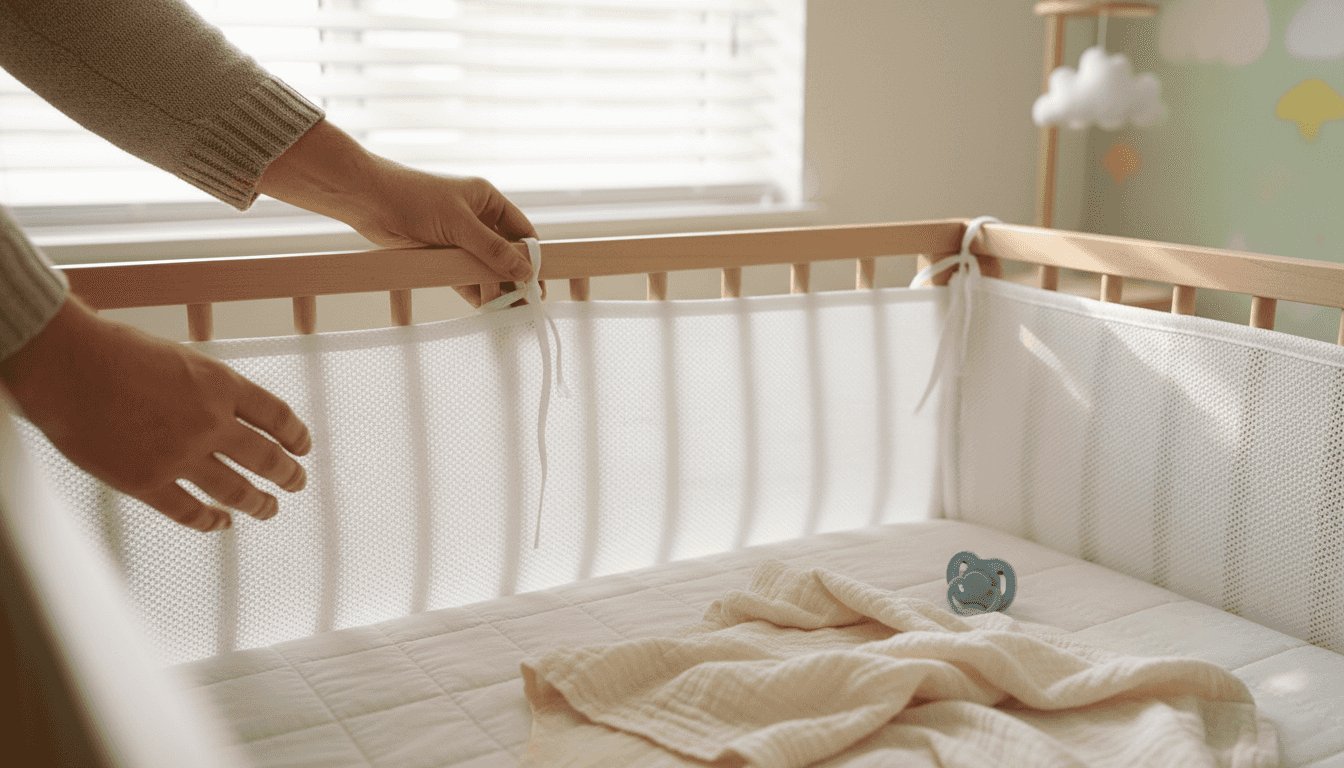
Vinyl-Nestchen sind eine weniger verbreitete Variante, die aus härteren Materialien gefertigt ist und nur begrenzte Atmungsaktivität bietet. Diese Nestchen teilen ähnliche Sicherheitsrisiken wie die traditionellen gepolsterten Versionen, insbesondere im Hinblick auf die Atemwege des Kindes und potenzielle Einklemmungsgefahren.
Hier ist ein kurzer Vergleich der Nestchen-Typen und ihrer Sicherheitsaspekte:
| Nestchen-Typ | Material & Struktur | Luftstrom/Atmungsaktivität | Hauptsicherheitsbedenken |
|---|---|---|---|
| Gepolstert | Dicke Stoffpaneele | Schlecht | Erstickungsgefahr |
| Netz | Leichtes Netzgewebe | Besser | Einklemmungsrisiko |
| Vinyl | Hartes Plastik/Vinyl | Sehr schlecht | Eingeschränkte Atmung |
Profi-Tipp: Konsultieren Sie pädiatrische Sicherheitsrichtlinien und Ihren Arzt, bevor Sie ein Nestchen auswählen, und priorisieren Sie dabei die Atmungssicherheit und Bewegungsfreiheit Ihres Kindes.
Traditionelle Verwendung und veränderte Bedürfnisse im Kinderzimmer
Historisch gesehen erfüllten Nestchen mehrere funktionale und ästhetische Zwecke im Kinderzimmerdesign. Sicherheitsstandards für das Kinderzimmer haben die Wahrnehmung dieser einst üblichen Accessoires drastisch verändert und sie von dekorativen Elementen hin zu potenziellen Sicherheitsrisiken verschoben.
Die traditionelle Verwendung von Nestchen konzentrierte sich auf mehrere Ziele:
- Schutz von Säuglingen vor harten Oberflächen
- Verhinderung, dass Gliedmaßen zwischen den Stäben eingeklemmt werden
- Hinzufügen dekorativer Elemente zum Kinderzimmerdesign
- Schaffung einer weichen, optisch ansprechenden Schlafumgebung
Die Entwicklung des Kinderzimmerdesigns spiegelt signifikante Änderungen im Sicherheitsverständnis wider. Moderne Babybetten verfügen über eine durchdachtere Konstruktion mit korrekt beabstandeten Stäben, die viele der ursprünglichen Bedenken hinsichtlich des Schutzes des Säuglings beseitigen. Diese Fortschritte haben die herkömmlichen Funktionen von Nestchen weitgehend überflüssig gemacht und den Fokus auf offene, atmungsaktive Schlafbereiche gelegt, die potenzielle Risiken minimieren.
Der Verzicht auf Nestchen repräsentiert einen breiteren Wandel in der Philosophie der pädiatrischen Sicherheit. Während Eltern früher versuchten, eine gepolsterte, umschlossene Schlafumgebung zu schaffen, betonen aktuelle Empfehlungen Minimalismus und Luftzirkulation. Freie Bettoberflächen mit passgenauen Laken sind zum neuen Standard geworden, was ein nuancierteres Verständnis der Schlaf-Sicherheit von Säuglingen widerspiegelt.
Profi-Tipp: Informieren Sie sich bei der Gestaltung des Schlafplatzes Ihres Kindes immer über die aktuellen pädiatrischen Sicherheitsrichtlinien, da sich die Empfehlungen durch neue Forschungsergebnisse ständig weiterentwickeln.
Bundes- und staatliche Gesetze zu Nestchen
In einem wegweisenden Schritt zur Verbesserung der Kindersicherheit hat die USA mit dem „Safe Sleep for Babies Act“ von 2021 umfassende bundesweite Einschränkungen für Nestchen eingeführt. Diese bahnbrechende Gesetzgebung stellt einen entscheidenden Wendepunkt in der Regulierung der Kinderzimmersicherheit dar und legt landesweite Standards für den Schlafbereich von Säuglingen fest.
Wichtige Bestimmungen des Bundesverbots umfassen:
- Vollständiges Verbot der Herstellung von gepolsterten Nestchen
- Landesweite Verkaufsbeschränkungen
- Importbeschränkungen für gefährliche Schlafprodukte für Säuglinge
- Durchsetzung durch die Consumer Product Safety Commission (CPSC)
- Signifikante Strafen bei Verstößen
Vor dem Eingreifen der Bundesregierung hatten bereits mehrere Bundesstaaten proaktive Schritte zum Schutz von Säuglingen unternommen. Die Vorschriften auf staatlicher Ebene waren sehr unterschiedlich; Vorreiter wie New York und Ohio setzten frühzeitig Beschränkungen für den Verkauf von Nestchen um. Diese lokalen Bemühungen ebneten letztlich den Weg für die umfassende Bundesgesetzgebung und verdeutlichten das wachsende Bewusstsein für potenzielle Risiken beim Babyschlaf.
Das Gesetz, das seit November 2022 voll wirksam ist, markiert einen signifikanten Wandel in der Art und Weise, wie Hersteller, Einzelhändler und Eltern mit der Schlafsicherheit von Babys umgehen. Durch das Entfernen potenziell gefährlicher Produkte vom Markt zielt die Gesetzgebung darauf ab, schlafbezogene Verletzungen und Todesfälle bei Säuglingen, die mit herkömmlichen Nestchen assoziiert werden, zu reduzieren.
Profi-Tipp: Überprüfen Sie immer die aktuellen Sicherheitsvorschriften und konsultieren Sie pädiatrische Empfehlungen bei der Auswahl der Ausstattung, um den maximalen Schutz Ihres Säuglings zu gewährleisten.
Hauptrisiken: Ersticken, Einklemmen, Strangulieren
Nestchen stellen ein erhebliches Sicherheitsrisiko für Säuglinge dar, mit zahlreichen dokumentierten Gefahren, die zu lebensbedrohlichen Situationen führen können. Die U.S. Consumer Product Safety Commission hat über 100 Todesfälle von Säuglingen dokumentiert, die direkt mit diesen scheinbar schützenden Accessoires in Verbindung stehen.
Zu den primären Risiken im Zusammenhang mit Nestchen gehören:
- Erstickung: Wenn das Gesicht des Säuglings gegen gepolsterte Oberflächen gepresst wird
- Einklemmen: Hängenbleiben zwischen Nestchen und Bettstruktur
- Strangulierung: Potenzielle Gefahr durch lose Bänder oder Stoff
- Eingeschränkte Atmung: Reduzierter Luftstrom um das Gesicht des Säuglings
- Gliedmaßenkompression: Gefahr, dass Gliedmaßen eingeklemmt oder komprimiert werden
Erstickungsmechanismen sind besonders besorgniserregend. Die weiche Polsterung kann eine gefährliche Mikroumgebung schaffen, in der sich Kohlendioxid ansammelt, was potenziell zu einem raschen Sauerstoffmangel führt. Selbst atmungsaktive Netzdesigns können dieses grundlegende Risiko nicht vollständig eliminieren, weshalb pädiatrische Experten konsequent zu freien Bettoberflächen raten.
Einklemmungs- und Strangulationsrisiken ergeben sich aus der konstruktiven Gestaltung herkömmlicher Nestchen. Säuglinge können zwischen den Rändern des Nestchens und den Bettwänden eingekeilt werden oder ihr Kopf kann auf eine Weise eingeklemmt werden, die die Atmung einschränkt. Die scheinbar schützende Polsterung kann sich schnell in ein lebensbedrohliches Hindernis verwandeln.
Profi-Tipp: Priorisieren Sie immer eine klare, ungehinderte Schlafumgebung für Ihr Kind und verwenden Sie nur eine feste Matratze mit einem passgenauen Laken.
Sichere Alternativen für ein modernes Kinderzimmerdesign
Modernes Kinderzimmerdesign priorisiert die Sicherheit von Säuglingen durch strategische Anpassungen der Schlafumgebung. Eltern konzentrieren sich heute darauf, minimalistische, atmungsaktive Räume zu schaffen, die potenzielle Gefahren eliminieren und gleichzeitig Komfort und Ästhetik bewahren.
Wichtige sichere Alternativen zu herkömmlichen Nestchen umfassen:
- Schlafsäcke: Bieten Wärme ohne das Risiko von loser Bettwäsche
- Laufgitter mit Netz: Bieten definierte Schlafplätze mit maximalem Luftstrom
- Passgenaue Betttücher: Gewährleisten eine glatte, sichere Liegefläche
- Puckhilfen/Schlafsäcke: Ermöglichen Temperaturregulierung ohne zusätzliche Textilien
- Atmungsaktive Betteinlagen: Bieten minimalen Schutz bei maximaler Sicherheit
Freie Bettoberflächen stellen den Goldstandard für die Schlafsicherheit von Säuglingen dar. Die American Academy of Pediatrics empfiehlt konsequent, alle weichen Bettwaren, Kissen und dekorativen Gegenstände zu entfernen, die die Atmung des Säuglings behindern könnten. Dieser Ansatz reduziert die Risiken im Zusammenhang mit Ersticken und dem plötzlichen Kindstod (SIDS) drastisch.
Die Annahme dieser Alternativen erfordert einen Umbruch in der Denkweise gegenüber traditionellem Design. Eltern müssen Funktion vor Dekoration stellen, im Wissen, dass eine einfache, klare Schlafumgebung der sicherste Schutz für ihr Kind ist.
Für einen Überblick über sichere Alternativen ziehen Sie die folgenden Optionen in Betracht:
| Sichere Alternative | Wie sie die Sicherheit verbessert | Ideales Nutzungsszenario |
|---|---|---|
| Schlafsäcke | Eliminiert lose Bettwäsche | Kühlere Klimazonen |
| Laufgitter mit Netz | Maximiert Luftstrom und Raum | Reisen oder tägliche Nickerchen |
| Passgenaue Laken | Verhindert Faltenbildung und Ersticken | Täglicher Schlaf |
| Schlafsäcke | Sorgt sicher für Wärme | Säuglinge unter 12 Monaten |
Profi-Tipp: Informieren Sie sich regelmäßig über pädiatrische Sicherheitsrichtlinien und passen Sie die Einrichtung Ihres Kinderzimmers an, während Ihr Kind wächst und neue motorische Fähigkeiten entwickelt.
Schaffen Sie ein sicheres und stilvolles Kinderzimmer mit durchdachter Bettwäsche
Das Verständnis der sich entwickelnden Sicherheitsstandards rund um Nestchen ist für jeden Elternteil wichtig, der das Beste für sein Baby will. Dieser Artikel hebt die Risiken herkömmlicher Nestchen hervor und betont, wie wichtig es ist, eine Ausstattung zu wählen, die Sicherheit mit Komfort verbindet. Bei Kari Studio wissen wir, dass Sie Ihr Kind schützen und gleichzeitig ein gemütliches, schönes Kinderzimmer gestalten möchten.
Entdecken Sie unsere handgefertigten Nestchen für Kinderbetten und geflochtene Nestchen, die mit hypoallergenen, atmungsaktiven Stoffen entworfen wurden und den neuesten pädiatrischen Sicherheitsrichtlinien entsprechen.
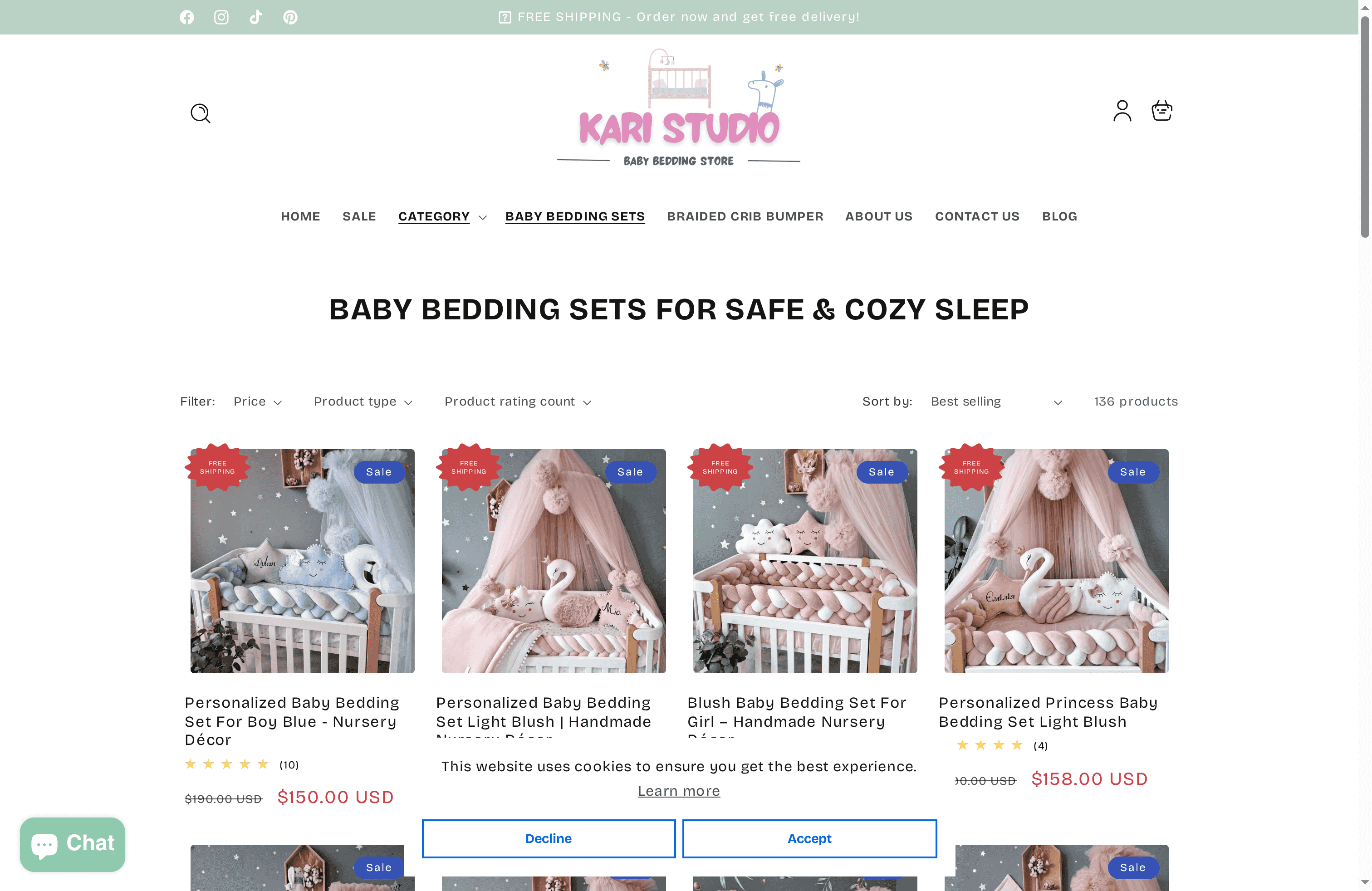
Nutzen Sie unsere anpassbaren Designs bei Kari Studio, um eine einladende Schlafumgebung zu schaffen, die auf die Sicherheit und den Stil Ihres Babys zugeschnitten ist. Erkunden Sie unser gesamtes Sortiment an hochwertiger Babybettwäsche, um Produkte zu finden, die Ihrem Kinderzimmer Seelenfrieden und Charme verleihen. Besuchen Sie uns noch heute unter Kari Studio Babybettwäsche-Sets und wählen Sie Sicherheit, ohne dabei auf Schönheit verzichten zu müssen.
Häufig gestellte Fragen
Was sind Nestchen und was war ihr ursprünglicher Zweck?
Nestchen sind gepolsterte Stoffeinlagen, die dazu dienen, Säuglinge vor dem Stoßen gegen harte Bettseiten oder dem Einklemmen von Gliedmaßen zwischen den Stäben zu schützen. Ursprünglich wurden sie entwickelt, um die Sicherheit zu erhöhen und eine dekorative Ästhetik im Kinderzimmer zu schaffen.
Warum sind Nestchen in den letzten Jahren in Ungnade gefallen?
Nestchen sind aufgrund von Sicherheitsbedenken, einschließlich Erstickungsgefahren und Einklemmungsrisiken, in Verruf geraten. Die medizinische Forschung hat gezeigt, dass sie erhebliche Risiken bergen, was viele Experten dazu veranlasst hat, von ihrer Verwendung abzuraten.
Welche Arten von Nestchen gibt es und was sind ihre Hauptunterschiede?
Die primären Arten von Nestchen sind traditionelle gepolsterte Nestchen, Netz-Nestchen und Vinylschutz. Traditionelle gepolsterte Nestchen sind dick und bieten vollständige Abdeckung, bergen jedoch hohe Erstickungsrisiken. Netz-Nestchen bieten einen besseren Luftstrom, haben aber dennoch Probleme hinsichtlich der Einklemmungsgefahr. Vinyl-Nestchen, die aus harten Materialien bestehen, teilen ebenfalls ähnliche Risiken, insbesondere in Bezug auf die Atmungssicherheit.
Welche Alternativen zu Nestchen gelten als sicherer für Säuglinge?
Sicherere Alternativen umfassen Schlafsäcke, Laufgitter mit Netz, passgenaue Bettlaken, Puckhilfen und atmungsaktive Einlagen. Diese Optionen wahren die Sicherheit des Säuglings, indem sie Erstickungsrisiken minimieren und einen maximalen Luftstrom während des Schlafs gewährleisten.