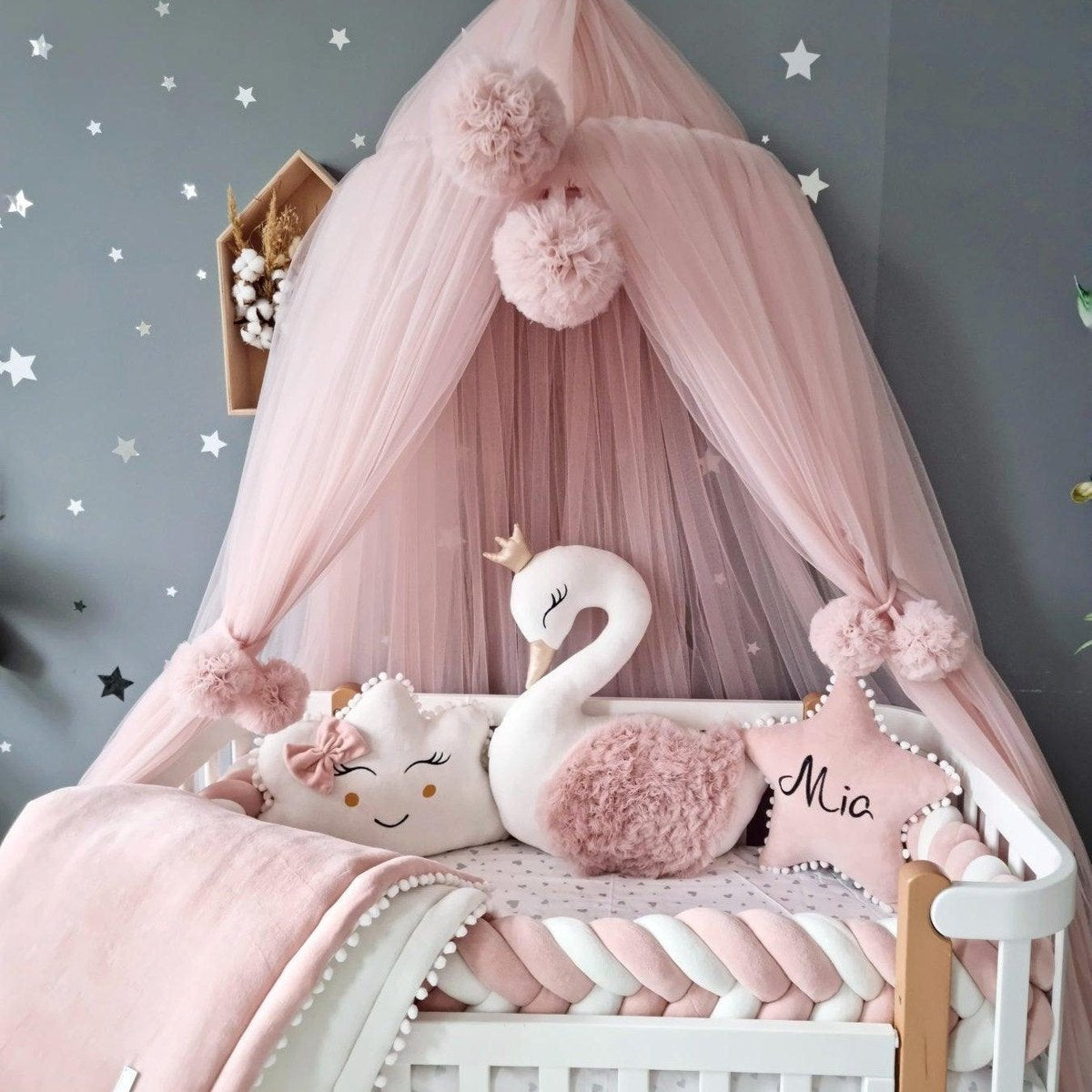
Buying the right crib accessories for your baby involves more than just matching the nursery décor. Many American parents wonder if crib bumpers truly offer the protection they promise, especially with mixed messages about safety. With the federal ban on padded crib bumpers in the United States, understanding what these products are and why experts discourage their use is key to creating a cozy yet safe sleep space for your infant.
Table of Contents
- What Are Crib Bumpers And Their Purpose
- Understanding Types Of Crib Bumpers
- U.S. Laws And Bans On Crib Bumpers
- Safety Risks Linked To Crib Bumper Use
- Alternatives For Safe Crib Protection
Key Takeaways
| Point | Details |
|---|---|
| Crib Bumpers Are Dangerous | Padded crib bumpers increase the risk of suffocation, strangulation, and entrapment for infants, negating their intended safety purpose. |
| Federal Ban on Padded Bumpers | The Safe Sleep for Babies Act bans the manufacture and sale of padded crib bumpers in the United States to protect infants from harm. |
| Safer Alternatives Exist | A bare crib setup and wearable sleep solutions like sleep sacks provide a safe sleeping environment for infants without the risks associated with bumpers. |
| Adherence to Safety Standards is Key | Parents should prioritize products that comply with current safety regulations and avoid any banned items in the nursery. |
What Are Crib Bumpers and Their Purpose
Crib bumpers are padded fabric barriers designed to line the inside of a baby’s crib. Traditionally, parents have used them with the intention of creating a cozy sleeping environment and preventing infants from bumping their heads or getting their arms and legs caught between the wooden slats of the crib frame. The concept sounds logical on the surface: soft padding should protect a baby from hard surfaces, right? The reality, however, tells a different story.
For decades, the bumper industry marketed these products as essential safety additions to nurseries. Many parents purchased them believing they were taking an extra protective measure for their sleeping infant. The traditional design typically consists of padded fabric panels that wrap around the interior perimeter of the crib, secured with ties or adhesive strips. Some versions are fully padded and quilted, while others are simpler fabric liners. The appeal was understandable: they promised comfort, reduced noise from the crib frame, and a finished look that matched nursery decor.
Unfortunately, research on crib bumper hazards reveals that these products do not deliver on their safety promises. Instead, padded crib bumpers have been linked to serious risks including suffocation, strangulation, and entrapment. The very problem parents hoped to prevent with soft padding can actually be caused by the bumpers themselves. A baby can roll into the padding during sleep and become unable to reposition, potentially leading to restricted airflow. Additionally, the ties used to secure bumpers pose strangulation hazards if they come loose, and infants can become trapped between the bumper and the mattress or between the crib slats and bumper material.
Given these dangers, evidence suggests crib bumpers primarily add dangerous clutter to the sleep environment rather than improving safety. The American Academy of Pediatrics and other leading child health organizations have taken a clear stance: padded crib bumpers should not be used in infant sleep spaces. In fact, manufacturing and selling padded crib bumpers is now banned in the United States to protect infants from these documented risks.
If you have heard about crib bumpers and are curious whether they might be right for your nursery, understanding their actual purpose, limitations, and the serious safety concerns is the first step toward making an informed decision for your baby.
Pro tip: If you want to protect your baby from bumping the crib rails while still maintaining a safe sleep space, consider breathable mesh rail guards or protective padding designed specifically to meet current safety standards rather than traditional padded bumpers.
Understanding Types of Crib Bumpers
Crib bumpers come in several variations, each with different designs and materials intended to serve the original purpose of protecting babies during sleep. Understanding what these types are and how they differ is crucial when evaluating whether any version might be appropriate for your nursery. The main categories include traditional padded bumpers, breathable mesh liners, and foam-based alternatives. Each type has distinct characteristics that affect both how they look in a nursery and what safety concerns they present.
Traditional Padded Bumpers remain the most recognizable type, featuring thick, quilted fabric panels that fully line the crib interior. These create a plush, finished appearance and are often designed to coordinate with crib bedding sets. They provide sound dampening and a soft aesthetic that appeals to many parents decorating nurseries. However, traditional padded bumpers are the most problematic from a safety standpoint. The thick padding creates a suffocation risk if an infant rolls into it and cannot reposition. Additionally, the ties or fasteners used to secure them can become loose and pose strangulation hazards. Due to these serious risks, traditional padded crib bumpers are now banned for manufacture and sale in the United States.
Breathable Mesh Liners represent an attempt to address safety concerns by allowing airflow while still providing a barrier around the crib. These liners are made from thin, permeable fabric that lets air circulate freely, theoretically reducing suffocation risk. Many parents have turned to mesh options believing they offer a safer middle ground. However, mesh liners still carry safety concerns because they can create a false sense of security and may be misused. An infant can still become trapped or entangled in the mesh material, and caregivers might be tempted to add additional soft objects nearby, thinking the breathable design makes the sleep space safer than it actually is. Safety experts advise caution with all types of liners, including mesh versions.
Foam-Based Bumpers are less common but still available in some markets. These use foam padding instead of traditional quilted fabric, sometimes marketed as a lightweight alternative. Like padded bumpers, foam versions can pose entrapment and suffocation risks if an infant becomes wedged against them or rolls into them during sleep. The reduced density compared to traditional padded bumpers does not eliminate the core safety concerns.
It is important to know that the American Academy of Pediatrics discourages all types of bumpers due to documented safety risks. Modern cribs are manufactured with slat spacing that meets current safety standards, which significantly reduces the likelihood of limb entrapment even without bumpers. This means the original justification for bumpers is no longer relevant for newly manufactured cribs. When evaluating crib bumper types, recognize that none of them—whether padded, mesh, or foam—are recommended by leading child health organizations for regular use in infant sleep spaces.
Here’s a quick overview of the main types of crib bumpers, their characteristics, and safety concerns:
| Type of Bumper | Main Material | Key Features | Primary Safety Concern |
|---|---|---|---|
| Traditional Padded | Thick quilted fabric | Plush look, sound dampening | Suffocation, strangulation |
| Breathable Mesh Liner | Thin, perforated mesh | Allows airflow, minimal padding | Entrapment, misuse potential |
| Foam-Based Alternative | Lightweight foam | Less bulky, marketed as modern | Suffocation, entrapment |
Pro tip: If you want to personalize your nursery with safe soft furnishings, opt for items that stay outside the crib entirely, such as decorative wall canopies or coordinated bedding for changing tables, rather than any type of bumper placed inside the sleep space.
U.S. Laws and Bans on Crib Bumpers
The United States has taken definitive legal action regarding crib bumpers. In May 2022, Congress signed the Safe Sleep for Babies Act into law, a federal statute that bans the manufacture and sale of padded crib bumpers across the entire nation. This landmark legislation represents a significant shift in how the government regulates infant sleep products and reflects decades of evidence linking padded bumpers to serious injuries and deaths. The law applies to all padded crib bumpers, regardless of brand, design, or marketing claims. This means retailers cannot legally stock them, manufacturers cannot produce them, and sellers cannot distribute them anywhere in the United States.
The federal ban came about because of sustained pressure from medical organizations and safety advocates. The American Academy of Pediatrics, a leading voice in child health, provided strong evidence supporting the need for this legislation. Research documenting infant deaths from crib bumpers made clear that these products posed unacceptable risks to sleeping babies. The risks included suffocation when infants rolled into the padding, strangulation from loose ties or fasteners, and entrapment when babies became wedged between bumpers and crib mattresses. These were not theoretical concerns but documented causes of preventable tragedies. Rather than leaving it to individual parents to weigh risks against benefits, Congress decided the evidence was compelling enough to warrant a complete prohibition.
Understanding what the law actually covers is important for parents shopping for crib accessories. The ban specifically targets padded crib bumpers, which are the thick, quilted fabric liners that have been sold for decades. If you encounter any padded bumper products being sold in the United States after 2022, they are being sold illegally. However, the law does not prohibit all types of crib liners or protective barriers. Some manufacturers have created alternative products designed to comply with the new regulations. Additionally, mesh liners and certain breathable products exist in a legal gray area because they do not fit the precise definition of “padded crib bumpers” under the statute. That said, safety experts advise caution with any product placed inside the crib, as the original purpose bumpers were meant to serve is no longer necessary with modern crib construction standards.
When shopping for nursery products, you may still encounter bumpers being sold illegally online or through secondhand markets. Some sellers may market them under different names or claim they are vintage collectibles. Parents should be aware that purchasing secondhand padded bumpers contradicts both the spirit and intent of the federal law. The ban exists to protect infants, and using banned products puts babies at the documented risks the law was created to prevent. Instead of searching for workarounds to the ban, consider the fact that modern cribs are manufactured with safe slat spacing that meets current standards. This engineering advancement means babies no longer need bumpers to prevent limb entrapment.
Pro tip: When purchasing crib accessories, verify that any product you buy complies with the Safe Sleep for Babies Act by confirming it is not a padded crib bumper and checking that it meets current Consumer Product Safety Commission standards for infant sleep products.
Safety Risks Linked to Crib Bumper Use
Crib bumpers present multiple serious safety hazards that contradict their intended purpose of protecting infants. What parents believe will keep their babies safe can actually create life-threatening situations during sleep. The primary risks fall into three categories: suffocation, strangulation, and entrapment. Each represents a documented cause of infant death that has been carefully studied by safety researchers and medical professionals. Understanding these specific dangers is crucial because awareness shapes how you evaluate whether any type of bumper product belongs in your nursery.
Suffocation Risk occurs when an infant’s face becomes pressed against the padded bumper material. During sleep, babies move around the crib and may roll toward the bumper. When a baby’s nose and mouth contact the thick padding, they can inhale only the air trapped in the fabric itself, which becomes depleted of oxygen as they rebreathe it. This rebreathing of exhaled carbon dioxide can quickly lead to suffocation. The risk increases if a baby is swaddled, placed in an unusual sleeping position, or has reduced muscle tone. Young infants have limited ability to reposition themselves if they find themselves in a compromised position, making them particularly vulnerable. Documented cases of suffocation from bumper padding have been recorded by the U.S. Consumer Product Safety Commission over many decades.
Strangulation Hazards come from the ties, straps, or fasteners used to attach bumpers to the crib. These securing mechanisms can become loose during normal crib use as babies move, the mattress shifts, or the bumper material stretches. A loose tie can wrap around a baby’s neck during sleep, restricting airflow and potentially causing strangulation. Even bumpers marketed as having improved safety features have experienced fastener failures. Parents may not notice a loose tie until it is too late, especially if they do not inspect the crib regularly or if the baby is sleeping through the night. The longer a child sleeps without supervision checking the bumper, the greater the risk exposure.
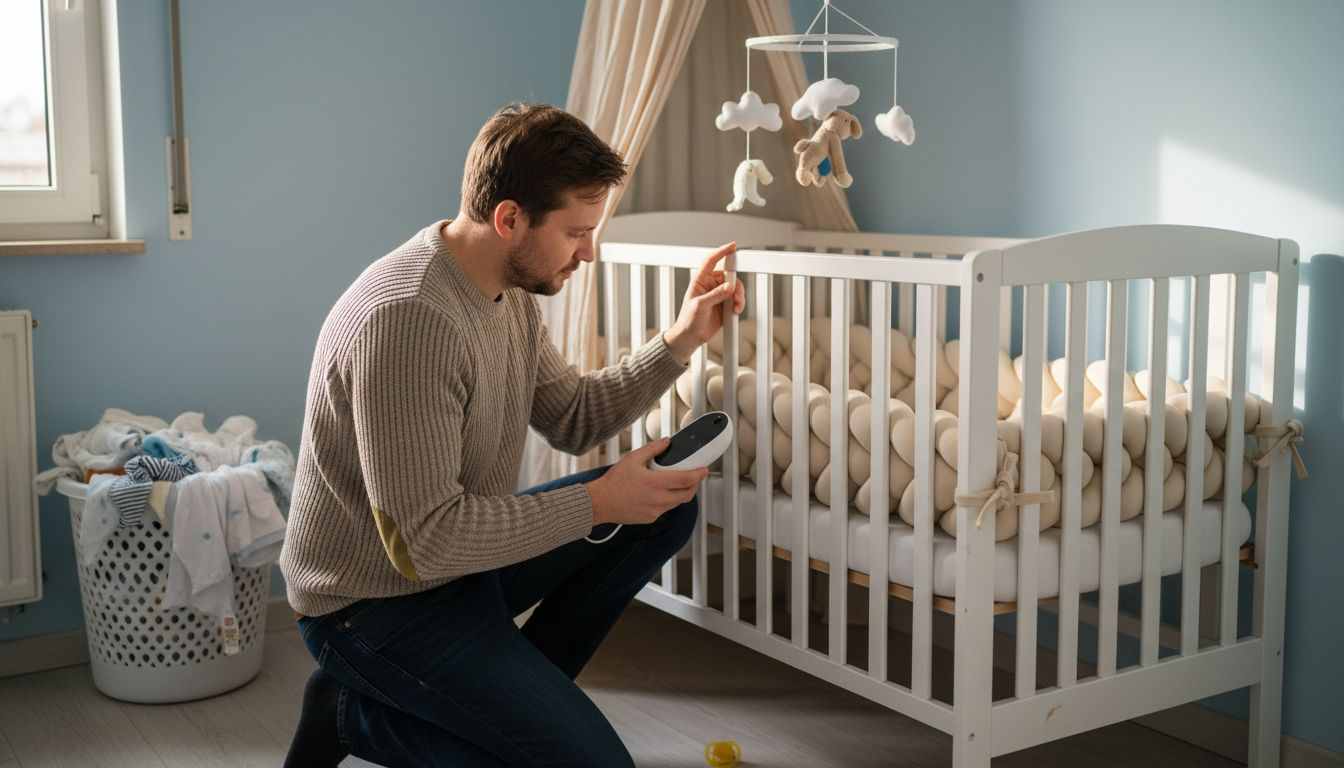
Entrapment occurs when an infant becomes wedged in the space between the bumper and the crib mattress, between the bumper and crib slats, or within folds of bumper material. A baby can accidentally push against a bumper, slip behind it, or become stuck if the bumper shifts position. Once trapped, the infant may be unable to free themselves, particularly if they are very young or sleepy. This creates a confined space where the baby cannot move freely, potentially restricting breathing or causing panic. Additionally, crib bumpers restrict available crib space and degrade airflow, making the sleep environment less safe overall.
Additional Serious Concerns
Beyond the three main hazards, bumpers create other problems:
- They obscure structural issues with the crib that might otherwise be noticed, such as broken slats or loose components
- They create mixed messaging about safe sleep, leading parents to think adding soft items is acceptable
- They increase crib clutter, which research associates with elevated sudden infant death syndrome risk
- Improper installation is common, which can make already dangerous products even more hazardous
The U.S. Consumer Product Safety Commission has documented more than one hundred infant deaths linked to crib bumpers over several decades. These are not theoretical risks or rare occurrences. These are preventable deaths that have actually happened to real families. Medical experts, including the American Academy of Pediatrics, have determined that the risks of bumpers far outweigh any perceived benefits. Modern cribs are manufactured with safe slat spacing that eliminates the original justification for bumpers, making them unnecessary as well as dangerous.
Pro tip: Conduct a bumper audit of your nursery: if you have any padded bumpers already in place, remove them immediately and store them outside the crib area where they cannot accidentally be placed back inside during a moment of fatigue or distraction.
Alternatives for Safe Crib Protection
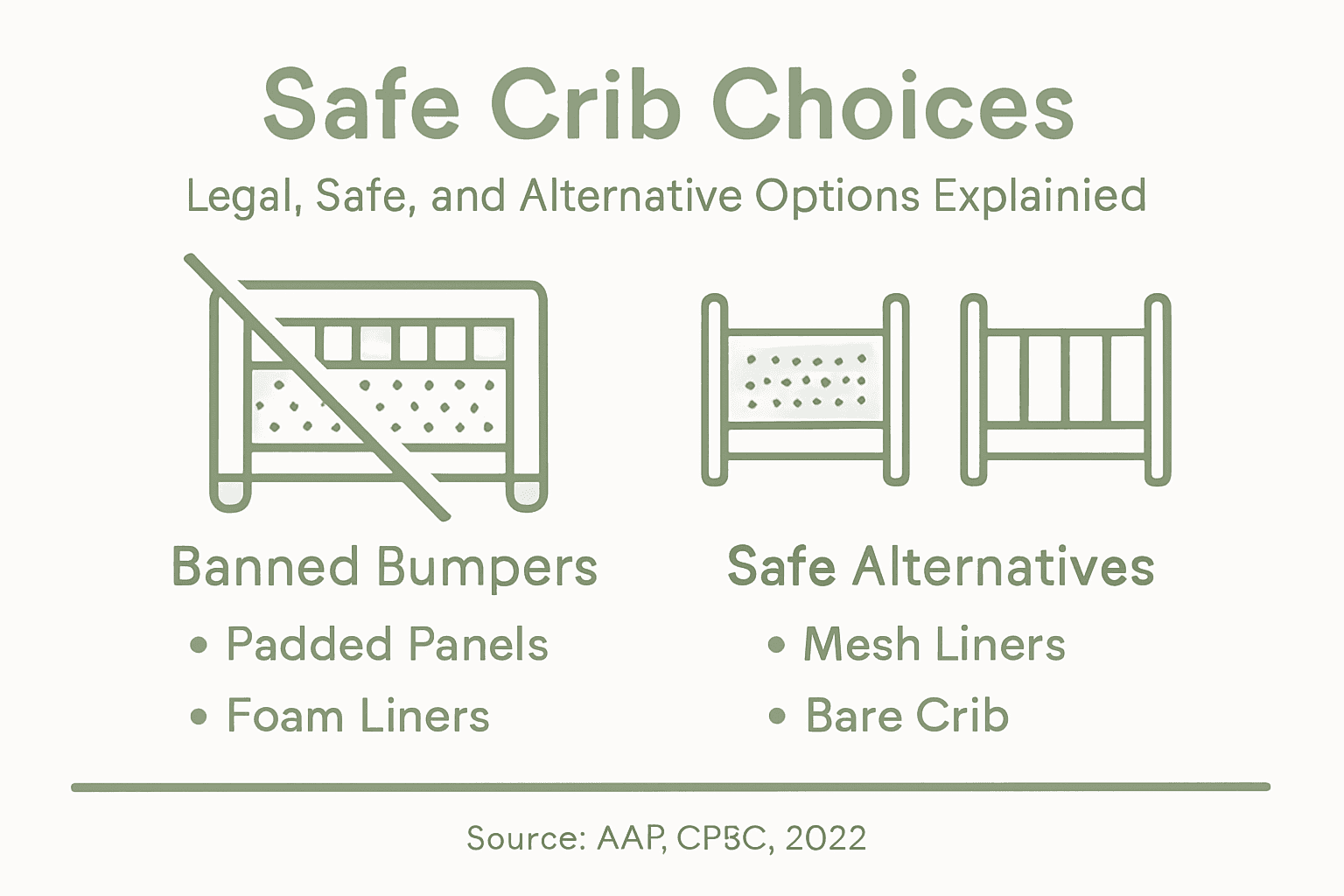
If you are concerned about protecting your baby in the crib, the good news is that safer options exist that actually work better than bumpers. The most effective approach is counterintuitive: the safest crib is the simplest one. Safety experts unanimously recommend a bare crib setup consisting of only a firm mattress and a fitted sheet. This minimalist approach eliminates nearly all suffocation and entrapment hazards while still providing a comfortable sleep surface for your infant. Modern crib design has already solved the original problem bumpers were meant to address. Contemporary cribs are manufactured with safe slat spacing that meets rigorous safety standards, eliminating the risk of limb entrapment without any additional padding or barriers. Your baby does not need bumpers to be protected from the crib structure itself.
Keeping your baby warm without traditional blankets is straightforward with wearable sleep solutions. Sleep sacks and wearable blankets have become the gold standard for infant warmth and comfort. These garments fit snugly on your baby like a sack or wearable blanket, allowing them to move freely while staying at an appropriate temperature. Unlike loose blankets, which pose suffocation hazards, sleep sacks cannot be kicked off or pulled over your baby’s face. You can find sleep sacks in various weights appropriate for different seasons and room temperatures. This approach keeps your infant cozy without introducing any soft objects into the crib. Many parents find sleep sacks more convenient than traditional blankets because there is nothing to adjust or worry about during the night.
Beyond the basic bare crib setup, consider how you can personalize your nursery safely. Safe crib bumper alternatives for modern nurseries focus on items placed outside the sleep space rather than inside it. Wall-mounted canopies, decorative crib skirts positioned below the mattress, and coordinated bedding for changing tables allow you to create the aesthetic you want without compromising safety. Kari Studio offers beautifully designed items like decorative canopies and coordinated nursery bedding sets that add visual interest to your room while keeping the sleep space itself safe and uncluttered. You can also use soft furnishings like pillows and decorative blankets on a separate changing table or dresser, creating a cohesive look that celebrates your style while respecting safe sleep guidelines.
For those considering safer alternatives, here’s how the most common crib protection options compare:
| Option | What It Involves | Safety for Infants | Customization Potential |
|---|---|---|---|
| Bare Crib Setup | Only mattress and fitted sheet | Highest, safest approach | Minimal, but can add decor nearby |
| Sleep Sacks | Wearable baby sleep garment | Highly recommended | Widely available in styles |
| Mesh Rail Guard | Breathable mesh on crib rails | Safer than padded bumpers | Limited color/design choices |
| Decorative Items (outside crib) | Wall canopies or crib skirts | No risk, never in sleep space | Extensive for room decor |
Additional Safety Measures
Beyond the core elements of a bare crib, several other practices strengthen your baby’s sleep safety:
- Place your baby on their back for every sleep to reduce sudden infant death syndrome risk
- Maintain room temperature within a comfortable range and dress your baby appropriately rather than using additional blankets
- Use a firm, well fitting mattress that does not allow gaps where an infant could become trapped
- Keep the crib in your room for at least the first six months, ideally the first year
- Avoid wedges, positioners, and any accessories that create suffocation hazards
- Ensure the fitted sheet is appropriate for your mattress size and is secured properly
The beauty of this approach is its simplicity. You are not adding protective layers that might inadvertently create new hazards. You are providing exactly what your baby needs: a safe, firm sleeping surface and appropriate clothing for warmth. Research consistently shows that babies sleep well and safely in bare cribs. Many parents initially worry that a bare crib looks too plain or that their baby will be uncomfortable, but these concerns fade quickly once they see their infant sleeping peacefully and safely through the night. Your baby does not need bumpers, pillows, or decorative bedding to be content during sleep. They need a secure, uncluttered space where they can move freely and breathe easily.
Pro tip: Invest in two or three high quality sleep sacks in different weights so you can adjust your baby’s warmth for seasonal changes without ever reaching for a blanket inside the crib.
Discover Safe and Stylish Nursery Solutions Today
Choosing crib bumpers carefully is crucial since traditional padded bumpers carry safety risks and are banned across the United States. If you want to protect your baby without compromising safety or style, consider safer alternatives made with love and attention to detail. At Kari Studio, we specialize in handmade braided crib bumpers designed to meet modern safety expectations while adding a cozy, personalized touch to your nursery.
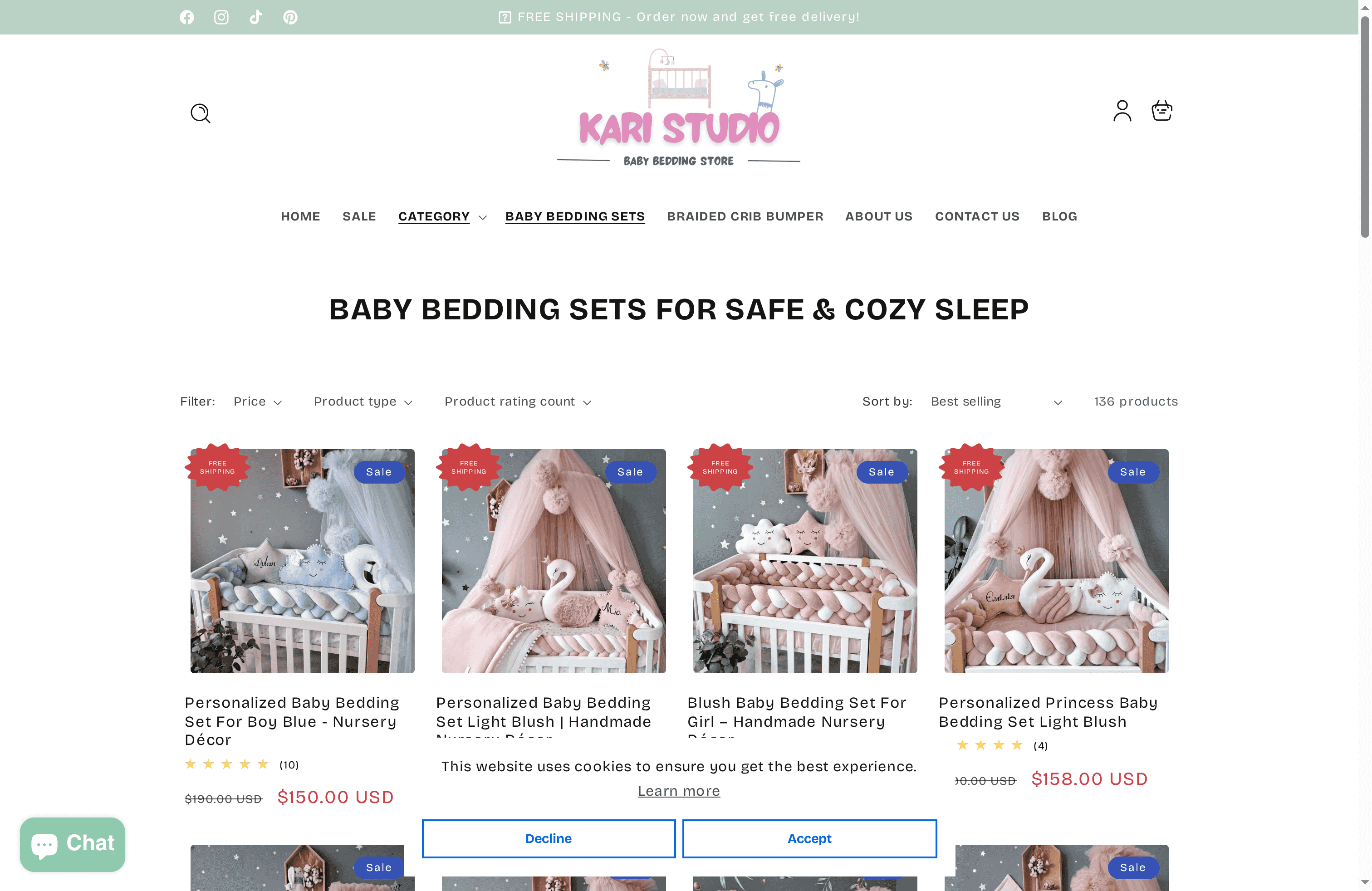
Explore our beautiful collections with options tailored for both girls and boys including Handmade Bumper Pads for Girl Cot and Handmade Bumper Pads for Boy Cot. Each piece is crafted from hypoallergenic, breathable fabrics to enhance comfort and safety. Start creating a safer sleep space that reflects your family’s style by visiting our full range of premium baby bedding sets today. Embrace peace of mind and elegant nursery design now.
Frequently Asked Questions
What are crib bumpers and what purpose do they serve?
Crib bumpers are padded fabric barriers that line the inside of a baby’s crib, intended to prevent infants from bumping their heads or getting limbs caught between crib slats. However, research shows they pose severe safety risks such as suffocation and strangulation.
Are there legal restrictions on using crib bumpers?
Yes, in the United States, the manufacture and sale of padded crib bumpers are banned under the Safe Sleep for Babies Act due to their associated hazards. This legislation prohibits these products entirely to enhance infant safety.
What safer alternatives exist to crib bumpers for protecting infants?
Safer alternatives include a bare crib setup with only a firm mattress and fitted sheet, or using breathable mesh rail guards designed to reduce risks. Additional options like sleep sacks keep infants warm without introducing soft objects into the crib.
What types of crib bumpers are available, and do they have safety concerns?
The main types are traditional padded bumpers, breathable mesh liners, and foam-based bumpers. Despite variations, all types carry safety concerns such as suffocation, entrapment, and strangulation, leading experts to advise against their use.