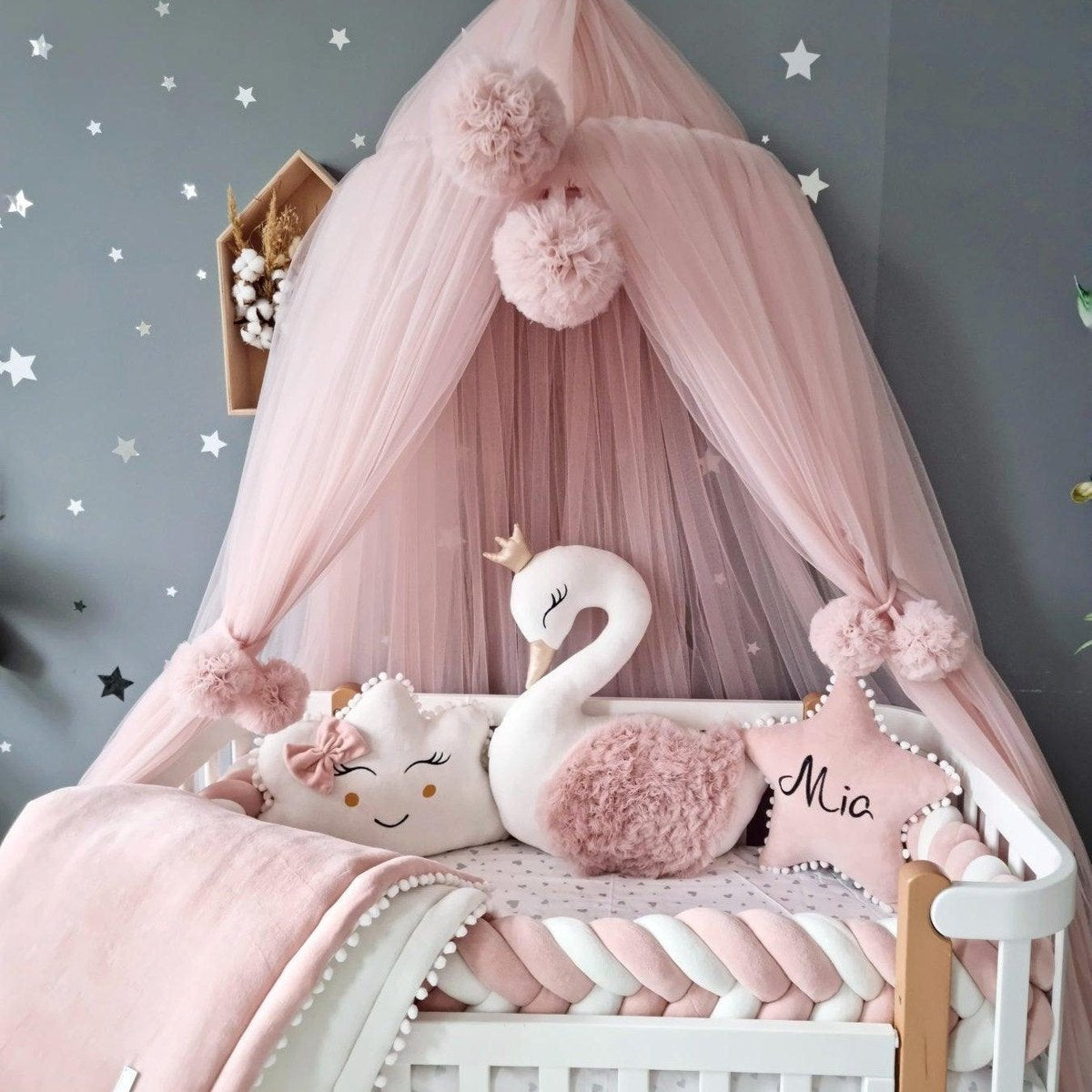
Jede Elternteil steht bei der Einrichtung eines Kinderzimmers in den Vereinigten Staaten vor der Herausforderung, Sicherheit mit Stil in Einklang zu bringen. Bei so vielen entzückenden Optionen kann es sich überwältigend anfühlen, den Fokus auf das Wesentliche zu legen. Indem dieser Leitfaden die entscheidenden Sicherheitskomponenten hervorhebt, die von Experten empfohlen werden, und zeigt, wie Sie den Raum Ihres Babys personalisieren können, erfahren Sie, wie Sie eine gemütliche Umgebung gestalten, die sowohl sicher als auch einzigartig ist.
Inhaltsverzeichnis
- Was macht die Grundausstattung für Kinderbettwäsche aus?
- Arten von Kinderbettwäsche und ihre Funktionen
- Wichtige Sicherheitsstandards in den Vereinigten Staaten
- Auswahl hypoallergener und sicherer Materialien
- Personalisierung und Gestaltungsmöglichkeiten für das Kinderzimmer
- Häufige Fehler beim Aufbau eines Kinderbetts
Wichtige Erkenntnisse
| Punkt | Details |
|---|---|
| Sichere Grundausstattung für das Kinderbett | Verwenden Sie eine feste Matratze, ein Spannbettlaken und einen wasserdichten Matratzenschoner für eine sichere Schlafumgebung für Kleinkinder. |
| Gefährliche Gegenstände vermeiden | Verwenden Sie keine weiche Bettwäsche, Kissen oder Nestchen, die Erstickungsgefahr bergen könnten. |
| Hypoallergene Materialien wählen | Wählen Sie Kinderbettwäsche aus organischen oder natürlichen Materialien, um die Gesundheit und den Komfort des Babys zu gewährleisten. |
| Regelmäßige Sicherheitsüberprüfungen durchführen | Kontrollieren Sie das Kinderbett regelmäßig auf lockere Schrauben oder abgenutzte Materialien, um einen sicheren Schlafplatz für Ihr Baby zu erhalten. |
Was macht die Grundausstattung für Kinderbettwäsche aus?
Die Wahl der richtigen Bettwäsche für das Kinderbett ist mehr als nur die Auswahl niedlicher Muster – es geht darum, eine sichere und komfortable Schlafumgebung für Ihr Neugeborenes zu schaffen. Das Verständnis der wesentlichen Bestandteile von Kinderbettwäsche hilft Eltern, fundierte Entscheidungen zu treffen, die das Wohlbefinden ihres Babys in den Vordergrund stellen.
Die Grundlage für sichere Kinderbettwäsche beginnt mit entscheidenden Sicherheitskomponenten. Gemäß den Richtlinien für sicheren Schlaf sollten Eltern sich auf minimalistische, atmungsaktive Artikel konzentrieren, die das Erstickungsrisiko verringern:
- Kinderbettmatratze: Eine feste, flache Oberfläche, die eng im Kinderbett anliegt
- Spannbettlaken: Speziell passend für die Matratze, ohne überschüssigen Stoff
- Matratzenschoner: Wasserdichte Schicht zum Schutz vor Verschüttungen und Unfällen
Beim Zusammenstellen eines Kinderbettwäsche-Sets müssen Eltern weiche, potenziell gefährliche Gegenstände vermeiden. Verbrauchersicherheitsempfehlungen raten dringend von Folgendem ab:
- Lose Decken
- Kissen
- Nestchen
- Stofftiere
- Zusätzliche weiche Bettwäsche
Diese Gegenstände können Erstickungsgefahren verursachen und das Risiko für den plötzlichen Kindstod (SIDS) erhöhen. Der sicherste Ansatz ist ein minimalistisches Design, das Ihr Baby sicher und bequem hält.
Hier ist eine Zusammenfassung der empfohlenen Bettwäschekomponenten im Vergleich zu Gegenständen, die für einen sichereren Schlaf vermieden werden sollten:
| Komponententyp | Vorteil für das Baby | Sicherheitsrisiko | US-Sicherheitsstatus |
|---|---|---|---|
| Spannbettlaken | Sicherer, atmungsaktiver Sitz | Minimales Risiko | Sehr empfohlen |
| Matratzenschoner | Schützt die Matratze, wasserdicht | Kein direktes Risiko | Für den Gebrauch zugelassen |
| Schlafsack | Wärme ohne losen Stoff | Geringes Risiko | Sichere Alternative |
| Lose Decke | Kann das Gesicht des Babys bedecken | Hohe Erstickungsgefahr | Verboten |
| Kissen | Birgt Gefahr des Einklemmens | Sehr hohes Risiko | Verboten |
| Nestchen | Schränkt die Luftzirkulation ein | Schwere Gefahr | Verboten |
Profi-Tipp: Kaufen Sie immer Bettwäscheartikel, die speziell für den Gebrauch bei Säuglingen entwickelt wurden, und stellen Sie sicher, dass sie den aktuellen Sicherheitsstandards entsprechen und präzise auf Ihr spezifisches Kinderbettmodell passen.
Arten von Kinderbettwäsche und ihre Funktionen
Die Welt der Kinderbettwäsche zu navigieren erfordert ein Verständnis der verschiedenen Arten und ihrer spezifischen Zwecke. Während die Ästhetik wichtig ist, stehen Sicherheit und Funktionalität bei der Auswahl von Artikeln für die Schlafumgebung Ihres Säuglings an erster Stelle. Richtlinien zur Verbrauchersicherheit bieten entscheidende Einblicke in die Auswahl geeigneter Bettwäschekomponenten.
Zu den wichtigsten Arten von Kinderbettwäsche gehören:
- Spannbettlaken: Eng anliegende, atmungsaktive Laken, die die Matratze abdecken
- Matratzenschoner: Wasserdichte Barrieren gegen Verschüttungen und Allergene
- Schlafsäcke: Sichere Alternativen zu herkömmlichen losen Decken
- Bettvolants: Dekorative Elemente, die die Schlafsicherheit nicht beeinträchtigen
Eltern müssen bei bestimmten Bettwäscheartikeln Vorsicht walten lassen. Empfehlungen für sicheren Schlaf raten dringend davon ab, Folgendes hinzuzufügen:
- Kissen
- Lose Decken
- Nestchen
- Stofftiere
- Zusätzliche weiche Bettwäsche
Diese Gegenstände können gefährliche Erstickungsrisiken schaffen und potenziell die Wahrscheinlichkeit für den plötzlichen Kindstod (SIDS) erhöhen. Das Ziel ist es, einen minimalistischen, atmungsaktiven Schlafplatz zu schaffen, der Ihr Baby sicher hält.
Profi-Tipp: Investieren Sie in 2-3 Spannbettlaken und einen hochwertigen, wasserdichten Matratzenschoner, um sicherzustellen, dass Sie immer eine saubere, trockene Schlafunterlage für Ihren Säugling haben.
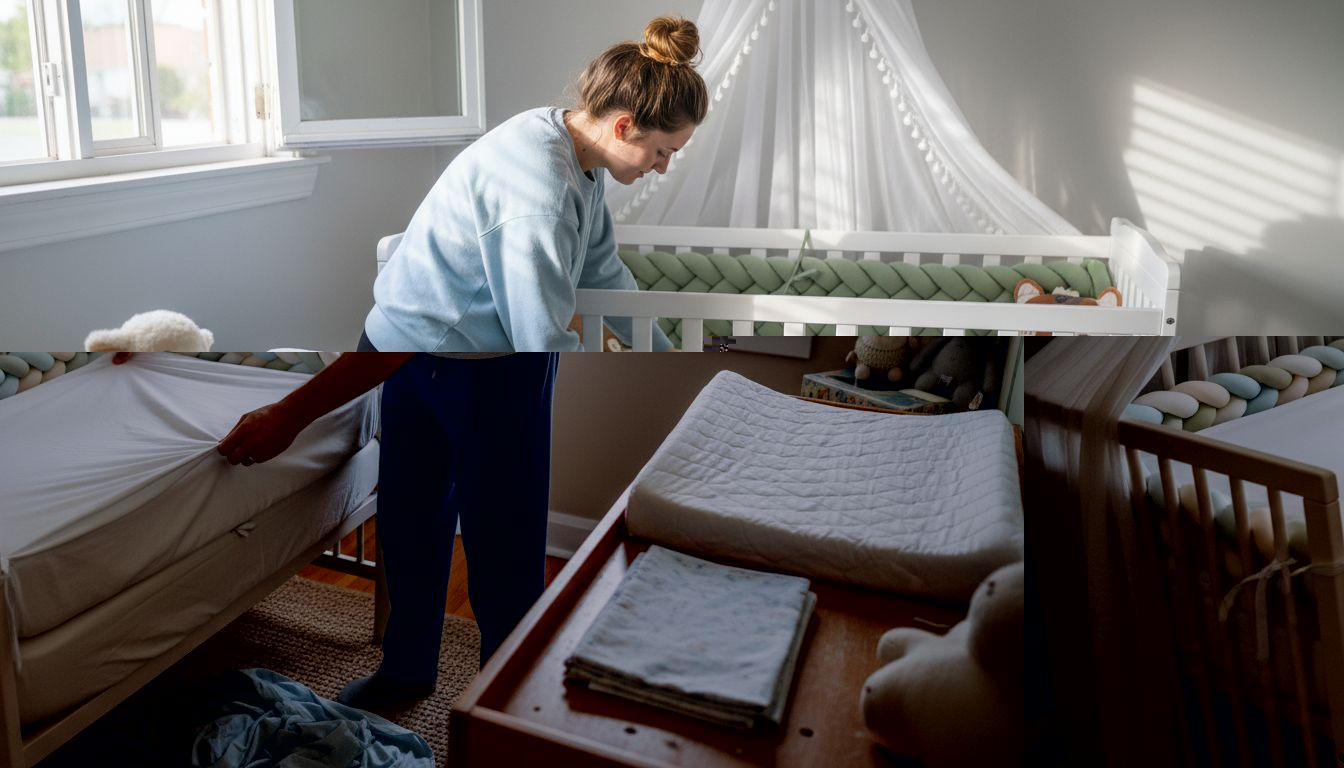
Wichtige Sicherheitsstandards in den Vereinigten Staaten
Die Gewährleistung der Sicherheit des Säuglings im Kinderbett erfordert ein Verständnis der umfassenden Vorschriften nationaler Organisationen. Amerikanische pädiatrische Empfehlungen betonen die Schaffung einer geschützten Schlafumgebung, die potenzielle Risiken für Neugeborene und Säuglinge minimiert.
Zu den wichtigsten Sicherheitsstandards, die von nationalen Organisationen vorgeschrieben werden, gehören:
-
Matratzenanforderungen
- Feste, flache Oberfläche
- Passt präzise in das Kinderbett, ohne Lücken zu lassen
- Unterstützt das Körpergewicht des Säuglings
-
Strukturelle Integrität
- Abstand der Gitterstäbe verhindert Einklemmgefahr
- Robuste Konstruktion
- Keine scharfen Kanten oder herausragenden Beschläge
Verbotene Bettwäscheartikel gemäß den Richtlinien der Consumer Product Safety Commission:
- Weiche Decken
- Kissen
- Nestchen
- Stofftiere
- Lose Bettwäsche
Diese Vorschriften zielen darauf ab, Erstickung, Einklemmung und potenzielle Verletzungen von Säuglingen zu verhindern. Hersteller müssen sich an strenge Test- und Zertifizierungsprozesse halten, um die Produktsicherheit zu gewährleisten.
Jeder Artikel für das Kinderbett sollte die Sicherheit des Säuglings vor ästhetischen Erwägungen priorisieren.
Profi-Tipp: Überprüfen Sie immer, ob Ihre Kinderbettwäsche den aktuellen Sicherheitsstandards der Vereinigten Staaten entspricht, indem Sie auf offizielle Zertifizierungsetiketten und aktuelle Herstellungsdaten achten.
Auswahl hypoallergener und sicherer Materialien
Eltern stehen heute vor komplexen Entscheidungen bei der Auswahl von Materialien für die Kinderbettwäsche, die die Gesundheit und den Komfort ihres Säuglings schützen. Umweltsicherheitsexperten empfehlen, ungiftige, hypoallergene Materialien zu priorisieren, die potenzielle Gesundheitsrisiken minimieren.
Merkmale empfohlener sicherer Materialien:
- Bio-Baumwolle: Von Natur aus hypoallergen und frei von Pestiziden
- Bambusstoffe: Atmungsaktiv und antimikrobiell
- Wolle: Von Natur aus schwer entflammbar ohne chemische Behandlungen
- Hanfmischungen: Langlebig und resistent gegen Bakterienwachstum
Schädliche Chemikalien, die zu vermeiden sind:
- Flammschutzmittel
- Polyurethanschaum
- Vinyl/PVC
- Synthetische chemische Behandlungen
- Oberflächen auf Formaldehydbasis
Organisationen für sicheren Schlaf betonen, dass die Materialauswahl über ästhetische Vorlieben hinausgeht. Säuglinge haben eine empfindliche Haut und sich entwickelnde Atmungssysteme, was die Materialwahl für ihre allgemeine Gesundheit und ihr Wohlbefinden entscheidend macht.
Die Auswahl hypoallergener Materialien ist kein Luxus – es ist ein grundlegender Aspekt der Säuglingspflege.
Profi-Tipp: Fordern Sie immer Materialzertifizierungen an und waschen Sie neue Bettwäscheartikel vor dem ersten Gebrauch, um eventuelle Rückstände von Herstellungschemikalien zu entfernen.
Vergleichen Sie die Optionen für sichere Kinderbettwäsche auf einen Blick:
| Material | Gesundheitlicher Vorteil | Häufige Zertifizierung | Umweltauswirkungen |
|---|---|---|---|
| Bio-Baumwolle | Hypoallergen, sanft | GOTS, OEKO-TEX | Biologisch abbaubar, schadstoffarm |
| Bambusstoff | Antimikrobiell, atmungsaktiv | OEKO-TEX | Nachwachsend, minimaler Abfall |
| Wolle | Schwer entflammbar, natürlich | Woolmark | Nachhaltig, kompostierbar |
| Hanfmischung | Langlebig, bakterienresistent | Diverse Textilien | Geringer Pestizideinsatz |
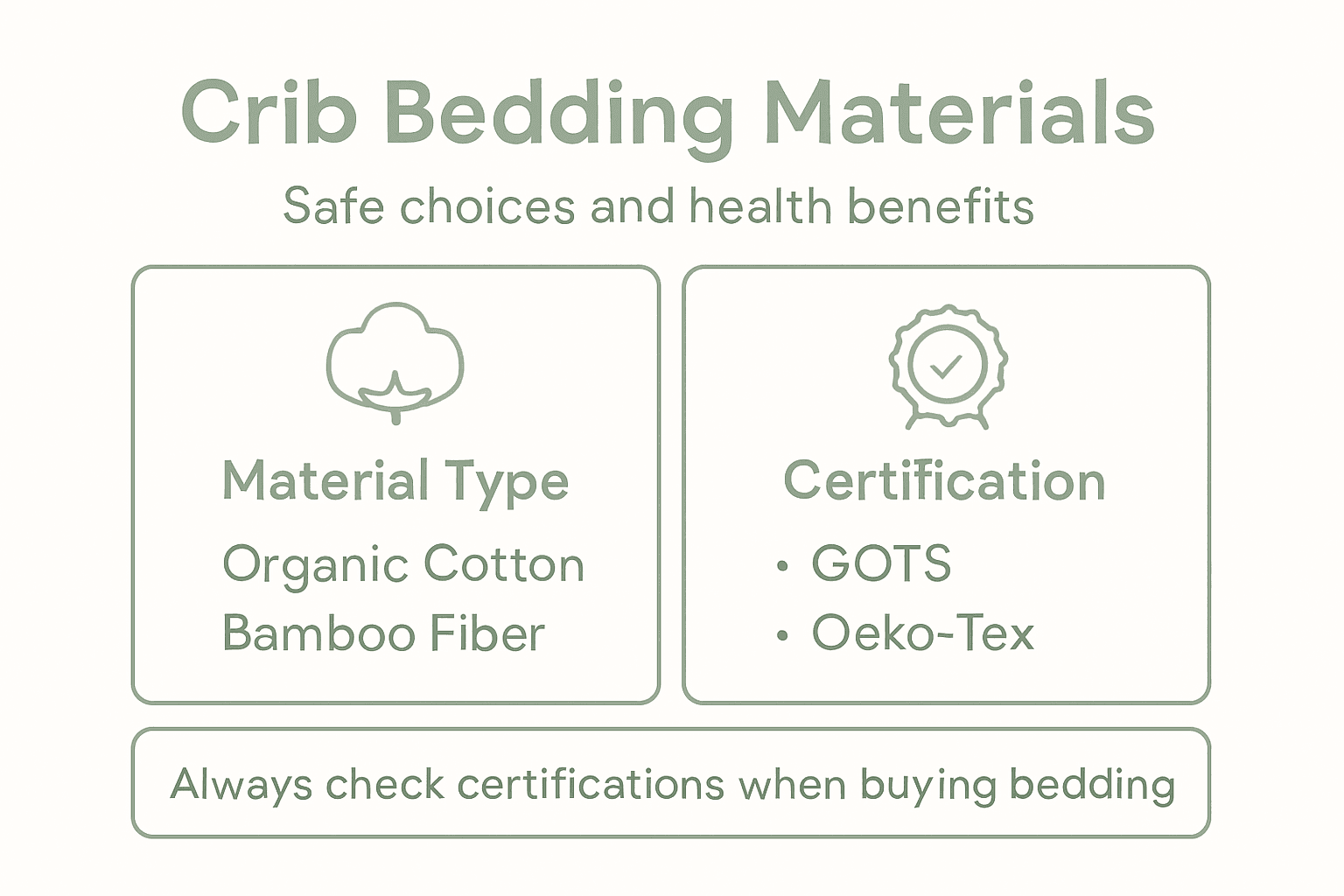
Personalisierung und Gestaltungsmöglichkeiten für das Kinderzimmer
Die Schaffung eines personalisierten Kinderzimmers ermöglicht es Eltern, ihre Kreativität auszudrücken und gleichzeitig eine sichere Umgebung für ihren Säugling zu bewahren. Bettwäsche-Richtlinien für Verbraucher betonen, dass Stil durch sichere, durchdachte Designentscheidungen erreicht werden kann.
Personalisierungsoptionen:
- Farbpalette: Sanfte, beruhigende Farbtöne, die zur Entspannung anregen
-
Themenauswahl
- Tiermotive
- Von der Natur inspirierte Designs
- Minimalistische geometrische Muster
-
Anpassungstechniken
- Bestickte Namen
- Monogrammierte Bettwäsche
- Abgestimmtes Zubehör
Wichtige Gestaltungsprinzipien:
- Halten Sie dekorative Elemente vom Schlafbereich fern
- Verwenden Sie abnehmbare Wandaufkleber
- Wählen Sie maschinenwaschbare Stoffe
- Behalten Sie neutrale Grundfarben für Flexibilität bei
Experten für sicheren Schlaf empfehlen, visuelles Interesse zu schaffen, ohne die Sicherheit des Säuglings zu gefährden. Dekorative Elemente sollten rein ästhetisch bleiben und niemals die Schlafumgebung beeinträchtigen.
Personalisierung sollte den Komfort erhöhen, keine potenziellen Gefahren schaffen.
Profi-Tipp: Wählen Sie ein vielseitiges Farbschema, das leicht angepasst werden kann, wenn Ihr Kind wächst, damit sich Ihr Kinderzimmerdesign mit minimalem Aufwand weiterentwickeln kann.
Häufige Fehler beim Aufbau eines Kinderbetts
Pädiatrische Sicherheitsrichtlinien zeigen kritische Fehler auf, die Eltern häufig bei der Vorbereitung der Schlafumgebung ihres Säuglings machen. Das Verständnis dieser Fehler kann Sicherheitsrisiken drastisch reduzieren und ein sicheres Kinderzimmer schaffen.
Die gefährlichsten Fehler bei der Einrichtung des Kinderbetts:
- Hinzufügen weicher Bettwäscheartikel
- Kissen
- Lose Decken
- Nestchen
- Verwendung einer ungeeigneten Matratze
- Falsche Größe
- Zu weich oder abgenutzt
- Positionierungsrisiken
- In der Nähe von Fenstern
- In der Nähe von Steckdosen
- Instabile Möbel in der Nähe
Strukturelle Risiken, die es zu vermeiden gilt:
- Veraltete Kinderbettmodelle
- Gebrauchte Kinderbetten ohne Sicherheitszertifizierung
- Kinderbetten mit lockeren oder fehlenden Beschlägen
- Betten mit Absenkgitter (inzwischen verboten)
Produktsicherheitsorganisationen betonen, dass viele Verletzungen bei Säuglingen auf vermeidbare Einrichtungsfehler zurückzuführen sind. Strenge Inspektionen und die Einhaltung aktueller Sicherheitsstandards sind entscheidend.
Ein gut vorbereitetes Kinderbett ist die erste Verteidigungslinie für den Schutz des Säuglings.
Profi-Tipp: Führen Sie monatlich eine Sicherheitsinspektion Ihres Kinderbetts durch und prüfen Sie es auf lockere Schrauben, abgenutzte Materialien oder potenzielle Gefahrenstellen.
Schaffen Sie ein sicheres und stilvolles Kinderzimmer mit Kari Studio
Die Zusammenstellung der perfekten Grundausstattung für das Kinderbett bedeutet, Sicherheit, Komfort und Stil für Ihr Kleines in Einklang zu bringen. Wenn Sie sich Sorgen machen, unsichere lose Decken oder sperrige Nestchen zu vermeiden, aber dennoch Persönlichkeit in das Kinderzimmer Ihres Babys bringen möchten, bietet Kari Studio handgefertigte Lösungen, die speziell für Sie entworfen wurden. Unsere hypoallergenen und weichen Stoffe sorgen dafür, dass die zarte Haut Ihres Babys bequem bleibt, während sie gleichzeitig die entscheidenden Sicherheitsstandards erfüllen, die in diesem Artikel dargelegt sind.
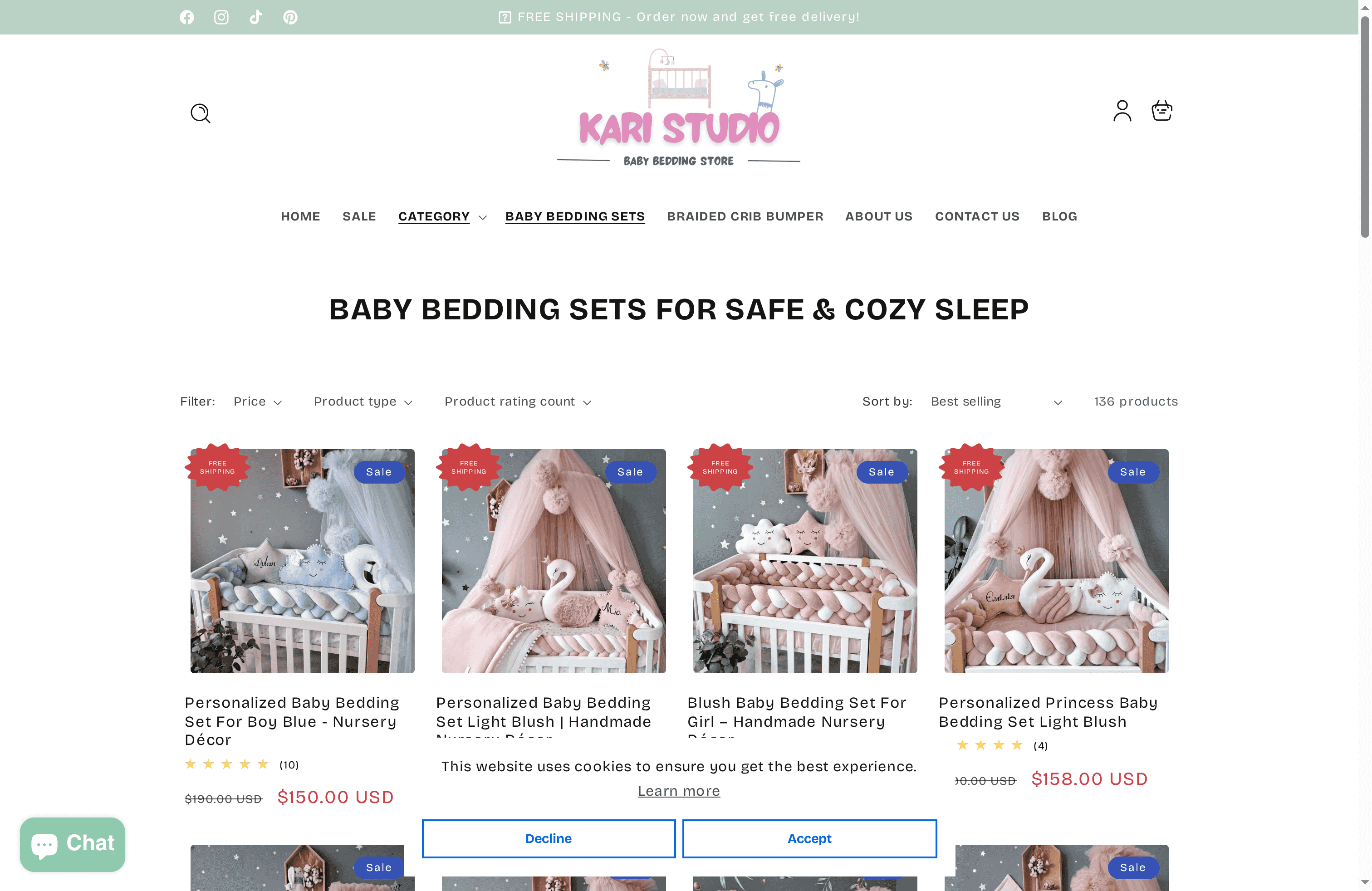
Entdecken Sie unsere kuratierten Kollektionen, einschließlich handgefertigter Nestchen für Jungen und handgefertigter Nestchen für Mädchen, um schützende und dennoch atmungsaktive Bettwäscheoptionen zu finden. Verleihen Sie dem Ganzen eine verträumte Note mit unseren handgefertigten Betthimmeln, die den Stil des Kinderzimmers unterstreichen, ohne die Sicherheit zu gefährden. Besuchen Sie unser gesamtes Sortiment an erstklassiger Babybettwäsche bei Kari Studio, um personalisierte Stücke auszuwählen, die mit dem Namen Ihres Babys bestickt sind. Beginnen Sie noch heute damit, einen sicheren und gemütlichen Schlafplatz zu schaffen, den Ihre Familie lieben wird.
Häufig gestellte Fragen
Was sind die wesentlichen Bestandteile von Kinderbettwäsche?
Die wesentlichen Bestandteile von Kinderbettwäsche umfassen eine feste Kinderbettmatratze, ein Spannbettlaken, das fest sitzt, und einen Matratzenschoner zum Schutz vor Feuchtigkeit. Diese Artikel tragen dazu bei, eine sichere Schlafumgebung für Ihr Baby zu schaffen.
Warum werden weiche Bettwäscheartikel wie Kissen und lose Decken nicht für Kinderbetten empfohlen?
Weiche Bettwäscheartikel, wie Kissen und lose Decken, bergen ein hohes Erstickungsrisiko und können die Wahrscheinlichkeit für den plötzlichen Kindstod (SIDS) erhöhen. Es ist wichtig, ein minimalistisches Design im Kinderbett beizubehalten, um Sicherheit zu gewährleisten.
Welche Materialien sollte ich bei der Auswahl von Kinderbettwäsche vermeiden?
Vermeiden Sie Materialien wie Flammschutzmittel, Polyurethanschaum, Vinyl/PVC und jegliche synthetische chemische Behandlungen, da diese die Gesundheit Ihres Babys gefährden können. Die Wahl hypoallergener und sicherer Materialien ist für den Komfort und das Wohlbefinden Ihres Säuglings unerlässlich.
Wie kann ich das Kinderzimmer meines Babys personalisieren und gleichzeitig die Sicherheit wahren?
Sie können das Kinderzimmer Ihres Babys personalisieren, indem Sie eine beruhigende Farbpalette auswählen, abnehmbare Wandaufkleber verwenden und sich für maschinenwaschbare Stoffe entscheiden. Stellen Sie sicher, dass alle dekorativen Elemente vom Schlafbereich ferngehalten werden, um eine sichere Umgebung zu erhalten.
Empfohlen
- Der ultimative Leitfaden zur Auswahl des perfekten Babybettwäsche-Sets
- Wie moderne Sicherheitsstandards die Wahl von Babybettwäsche und Zubehör beeinflussen - kari-studio.com
- Fehler bei der Einrichtung des Kinderbetts, die Sie für ein sicheres Babyzimmer vermeiden sollten
- Was für ein sicheres und gemütliches Kinderzimmer in die Nähe des Gitterbetts gehört