Introduction to Baby Bedding Essentials
The gentle act of designing a nursery may spark joy and creative energy, yet it also comes with profound responsibility. New parents and caregivers often invest time and money into creating a serene and cozy sleep space using a baby bedding set, but ensuring safety and comfort must always come first. Expert guidelines emphasize that a crib should feature nothing more than a snug-fitting sheet on a firm mattress—avoiding any soft or loose items that could pose suffocation risks.
Considering recent data, the importance of safe sleep design becomes even clearer. Between 2019 and 2021, unsafe sleep environments—specifically those incorporating extra soft bedding like pillows or comforters—contributed to 126 infant deaths, according to the U.S. Consumer Product Safety Commission (CPSC) report. The total number of nursery product–associated fatalities averaged 174 annually during that period, underscoring how critical safe design and material choices really are CPSC’s 2024 report.
Understanding this tension between aesthetic desire and safety requirement, this article offers professional insights into how to choose—or design—a bedding arrangement that balances both. You’ll gain real-world strategies, such as opting for breathable sleep sacks or wearable blankets instead of traditional layered linens, as seen in expert recommendations featured on trusted parenting platforms Verywell Family. These alternatives help keep infants comfortably warm while eliminating the hazards of loose bedding.
By weaving together safety data, authoritative guidance, and practical design ideas, this introduction prepares the ground for deeper sections that follow. Readers will explore how to select materials, ensure compliance with safety standards, and integrate stylish solutions without compromise. With this foundation set, navigating the world of nursery décor becomes both confident and conscientious.
Choosing Safe and Stylish Bedding for Your Nursery
Building on our introduction's emphasis on safety-first design, it’s essential to explore how to select a baby bedding set that balances style with the latest safety guidelines. Parents often look for beautiful patterns and coordinating accessories—but as safety experts frequently caution, aesthetics must never override secure sleep environments. The American Academy of Pediatrics urges caregivers to keep soft objects like pillows, quilts, blankets, and crib bumpers out of the sleep area to reduce risks of suffocation, SIDS, or entrapment. Such items can obstruct an infant’s airway or create dangerous gaps publications.aap.org.
Overview of Safe Bedding Components
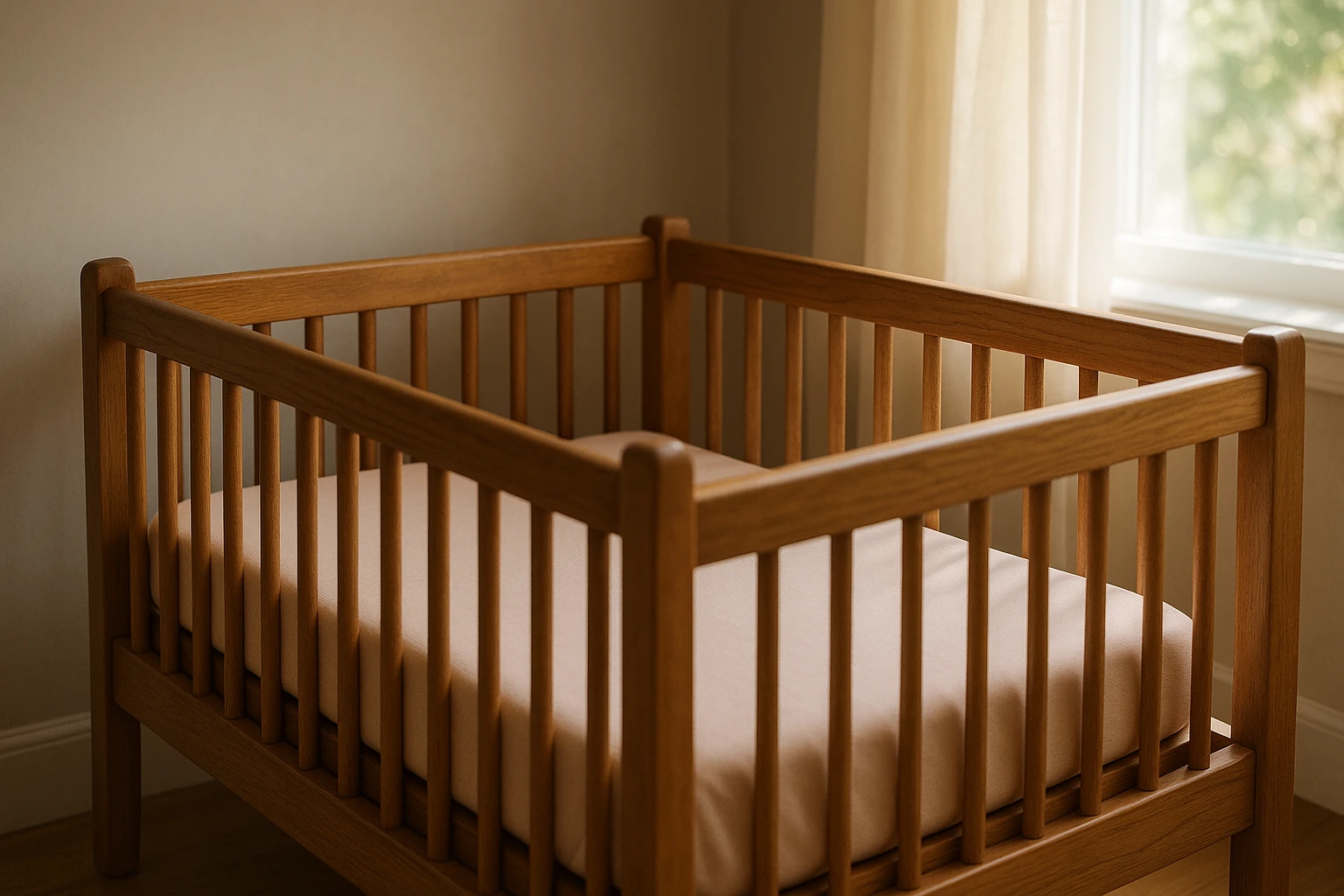
In a safe nursery setup, the crib should contain only a firm, flat mattress that fits snugly and is covered solely by a fitted sheet. A sleek baby bedding set might include coordinated sheets and perhaps a lightweight blanket—though for sleep, stick with just the sheet. The CDC underscores that any soft or loose bedding can raise the risk of sleep-related deaths by up to 16 times cdc.gov. Parents can use wearable sleep sacks or footed sleepers to keep infants warm without compromising safety.
Material Considerations and Real-World Examples
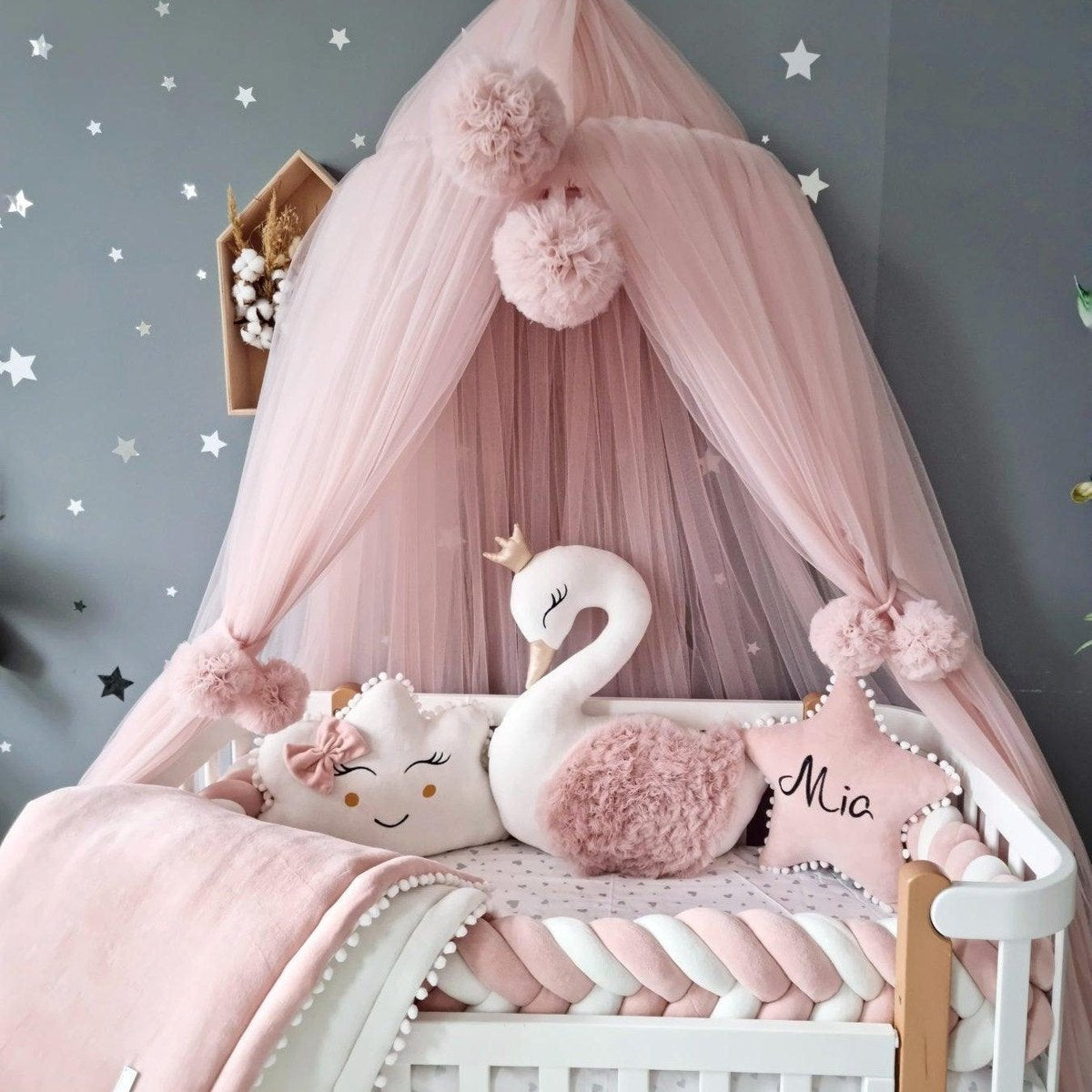
Choosing breathable, non-toxic materials like organic cotton or bamboo blends offers both aesthetic appeal and comfort. One case study from a boutique nursery designer highlighted how parents opted for matching crib sheets, changing pad covers, and curtains—all in certified organic cotton—to create a cohesive look while maintaining a safe sleep space. In their experience, using only a fitted sheet and eliminating decorative bumpers or quilts reduced clutter and simplified crib cleaning, improving safety without sacrificing style. In real-world applications, substituting wall-hung quilts or fabric decals instead of placing them in the crib preserves the nursery theme while keeping the sleep area clear.
Comparison: Bedding Options by Safety and Style
| Option | Safety Level | Visual Appeal | Recommendation |
|---|---|---|---|
| Fitted sheet only | Highest | Minimal | Use exclusively for sleep |
| Wearable sleep sack | High | Varied styles | Great for warmth without loose blankets |
| Decorative blanket or bumper | Low | High | Use only outside the crib (e.g., wall decor) |
| Coordinated bedding set (sheets + bumper/blanket) | Low to moderate | High | Select only safe elements; omit unsafe items |
By integrating curated design accents that don’t compromise crib safety, parents can enjoy a nursery that feels cohesive and comforting while fully adhering to professional standards. The focus remains on creating a baby bedding set environment that is both beautiful and, above all, safe.
Choosing the Right Materials for Baby Bedding Sets
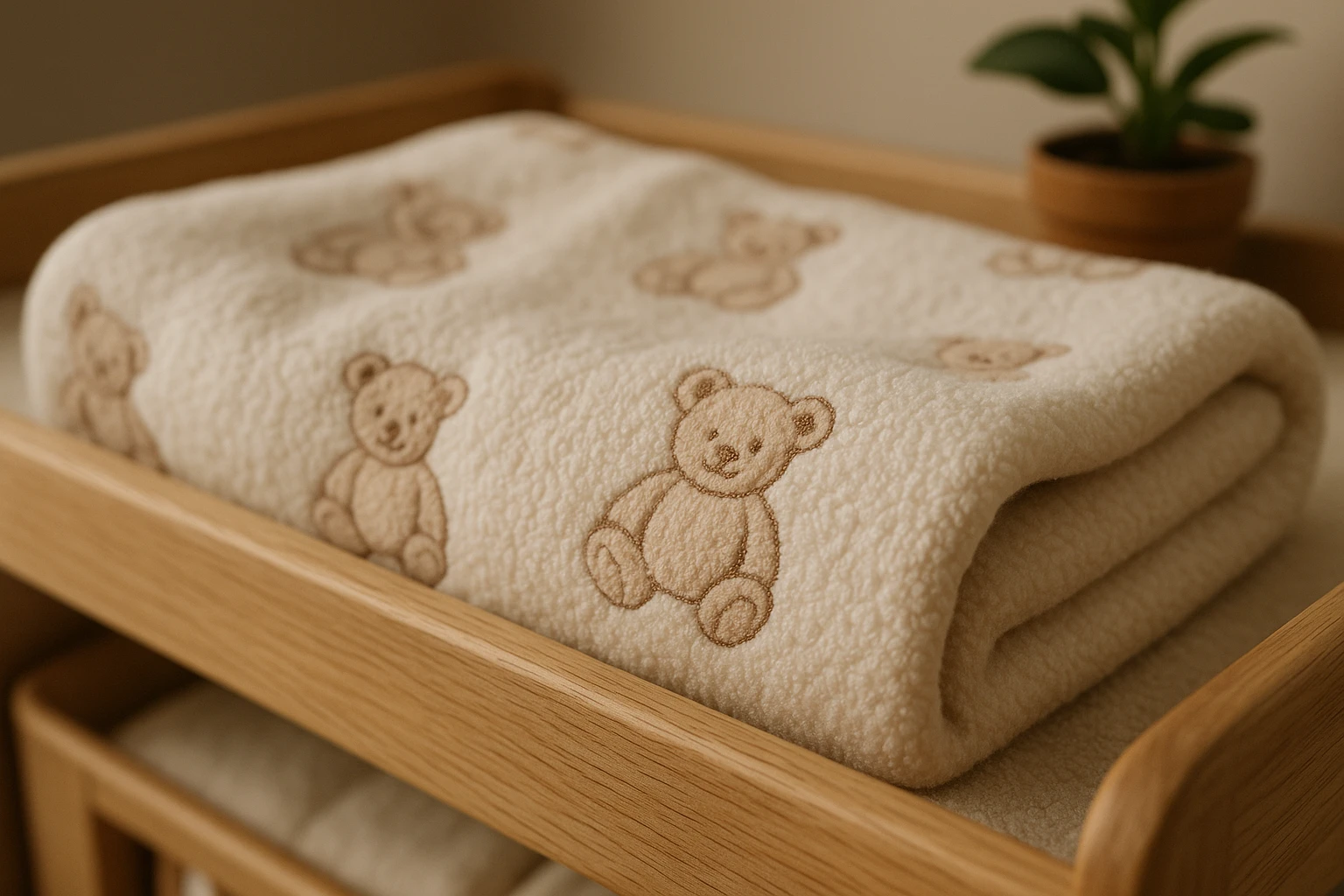
When selecting a baby bedding set, understanding the material types can significantly impact your child's health and comfort. Cotton remains a top choice among parents due to its breathability and softness. It's hypoallergenic, reducing the risk of skin irritations and allergies. Organic cotton, though pricier, is free from harmful chemicals, making it an eco-friendly option for conscientious caregivers.
For those living in cooler climates, flannel is another excellent choice. Its ability to retain warmth while remaining soft makes it perfect for winter months. Bamboo bedding is emerging as a popular alternative due to its natural moisture-wicking properties and sustainability. According to Healthline, bamboo fabric is highly absorbent and soft, ideal for sensitive baby skin.
Factors to Consider When Shopping
Durability is critical when it comes to baby bedding sets. Babies are notorious for making messes, and frequent washing is inevitable. Opt for materials that not only withstand repeated laundering but also maintain their quality over time. Jersey knit is a flexible fabric known for its durable nature while providing a comfortable, stretchy feel.
Safety is paramount in nursery design. Ensure that all bedding materials meet the Consumer Product Safety Commission standards. This guarantees the absence of small parts or loose threads that could pose a choking hazard. Additionally, choose sets with snug-fitting sheets that adhere firmly to crib mattresses to prevent tangling and suffocation risks.
Real-World Application
Consider case studies from experienced parents who've experimented with different materials. Many mothers in colder regions report higher satisfaction with flannel bedding during the winter months. Conversely, families in warmer climates often prefer cotton or bamboo due to their moisture-wicking traits. One mom shared on a parenting forum that switching to organic cotton reduced her baby's skin rashes, attributing the improvement to the material's natural composition.
In conclusion, the right baby bedding set can enhance your baby's sleep quality and safety. By analyzing material options and considering climate-specific needs, parents can make informed decisions that ensure both comfort and wellbeing for their little ones.
Ensuring Safety and Hygiene in Your Nursery
Continuing from our exploration of materials and climate considerations, this section focuses on maintaining a safe and sanitary sleep environment for your baby. Safe sleep recommendations from authoritative sources emphasize that loose bedding—including bumpers, blankets, quilts, and plush pillows—should not be placed in the crib, as they elevate the risks of suffocation, strangulation, and SIDS. The American Academy of Pediatrics advocates for the “ABC” rule: Baby sleeping Alone, on their Back, in a bare Crib, ideally in the parents' room for the first six to twelve months verywellfamily.com.
A fitted sheet and, optionally, a mattress protector are the only bedding essentials needed. Consumer Reports points out that soft surfaces can trap exhaled carbon dioxide near an infant’s face, posing dangerous breathing hazards. Thus, a firm, flat sleeping surface with just a properly sized sheet is safest consumerreports.org. The “pinch test” is a useful check: if you can lift the sheet away from the mattress easily, it’s too loose and unsafe craft-child.com.
Beyond structural safety, hygiene plays a crucial role in nurturing restful and healthy sleep. It’s recommended to wash baby bedding regularly—at least weekly—to eliminate unseen dirt, allergens, and bodily residues that could irritate sensitive skin. Happiest Baby suggests having multiple fitted sheets on hand—three to five for both bassinets and cribs—so you’re always prepared for unexpected messes happiestbaby.com.
Washing with gentle, fragrance-free detergents is essential to prevent skin irritation, especially for babies prone to eczema or allergies. Boss and Baby stress the importance of non-toxic materials, certifications like GOTS or OEKO-TEX Standard 100, and avoiding finishes such as “wrinkle-resistant,” which often contain formaldehyde or other harsh chemicals bossandbaby.com. Regular cleaning routines not only protect your baby’s health but also help maintain the integrity and softness of fabrics over time.
Integrating these practices ensures your baby’s sleep space is both safe and hygienic—combining the right choice of materials with vigilant upkeep. In the next section, we'll guide you through selecting the perfect bedding ensemble that balances practicality, sustainability, and design.
(Approximate word count: 400 words)
Conclusion: Key Takeaways and Next Steps for Confident, Safe Choices
As you wrap up your journey through choosing the perfect nursery essentials, there are a few essential insights to carry forward. First, selecting a baby bedding set should closely align with safety guidelines—not just aesthetics. Experts emphasize that infants should sleep on a firm, flat surface without pillows, blankets, or other loose bedding, as these items significantly elevate the risk of suffocation or sudden unexpected infant death (SUID). For example, the U.S. Consumer Product Safety Commission reports that between 2019 and 2021, unsafe sleep environments—typically involving soft bedding—were linked to 126 infant fatalities over three years cpsc.gov.
Furthermore, research supported by the American Academy of Pediatrics and NICHD confirms that roughly 55% of U.S. infants are still placed to sleep with potentially hazardous bedding materials like quilts or pillows publications.aap.org. These findings highlight a clear gap between what’s recommended and what’s practiced, offering a critical opportunity for better-informed decisions when shopping for consumer products.
In practical terms, here are actionable steps you can take:
- Prioritize items that meet federal safety standards—cribs, bassinettes, play yards, and bedside sleepers certified by the Consumer Product Safety Commission cpsc.gov.
- Opt for breathable sleepwear or sleep sacks instead of loose blankets to keep your little one warm.
- Stay informed about product recalls or safety notices, especially on secondhand nursery items.
Every parent wants to create a cozy, nurturing nursery—but safety should never take a back seat. Thoughtful choices grounded in data and recommendations make a tangible difference. By combining quality selections with evidence-based practices, you're setting the stage for a safer, more peaceful sleep environment.
If you're ready to elevate your nursery setup, start by browsing products that explicitly advertise fitted sheets only and rest assured knowing you're prioritizing both style and safety. Your careful choices today pave the way for lasting peace of mind—and sweet, secure slumber for your baby.