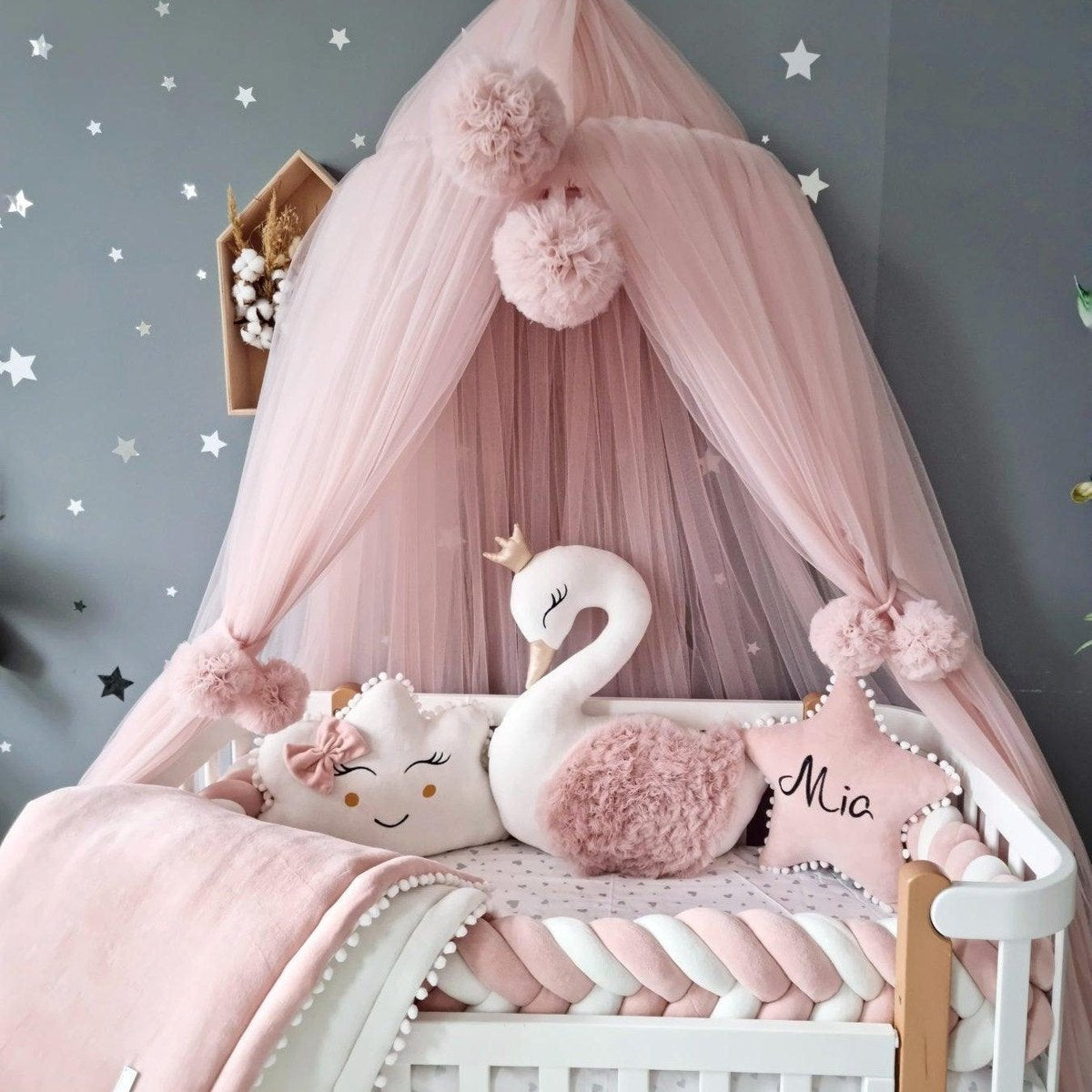

The first few months with your newborn bring countless moments when easy access to the right items can make all the difference at night. Creating a safe and comfortable sleep space starts with understanding what needs to stay close by the crib and what must stay out. With the American Academy of Pediatrics urging parents to keep the crib area uncluttered and free from soft items or hazards, knowing how to organize your essentials can provide both peace of mind and smoother nighttime care.
Table of Contents
- Step 1: Assess Space Around The Crib
- Step 2: Select Essential Nighttime Items
- Step 3: Arrange Items For Easy Access
- Step 4: Secure And Organize For Safety
- Step 5: Double-Check For Comfort And Hazards
Quick Summary
| Important Insight | Detailed Explanation |
|---|---|
| 1. Maintain Safe Clearance Around Crib | Ensure at least 18 to 24 inches of space around the crib to prevent accidents during nighttime care. |
| 2. Position Essentials for Nighttime Access | Keep diapers, wipes, and clothing within arm’s reach to make nighttime changes efficient without disturbing your baby. |
| 3. Secure Furniture and Remove Hazards | Anchor heavy furniture to the wall and eliminate cords, small objects, and choking hazards to protect your baby. |
| 4. Verify Comfortable Room Temperature | Maintain room temperature between 68 to 72 degrees Fahrenheit using appropriate sleepwear for your baby. |
| 5. Conduct Final Safety Checks | Perform a thorough inspection of the crib and nursery for potential hazards and ensure everything is organized properly. |
Step 1: Assess Space Around the Crib
Before you bring your baby home, take time to evaluate the physical space surrounding the crib itself. This simple assessment prevents safety hazards and ensures you can move around comfortably during nighttime feedings and diaper changes. You’ll want to measure distances, identify potential dangers, and consider how your room layout affects both safety and accessibility.
Start by clearing at least 18 to 24 inches on all sides of the crib, especially around the head and foot. Walk around the crib as if you’re getting your baby in and out during the middle of the night with limited lighting. Can you reach your infant safely without tripping over furniture? Do your arms clear the crib rails when lifting your baby? This practical test reveals what doesn’t work before it becomes a problem. Check that the crib itself maintains appropriate slat spacing and mattress fit according to safety standards.
Next, identify and remove hazards from the surrounding area. Cords from blinds, curtains, or electronics create strangulation risks and should be secured or moved away entirely. Position the crib away from windows, cords, and other hazards that could endanger your sleeping infant. Move nightstands, dressers with drawers that could pinch fingers, and side tables away from direct access. Check ceiling height too. If you’re considering crib canopy options, ensure they’re installed securely and won’t obstruct ventilation or create safety concerns.
Consider the flow of your nursery and how you’ll respond during those foggy 3 AM moments. You need a clear path from your bedroom door to the crib, ideally without navigating around clutter or furniture. Think about where you’ll place a diaper changing station, storage for essentials, and any monitoring equipment. Keep frequently needed items within arm’s reach of the crib but stored safely away from your baby’s sleep area. The goal is creating a space where everything you need is accessible without compromising your infant’s safety or sleep environment.
Here’s a summary of safe nursery item placement versus unsafe placement:
| Item Type | Safe Placement | Unsafe Placement |
|---|---|---|
| Crib Mattress | Flat, firm surface, fitted sheet | Soft, loose bedding or toys |
| Cords/Electronics | Secured, out of baby’s reach | Hanging or exposed near crib |
| Nighttime Essentials | On table within arm’s reach | Inside crib or across room |
| Furniture | Anchored to wall, stable | Unsecured, tip-prone |
| Decorative Items | Securely mounted, smooth edges | Loose, small parts or unstable |
Pro tip: Use painter’s tape or chalk to outline your 18 to 24 inch safety perimeter around the crib before arranging other furniture, helping you visualize the clear space you need for safe movement and access.
Step 2: Select Essential Nighttime Items
Now that you’ve cleared the space around your crib, it’s time to gather the core items you’ll need within arm’s reach during those nighttime hours. Your goal is to keep everything your baby needs close by without cluttering the crib itself, which must remain clean and safe. You’ll focus on items that support sleep, warmth, and quick access to essentials without any loose bedding or soft objects inside the sleep surface.
Start with the mattress and bedding foundation. A firm crib mattress with a tight-fitting sheet is non-negotiable for safe sleep. This is your base layer, and it’s the only thing that belongs inside the crib itself. Everything else you need should be stored or positioned on a nearby surface. Think about clothing and warmth next. Instead of blankets, which create suffocation risks, use age-appropriate sleepwear like sleep sacks or wearable blankets to keep your baby warm safely. Footed pajamas or sleepers work well too, giving your infant consistent temperature regulation throughout the night. You’ll want to have several of these in your nightstand or on a small shelf within immediate reach so you can adjust layers quickly if your baby gets too warm or cold.
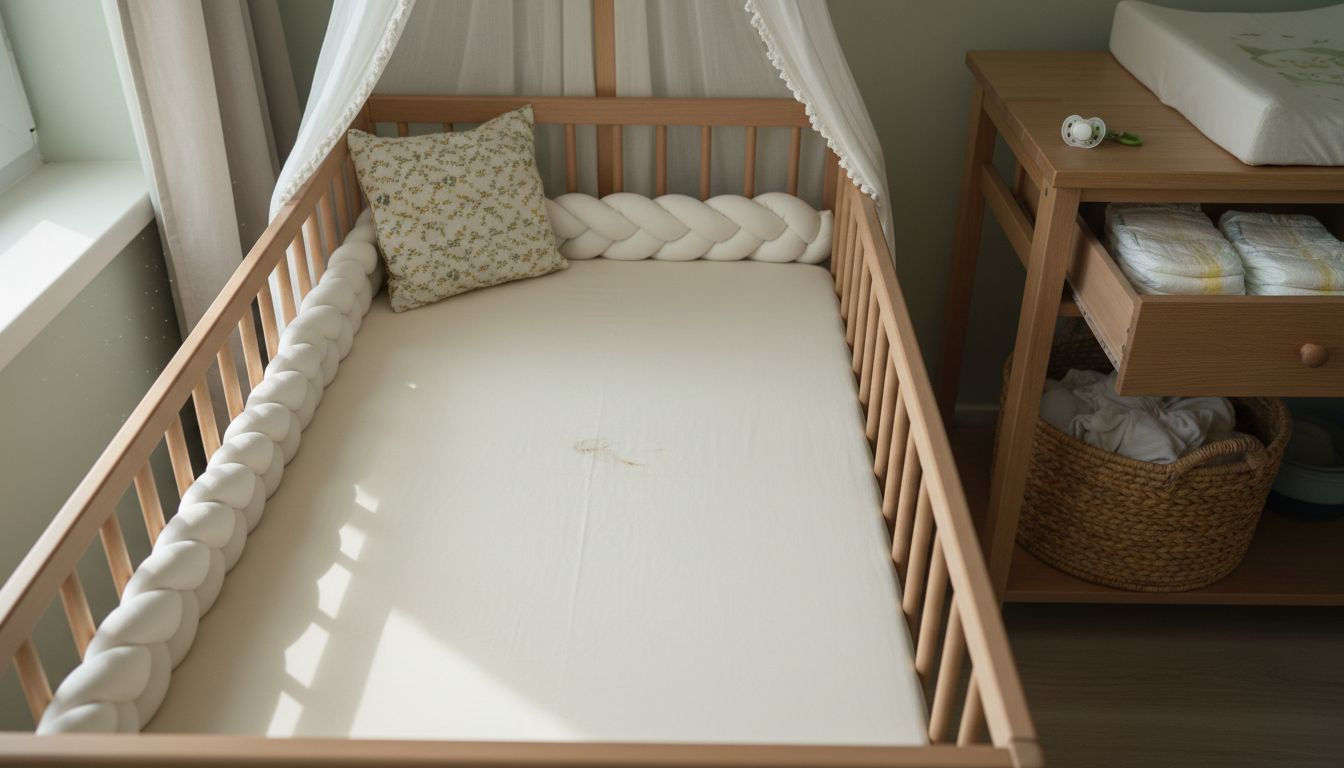
Keep a small table or cart beside the crib with items you’ll grab frequently. Stock it with fresh diapers, wipes, a small flashlight or nightlight for those dark 2 AM changes, and burp cloths or cloth diapers for quick cleanups. A pacifier within reach can help soothe your baby back to sleep, though never attach it to the crib or leave it permanently in the sleep space. Consider using blackout curtains to help manage light and create a conducive sleep environment. If you’re using Kari Studio’s bedding sets or crib protectors, organize them accessibly but keep the crib itself uncluttered and free from any loose items.
The key principle throughout this setup is keeping comfort items accessible to you while maintaining a completely bare crib environment. Your infant sleeps safest on a firm surface with nothing but a fitted sheet. Everything that makes nighttime easier for you should be within one arm’s length on a nearby surface, ready to grab without waking your baby more than necessary.
Pro tip: Set up a small nighttime station on a shelf or bedside table with all essentials organized in a caddy or drawer organizer, so you can locate diapers, wipes, and fresh clothes with one hand while holding your baby or navigating in low light.
Step 3: Arrange Items for Easy Access
The difference between a functional nursery and a chaotic one often comes down to how you arrange your essentials. You want everything you need during those 3 AM moments within immediate reach, yet organized in a way that keeps your baby’s sleep space safe and uncluttered. This step focuses on creating zones and storage solutions that let you respond quickly without fumbling or leaving your infant unattended.
Start by creating a primary nighttime zone within arm’s reach of the crib. This should be at the height of your hand when standing beside the crib, typically a small shelf, side table, or dresser top. Keep items like diapers, wipes, fresh clothing, burp cloths, and a pacifier here. The goal is that you can grab what you need with one hand while steadying your baby with the other. Organize these items in small baskets, drawer organizers, or containers so they stay visible and accessible rather than scattered. You might use a dedicated caddy with compartments for different essentials, making nighttime changes faster and less stressful. Stock multiple spots with duplicates if your room layout allows. A second diaper stash on the changing dresser and another near your bed means you never have to search far.
Beyond your immediate zone, create secondary storage areas that support your workflow. Keep extra bedding, sleep sacks, and backup items in a nearby closet or drawer, using smart closet organization methods to make items easy to locate. Ensure clear pathways from your bedroom door to the crib, removing clutter and obstacles that could cause stumbling when you’re tired or moving in the dark. Position your nightlight where it illuminates the crib and surrounding area without shining directly in your baby’s eyes. Medicine, thermometers, and other occasional items can be stored slightly further away since you won’t need them every night, but keep them organized and accessible for quick response during nighttime care.
The principle here is reducing friction. Every second you spend searching for a diaper or wipe is a second your baby is awake and crying. Every obstacle you navigate adds stress to an already exhausting task. By thinking through your movements and positioning items strategically, you transform nighttime care from chaotic to manageable.
Pro tip: Label your storage containers with large, easy-to-read labels so you can find items in the dark without turning on bright lights that fully wake your baby.
Step 4: Secure and Organize for Safety
Now that you have your essentials selected and arranged, the final step is to secure everything in place and eliminate potential hazards from your nursery. A well-organized space isn’t just about convenience; it’s about protecting your baby from accidents and injuries. You’ll focus on stabilizing furniture, removing choking and strangulation risks, and ensuring that safety devices are functioning properly.
Begin by securing all furniture to the wall. Your dresser, shelf unit, or any tall piece that your growing baby might eventually climb on needs to be anchored securely. Use furniture straps or wall brackets designed for this purpose, following manufacturer instructions carefully. Next, examine every cord in your nursery with a critical eye. Window blind cords, curtain pulls, and electrical cords all pose strangulation hazards and need to be secured, wrapped, or kept completely out of reach. Check that your crib itself is stable by gently pushing on each corner and side. The mattress should fit snugly with no more than two fingers of space between the mattress and crib rails. Install protective rail guards or bumpers to prevent your baby’s limbs from getting caught between slats as your child grows and becomes more mobile.
Remove any potential choking hazards from areas your baby might reach as they grow. Small objects, loose hardware, decorative items with small parts, and anything smaller than a toilet paper tube should be relocated. Keep toxic substances, sharp objects, and dangerous items inaccessible to infants, including cleaning supplies, medications, and sharp diaper pail cutters. Check that your nightlight doesn’t get hot to the touch and won’t burn your baby. Install or test smoke and carbon monoxide detectors to ensure they’re functioning and positioned correctly. Organize your storage containers and baskets so they have smooth edges and secure bases that won’t tip if your baby pulls on them. Make sure any decorative items like wall art or shelving are securely mounted and won’t fall.
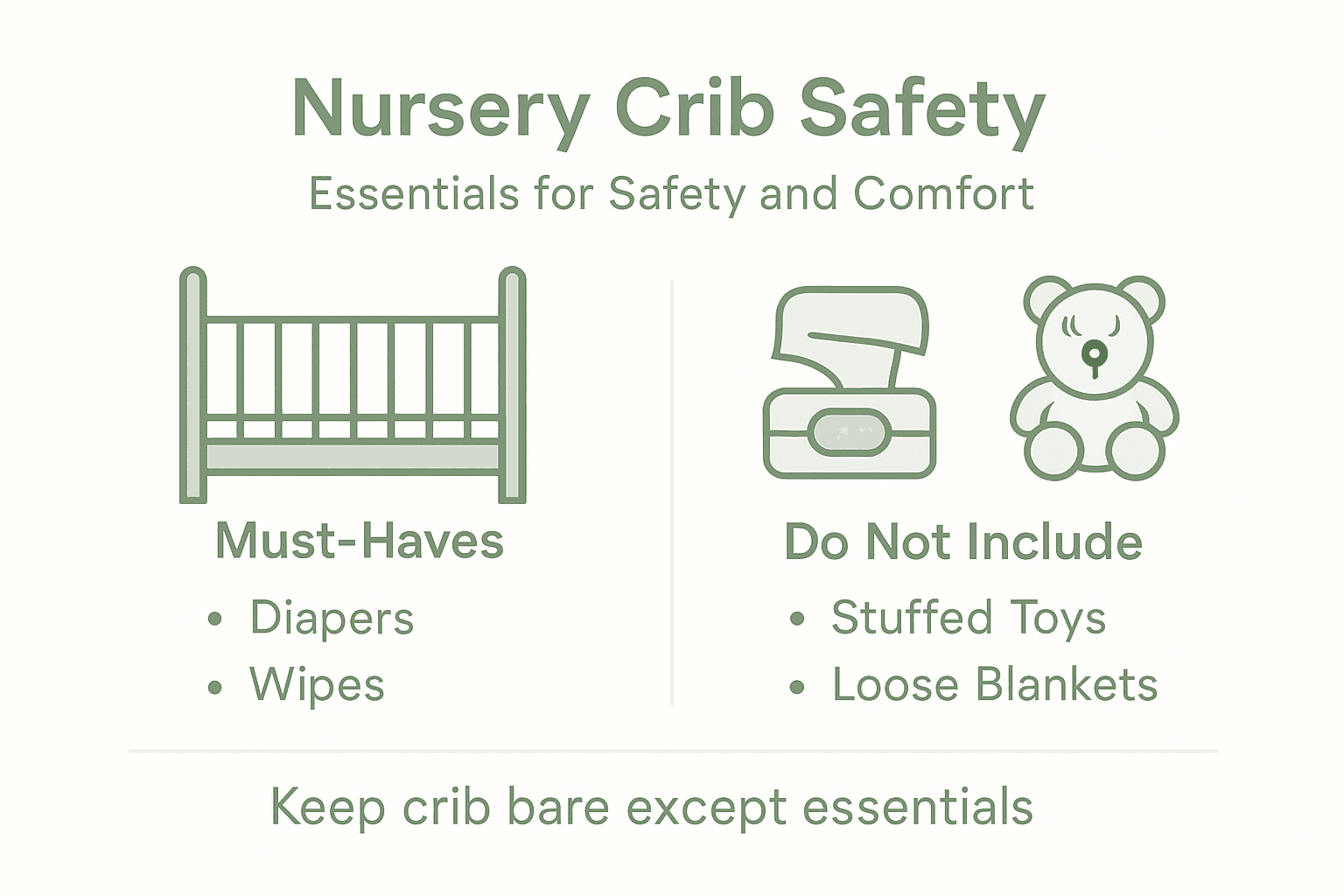
The goal is creating a nursery where safety isn’t an afterthought but built into the organization itself. When everything is properly secured and hazards are eliminated, you can focus on what matters most: caring for your baby with confidence and peace of mind.
Pro tip: Do a “baby crawl” through your nursery on your hands and knees to see what hazards and small objects are visible from your infant’s perspective as they grow, catching dangers you might miss from a standing position.
Step 5: Double-Check for Comfort and Hazards
Before you settle into your new routine with your baby, take time to do a final walkthrough of your nursery setup. This checkpoint ensures that your crib environment meets safety standards while remaining comfortable for your infant. You’ll inspect the crib itself, verify temperature and clothing choices, and confirm that no new hazards have been introduced as you’ve arranged items.
Start with the crib itself. Gently inspect all parts for loose screws, cracked wood, or broken hardware that could harm your baby. Check that the mattress fits snugly with no gaps where tiny fingers could get pinched. Verify that slat spacing and firmness meet current safety standards. If you’re using Kari Studio’s protective rail guards or bedding, confirm they’re installed correctly and securely fastened. Look inside the crib itself and remove anything that shouldn’t be there. Your baby needs only the mattress with a fitted sheet. No pillows, blankets, bumpers inside the sleep surface, or stuffed animals should be present.
Next, assess comfort and temperature control. Test your room’s temperature with a thermometer to ensure it’s between 68 and 72 degrees Fahrenheit, which is ideal for infant sleep. Feel the room at different times of day and night since temperature fluctuates. Look at what your baby will wear and confirm it’s appropriate for the current season and room temperature. Use wearable blankets or sleep sacks instead of loose bedding to keep your infant warm safely without suffocation risk. Count the layers your baby will wear and adjust based on the season. In winter, your baby might wear a long-sleeve sleep sack plus footed pajamas. In summer, just a short-sleeve sleep sack might be sufficient.
Here’s a comparison of typical nursery temperature and sleepwear choices by season:
| Season | Room Temp (°F) | Recommended Sleepwear | Added Note |
|---|---|---|---|
| Winter | 68-72 | Long-sleeve sleep sack, pajamas | Layer for extra warmth |
| Summer | 68-72 | Short-sleeve sleep sack, onesie | Use lightweight fabrics |
| Year-round | 68-72 | Footed pajamas, sleep sack | Adjust layers nightly |
Do a final hazard sweep. Walk around your nursery as if seeing it for the first time. Are there cords, small objects, or decorations you missed? Test your nightlight to ensure it’s not too bright and won’t disturb sleep. Verify that all furniture is still securely anchored to the wall. Check that your diaper station and storage areas remain organized and safely positioned. This final inspection catches problems before they become issues and gives you confidence in your setup.
Pro tip: Take photos of your completed nursery setup on your phone, then review them the next day with fresh eyes to spot hazards or organization improvements you might have missed while actively setting up.
Create a Safe and Cozy Nursery with Thoughtful Essentials
Designing a nursery that balances safety and comfort can be challenging. This article highlights key concerns like maintaining a clear 18 to 24 inch space around the crib, eliminating hazards such as exposed cords, and organizing nighttime essentials within arm’s reach. Parents want peace of mind knowing their baby sleeps safely on a firm mattress with nothing loose in the sleep environment while having all necessary items close and accessible.
At Kari Studio, we understand these challenges deeply. Our handmade baby bedding sets offer the perfect firm mattress foundation with soft, hypoallergenic fabrics that prioritize both safety and coziness. Pair them with our Handmade Cot Bumper Sets for Boys or explore Handmade Tents for Cribs and Baby Crib Canopies designed to provide a secure, breathable environment without cluttering the crib space.

Transform your nursery into a sanctuary where you feel confident and your baby sleeps soundly. Browse our carefully crafted collection at Kari Studio Baby Bedding Sets today to find the perfect combination of safety, style, and comfort. Act now to bring personalized, high-quality nursery essentials that truly support those precious nighttime moments.
Frequently Asked Questions
What essential items should I keep near the crib for nighttime care?
To ensure a safe and cozy nursery, keep items like diapers, wipes, and fresh clothing within arm’s reach of the crib. Use a small table or cart to organize these essentials, making it easy to grab what you need without leaving your baby’s side.
How can I ensure the crib space remains safe while keeping essential items nearby?
Maintain a completely bare crib with only a fitted sheet and a firm mattress. Store all other items, such as sleep sacks and changing supplies, on a nearby surface to eliminate hazards like suffocation risks.
What should I consider when arranging the nursery layout around the crib?
Create a clear path that allows easy access to the crib while keeping at least 18 to 24 inches of space around it. Walk around the crib as if you are retrieving your baby to identify any obstacles or hazards in low lighting.
How do I test the safety of my crib setup before bringing my baby home?
Inspect the crib for loose parts, ensuring the mattress fits snugly and the slat spacing meets safety standards. Conduct a final walkthrough to check for potential hazards like hanging cords or small objects that might pose a risk to your infant.
What safety measures can I make to the furniture in the nursery?
Secure all furniture, particularly tall pieces, to the wall using furniture straps or brackets to prevent tipping. Remove any items that could pose choking or strangulation hazards from areas within your baby’s reach as they grow.
How can I monitor the nursery’s temperature for my baby’s comfort?
Aim for a room temperature between 68 and 72 degrees Fahrenheit to ensure your infant sleeps comfortably. Use a thermometer to double-check, adjusting clothing layers as needed based on the season to maintain this range.