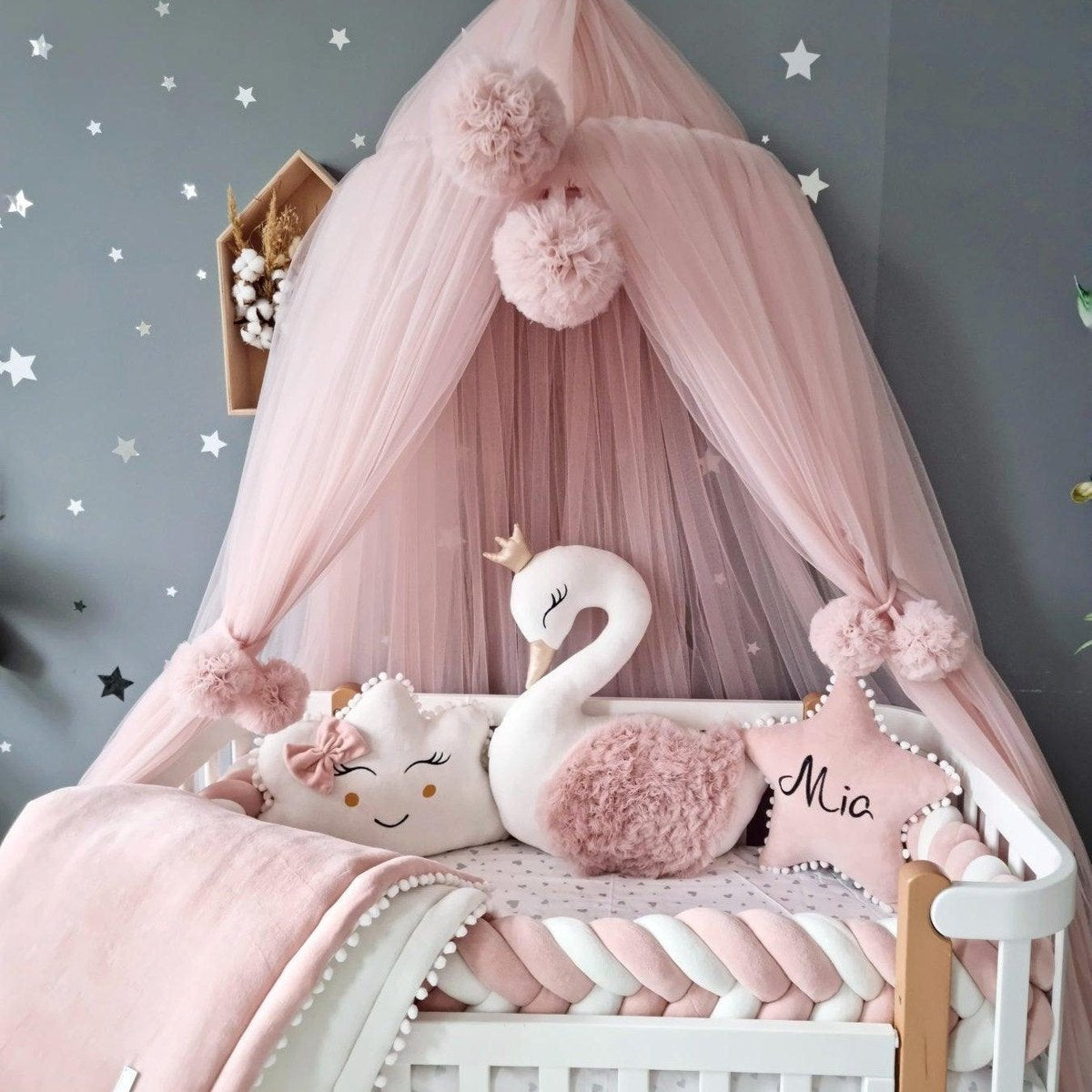

Jede Mutter und jeder Vater kennt den Moment der Sorge, wenn das Kleine in ein Kinderbett umzieht, insbesondere wenn es um die Sicherheit in der Nacht geht. Für Familien in den Vereinigten Staaten, die ein sicheres und gemütliches Kinderzimmer einrichten möchten, bieten die richtigen Bettgitter eine Kombination aus Sorgenfreiheit und modernem Stil. Entdecken Sie, wie die Wahl der besten Schutzbarrieren für Kinderbetten dazu beitragen kann, Risiken zu verringern und gleichzeitig Komfort und Persönlichkeit in den Schlafbereich Ihres Kindes zu bringen.
Inhaltsverzeichnis
- Was sind Bettgitter für Kinderbetten?
- Arten von Kinderbettgittern und ihre Unterschiede
- Wichtige Merkmale für sichere und stilvolle Gitter
- Richtlinien für die ordnungsgemäße Installation und Wartung
- US-Sicherheitsstandards und Einhaltung von Vorschriften für Bettgitter
- Alternativen zu herkömmlichen Kinderbettgittern
Die wichtigsten Erkenntnisse
| Punkt | Details |
|---|---|
| Bedeutung von Bettgittern | Bettgitter bieten einen entscheidenden Schutz für Säuglinge und verhindern versehentliche Stürze oder das Herausrollen aus dem Kinderbett während des Schlafs. |
| Arten von Bettgittern | Verschiedene Arten von Bettgittern, wie z. B. durchgehende, halbhohe, verstellbare und geteilte Gitter, decken unterschiedliche Sicherheits- und Zugänglichkeitsbedürfnisse ab. |
| Installation und Wartung | Die Sicherstellung einer korrekten Installation und regelmäßigen Wartung der Bettgitter ist für die dauerhafte Sicherheit und Funktionalität unerlässlich. |
| Einhaltung gesetzlicher Vorschriften | Die Vertrautheit mit den US-Sicherheitsstandards und -Zertifizierungen ist entscheidend, um sicherzustellen, dass die Bettgitter den Sicherheitsrichtlinien für Säuglinge entsprechen. |
Was sind Bettgitter für Kinderbetten?
Bettgitter für Kinderbetten sind spezielles Sicherheitszubehör, das verhindern soll, dass Säuglinge aus ihrem Schlafbereich rollen oder fallen. Diese Schutzbarrieren werden an den Seiten des Babybetts angebracht und schaffen eine sichere Begrenzung, die hilft, das Risiko versehentlicher Verletzungen während des Schlafs zu reduzieren.
Normalerweise werden Bettgitter aus starren Sicherheitsmaterialien wie Metall oder Hartplastik hergestellt und sind so konstruiert, dass sie strukturellen Halt bieten und verhindern, dass sich das Kind über die Grenzen des Bettes hinaus bewegt. Sie sind in verschiedenen wichtigen Ausführungen erhältlich:
- Durchgehende Gitter: Decken die gesamte Seite des Kinderbetts ab
- Teil-Gitter: Schützen bestimmte Abschnitte des Bettes
- Verstellbare Gitter: Können je nach Alter und Mobilität des Kindes angehoben oder abgesenkt werden
Obwohl Bettgitter in erster Linie Sicherheitsvorrichtungen sind, sollten Eltern wissen, dass die ordnungsgemäße Installation und Verwendung entscheidend ist. Eine sorgfältige Bewertung potenzieller Risiken ist notwendig, um sicherzustellen, dass sie das Kind tatsächlich schützen, anstatt es möglicherweise zu gefährden.
Wichtige Sicherheitsaspekte:
- Stellen Sie genaue Messungen und die Kompatibilität mit bestimmten Kinderbettmodellen sicher
- Überprüfen Sie die Richtlinien des Herstellers für die korrekte Befestigung
- Überprüfen Sie die Gitter regelmäßig auf strukturelle Integrität
- Beobachten Sie die Größe und Entwicklungsphase Ihres Kindes
Profi-Tipp: Kaufen Sie immer Bettgitter, die speziell für den Gebrauch durch Säuglinge entwickelt wurden, und verändern Sie niemals herkömmliche Bettgitter für Erwachsene für Babybetten.
Arten von Kinderbettgittern und ihre Unterschiede
Kinderbettgitter sind in mehreren Konfigurationen erhältlich, um unterschiedliche Sicherheits- und Funktionsanforderungen für Säuglinge und Kleinkinder zu erfüllen. Bettgitterdesigns variieren stark, um spezifischen elterlichen Anforderungen und den Entwicklungsstadien von Säuglingen gerecht zu werden.
Die wichtigsten Arten von Kinderbettgittern sind:
- Durchgehende Gitter: Erstrecken sich vollständig über die gesamte Seite des Kinderbetts
- Halbhohe Gitter: Bieten teilweisen Schutz für bestimmte Bettabschnitte
- Verstellbare Gitter: Können je nach Alter und Mobilität des Kindes angehoben oder abgesenkt werden
- Geteilte Gitter: Verfügen über unabhängige Abschnitte, die separat bedient werden können
Jeder Gittertyp bietet einzigartige Vorteile, abhängig von den spezifischen Bedürfnissen des Kindes und der Einrichtung des Kinderzimmers. Seitengitterdesigns für Kinderbetten spiegeln entscheidende Sicherheitsüberlegungen wider und wägen Schutz gegen Zugänglichkeit für Eltern und Betreuer ab.
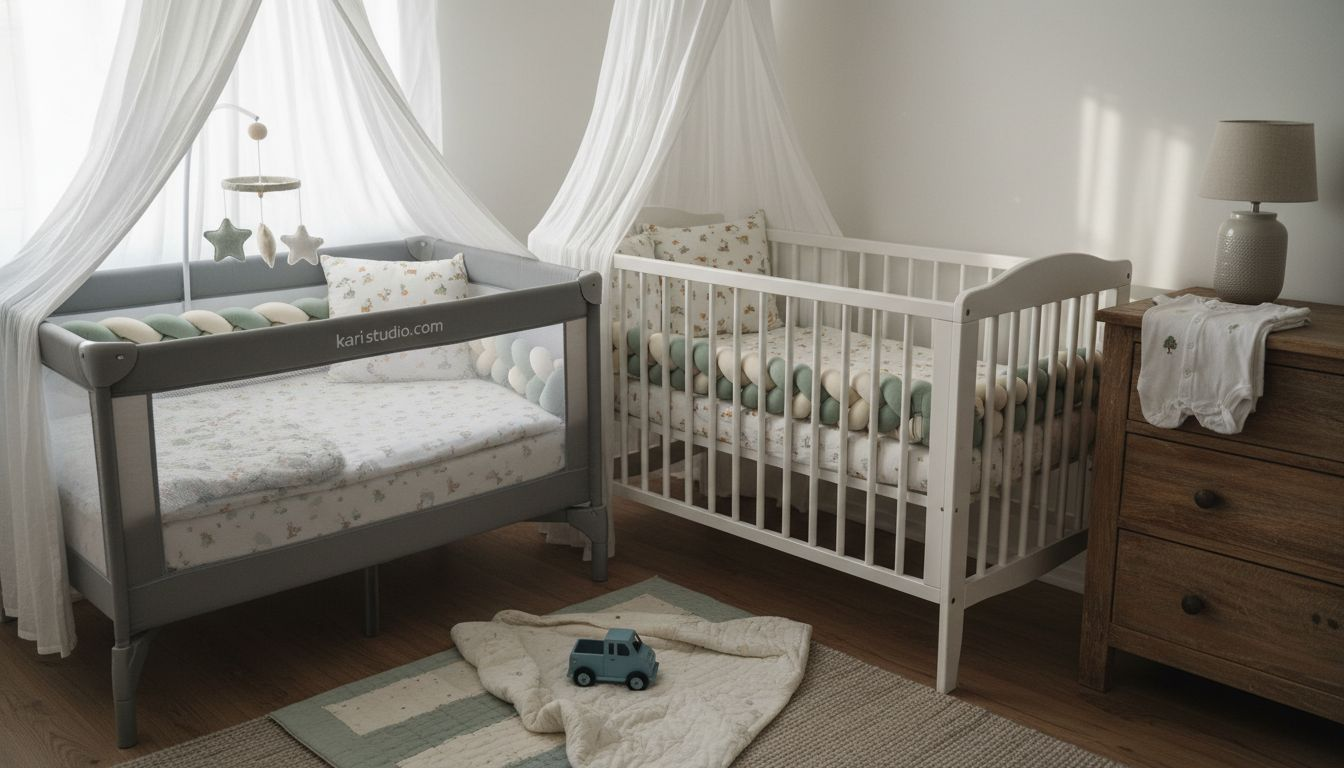
Hier ist ein Vergleich der Kinderbettgitter-Typen, der Eltern bei der Auswahl der besten Option für ihre Bedürfnisse hilft:
| Gittertyp | Am besten geeignet für | Flexibilität | Zugang für Eltern |
|---|---|---|---|
| Durchgehend | Maximale nächtliche Sicherheit | Minimale Höhenverstellung | Am schwierigsten |
| Halbhoch | Kleinkinder oder aktive Säuglinge | Kann bewegt oder umpositioniert werden | Einfacherer Zugang am Bett |
| Verstellbar | Wachsende oder mobile Kinder | Mehrere Höheneinstellungen | Mittel, hängt vom Gitter ab |
| Geteiltes Gitter | Individuelle Zimmergestaltungen | Vollständig anpassbare Enden | Optimiert, Abschnitt lässt sich öffnen |
Hauptmerkmale der Bettgitter-Typen:
- Durchgehende Gitter bieten maximalen Schutz
- Teil-Gitter bieten flexible Abdeckung
- Verstellbare Modelle passen sich der kindlichen Entwicklung an
- Geteilte Gitter ermöglichen eine maßgeschneiderte Positionierung
Sicherheitsüberlegungen bei der Gitterauswahl:
- Messen Sie die Kinderbettmaße präzise
- Überprüfen Sie die Kompatibilität mit bestimmten Kinderbettmodellen
- Überprüfen Sie Gewichts- und Stabilitätswerte
- Stellen Sie glatte, sichere Befestigungsmechanismen sicher
Profi-Tipp: Wählen Sie immer Bettgitter, die speziell für den Gebrauch durch Säuglinge hergestellt wurden, und vermeiden Sie allgemeine Änderungen an Erwachsenengittern, die die Sicherheit des Kindes gefährden könnten.
Wichtige Merkmale für sichere und stilvolle Gitter
Bei der Auswahl von Bettgittern für Kinderbetten müssen Eltern sorgfältig mehrere Sicherheits- und Designelemente berücksichtigen, die über den Grundschutz hinausgehen. Sicherheitsmerkmale von Bettgittern erfordern eine sorgfältige Bewertung, um maximale Sicherheit für das Kind zu gewährleisten.
Wichtige Merkmale für sichere und stilvolle Kinderbettgitter sind:
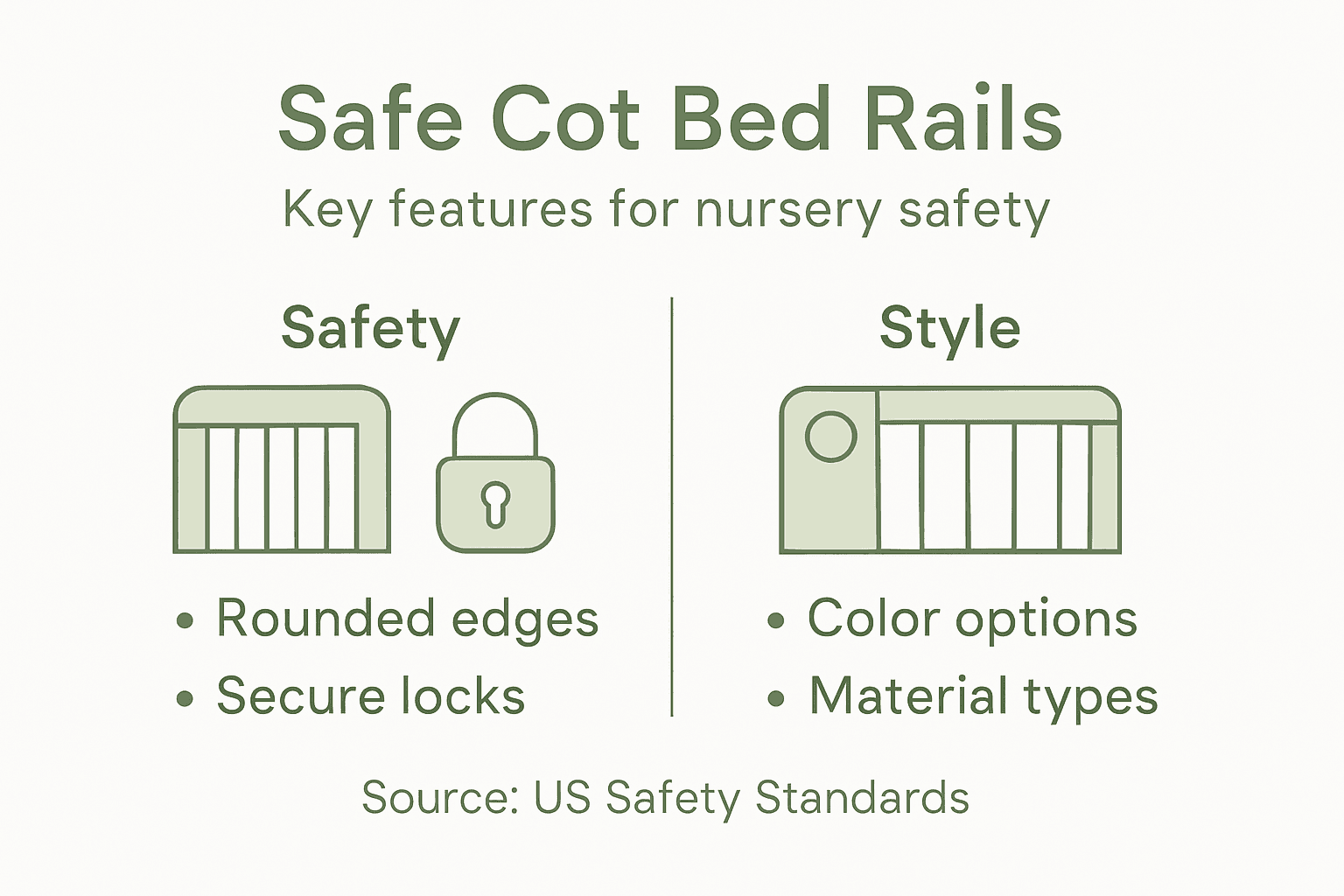
- Sichere Befestigungsmechanismen: Verhindern gefährliche Lücken oder Lockerungen
- Glatte, abgerundete Kanten: Minimieren potenzielle Verletzungsrisiken
- Einstellbare Höheneinstellungen: Passen sich den Entwicklungsstadien des Kindes an
- Langlebige, ungiftige Materialien: Gewährleisten langfristige Sicherheit und Zuverlässigkeit
- Kompatibilität mit Matratzenmaßen: Bieten nahtlose Integration
Material- und Konstruktionsüberlegungen:
- Wählen Sie Materialien, die verschleißfest sind
- Überprüfen Sie die Tragfähigkeit
- Untersuchen Sie die Befestigungspunkte auf Stabilität
- Bestätigen Sie die Einhaltung von Sicherheitsstandards
Sicherheitsstandards für Bettgitter betonen die Bedeutung präziser Fertigung und strenger Tests. Eltern sollten Gitter mit nachgewiesener Sicherheitshistorie und Designmerkmalen bevorzugen, die sich an wechselnde Entwicklungsbedürfnisse anpassen.
Checkliste zur Sicherheitsüberprüfung:
- Bestätigen Sie ASTM-Sicherheitszertifizierungen
- Testen Sie die Gitterstabilität vor der regelmäßigen Verwendung
- Inspizieren Sie die Gitter monatlich auf strukturelle Integrität
- Ersetzen Sie Gitter, die Anzeichen von Verschleiß oder Beschädigung aufweisen
Profi-Tipp: Kaufen Sie Bettgitter immer bei namhaften Herstellern, die umfassende Sicherheitsdokumentation und klare Installationsanweisungen zur Verfügung stellen.
Richtlinien für die ordnungsgemäße Installation und Wartung
Die Gewährleistung der Sicherheit von Bettgittern erfordert sorgfältige Aufmerksamkeit bei Installation und laufender Wartung. Installationsprotokolle für Bettgitter erfordern eine sorgfältige Beurteilung und konsequente Überwachung, um potenzielle Risiken zu vermeiden.
Schritt-für-Schritt-Installationsprozess:
- Präzise messen: Bestätigen Sie die genauen Maße von Kinderbett und Matratze
- Kompatibilität prüfen: Überprüfen Sie, ob das Gitterdesign zum spezifischen Kinderbettmodell passt
- Befestigungspunkte untersuchen: Stellen Sie sichere, lückenlose Verbindungen sicher
- Stabilität testen: Stellen Sie nach der Installation sicher, dass keinerlei Bewegung oder Lockerung vorliegt
- Herstelleranweisungen befolgen: Lesen und implementieren Sie alle Richtlinien genau
Wichtige Wartungscheckliste:
- Führen Sie monatliche umfassende Inspektionen durch
- Prüfen Sie auf Anzeichen von Verschleiß oder struktureller Schwäche
- Ziehen Sie alle Befestigungselemente fest
- Ersetzen Sie beschädigte Komponenten sofort
Sicherheitsrichtlinien für Bettgitter betonen die Bedeutung einer kontinuierlichen Risikobewertung und proaktiven Wartung. Eltern müssen wachsam bleiben und auf mögliche Sicherheitsbedenken reagieren.
Warnzeichen, die sofortiges Handeln erfordern:
- Sichtbare Risse oder strukturelle Schäden
- Lose oder wackelnde Gitterabschnitte
- Anzeichen von Materialermüdung oder Abbau
- Rost oder Korrosion an Metallteilen
Profi-Tipp: Führen Sie ein Wartungsprotokoll, in dem jede Inspektion dokumentiert wird, sowie Daten und alle Änderungen oder Ersetzungen, um die langfristige Sicherheitsleistung des Gitters zu verfolgen.
US-Sicherheitsstandards und Einhaltung von Vorschriften für Bettgitter
Die Navigation durch die komplexe Landschaft der Bettgittersicherheit erfordert das Verständnis umfassender US-Bundesvorschriften, die zum Schutz gefährdeter Bevölkerungsgruppen entwickelt wurden. Sicherheitsstandards für Bettgitter legen wichtige Richtlinien für Hersteller, Betreuer und Eltern fest, um potenzielle Verletzungen zu vermeiden.
Wichtige regulatorische Anforderungen umfassen:
- Verbindliche Risikobewertung: Dokumentation potenzieller Einklemmgefahren
- Informierte Zustimmung: Einholung der ausdrücklichen Genehmigung vor der Installation
- Überprüfung der Kompatibilität: Sicherstellung einer präzisen Passform bei bestimmten Bettmodellen
- Herstellerrichtlinien: Befolgen detaillierter Installationsanweisungen
- Alternative Optionen: Zuerst alternative Sicherheitsmaßnahmen in Betracht ziehen
Compliance-Checkliste für Bettgitter:
- Überprüfen Sie ASTM International Sicherheitszertifizierungen
- Bestätigen Sie präzise Matratzen- und Bettrahmenmaße
- Bewerten Sie die spezifischen Mobilitätsanforderungen des individuellen Nutzers
- Dokumentieren Sie laufende Sicherheitsbewertungen
Regulierungsbehörden für Standards:
Die folgende Tabelle fasst zusammen, wie führende US-Sicherheitsbehörden dazu beitragen, die Sicherheit von Bettgittern für Säuglinge zu gewährleisten:
| Behörde | Hauptrolle bei der Bettgittersicherheit | Beispiel für Aufsicht |
|---|---|---|
| Consumer Product Safety Commission (CPSC) | Legt Produktsicherheitsregeln fest | Ruft unsichere Kinderbettgitter-Modelle zurück |
| American Society for Testing and Materials (ASTM) | Erstellt freiwillige Industriestandards | Veröffentlicht F2085-Richtlinien für Etagen-/Bettgitter |
| Food and Drug Administration (FDA) | Reguliert bestimmte medizinische Gitter | Genehmigt Gitter für den Einsatz im Gesundheitswesen |
| Centers for Medicare & Medicaid Services (CMS) | Überwacht die Sicherheit in abgedeckten Einrichtungen | Gibt Leitlinien für Pflegeheimausrüstung heraus |
- Consumer Product Safety Commission (CPSC)
- American Society for Testing and Materials (ASTM)
- Food and Drug Administration (FDA)
- Centers for Medicare & Medicaid Services (CMS)
Profi-Tipp: Vergleichen Sie immer die Herstellerspezifikationen mit den aktuellen Sicherheitsrichtlinien des Bundes, um maximalen Schutz für Säuglinge und kleine Kinder zu gewährleisten.
Alternativen zu herkömmlichen Kinderbettgittern
Eltern, die nach sichereren Schlaflösungen für Säuglinge suchen, haben mehrere Alternativen zu herkömmlichen Bettgittern, die Stürze effektiv verhindern und gleichzeitig den Komfort aufrechterhalten können. Bettgitter-Alternativen bieten innovative Ansätze für die Sicherheit im Kinderzimmer, die potenzielle Risiken reduzieren.
Sichere Alternativen zu herkömmlichen Bettgittern umfassen:
- Schaumstoff-Stoßfänger: Weiche, unauffällige Schutzbarrieren
- Netz-Seitenschutz: Atmungsaktiver und flexibler Schutz
- Abgesenkte Betthöhe: Reduziert das Sturzpotenzial durch Minimierung der Distanz
- Spezielle Matratzendesigns: Konkave Oberflächen, die Bewegungen auf natürliche Weise begrenzen
- Bodenpolsterung: Zusätzlicher Schutz rund um den Bettumfang
Vergleichende Sicherheitsmerkmale:
| Alternative | Sicherheitsvorteil | |||
|---|---|---|---|---|
| Geringeres Einklemmrisiko | Flexiblere Positionierung | Verbesserte Atmungsaktivität | Einfachere Reinigung und Wartung | Weniger einschränkend für die Bewegung des Säuglings |
Mobilitätsorientierte Alternativen bieten umfassende Schutzstrategien, die über herkömmliche Gitterdesigns hinausgehen. Diese innovativen Lösungen priorisieren die Sicherheit des Säuglings und unterstützen gleichzeitig natürliche Entwicklungsbedürfnisse.
Sicherheitsbewertungskriterien:
- Minimale Bewegungseinschränkung
- Maximale Atmungsaktivität
- Einfacher Zugang für Eltern
- Einfacher Installationsprozess
- Altersgerechtes Design
Profi-Tipp: Konsultieren Sie pädiatrische Schlafexperten und führen Sie regelmäßige Sicherheitsbewertungen durch, um die am besten geeignete Schutzstrategie für das spezifische Entwicklungsstadium Ihres Kindes zu bestimmen.
Schaffen Sie ein sicheres und stilvolles Kinderzimmer mit handgemachten Nestchen und Bettwäsche
Die Sicherheit im Kinderzimmer zu gewährleisten bedeutet, die Herausforderung anzugehen, Ihr Kleines vor Stürzen und Verletzungen zu schützen und gleichzeitig Komfort und Stil zu bewahren. Wie der Artikel hervorhebt, müssen Bettgitter zusammen mit anderen Schutzmaßnahmen sorgfältig verwendet werden, um Ihr Baby effektiv zu schützen. Ergänzen Sie Ihr Sicherheits-Setup mit unseren handgemachten Nestchen-Sets für Jungen, die eine sanfte Polsterung bieten, die die Wahrscheinlichkeit von Beulen und blauen Flecken verringert, ohne die Bewegung Ihres Kindes einzuschränken.

Erleben Sie die Wärme und Sicherheit, die von hochwertigen, hypoallergenen Materialien ausgeht, die mit Liebe von Kari Studio gefertigt wurden. Entdecken Sie unsere gesamte Kollektion an anpassbaren Baby-Bettwäsche-Sets und wählen Sie aus handgemachten Nestchen für Jungenbetten, um Ihrem Kinderzimmer eine zusätzliche Schutzschicht und Charme zu verleihen. Handeln Sie jetzt, um eine gemütliche Oase zu schaffen, in der Sicherheit und Komfort Hand in Hand gehen.
Häufig gestellte Fragen
Was sind Bettgitter für Kinderbetten?
Bettgitter für Kinderbetten sind Sicherheitszubehör, das verhindern soll, dass Säuglinge aus ihrem Schlafbereich rollen oder fallen. Sie werden an den Seiten des Babybetts angebracht, um eine sichere Begrenzung zu schaffen.
Welche Arten von Kinderbettgittern sind erhältlich?
Kinderbettgitter gibt es in verschiedenen Ausführungen, darunter Gitter in voller Länge, halber Länge, verstellbare Gitter und geteilte Gitter. Jede Art bietet unterschiedliches Schutzniveau und verschiedene Zugangsmöglichkeiten, um den spezifischen Bedürfnissen von Säuglingen und Kleinkindern gerecht zu werden.
Wie sollte ich Bettgitter für das Kinderbett meines Säuglings installieren?
Um Bettgitter zu installieren, messen Sie Ihr Kinderbett präzise aus, prüfen Sie die Kompatibilität mit dem Bettmodell, untersuchen Sie die Befestigungspunkte auf sichere Verbindungen und befolgen Sie die Montageanleitung des Herstellers. Stellen Sie nach der Installation Stabilität und Sicherheit sicher.
Auf welche Merkmale sollte ich bei sicheren und stilvollen Kinderbettgittern achten?
Zu den wichtigsten Merkmalen sicherer Kinderbettgitter gehören sichere Befestigungsmechanismen, glatte, abgerundete Kanten, höhenverstellbare Einstellungen, langlebige, ungiftige Materialien und die Kompatibilität mit den Matratzenmaßen, um einen nahtlosen Sitz zu gewährleisten.
Empfohlen
- Sicherheit verstellbarer Kinderbett-Seitengitter für moderne Kinderzimmer
- Polster für Kinderbettgitter: Sicherer Schlaf und Zahnen
- Sichere Kinderbettgitter-Abdeckungen: Schutz für Baby und Bett
- Fehler bei der Kinderbetteinrichtung, die man für ein sicheres Kinderzimmer vermeiden sollte
- Sicherheitstraining für Welpen: Ein wesentlicher Leitfaden für alle Besitzer 2025