TL;DR:
- Organic baby bedding offers chemical-free, allergen-resistant options that promote deeper sleep and healthier skin. It also enhances safety through proper fit, temperature regulation, and certified materials, supporting infant health. However, foundation elements like firm surfaces and sleep position remain essential for safe sleep practices.
The bedding your baby sleeps on matters more than most parents realize. Organic baby bedding benefits go well beyond a marketing label — research shows that organic wool bedding gives babies 25% more stage 4 deep sleep, which directly affects feeding, weight gain, and nighttime crying. Babies spend up to 17 hours a day sleeping, meaning their bedding is one of their most consistent points of contact. This guide covers what organic materials actually do for infant health, how to choose between them, and how to put it all together safely.
Table of Contents
- Why organic baby bedding matters for infant health
- How organic materials improve baby sleep quality and safety
- Comparing organic cotton and wool bedding: What to choose for your baby
- Ensuring safe use of organic bedding: washing, fit, and sleep environment
- Styling a hypoallergenic nursery with organic bedding and accessories
- Why organic baby bedding alone isn’t a silver bullet: a practical parent’s view
- Explore Kari Studio’s organic baby bedding collection for safe, stylish nurseries
- Frequently asked questions
Key Takeaways
| Point | Details |
|---|---|
| Chemical-free comfort | Organic baby bedding avoids harmful pesticides, flame retardants, and toxic dyes that can irritate sensitive infant skin. |
| Allergen reduction | Natural fibers like wool and coconut coir significantly reduce dust mites and pet allergens, helping allergy-prone babies breathe easier. |
| Better sleep quality | Babies sleep up to 25% more deeply with organic wool bedding, improving feeding, growth, and overall mood. |
| Safe sleep compliance | Firm mattress fit and breathable, gap-free organic sheets support safe infant sleep guidelines and reduce SIDS risk. |
| Practical care tips | Wash new organic bedding twice before use and choose fitted sheets with secure elastic for best safety and comfort outcomes. |
Why organic baby bedding matters for infant health
Conventional crib sheets and mattress covers are often treated with pesticides, flame retardants, and formaldehyde-based finishes. For adults, trace exposure is generally low risk. For babies, it is a different situation entirely.
Children’s skin is up to 30% thinner than adult skin, which means chemical irritants absorb more easily and quickly. With 20 to 30% of infants dealing with eczema, the connection between synthetic fabric chemicals and skin reactions is real and well documented. This is one of the strongest arguments for choosing certified organic options from day one.
The benefits of organic bedding extend to respiratory health as well. Synthetic dyes and fabric finishes can off-gas volatile organic compounds (VOCs), which are airborne chemicals that irritate nasal passages and lungs. In a small, enclosed nursery, those compounds concentrate quickly.
Key reasons parents choose organic crib bedding benefits:
- No pesticide residues on fabric surfaces that touch baby’s skin directly
- No synthetic flame retardants, which conventional mattresses and covers often contain
- No formaldehyde wrinkle treatments common in standard cotton sheets
- Lower VOC off-gassing in the nursery environment
- Reduced eczema and allergy flare-ups due to hypoallergenic bedding fabrics certified under GOTS or OEKO-TEX standards
GOTS (Global Organic Textile Standard) certification means the fabric was grown without synthetic pesticides and processed without harmful dyes or finishing chemicals. It is currently the most thorough organic textile certification available for baby products.
Is organic baby bedding safe? Yes, consistently and specifically when it carries third-party certification. The label alone means nothing without the paperwork to back it up.
How organic materials improve baby sleep quality and safety
Organic materials are not just chemically cleaner. They also function better for infant sleep on a physical level. Temperature regulation, allergen resistance, and breathability all play a role in how well your baby actually sleeps.
Organic wool bedding gives babies 25% more stage 4 deep sleep, which is the phase most important for growth and immune function. Wool naturally responds to body temperature, absorbing moisture when a baby overheats and releasing it as conditions cool. The result is a more stable sleep micro-climate without any electronics or special covers needed.
Coconut coir is less known but impressive on allergen reduction. Organic coconut coir mattresses reduce dust mite allergens by 93.7% and cat hair allergens by 92.8%, making them the strongest material option for allergy-prone babies from 0 to 24 months. The naturally firm, breathable structure also complies with safe sleep standards that require a firm, flat surface to reduce SIDS (Sudden Infant Death Syndrome) risk.
Understanding crib bedding materials explained in detail helps you choose based on your baby’s specific sensitivities.
| Material | Temperature regulation | Allergen resistance | Firmness | Best for |
|---|---|---|---|---|
| Organic cotton | Good | Moderate | Soft | Everyday sheets and covers |
| Organic wool | Excellent | High | Medium | Year-round comfort and deep sleep |
| Coconut coir | Moderate | Very high | Firm | Allergy-prone or sensitive babies |
Pro Tip: If your baby has known allergies or a family history of asthma, a coconut coir mattress paired with organic cotton sheets is one of the most allergy-resistant sleep setups available. Check crib bedding safety standards before purchasing to confirm compliance.
Key benefits of organic materials for baby sleep:
- Wool naturally deters dust mites, mold, and mildew without chemical treatment
- Coconut coir’s open structure allows air circulation, preventing heat buildup
- Firm organic mattresses reduce soft-surface suffocation risks
- Breathable organic cotton wicks moisture to keep skin dry and comfortable
Comparing organic cotton and wool bedding: What to choose for your baby
Most parents land on one of two options: organic cotton or organic wool. Both offer real advantages of natural materials over synthetic alternatives. The right choice depends on your nursery climate, your baby’s sensitivities, and your priorities as a parent.
Organic cotton is lightweight and easy to launder. It softens with each wash, stays breathable in warmer months, and tends to be the more affordable entry point into organic bedding. Organic cotton uses up to 91% less water than conventional cotton in production, which is relevant if eco-friendly baby bedding matters to your household. Babies sleeping 16 to 17 hours daily have consistent skin contact with these sheets, so reducing chemical exposure through organic cotton is one of the highest-impact choices you can make.
Organic wool costs more but delivers more on the allergen and temperature front. Wool’s natural resistance to dust mites and mold creates noticeably cleaner sleep for allergic babies compared to synthetic fillers. Wool is also naturally flame retardant, which means it meets fire safety standards without any added chemical treatment. That is a meaningful difference when you consider what conventional mattresses use to pass the same tests.
| Feature | Organic cotton | Organic wool |
|---|---|---|
| Temperature regulation | Good | Excellent |
| Allergen resistance | Moderate | High |
| Flame retardant | With chemical treatment | Naturally, no chemicals needed |
| Washing ease | Machine washable | Requires gentle care |
| Cost | Lower | Higher |
| Environmental production impact | Very low water use | Naturally renewable |
| Best season | Spring and summer | Year-round, especially winter |
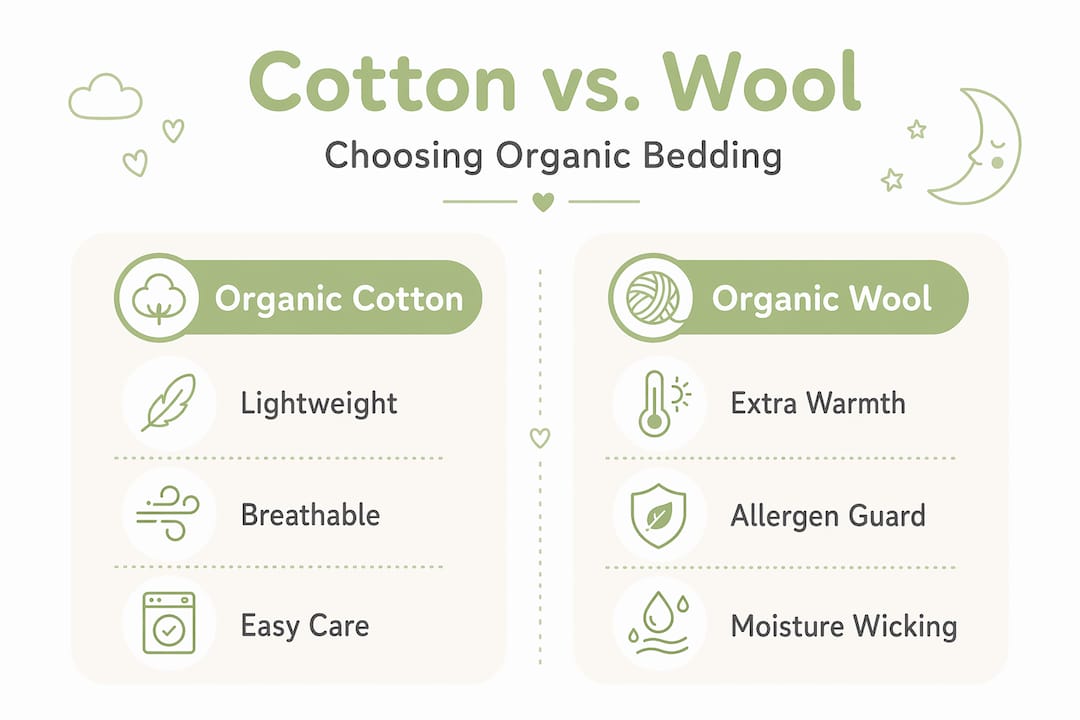
For help navigating bedding fabric types, a side-by-side material breakdown can clarify which option fits your nursery best.
Additional considerations when choosing:
- Cotton is ideal if you want easy, frequent washing without special care
- Wool is worth the investment if your baby runs warm or has respiratory sensitivities
- Bamboo-cotton blends are a strong middle option, combining softness with moisture wicking
- Both materials support the health benefits of organic bedding when certified under GOTS or OEKO-TEX
Pro Tip: Look for crib bedding materials that list their exact fiber composition and country of manufacture. Vague labeling is a common issue with products that call themselves “natural” without any third-party verification.
Ensuring safe use of organic bedding: washing, fit, and sleep environment
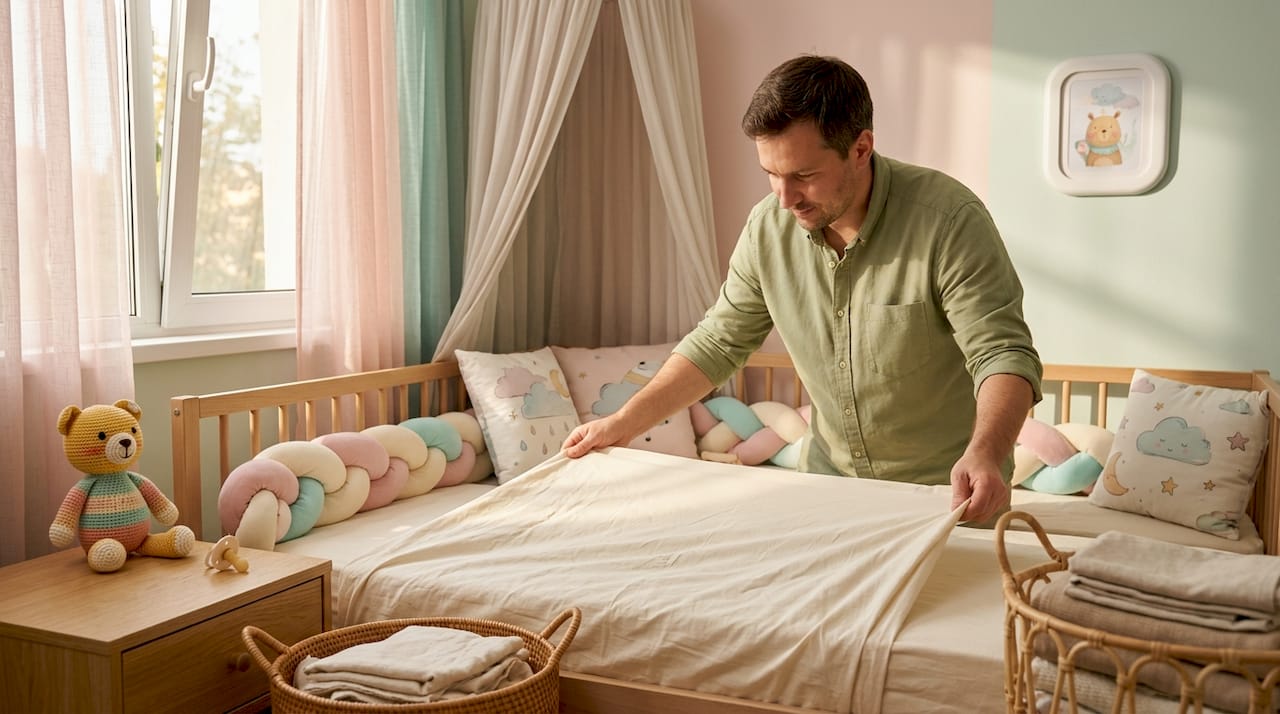
Choosing organic is step one. Using it correctly is step two. Safe bedding for babies requires more than the right material. Fit, preparation, and environment all matter.
Wash GOTS or OEKO-TEX certified sheets twice before their first use. Even certified organic textiles carry manufacturing residues from processing facilities, and a double wash removes the bulk of them. This is especially important for babies with eczema or sensitive skin.
The American Academy of Pediatrics (AAP) is direct: firm flat surfaces with no gaps over 1 centimeter and no loose bedding are the foundation of safe infant sleep. Organic fabric’s breathability supports temperature regulation, but it does not replace the structural requirements.
Follow these steps when setting up organic baby bedding:
- Wash twice before use. Use fragrance-free detergent on a gentle cycle.
- Check sheet fit. Confirm 360-degree elastic corners and zero gaps between the sheet and mattress edge.
- Inspect the mattress surface. It should be firm enough that your hand leaves no lasting impression.
- Remove all loose items. No pillows, stuffed animals, or loose blankets in the sleep area.
- Monitor nursery temperature. Keep the room between 68 and 72 degrees Fahrenheit. Organic breathable fabrics help, but a thermometer confirms it.
- Re-check fit after washing. Organic cotton can shrink slightly, so confirm fit after each first wash of a new set.
Review modern safety standards for bedding for updated AAP guidelines on crib setup and safe sleep compliance.
Pro Tip: Keep a consistent crib bedding safety standards checklist near your changing station. Run through it any time you change or refit bedding after laundry.
Styling a hypoallergenic nursery with organic bedding and accessories
A hypoallergenic nursery does not have to look clinical. You can build a space that is both safe and visually cohesive, and the bedding is the natural starting point.
Begin with certified foundations. OEKO-TEX and GOTS labels on sheets, mattress covers, and any fabric accessories confirm that chemical safety is not being sacrificed for style. From there, layering textures creates visual warmth without adding risk.
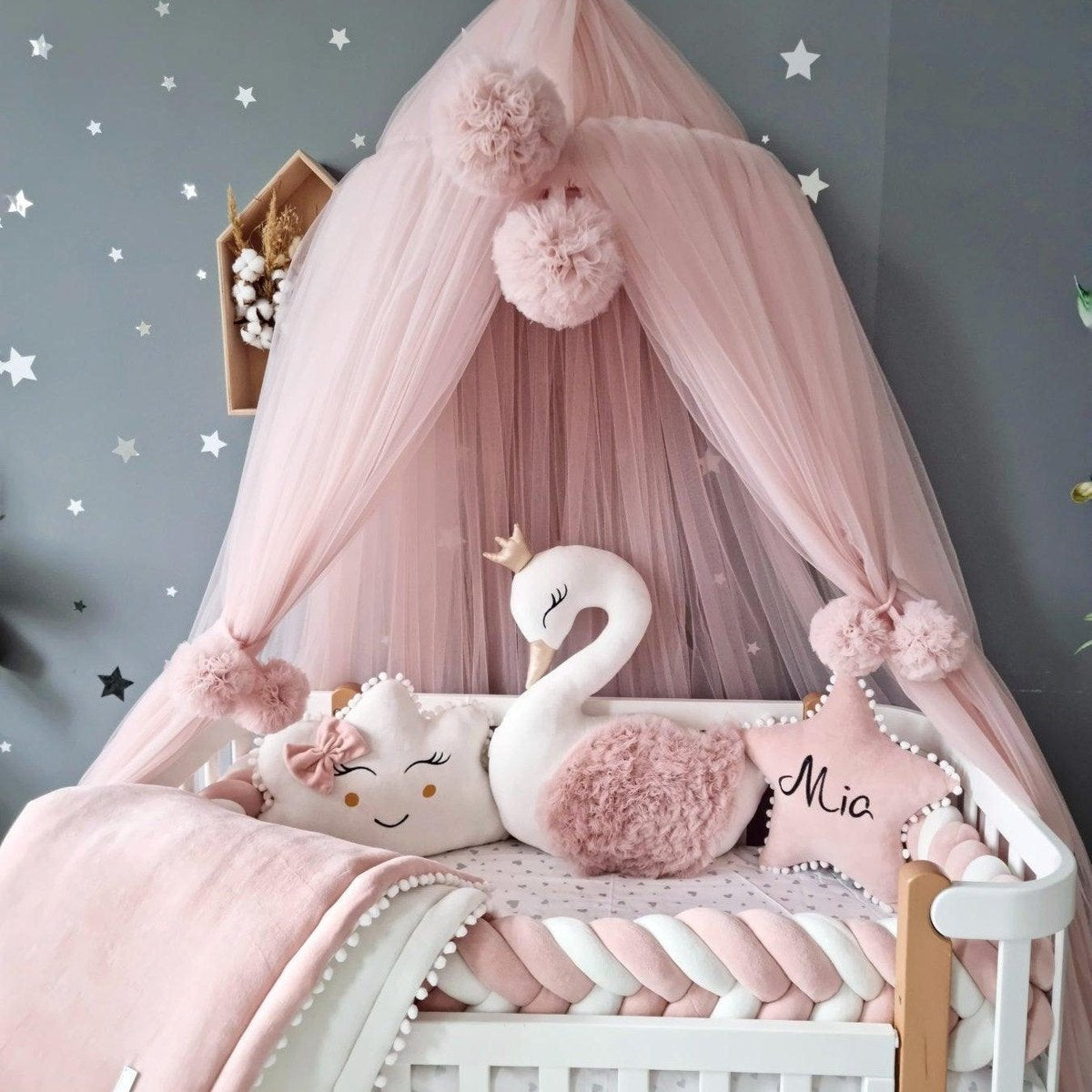
Combine organic cotton sheets with a wool blanket for contrast in both texture and function. Add a canopy for a soft visual focal point without blocking airflow. Use protective rail guards to cover hard crib edges with safe, padded fabric rather than interior mesh bumpers that can trap heat.
When selecting safe breathable crib bumpers, braided designs are currently the preferred option. They protect against bumps while maintaining airflow around the baby, unlike traditional padded bumpers that sit flat against the crib slats and limit ventilation.
A practical nursery styling checklist:
- Bedding set: GOTS or OEKO-TEX certified fitted sheets and mattress covers as the base
- Braided crib bumper: For head and limb protection without blocking airflow
- Rail guards: Soft fabric covers for exposed crib rails, free of synthetic padding
- Decorative pillow: Outside the sleep area, for visual detail only
- Canopy: Mounted above the crib, not touching the baby’s sleep surface
Browse organic baby bedding sets to find coordinated collections that combine function and nursery aesthetics in one place.
Why organic baby bedding alone isn’t a silver bullet: a practical parent’s view
Here is something many organic bedding articles skip: the material of your crib sheets will not solve your baby’s sleep problems on its own. Organic bedding matters. It is not magic.
AAP guidelines are clear that firm flat surfaces and no loose bedding remain the foundation of safe sleep. Breathable organic fabrics support temperature regulation, but they support the foundation, they do not replace it. Parents who buy organic sheets expecting a dramatic sleep improvement may be disappointed if the basics are not in place first.
Back sleeping, a firm mattress, room-sharing without bed-sharing, and a consistent sleep routine all contribute more to infant sleep quality than bedding material alone. Organic wool and coconut coir help reduce allergen load and support thermal comfort. That is real and worth the investment. But none of it overrides the importance of the structural environment.
The other overlooked reality: even the best organic materials cannot account for infant sleep regressions, feeding schedules, or developmental disruptions at 4 months and 8 months. Parents sometimes change their entire nursery setup during those phases looking for a fix. The material of the sheets is rarely the variable to adjust.
What organic bedding does well is reduce unnecessary irritants, support more stable sleep temperature, and minimize chemical exposure over thousands of hours of contact. That is a meaningful contribution to long-term health, not a one-night fix. Combine crib bedding vs blankets safety knowledge with a consistent routine for the most practical outcome.
Pro Tip: Pair breathable organic cotton sheets with a well-fitted sleep sack instead of any loose blanket. Sleep sacks eliminate the temperature variable without adding suffocation risk, and they work year-round with a weight adjustment for the season.
Explore Kari Studio’s organic baby bedding collection for safe, stylish nurseries
If you are ready to put these principles into practice, Kari Studio makes it straightforward. Every piece in our collection is made from hypoallergenic, certified fabrics designed specifically for infant safety and nursery aesthetics.
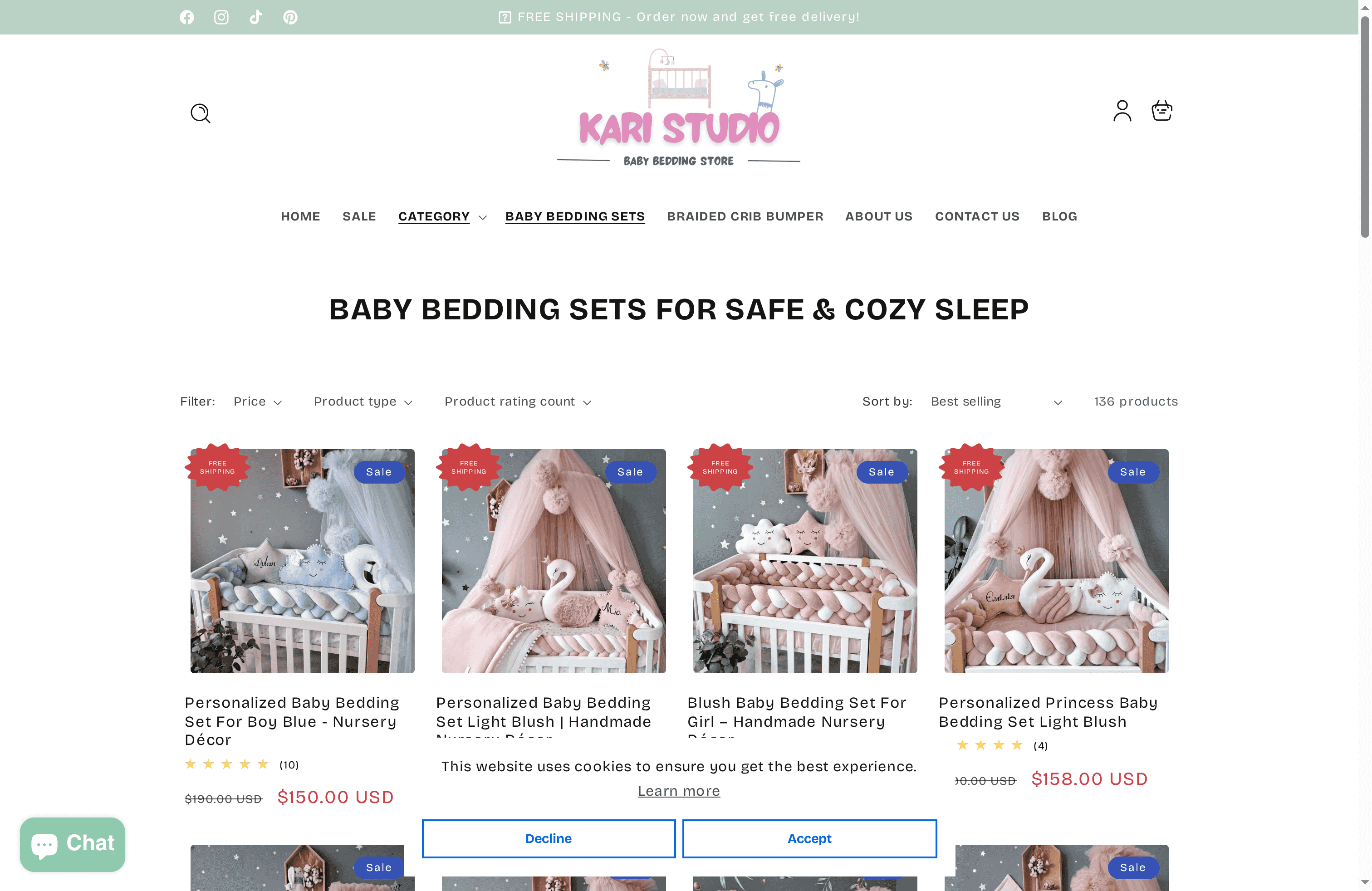
Our organic baby bedding sets include fitted sheets, mattress covers, and coordinated accessories built to GOTS and OEKO-TEX standards. The braided crib bumpers protect without blocking airflow, and every item can be personalized with your baby’s name. Start with our neutral nursery styling set in beige for a clean, cozy foundation that pairs well with any nursery color. Check our current bedding offers for seasonal sets and crib bumpers. We ship internationally, so creating a safe, stylish nursery is accessible wherever you are.
Frequently asked questions
What are the main health benefits of using organic baby bedding?
Organic baby bedding reduces exposure to harmful chemicals, lowers allergen presence, and supports healthier skin and respiratory comfort for infants. Organic cotton crib bedding is free of flame retardants, formaldehyde, and pesticide residues, making it the safest fabric choice for babies sleeping up to 17 hours daily.
How does organic wool bedding help babies sleep better?
Organic wool bedding naturally regulates temperature, reduces allergens like dust mites, and promotes 25% more deep sleep in infants, leading to calmer nights, better feeding, and faster weight gain.
Are organic coconut coir mattresses good for allergy-prone babies?
Yes. Coconut coir mattresses reduce dust mite allergens by 93.7% and cat hair allergens by 92.8%, making them one of the strongest material options for babies with allergies or sensitive respiratory systems.
How should I care for organic baby bedding before use?
Wash certified organic sheets twice before first use using a fragrance-free detergent to remove manufacturing residues and minimize the risk of eczema flare-ups in sensitive babies.
What are safe sleep guidelines related to organic baby bedding?
AAP safe sleep guidelines require a firm, flat mattress with no loose bedding or gaps. Breathable organic fabrics support temperature regulation but complement these structural requirements rather than replacing them.