Every parent faces the challenge of designing a cozy and secure sleep space for their baby. With so many bedding products and sleep routines available, making the right choices can feel overwhelming. Following the Safe to Sleep guidelines ensures your infant’s environment truly supports restful nights while reducing potential risks. This guide delivers simple, actionable solutions that help you create a soothing, personalized bedtime routine focused on safety, comfort, and your baby’s healthy development.
Table of Contents
- Defining Baby Bed Time Essentials
- Safe Sleep Practices For Infants
- Choosing Bedding And Sleep Products
- U.S. Crib Safety Laws And Standards
- Personalizing Your Baby’s Sleep Space
- Mistakes To Avoid In Baby Bed Time
Key Takeaways
| Point | Details |
|---|---|
| Safe Sleep Practices | Always place babies on their backs, use firm surfaces, and avoid soft bedding to ensure a secure sleep environment. |
| Choosing Bedding Wisely | Select safety-approved sleep products, ensuring they meet strict safety standards to promote infant health and safety. |
| Monitoring Temperature | Maintain room temperature between 68-72°F to prevent overheating and ensure a comfortable sleep setting. |
| Creating a Consistent Routine | Establish predictable bedtime interactions to help babies feel secure, contributing to healthy sleep patterns. |
Defining Baby Bed Time Essentials
Creating a safe sleep environment for your newborn requires careful planning and understanding of essential bedding elements. Baby bed time essentials go beyond just a comfortable mattress - they involve multiple strategic components designed to protect and support your infant’s health and development.
The Safe to Sleep campaign emphasizes critical guidelines for infant sleep safety that every parent should understand. These foundational principles include:
- Placing babies on a firm, flat sleeping surface
- Avoiding soft bedding or loose items in the sleep area
- Positioning babies on their backs for every sleep period
- Maintaining a consistent, clutter-free sleep environment
Safety isn’t just about physical positioning - it’s also about creating a predictable, nurturing routine. Positive parenting recommendations suggest establishing consistent bedtime interactions that help babies feel secure and develop healthy sleep patterns.
Key components of a safe infant sleep setup include:
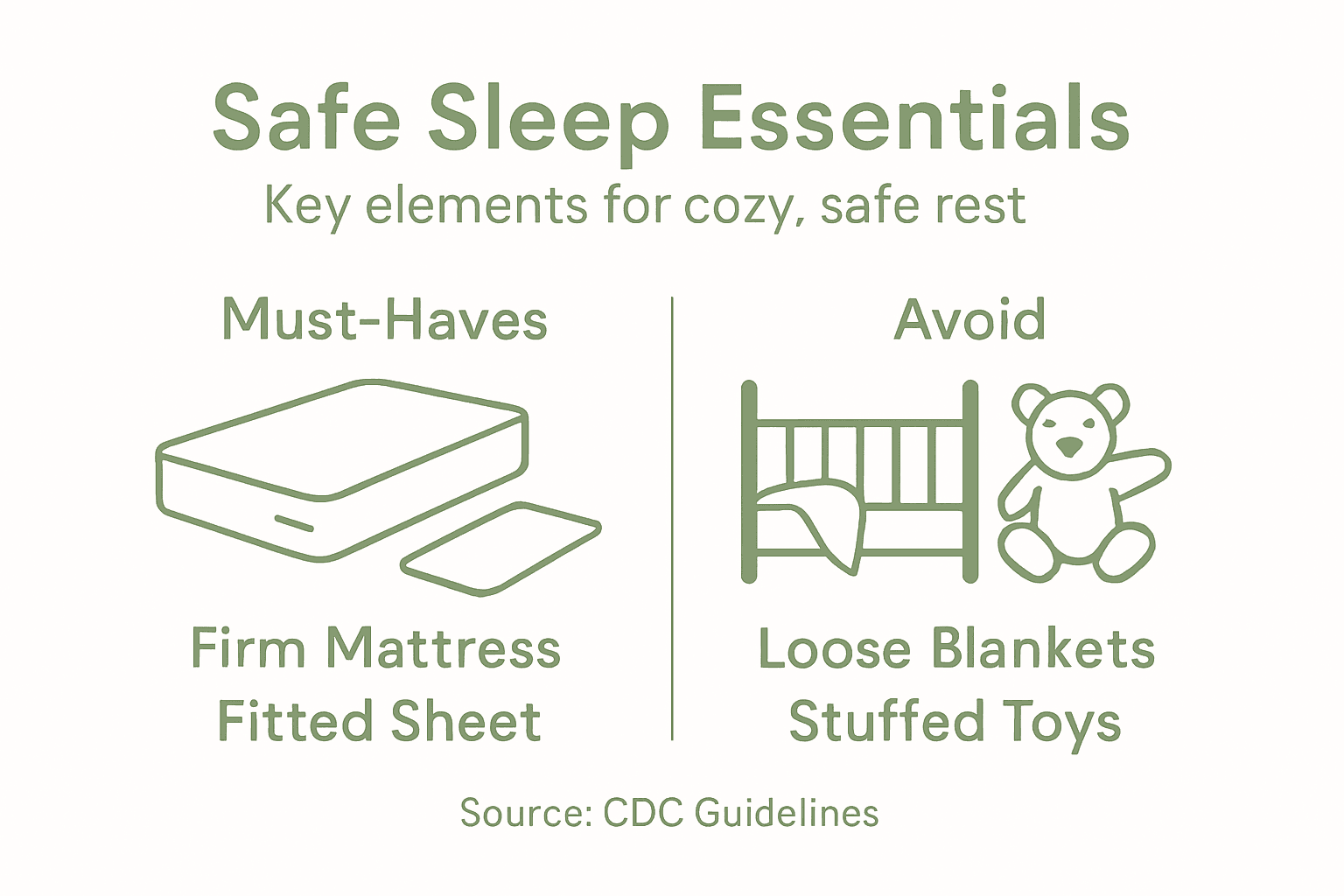
- A firm mattress with a fitted sheet
- A breathable, temperature-regulated sleep surface
- No pillows, blankets, or soft toys in the sleeping area
- A room temperature between 68-72°F
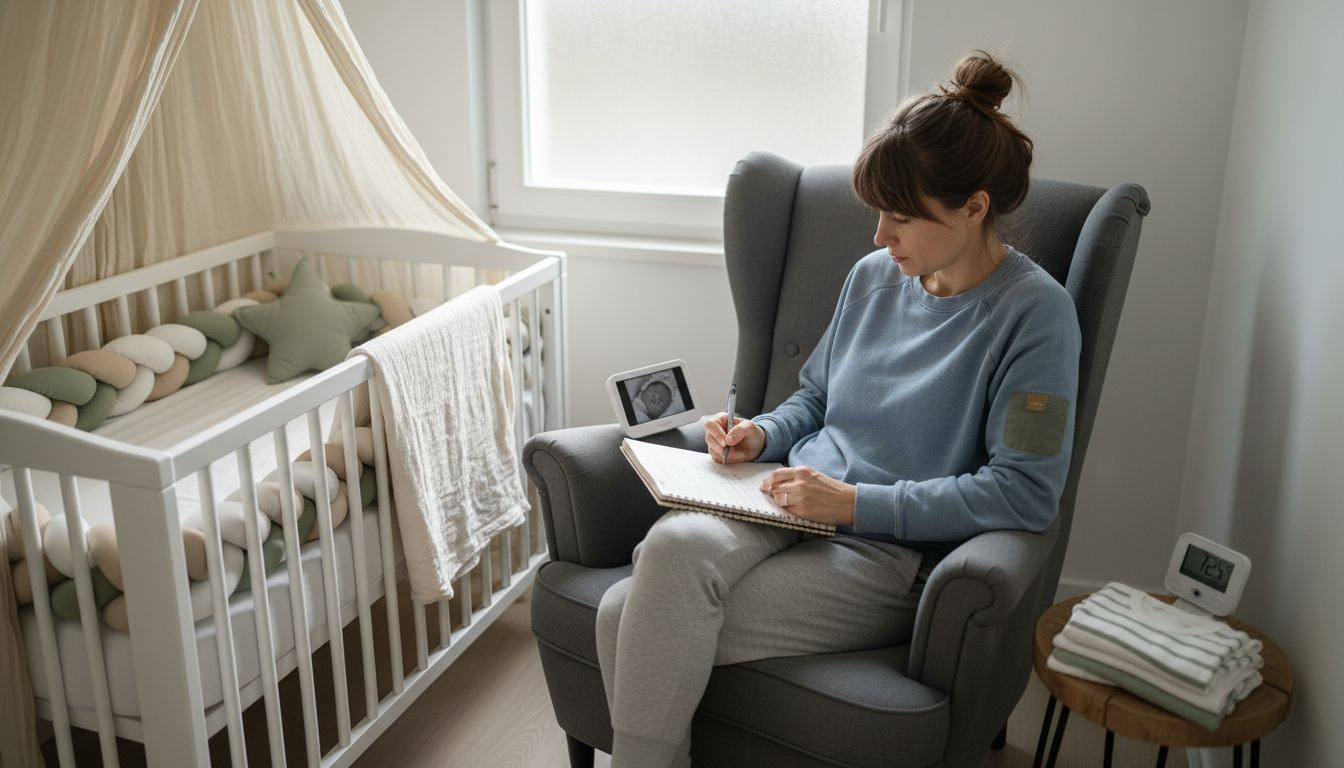
Parents should also prioritize monitoring their baby’s sleep environment and recognizing tired cues that indicate when rest is needed. Understanding these nuanced signals helps create a responsive, supportive nighttime routine.
Here’s a quick guide comparing safe and unsafe baby sleep environment choices:
| Criteria | Safe Choice | Unsafe Choice |
|---|---|---|
| Mattress Type | Firm and flat surface | Soft and padded surface |
| Bedding Items | Fitted sheet only | Blankets, pillows, soft toys |
| Sleep Position | Always on baby’s back | On stomach or side |
| Room Temperature | Maintained 68-72°F | Uncontrolled or overheated room |
| Parental Proximity | Crib near parent’s bed (not shared) | Co-sleeping on adult bed |
Pro tip: Create a consistent pre-sleep routine with gentle activities like soft music, quiet talking, or a warm bath to signal to your baby that bedtime is approaching.
Safe Sleep Practices for Infants
Ensuring a safe sleeping environment is crucial for infant health and reducing the risk of sleep-related complications. Infant sleep safety requires a comprehensive approach that goes beyond simply providing a comfortable space.
The Safe to Sleep campaign provides critical guidelines for protecting infants during sleep. Key safe sleep practices include:
- Always placing babies on their backs
- Using firm, flat sleeping surfaces
- Avoiding soft bedding or loose items
- Keeping babies in the same room but not the same bed
- Maintaining appropriate room temperature
Positioning and environment play a significant role in infant safety. CDC safe sleep recommendations emphasize using safety-approved cribs with firm mattresses and fitted sheets, and strictly avoiding soft surfaces that could compromise breathing.
Specific safe sleep practices parents should implement:
- Use a dedicated sleep surface designed for infants
- Dress babies in lightweight, comfortable clothing
- Maintain room temperature between 68-72°F
- Remove all soft items from the sleep area
- Monitor baby’s temperature to prevent overheating
Parents must remain vigilant and create a consistent, safe sleep environment that minimizes potential risks. Understanding and implementing these guidelines can significantly reduce the likelihood of sleep-related incidents.
Pro tip: Invest in a room thermometer and baby monitor to help you maintain a safe and comfortable sleep environment for your infant.
Choosing Bedding and Sleep Products
Selecting the right bedding and sleep products is a critical decision that directly impacts infant safety and comfort. Baby sleep essentials require careful consideration and understanding of current safety standards.
Safe sleep guidelines emphasize using only specialized infant sleep products designed with rigorous safety protocols. Key considerations include:
- Using only safety-approved cribs and bassinets
- Ensuring mattresses fit snugly without gaps
- Selecting fitted sheets specifically made for infant mattresses
- Avoiding decorative bedding, pillows, and soft toys
- Choosing breathable, temperature-appropriate materials
Parents should prioritize products that meet strict safety certifications. When evaluating sleep products, focus on:
- Compliance with current safety regulations
- Firm, flat sleeping surfaces
- Minimal additional accessories
- Breathable fabric compositions
- Easy-to-clean materials
Mattress selection plays a crucial role in infant sleep safety. Co-sleeping research recommends avoiding soft surfaces like waterbeds, sheepskins, or padded mattresses that could compromise breathing and increase suffocation risks.
Beyond safety, consider comfort and temperature regulation. Look for lightweight, hypoallergenic materials that support your baby’s delicate skin and maintain consistent body temperature.
Pro tip: Always check product certification labels and research manufacturer safety standards before purchasing any infant sleep products.
U.S. Crib Safety Laws and Standards
Crib safety regulations are critical for protecting infants and ensuring their wellbeing during sleep. Parents must understand the comprehensive legal framework designed to minimize potential risks in nursery environments.
Consumer Product Safety Commission standards establish comprehensive guidelines for crib manufacturing and design. Key regulatory requirements include:
- Precise slat spacing to prevent infant entrapment
- Mandatory hardware safety specifications
- Prohibition of drop-side cribs
- Required labeling for product traceability
- Mandatory testing for structural integrity
The legal standards cover multiple dimensions of infant safety:
- Full-size crib dimensional requirements
- Non-full-size crib construction guidelines
- Material safety specifications
- Structural strength testing protocols
- Ongoing manufacturer compliance monitoring
Federal regulations provide detailed specifications for manufacturers. Code of Federal Regulations Title 16 Part 1219 outlines specific construction requirements, including precise measurements for:
- Crib component spacing
- Material durability standards
- Load-bearing capacity testing
- Entrapment prevention mechanisms
Manufacturers must continuously demonstrate compliance with these rigorous safety standards, ensuring every crib sold meets strict protective guidelines designed to safeguard infant health.
Here is a summary of important U.S. crib safety regulations and why they matter:
| Regulation Component | Requirement/Standard | Purpose or Impact |
|---|---|---|
| Slat Spacing | Specific inch gaps mandated | Prevent infant entrapment |
| Drop-Side Prohibition | Drop-side cribs banned | Increase structural stability |
| Material Safety | Safe, non-toxic materials | Protect from chemical hazards |
| Hardware Specifications | Secure and tested fasteners | Avoid crib collapse or failure |
| Labeling and Traceability | Manufacturer tracking info | Enable recalls, ensure safety |
Pro tip: Always verify a crib’s current safety certification and manufacturing date before purchase, and register the product with the manufacturer for recall notifications.
Personalizing Your Baby’s Sleep Space
Creating a personalized sleep environment for your infant requires a delicate balance between comfort, safety, and individual style. Baby sleep spaces should reflect both functional needs and emotional warmth while prioritizing your child’s well-being.
Safe sleep guidelines emphasize critical considerations when personalizing an infant’s sleeping area. Key elements include:
- Maintaining a firm mattress with fitted sheet
- Avoiding loose bedding or decorative items
- Positioning crib near parents’ bed
- Using breathable, temperature-appropriate fabrics
- Creating a calm, consistent environment
Personalization strategies that support infant comfort and safety involve:
- Selecting soothing color palettes
- Using minimalist, non-stimulating decorations
- Implementing consistent sound or white noise
- Maintaining comfortable room temperature
- Creating predictable bedtime routines
Emotional connection matters as much as physical comfort. CDC recommendations suggest incorporating subtle personal touches that help babies feel secure without compromising sleep safety.
Parents can create meaningful connections through carefully chosen elements like soft, washable wall art, gentle music, or a special blanket used only during supervised waking hours. Remember that simplicity and safety should always guide your design choices.
Pro tip: Choose washable, breathable decorative elements and rotate them periodically to maintain visual interest while keeping the sleep environment clean and safe.
Mistakes to Avoid in Baby Bed Time
Infant sleep safety requires careful attention to prevent potentially dangerous practices that could compromise a baby’s well-being. Understanding and avoiding common mistakes is crucial for creating a secure sleep environment.
Safe Sleep guidelines highlight critical errors parents must avoid:
- Placing babies on stomach or side while sleeping
- Using soft bedding or loose items in the crib
- Allowing overheating
- Bed-sharing on adult mattresses
- Exposing babies to smoking environments
Most hazardous sleep practices include:
- Using padded or inclined sleeping surfaces
- Covering babies with blankets
- Adding pillows or stuffed animals
- Sleeping in uncontrolled temperature environments
- Inconsistent sleep positioning
Dangerous sleep positioning can significantly increase risks. Caregiver education research emphasizes the importance of maintaining consistent, safe sleep practices that protect infants from potential harm.
Parents should remain vigilant and continuously educate themselves about evolving safe sleep recommendations. Every decision matters when protecting a vulnerable infant during their most defenseless moments.
Pro tip: Create a dedicated safe sleep checklist and review it nightly to ensure you’re consistently following recommended safety protocols.
Create a Safe and Cozy Sleep Space with Kari Studio
Ensuring your baby has a safe and comfortable place to rest is a top priority highlighted in the article. Addressing challenges like avoiding soft bedding, maintaining a firm sleep surface, and personalizing the nursery without compromising safety can feel overwhelming. Kari Studio offers thoughtful solutions crafted with these exact concerns in mind. Our collection of handmade cot bumper sets is designed to add protection while using hypoallergenic, breathable fabrics that meet the highest safety standards.

Explore our range of handmade cot bumper sets for boys and girls to find the perfect match for your nursery style. Every item is carefully created to balance comfort, safety, and personalization, just like the article recommends. Visit the full collection at Kari Studio Baby Bedding Sets and start building your baby’s safe and cozy sleep environment today.
Frequently Asked Questions
What are the essential components of a safe sleep environment for my baby?
To create a safe sleep environment for your baby, ensure a firm mattress with a fitted sheet, avoid soft bedding or loose items in the crib, maintain a room temperature between 68-72°F, and always place your baby on their back to sleep.
How can I monitor my baby’s sleep environment effectively?
To monitor your baby’s sleep environment, use a room thermometer to ensure the temperature stays within the recommended range, and consider using a baby monitor to keep an eye on your baby while they are sleeping. Regularly check for any unsafe items in the crib.
Why is it important to avoid pillows and blankets in my baby’s crib?
Pillows and blankets can pose a suffocation risk for infants. Soft bedding can obstruct breathing and lead to sleep-related incidents, so it’s crucial to keep the crib free of these items for safety.
What are some best practices for establishing a bedtime routine for infants?
To establish a bedtime routine for your infant, incorporate calming activities such as soft music, quiet talking, or a warm bath. Consistency is key, so aim to follow the same routine each night to signal to your baby that it’s time to sleep.
Recommended
- The Ultimate Guide to Choosing the Perfect Baby Bedding Set
- Benefits of Co-Sleeping: Complete, Balanced Guide
- What to Keep Near Crib for a Safe and Cozy Nursery
- What is a Sleep Sack? Understanding Its Benefits and Use
- Top 10 idei de decor cu tablouri canvas pentru camera copilului tau – LuxCanva® - Magazin tablouri canvas si tablouri personalizate
- Best Bouncy House for Toddlers: Top Features