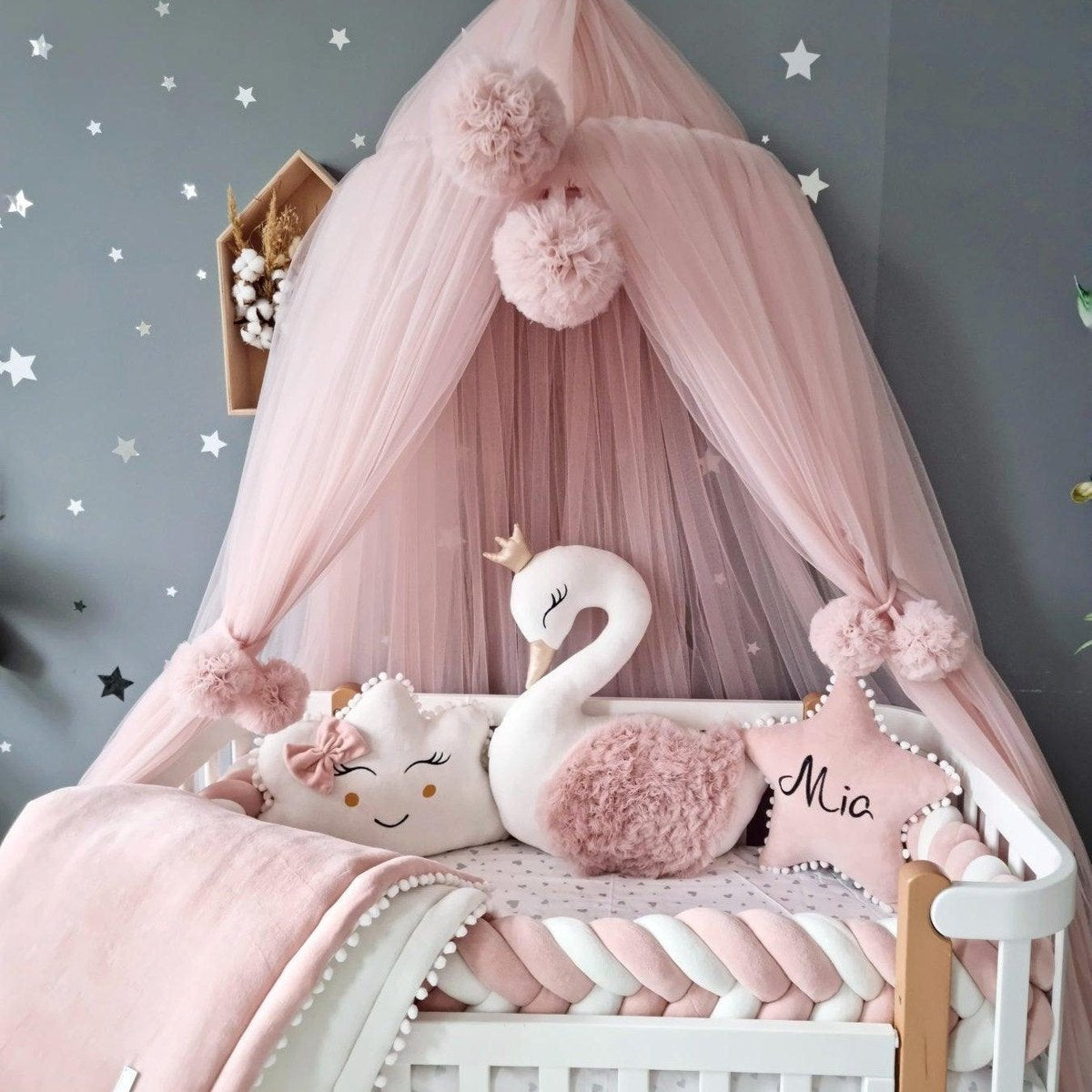

Más de 3,500 bebés en los Estados Unidos sufren lesiones prevenibles cada año debido a instalaciones inseguras en las habitaciones infantiles cerca de las ventanas. Para cada padre estadounidense que recibe a un recién nacido, crear un espacio seguro para dormir se convierte en una prioridad urgente. Gestionar los riesgos de las ventanas y la ubicación inteligente de la cuna no solo protege a su bebé de caídas, peligros con los cordones y cambios de temperatura, sino que también establece una tranquilidad duradera. Encuentre estrategias prácticas para hacer que la habitación de su hijo sea verdaderamente segura desde el primer día.
Tabla de contenido
- Paso 1: Evaluar los riesgos de las ventanas y el entorno
- Paso 2: Seleccionar la ubicación adecuada para la cuna
- Paso 3: Instalar elementos de seguridad en las ventanas
- Paso 4: Colocar la cuna de forma segura
- Paso 5: Verificar la seguridad general de la habitación
Resumen rápido
| Punto clave | Explicación |
|---|---|
| 1. La ubicación de la cuna importa | Mantenga la cuna al menos a tres o cuatro pies (aprox. 1 metro) de distancia de ventanas y otros peligros potenciales por seguridad. |
| 2. Instale elementos de seguridad en ventanas | Use cortinas sin cordones e instale seguros para prevenir caídas y proteger contra roturas de cristales. |
| 3. Auditorías de seguridad periódicas | Realice inspecciones de seguridad cada 2-3 meses a medida que su hijo se vuelve más móvil para reevaluar peligros potenciales. |
| 4. Controle los cambios de temperatura | Coloque la cuna lejos de rejillas de calefacción y de la luz solar directa para mantener un ambiente cómodo para dormir. |
| 5. Asegure los muebles en la habitación | Ancle todos los muebles a las paredes y retire objetos alcanzables para evitar que el niño escale y sufra lesiones accidentales. |
Paso 1: Evaluar los riesgos de las ventanas y el entorno
Al preparar la habitación de su bebé, comprender los peligros potenciales de las ventanas es un primer paso crítico para crear un entorno de sueño seguro. Su objetivo principal es colocar estratégicamente la cuna para minimizar los riesgos asociados con las ventanas y los muebles circundantes.
Comience realizando una inspección visual completa de la habitación según las pautas de seguridad del Children’s Hospital Pittsburgh. Busque peligros potenciales como cordones de ventana colgantes, cortinas no aseguradas o muebles cercanos que puedan permitir escalar. Las ventanas pueden presentar múltiples desafíos de seguridad, incluidos riesgos de caídas, posibles roturas de vidrio y riesgos de enredo con los tratamientos de las ventanas.
La Academia Estadounidense de Pediatría recomienda mantener una distancia considerable entre la cuna y las ventanas. Idealmente, coloque la cuna al menos a tres o cuatro pies de cualquier ventana, asegurándose de que su bebé no pueda alcanzar los cubrimientos de las ventanas, los tomacorrientes eléctricos o muebles potencialmente inestables. Preste especial atención a las ventanas con exposición directa a la luz solar, que podrían crear fluctuaciones de temperatura, y evite colocar cunas cerca de unidades de aire acondicionado o rejillas de calefacción que podrían afectar la comodidad y seguridad de su bebé.
Aquí tiene un resumen de los riesgos comunes de las ventanas en la habitación y precauciones prácticas para guiar su configuración:
| Tipo de riesgo en ventana | Peligro potencial | Precaución práctica |
|---|---|---|
| Cordones colgantes | Estrangulamiento o enredo | Use persianas sin cordones o cubiertas para cordones |
| Rotura de cristales | Cortes, lesiones por impacto | Instale láminas resistentes a impactos |
| Riesgo de caídas | Caídas accidentales | Use protectores de ventana y seguros de seguridad |
| Cambio de temperatura | Exposición al calor/frío | Aleje la cuna de la luz solar directa y rejillas |
Consejo profesional: Considere instalar protectores de ventana o seguros de seguridad como medida de protección adicional más allá de la ubicación de la cuna para crear una estrategia de seguridad integral para su habitación infantil.
Paso 2: Seleccionar la ubicación adecuada para la cuna
Elegir el lugar adecuado para la cuna de su bebé implica más que solo encontrar un espacio vacío en la habitación. Su objetivo principal es crear un entorno de sueño seguro y cómodo que minimice los peligros potenciales y proporcione una protección óptima para su bebé.
Comience por comprender los principios fundamentales de seguridad recomendados por expertos en seguridad infantil. Su cuna debe colocarse lejos de posibles peligros como ventanas, tomacorrientes eléctricos, rejillas de calefacción y cordones de cortinas o persianas. La ubicación ideal proporciona un perímetro despejado alrededor de la cuna, evitando que su bebé acceda a cualquier cosa que pueda suponer un riesgo de escalada, enredo o lesión accidental. Considere cuidadosamente la disposición de la habitación, rastreando posibles zonas de alcance y eliminando cualquier mueble u objeto en un radio de tres a cuatro pies de la cuna que pueda permitir una exploración aventurera.
Preste especial atención a la ubicación contra la pared y a la temperatura de la habitación. Coloque la cuna contra una pared sólida para proporcionar estabilidad y reducir las corrientes de aire, asegurando que su bebé permanezca cómodo. Evite colocar la cuna cerca de la luz solar directa o unidades de aire acondicionado que podrían crear fluctuaciones de temperatura. Busque una ubicación con buena visibilidad para el monitoreo, pero sin corrientes de aire directas o cambios extremos de temperatura que puedan interrumpir el sueño de su bebé.
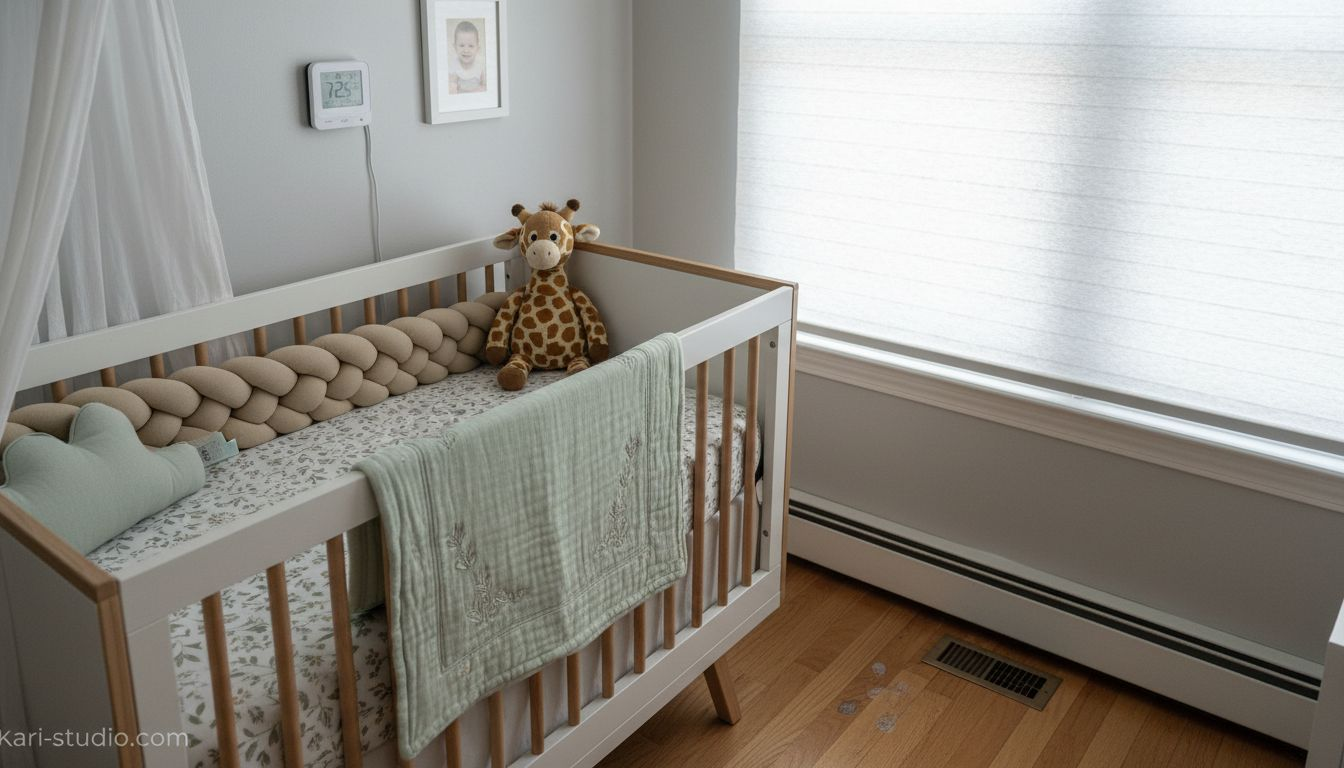
Consejo profesional: Mida y planifique el espacio de su habitación antes de comprar una cuna para asegurarse de seleccionar una ubicación que brinde la máxima seguridad y una funcionalidad óptima del espacio.
Paso 3: Instalar elementos de seguridad en las ventanas
Crear un entorno seguro en la habitación requiere medidas proactivas de seguridad en las ventanas que protejan a su bebé de posibles peligros. Su objetivo es eliminar los riesgos asociados con las cubiertas de las ventanas, el vidrio y los elementos circundantes que podrían comprometer la seguridad de su bebé.
Comience abordando los peligros de los cordones de las ventanas utilizando las recomendaciones de la Comisión de Seguridad de Productos del Consumidor de EE. UU.. Reemplace las persianas y cortinas tradicionales con alternativas inalámbricas que eliminan por completo los riesgos de estrangulamiento. Si reemplazar los tratamientos de ventana existentes no es posible de inmediato, use kits de seguridad para cordones de reacondicionamiento para modificar las instalaciones actuales. Asegúrese de que todos los cordones sean completamente inaccesibles mediante el uso de dispositivos de gestión de cordones que mantengan las cuerdas sueltas fuera del alcance de su bebé.
Instale características de protección adicionales como protectores de ventanas, seguros de seguridad y películas resistentes a impactos para ventanas. Estas barreras evitan caídas accidentales y posibles roturas de cristales. Considere la instalación profesional de protectores de ventanas para garantizar un ajuste adecuado y la máxima protección. Coloque los muebles lejos de las ventanas para desalentar la escalada y asegúrese de que no existan posibles rutas de acceso que puedan tentar a un bebé curioso a explorar zonas peligrosas.
Consejo profesional: Realice una auditoría integral de seguridad de las ventanas cada seis meses a medida que su bebé se vuelve más móvil para actualizar y adaptar continuamente sus estrategias de seguridad.
Paso 4: Colocar la cuna de forma segura
Colocar la cuna de su bebé requiere una planificación meticulosa y una consideración cuidadosa de los posibles riesgos de seguridad. Su objetivo final es crear un entorno seguro para dormir que minimice los peligros potenciales y proporcione tranquilidad.
Las pautas de seguridad del Hospital Infantil recomiendan una colocación estratégica de la cuna que elimine los riesgos inmediatos. Coloque la cuna al menos a tres o cuatro pies de distancia de ventanas, tomacorrientes eléctricos, rejillas de calefacción y cualquier mueble que pueda permitir escalar. Asegúrese de que la cuna esté colocada contra una pared sólida para proporcionar estabilidad y reducir los posibles puntos de acceso. Preste especial atención a retirar objetos cercanos como marcos de fotos, decoraciones de pared o estanterías que podrían caerse potencialmente o atraer la curiosa exploración de su bebé.
Evalúe cuidadosamente toda la disposición de la habitación teniendo en cuenta el desarrollo de la movilidad de su bebé. A medida que los bebés progresan rápidamente de recién nacidos inmóviles a gateadores curiosos, anticipe posibles oportunidades de escalada y elimínelas de forma proactiva. Asegure los muebles a las paredes, elimine los riesgos de alcance potencial y cree un perímetro despejado alrededor de la cuna que impida el acceso inesperado a zonas peligrosas. Recuerde que la seguridad de su bebé depende de su capacidad para pensar con varias etapas de desarrollo de antelación.
Consejo profesional: Use cinta de pintor para marcar una zona de seguridad alrededor de la cuna durante la configuración de la habitación para planificar visualmente y mantener un límite protector claro.
Paso 5: Verificar la seguridad general de la habitación
Asegurarse de que la habitación de su bebé esté completamente segura requiere una evaluación de seguridad integral que va más allá de la configuración inicial. Su misión es crear un entorno protector que anticipe y evite posibles riesgos antes de que se vuelvan peligrosos.
Las pautas integrales de seguridad de la Academia Estadounidense de Pediatría recomiendan un enfoque sistemático para la evaluación de la seguridad de la habitación infantil. Comience con una inspección a nivel del suelo, gateando literalmente por la habitación desde la perspectiva de su bebé para identificar peligros ocultos. Busque tomacorrientes eléctricos sueltos, cables expuestos, bordes afilados en los muebles y riesgos potenciales de vuelco. Verifique que todos los muebles estén firmemente anclados a las paredes y que ningún objeto pueda ser derribado o volcado por un bebé curioso.
Realice una auditoría de seguridad periódica cada dos o tres meses a medida que su bebé se vuelve cada vez más móvil. Esto significa reevaluar la disposición de la habitación, verificar nuevos peligros potenciales introducidos por las crecientes habilidades de su hijo y actualizar las medidas de seguridad en consecuencia. Preste atención a las etapas de desarrollo cambiantes que podrían crear nuevos riesgos como alcanzar, tirar o escalar. Asegúrese de que los seguros de las ventanas funcionen, que los tomacorrientes eléctricos estén cubiertos y que no haya objetos pequeños o riesgos de asfixia al alcance. Recuerde que una habitación infantil segura es un entorno dinámico que requiere monitoreo y adaptación continuos.
Esta comparación muestra cómo las auditorías de seguridad profesionales evolucionan a medida que su hijo crece:
| Frecuencia de auditoría | Etapa del bebé | Etapa de niño pequeño | Consideraciones clave |
|---|---|---|---|
| Cada 6 meses | Bebé inmóvil | Nuevo gateador | Enfoque en riesgos de ventanas/corrientes de aire |
| Cada 2-3 meses | Gateando/caminando | Escalador activo | Reevaluar riesgos de alcance y escalada |
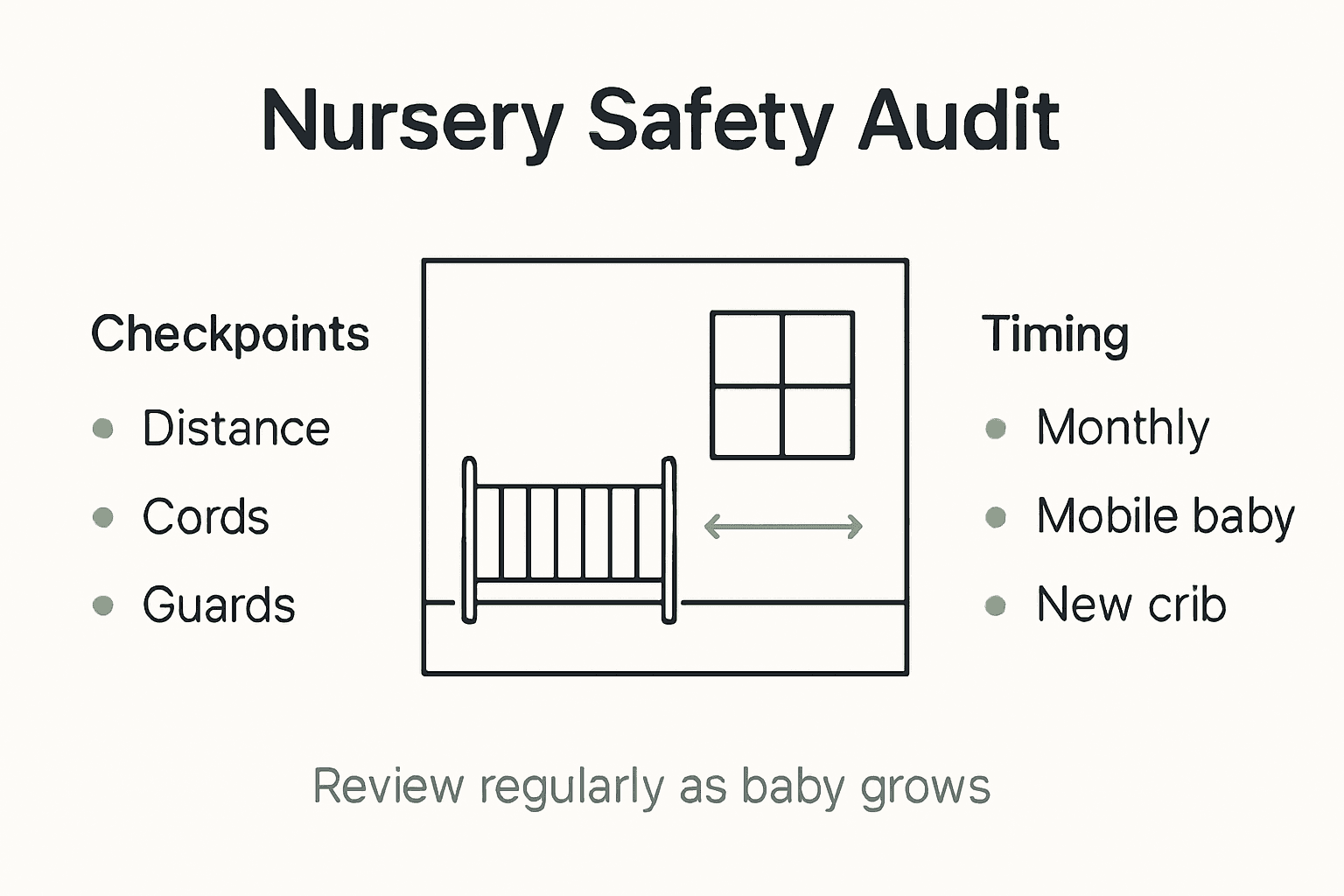
Consejo profesional: Tome fotografías de la distribución de la habitación de su bebé durante cada auditoría de seguridad para ayudarle a realizar un seguimiento de los posibles cambios y mejoras a lo largo del tiempo.
Cree una habitación infantil segura y elegante con una colocación cuidadosa de la cuna
Asegurarse de que la cuna de su bebé esté colocada de forma segura lejos de las ventanas es esencial para evitar riesgos como caídas, corrientes de aire y peligros por cordones. Este artículo destaca lo crítico que es proteger a su pequeño manteniendo un perímetro despejado alrededor de la cuna y asegurando los tratamientos de las ventanas. Si desea complementar la ubicación segura de su cuna con elementos esenciales de guardería que combinen comodidad, seguridad y estilo, Kari Studio tiene lo que necesita.

Explore nuestra hermosa selección de Tiendas de campaña hechas a mano para cunas y doseles de cuna para bebés a la venta – KariStudio para crear un espacio protector y acogedor que también bloquee la luz solar no deseada y las corrientes de aire cerca de las ventanas. Descubra nuestros sets de ropa de cama para bebé premium e hipoalergénicos diseñados pensando en la seguridad y la comodidad de su bebé. Proteja aún más a su bebé con nuestros protectores y bordes de cuna cuidadosamente elaborados, que son funcionales y elegantes a la vez. Visite los elementos esenciales de la habitación infantil de Kari Studio hoy para personalizar el espacio de su bebé y actúe ahora para construir un entorno de sueño seguro que crezca con su hijo.
Preguntas frecuentes
¿Qué tan lejos debe estar la cuna de la ventana?
Coloque la cuna al menos a tres o cuatro pies (aprox. 1 metro) de distancia de cualquier ventana. Esta distancia ayuda a evitar que su bebé alcance los cubrimientos de las ventanas o encuentre riesgos para escalar.
¿Qué elementos de seguridad para ventanas debería considerar para la habitación?
Instale protectores de ventanas, seguros de seguridad y utilice tratamientos para ventanas sin cordones. Estas características ayudan a minimizar los riesgos de caídas y enredos con los cordones de las ventanas.
¿Cómo puedo evaluar la seguridad de la habitación alrededor de las ventanas?
Realice una inspección visual completa de la habitación, enfocándose en los cordones de las ventanas, la ubicación de los muebles y los peligros del vidrio. Retire cualquier artículo que pueda permitir escalar o crear un riesgo para su bebé dentro de un radio de tres a cuatro pies de la cuna.
¿Cuáles son las señales de que la ubicación de la cuna no es segura?
Si nota que su bebé intenta alcanzar los cordones de las ventanas, o si los muebles están a una distancia donde podría escalar, es probable que la cuna esté en una posición insegura. Ajuste la ubicación de la cuna de inmediato para garantizar un entorno de sueño seguro.
¿Con qué frecuencia debo reevaluar la seguridad de la habitación?
Reevalúe la seguridad de la habitación cada dos o tres meses, especialmente a medida que su bebé se vuelve más móvil. Los controles regulares ayudan a identificar nuevos riesgos basados en las habilidades en desarrollo de su hijo.
¿Qué debo hacer si tengo tratamientos de ventana tradicionales?
Si tiene persianas o cortinas tradicionales, reemplácelas con opciones inalámbricas o modifíquelas con kits de seguridad. Asegúrese de que todos los cordones sueltos estén asegurados fuera de alcance para eliminar los peligros de estrangulamiento.
Recomendado
- Entendiendo la seguridad del colchón de la cuna para su bebé – KariStudio
- Errores en la configuración de la cuna que debe evitar para una habitación infantil segura
- Guía de ajuste de sábanas para cuna para una configuración segura y cómoda
- Entendiendo la seguridad del dosel de cuna para bebés – KariStudio
- A prueba de niños: Guía de inspección de hogar en Chicago para ventanas y escaleras