
Mehr als die Hälfte aller amerikanischen Eltern sind unsicher, wann und wie sie mit Beikost für ihr Baby beginnen sollen. Dieser Übergang ist ein entscheidender Schritt in der Entwicklung Ihres Kindes und legt den Grundstein für lebenslange Essgewohnheiten und Gesundheit. Indem dieser Ratgeber die Meilensteine der Ernährung erläutert und Anzeichen der Beikostreife hervorhebt, erleichtert er Ihnen die sichere Begleitung Ihres Babys auf seinem Weg zu gesunder Ernährung.
Inhaltsverzeichnis
- Definition von fester Nahrung und Meilensteinen der Ernährung
- Anzeichen dafür erkennen, dass Ihr Baby bereit ist
- Die besten ersten Lebensmittel für Säuglinge – erklärt
- Sicherheitsvorkehrungen und Allergieprävention
- Häufige Fehler und wie man sie vermeidet
Wichtigste Erkenntnisse
| Punkt | Details |
|---|---|
| Einführung von fester Nahrung | Feste Nahrung sollte etwa im Alter von 6 Monaten eingeführt werden, wenn Säuglinge Bereitschaftszeichen wie Kopfkontrolle und Interesse an Essen zeigen. |
| Auswahl von First Foods | Für ein gesundes Wachstum sollten nährstoffreiche Lebensmittel aus nur einer Zutat, wie z. B. mit Eisen angereicherte Frühstücksflocken und püriertes Gemüse, Vorrang haben. |
| Sicherheitsvorkehrungen | Vermeiden Sie von vornherein potenzielle Allergene und achten Sie auf sichere Fütterungspraktiken, um Erstickungsgefahr und allergische Reaktionen zu vermeiden. |
| Überwachung der Entwicklung | Dokumentieren Sie die Meilensteine der Nahrungsaufnahme und die Reaktionen auf neue Nahrungsmittel, um die Ernährungsbereitschaft Ihres Säuglings genau zu beurteilen und zu unterstützen. |
Definition von fester Nahrung und Meilensteinen der Ernährung
Das Verständnis des Übergangs zu fester Nahrung stellt einen wichtigen Meilenstein in der Ernährungsentwicklung eines Säuglings dar. Feste Nahrung umfasst alle Nährstoffe, die über Muttermilch oder Säuglingsnahrung hinausgehen und typischerweise um den 6. Lebensmonat eingeführt werden, wenn Babys bestimmte Entwicklungsmerkmale zeigen.
Die wichtigsten Entwicklungsschritte für die Einführung von Beikost umfassen körperliche und neurologische Fähigkeiten, die ein sicheres Essen gewährleisten. Laut Kinderärzten sollten Säuglinge drei Hauptindikatoren für die Beikostreife aufweisen : – Fähigkeit, mit minimaler Unterstützung aufrecht zu sitzen – Starke Kopf- und Nackenmuskulatur – Gezeigtes Interesse an Essen während der gemeinsamen Familienmahlzeiten
Die physiologische Vorbereitung geht über die reine Positionierung hinaus. Säuglinge müssen ausreichende oromotorische Fähigkeiten entwickeln, um verschiedene Konsistenzen von Nahrungsmitteln zu bewältigen, diese sicher im Mund zu bewegen und den Schluckvorgang zu koordinieren. Der Übergang beginnt typischerweise mit weichen, pürierten Lebensmitteln, die leicht verdaulich sind und das Erstickungsrisiko minimieren. Empfohlene erste Nahrungsmittel sind häufig:
- Bananenpüree
- Pürierte Süßkartoffel
- Reisflocken
- Weich gekochtes Gemüse
- Glatter Säuglingshaferbrei
Eltern sollten die Einführung von Beikost als einen schrittweisen und geduldigen Prozess angehen, der den individuellen Entwicklungsstand jedes Kindes berücksichtigt. Sorgfältige Beobachtung und liebevolle Ermutigung tragen zu positiven Esserfahrungen bei, die das Wachstum und die Nährstoffversorgung fördern.
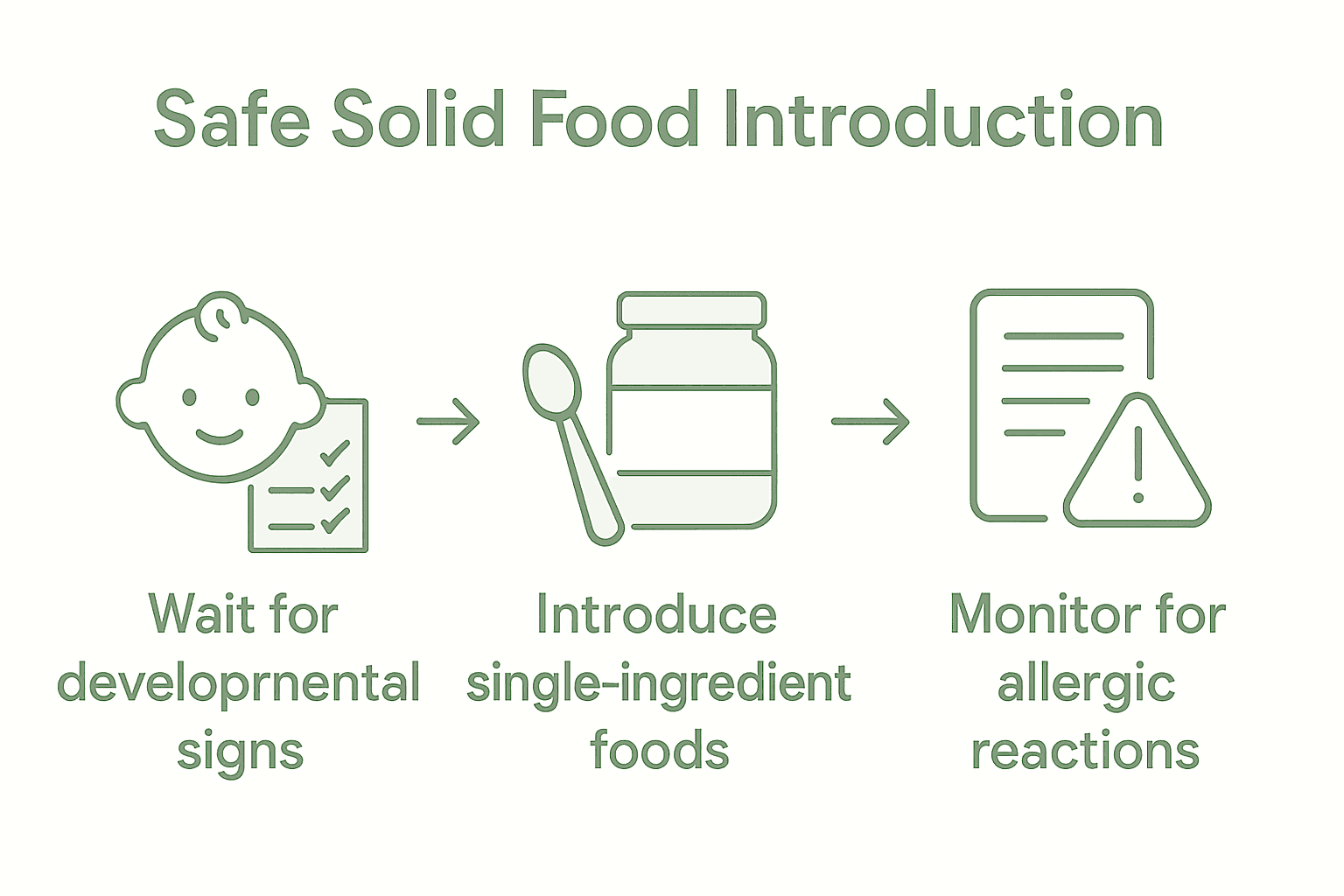
Profi-Tipp für frischgebackene Eltern: Führen Sie jeweils nur ein neues Lebensmittel ein und warten Sie 3-5 Tage zwischen den einzelnen Angeboten, um mögliche allergische Reaktionen zu beobachten. So können Sie spezifische Nahrungsmittelunverträglichkeiten schnell und sicher erkennen.
Anzeichen dafür erkennen, dass Ihr Baby bereit ist
Um den richtigen Zeitpunkt für die Einführung von Beikost zu bestimmen, ist eine sorgfältige Beobachtung der Entwicklungsschritte Ihres Säuglings erforderlich. Kinderärzte betonen, dass die Beikostreife weit über einfache Altersempfehlungen hinausgeht und zahlreiche körperliche und neurologische Indikatoren umfasst.
Zu den wichtigsten körperlichen Anzeichen für die Bereitschaft zur Beikost gehören: - Gute Kopf- und Nackenkontrolle - Fähigkeit, mit minimaler Unterstützung aufrecht zu sitzen - Nachgewiesene Rumpfstabilität - Verminderter Zungenstoßreflex, der zuvor vor dem Ersticken schützte
Experten für die kindliche Entwicklung empfehlen, auf bestimmte Verhaltensmerkmale zu achten , die auf eine ausreichende Nährstoffversorgung hinweisen. Diese Verhaltensmerkmale treten typischerweise im Alter von 4 bis 6 Monaten auf und umfassen:
- Aktives Interesse an gemeinsamen Familienmahlzeiten
- Andere beim Essen mit deutlicher Neugier beobachten
- Das Maul wird geöffnet, wenn sich Futter nähert
- Nach Essen oder Besteck greifen
- Fähigkeit, Gegenstände selbstständig zum Mund zu führen
Eltern sollten verstehen, dass sich jedes Baby unterschiedlich entwickelt und diese Anzeichen eher allgemeine Richtlinien als strenge Regeln darstellen. Manche Babys sind früher oder später als im üblichen 6-Monats-Zeitraum bereit für die erste Nahrungsaufnahme. Die Rücksprache mit einem Kinderarzt ist nach wie vor der zuverlässigste Weg, um die individuelle Bereitschaft zur Beikost festzustellen.
Hier eine kurze Übersicht über häufige Anzeichen für die Beikostreife und deren Bedeutung:
| Bereitschaftszeichen | Warum das wichtig ist | Typisches beobachtetes Alter |
|---|---|---|
| Starke Kopf- und Nackenkontrolle | Verhindert Erstickungsgefahr und unterstützt das Sitzen | Etwa 4-6 Monate |
| Sitzt mit minimaler Unterstützung | Ermöglicht sicheres Schlucken und Essen | Etwa 6 Monate |
| Verminderter Zungenstoßreflex | Verringert das Herausdrängen neuer Texturen | Etwa 4-7 Monate |
| Zeigt Interesse beim Essen | Zeigt kognitive und sensorische Bereitschaft an | 4-6 Monate |
| Überträgt Gegenstände in den Mund | Zeigt Hand-Mund-Koordination | 5-6 Monate |
Profi-Tipp für aufmerksame Eltern: Dokumentieren Sie die Entwicklungsschritte Ihres Babys in einem Tagebuch und halten Sie die körperlichen Fähigkeiten und Verhaltensänderungen fest, um den Zeitpunkt für die Einführung von fester Nahrung sicher und präzise bestimmen zu können.
Die besten ersten Lebensmittel für Säuglinge – erklärt
Die richtige Ernährung von Säuglingen erfordert eine sorgfältige Auswahl der ersten Lebensmittel, die eine gesunde Entwicklung und den Nährstoffbedarf decken. Experten für Kinderernährung empfehlen daher ein strategisches Vorgehen bei der Einführung von Beikost, wobei der Fokus auf nährstoffreichen Lebensmitteln liegt, die das Wachstum fördern und mögliche allergische Reaktionen minimieren.
Zu den ersten grundlegenden Nahrungsmitteln für Säuglinge gehören typischerweise:
- Mit Eisen angereicherte Säuglingsgetreide : Entscheidend für die Unterstützung der Gehirnentwicklung
- Püriertes Gemüse aus nur einer Zutat
- Weiche Früchte mit glatter Textur
- Püriertes mageres Fleisch, reich an essentiellen Proteinen
- Milde Hülsenfrüchte und Bohnen
Pädiatrische Ernährungswissenschaftler betonen die Wichtigkeit der schrittweisen Einführung einzelner Zutaten, um mögliche Nahrungsmittelunverträglichkeiten zu erkennen. Dieser systematische Ansatz ermöglicht es Eltern:
- Mögliche allergische Reaktionen überwachen
- Die individuellen Geschmacksvorlieben verstehen
- Die Vielfalt der Ernährung schrittweise erweitern
- Entwickeln Sie ein umfassendes Verständnis der Ernährungsreaktionen von Säuglingen.
Eltern sollten nährstoffreiche, minimal verarbeitete Lebensmittel bevorzugen, die die Entwicklung ihres Kindes unterstützen. Vermeiden Sie zugesetzten Zucker, übermäßiges Salz und komplexe Zutatenkombinationen in den ersten Beikostphasen. Die Ernährungsentwicklung jedes Säuglings ist individuell und erfordert Geduld und aufmerksame Beobachtung.
Profi-Tipp für achtsames Füttern: Führen Sie neue Lebensmittel tagsüber ein, wenn medizinische Unterstützung leicht verfügbar ist, und warten Sie 3-5 Tage zwischen der Einführung neuer Lebensmittel, um mögliche allergische Reaktionen effektiv zu überwachen.
Sicherheitsvorkehrungen und Allergieprävention
Um die Sicherheit von Säuglingsnahrung zu gewährleisten, ist ein umfassender Ansatz erforderlich, der Babys vor potenziellen Gesundheitsrisiken schützt und gleichzeitig ihre Ernährungsentwicklung fördert. Kinderärzte betonen die Wichtigkeit einer systematischen Einführung neuer Lebensmittel, um allergische Reaktionen und Erstickungsgefahren zu minimieren.
Zu den wichtigsten Sicherheitsrichtlinien für die Säuglingsernährung gehören:
- Honig sollte vor dem 12. Lebensmonat aufgrund des Botulismusrisikos vermieden werden.
- Kuhmilch sollte niemals vor dem 1. Lebensjahr als Hauptgetränk eingeführt werden.
- Schneiden Sie Lebensmittel in kleine, handliche Stücke.
- Säuglingsernährung stets beaufsichtigen.
- Potenzielle Allergene sollten schrittweise und einzeln eingeführt werden.
Pädiatrische Ernährungswissenschaftler empfehlen einen strategischen Ansatz zur Allergieprävention, der Folgendes beinhaltet:
- Frühzeitige Einführung potenzieller Allergene (wie Erdnüsse und Eier)
- Zwischen der Einführung neuer Lebensmittel 3-5 Tage warten
- Achten Sie sorgfältig auf allergische Symptome.
- Führen eines detaillierten Protokolls zur Einführung neuer Futtermittel
- Rücksprache mit Kinderärzten bezüglich der Allergiegeschichte der Familie.
Eltern sollten stets auf Erstickungsgefahr achten und darauf achten, dass die Nahrung ausreichend weich und in kleine Stücke geschnitten ist. Die Konsistenz ist entscheidend. Pürierte, zerdrückte und fein gehackte Lebensmittel verringern das Risiko einer Atemwegsverlegung. Die Sicherheit des Säuglings hat immer oberste Priorität. Schaffen Sie daher eine ruhige und beaufsichtigte Essumgebung.
Profi-Tipp für aufmerksame Eltern: Richten Sie einen separaten Fütterungsplatz mit guter Beleuchtung und minimalen Ablenkungen ein, damit Sie die ersten Erfahrungen Ihres Babys mit fester Nahrung genau beobachten und schnell auf eventuelle Probleme reagieren können.
Häufige Fehler und wie man sie vermeidet
Um mögliche Fallstricke in der Säuglingsernährung zu verstehen, bedarf es sorgfältiger Beachtung der Details und einer proaktiven Aufklärung der Eltern. Kinderärzte weisen auf einige gravierende Fehler hin, die die Gesundheit und die ernährungsphysiologische Entwicklung von Säuglingen beeinträchtigen können.
Häufige Fütterungsfehler, die Eltern vermeiden sollten, sind:
- Einführung von fester Nahrung vor dem 4. Lebensmonat
- Direktes Füttern aus Vorratsgläsern (Risiko einer bakteriellen Kontamination)
- Anbieten von Lebensmitteln mit hohem Erstickungspotenzial
- Unnötigen Zucker oder Salz zu Säuglingsnahrung hinzufügen
- Ignorieren potenzieller Anzeichen einer allergischen Reaktion
Die Leitlinien zur Ernährungssicherheit betonen systematische Strategien zur Einführung neuer Lebensmittel, um Risiken zu minimieren. Eltern sollten folgende Vorsichtsmaßnahmen beachten:
- Verwenden Sie stets sauberes Fütterungsgeschirr.
- Kleine Portionen in separate Schüsseln umfüllen.
- Schneiden Sie Lebensmittel in altersgerechte Portionen.
- Beobachten Sie die Reaktion des Säuglings auf jedes neue Lebensmittel.
- Halten Sie einen regelmäßigen Fütterungsplan ein.
Eltern müssen sich bewusst sein, dass sich jedes Kind individuell entwickelt. Geduld, aufmerksame Beobachtung und professionelle medizinische Beratung sind unerlässlich, um sich im komplexen Bereich der Säuglingsernährung zurechtzufinden. Übereiltes Handeln und voreilige Schlüsse zu vermeiden, kann potenziellen gesundheitlichen Komplikationen vorbeugen und eine gesunde Entwicklung fördern.
Die folgende Tabelle fasst die häufigsten Fütterungsfehler und deren sicherere Alternativen zusammen:
| Häufiger Fehler | Sicherere Alternative | Vorteil einer sichereren Wahl |
|---|---|---|
| Fütterung vor dem 4. Monat | Warten Sie bis zur Entwicklungsreife | Verringert Allergie- und Erstickungsrisiken |
| Fütterung direkt aus Vorratsgläsern | Verwenden Sie einen separaten Napf zum Füttern. | Verhindert Bakterienwachstum |
| Angebot von Lebensmitteln mit hohem Erstickungsrisiko | Servieren Sie pürierte oder fein gehackte Zutaten. | Verringert das Risiko einer Atemwegsverengung |
| Salz oder Zucker hinzufügen | Verwenden Sie ausschließlich natürliche Aromen. | Unterstützt eine gesunde Geschmacksvorliebe |
| Anzeichen einer allergischen Reaktion ignorieren | Alle neuen Lebensmittel dokumentieren und verfolgen | Ermöglicht die schnelle Erkennung von Allergien |
Profi-Tipp für achtsame Eltern: Legen Sie ein spezielles Beikost-Tagebuch an, um neue Lebensmittel, den Zeitpunkt der Einführung und alle beobachteten Reaktionen festzuhalten. So haben Sie eine umfassende Dokumentation für die Konsultationen beim Kinderarzt.
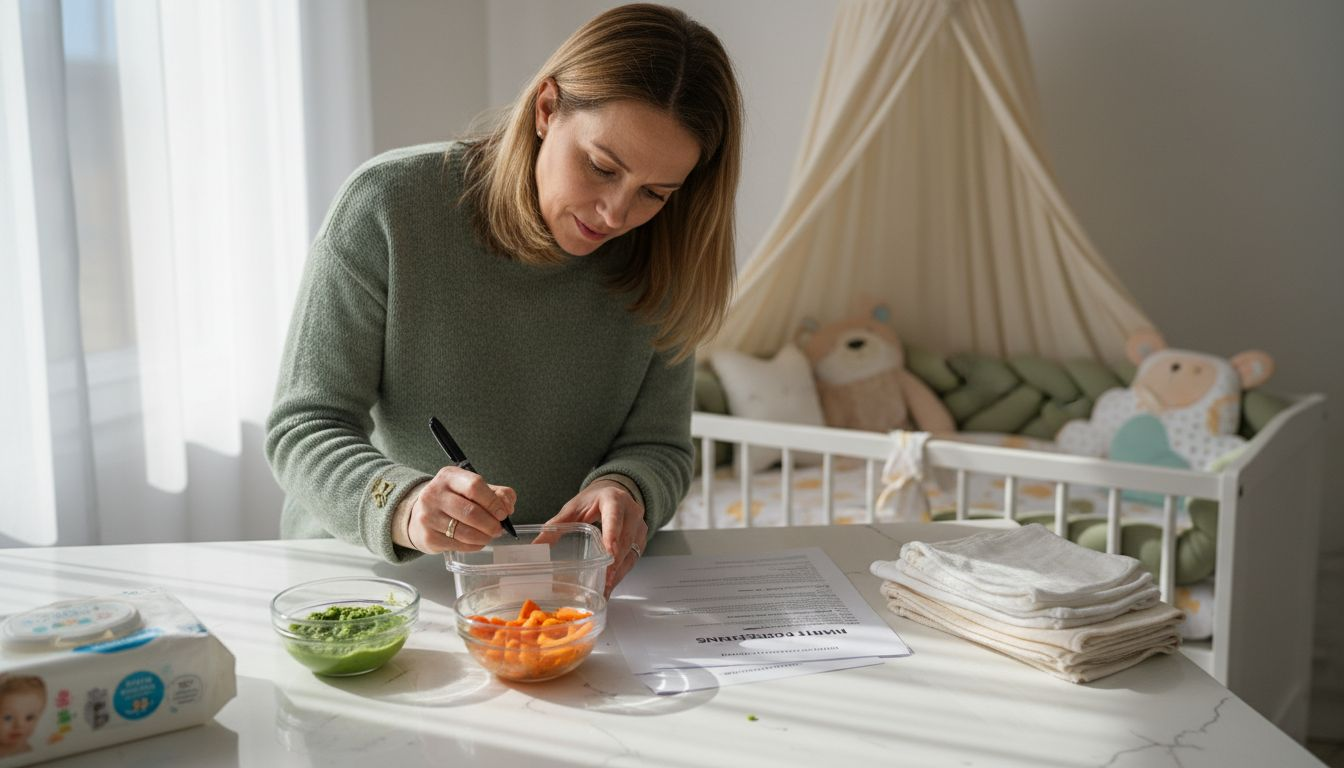
Schaffen Sie ein sicheres und gemütliches Kinderzimmer für die ersten Beikostmomente Ihres Babys.
Die Einführung von Beikost ist ein aufregender, aber manchmal auch herausfordernder Meilenstein, der eine sichere und angenehme Umgebung für Ihr Baby erfordert. Dieser Artikel unterstreicht, wie wichtig es ist, auf die Bereitschaftszeichen Ihres Babys zu achten und während der gesamten Fütterung für Sicherheit zu sorgen. In dieser frühen Phase der Beikost sollte auch die Babyausstattung mit hypoallergenen, weichen und schützenden Artikeln die gleiche Sorgfalt und Aufmerksamkeit widerspiegeln.
Entdecken Sie, wie die Babybettwäsche-Sets und handgefertigten, geflochtenen Nestchen von Kari Studio einen gemütlichen, keimfreien Raum schaffen, der die Entwicklung Ihres Babys optimal unterstützt. Unsere Produkte sind so konzipiert, dass sie Allergene reduzieren und sanften Schutz beim Essen und Spielen bieten.

Schaffen Sie noch heute eine liebevolle Atmosphäre mit unseren personalisierten Babyartikeln, die Komfort und Sicherheit vereinen. Entdecken Sie jetzt die Kollektion von Kari Studio und finden Sie einzigartige Designs, die zu Ihrem Babyzimmer passen und den wachsenden Bedürfnissen Ihres Kindes gerecht werden.
Häufig gestellte Fragen
Wann sollte ich mit der Beikost für mein Baby beginnen?
Feste Nahrung wird typischerweise im Alter von etwa 6 Monaten eingeführt, wenn Babys Anzeichen einer Entwicklungsreife zeigen, wie z. B. eine gute Kopf- und Nackenkontrolle und die Fähigkeit, mit minimaler Unterstützung aufrecht zu sitzen.
Woran erkenne ich, dass mein Baby bereit für feste Nahrung ist?
Achten Sie auf Anzeichen wie eine gute Kopf- und Nackenkontrolle, Sitzen mit minimaler Unterstützung, verminderten Zungenstoßreflex und aktives Interesse an den gemeinsamen Familienmahlzeiten.
Welche ersten Lebensmittel können Sie meinem Säugling empfehlen?
Zu den empfohlenen ersten Nahrungsmitteln für Säuglinge gehören eisenangereicherte Säuglingsgetreide, püriertes Gemüse aus nur einer Zutat, weiches Obst, püriertes mageres Fleisch und mild schmeckende Hülsenfrüchte.
Wie kann ich allergische Reaktionen bei der Einführung neuer Lebensmittel verhindern?
Um allergische Reaktionen zu minimieren, führen Sie jeweils nur ein neues Lebensmittel ein und warten Sie 3–5 Tage, bevor Sie ein weiteres anbieten. Beobachten Sie Ihr Kind während dieser Zeit aufmerksam auf Anzeichen von Allergien.