
Over 90 percent of american parents report questions about their baby’s early motor development. Tummy time is more than just a trend, it is a foundation for building strength and preventing issues like flat head syndrome in growing infants. By understanding what tummy time actually means and why experts stress its importance, you can give your baby a head start with safe, practical routines that support both muscle growth and healthy movement.
Table of Contents
- Defining Tummy Time For Infants
- Key Benefits Of Practicing Tummy Time
- Recommended Duration And Best Practices
- Tummy Time Safety Tips For Babies
- Common Mistakes And How To Avoid Them
Key Takeaways
| Point | Details |
|---|---|
| Importance of Tummy Time | Tummy time is essential for developing motor skills and physical strength in infants. Regular sessions prepare babies for milestones like crawling and walking. |
| Recommended Duration | Start with 2-3 minute sessions multiple times daily, gradually increasing to 20-30 minutes as the baby grows. Consistency is key for optimal development. |
| Safety Precautions | Always supervise tummy time on a firm, flat surface, and ensure the baby is comfortable. Avoid leaving the baby unattended during sessions. |
| Common Mistakes | Avoid inconsistent practice and make tummy time engaging. Use positive reinforcement and age-appropriate toys to enhance the experience. |
Defining Tummy Time for Infants
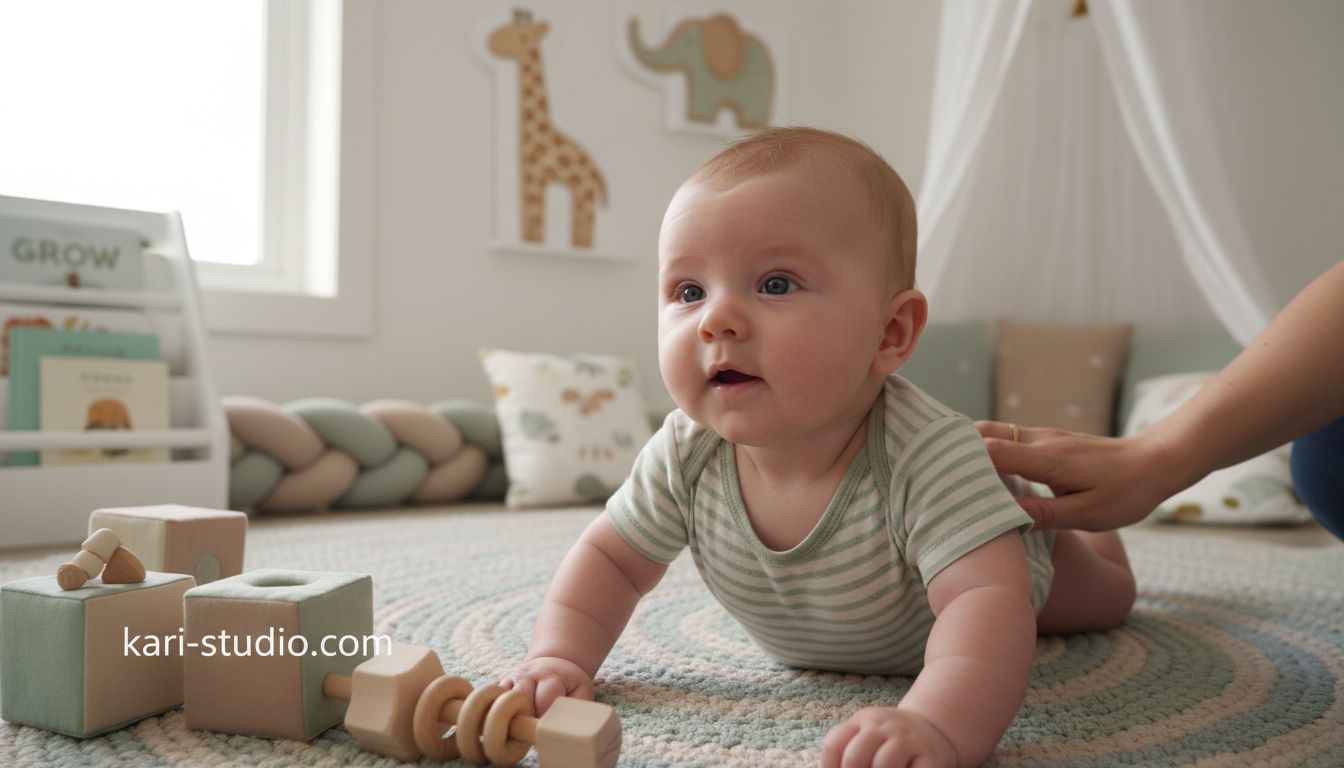
Tummy time is a developmental practice involving placing infants on their stomach while awake and under direct adult supervision. This simple yet crucial activity helps babies build essential motor skills and physical strength during their early months of life. Do Babies Need Pillows? Understanding Infant Sleep Safety provides additional context about safe infant positioning.
According to infant development experts, tummy time specifically refers to moments when babies are positioned on their stomachs while fully alert and monitored. During these sessions, infants naturally work to lift their heads, strengthen neck muscles, and develop core stability. These brief periods are critical for preparing babies for future milestones like rolling over, crawling, and eventually walking.
The primary goals of tummy time include:
- Building upper body strength
- Developing head and neck muscle control
- Preventing flat head syndrome (positional plagiocephaly)
- Supporting motor skill development
- Encouraging sensory exploration
While the concept might seem simple, tummy time plays a significant role in an infant’s physical progression. Pediatric researchers emphasize that consistent, short tummy time sessions can dramatically impact a baby’s muscular and neurological development, providing crucial foundational skills for future mobility and coordination.
Key Benefits of Practicing Tummy Time
Muscle development is a critical advantage of tummy time, with research showing that these sessions help infants develop muscle strength across multiple body regions. By positioning babies on their stomachs, parents can support comprehensive physical growth that prepares infants for future mobility milestones. What Are the Health Benefits of Using a Braided Crib Bumper? offers additional insights into infant developmental support.
Pediatric experts highlight several key developmental benefits of consistent tummy time practice. Gross motor skills advance dramatically during these sessions, as babies learn to lift their heads, push up with their arms, and gradually build the strength needed for crawling and sitting. These activities are essential for neurological development, encouraging babies to explore movement and spatial awareness.
The comprehensive benefits of tummy time include:
- Preventing positional plagiocephaly (flat head syndrome)
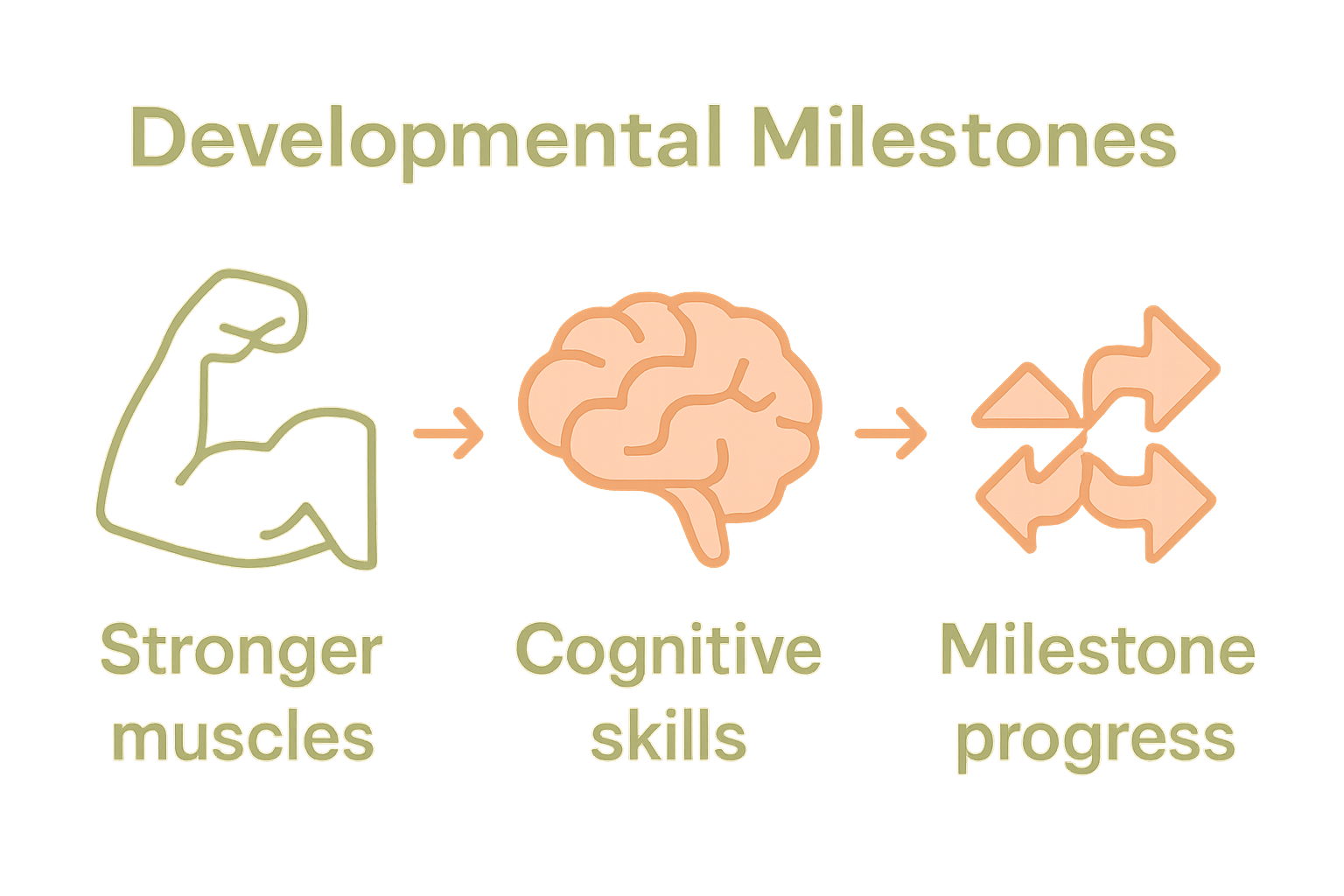
- Strengthening neck, shoulder, and arm muscles
- Improving visual tracking and sensory processing
- Supporting core muscle development
- Enhancing hand-eye coordination
Research indicates that regular tummy time not only supports physical development but also provides crucial cognitive stimulation. Babies who engage in these supervised sessions demonstrate improved motor control, increased body awareness, and a stronger foundation for future physical achievements. By incorporating short, consistent tummy time periods into daily routines, parents can significantly contribute to their infant’s overall developmental trajectory.
Recommended Duration and Best Practices
Pediatric experts recommend starting tummy time shortly after birth, beginning with brief two to three-minute sessions multiple times daily. How Braided Crib Bumpers Support Your Baby’s Development and Sleep provides complementary insights into infant developmental strategies.
The recommended tummy time progression typically follows these guidelines:
- Newborn stage (0-3 months): 2-3 minutes per session, 3-4 times daily
- 3-6 months: Gradually increase to 10-15 minutes per session
- 6+ months: Up to 20-30 minutes spread throughout the day
Best practices for safe and effective tummy time include:
- Always supervise your baby during sessions
- Choose a firm, flat surface like a play mat
- Ensure the area is clean and comfortable
- Use engaging toys to maintain interest
- Watch for signs of fatigue or frustration
Successful tummy time requires patience and creativity. Some babies might initially resist, so parents should introduce short, enjoyable sessions with plenty of positive reinforcement. By making these periods interactive and fun, you can help your infant develop essential physical skills while creating meaningful bonding moments.
Tummy Time Safety Tips for Babies
Ensuring infant safety during tummy time requires careful attention and proactive supervision strategies. Parents must create a controlled environment that minimizes potential risks while maximizing developmental benefits. Understanding Safe Sleep Recommendations for Infants provides additional context for maintaining a secure infant care routine.
Key safety considerations for tummy time include:
- Always remain within arm’s reach
- Use a firm, flat surface without soft bedding
- Remove potential choking hazards
- Place baby on a clean, comfortable mat
- Monitor baby’s comfort and energy levels
- Stop the session if the baby becomes distressed
Professional pediatric guidelines emphasize the importance of active supervision during these developmental sessions. Babies should never be left unattended, and the environment must be carefully prepared to prevent accidental injury. Parents can enhance safety by using age-appropriate mats, maintaining a clutter-free space, and remaining fully engaged throughout the tummy time experience.
Successful tummy time safety relies on parental awareness and quick responsiveness. By creating a supportive, monitored environment, parents can help their infants develop critical motor skills while ensuring their complete protection and comfort.
Common Mistakes and How to Avoid Them
Parents often encounter challenges when implementing tummy time, with the most critical errors stemming from inconsistent practice and lack of engagement. Experts recommend starting tummy time early and maintaining regular sessions to ensure optimal developmental benefits. Complete Guide to When to Stop Swaddling offers complementary insights into infant developmental strategies.
Common tummy time mistakes include:
- Waiting too long to start sessions
- Inconsistent daily practice
- Not making the experience enjoyable
- Overlooking the baby’s comfort level
- Leaving the baby unsupervised
- Using inappropriate surfaces
Successful tummy time requires strategic approaches to keep babies engaged and comfortable. Parents should focus on creating positive experiences by talking, singing, and using age-appropriate toys to maintain the infant’s interest. The goal is to transform what could be a challenging experience into an interactive, fun developmental activity that supports the baby’s physical and cognitive growth.
By understanding and proactively addressing potential pitfalls, parents can create a supportive environment that makes tummy time both safe and enjoyable. Patience, creativity, and consistent practice are key to helping babies develop the strength and skills necessary for future milestones.
Create a Safe and Cozy Nursery for Your Baby’s Tummy Time
Tummy time is essential for your infant’s muscle development and motor skills, but it also raises important challenges like maintaining comfort and safety during every session. At Kari Studio, we understand how crucial it is to provide a secure and soothing environment that supports your baby’s growth while protecting them from discomfort and hazards. Our premium baby bedding sets and handcrafted braided crib bumpers are made from soft, hypoallergenic fabrics designed to create the perfect surface for tummy time. These handmade nursery essentials offer gentle support and plush comfort that keeps your little one calm and engaged.

Give your baby the best start by surrounding them with thoughtfully designed nursery products that prioritize safety and happiness during tummy time. Explore our collection today at Kari Studio and choose customizable options that match your style while making every moment count. Start building your baby’s comfort and development foundation now with cozy, secure bedding solutions made just for your family.
Frequently Asked Questions
What is tummy time and why is it important?
Tummy time is the practice of placing infants on their stomachs while they are awake and under supervision. It is crucial for developing motor skills, building upper body strength, and preventing flat head syndrome.
How often should I practice tummy time with my baby?
Pediatric experts recommend starting tummy time shortly after birth with short sessions of 2-3 minutes, multiple times a day. As the baby grows, increase the duration to 10-30 minutes throughout the day.
What are the benefits of tummy time for my infant?
Tummy time helps strengthen neck, shoulder, and arm muscles, promotes gross motor skill development, improves visual tracking and sensory processing, and supports cognitive stimulation, paving the way for future mobility milestones.
How can I ensure my baby’s safety during tummy time?
To ensure safety, always supervise your baby during tummy time, use a firm, flat surface, remove choking hazards, monitor the baby’s comfort, and stop sessions if your baby becomes distressed.