TL;DR:
- Gitterbettzelte bergen Sicherheitsrisiken wie Einklemmungs-Erstickung und Strangulation und werden nicht empfohlen.
- Sichere Schlafpraktiken umfassen eine feste Matratze, ein Spannbettlaken und das Entfernen aller Bettwaren und Gefahren aus dem Gitterbett.
- Eltern sollten die Matratze absenken, Kletterhilfen entfernen und bei wachsenden Kindern auf ein Kleinkindbett umsteigen.
Gitterbettzelte scheinen eine kluge Lösung zu sein. Ihr Kleinkind klettert immer wieder aus dem Gitterbett, oder vielleicht haben Sie eine neugierige Katze, die das Kinderzimmer als ihren persönlichen Bereich betrachtet. Ein Netz-Zelt über dem Gitterbett scheint eine einfache, erschwingliche Lösung zu sein. Aber sichere Schlafrichtlinien empfehlen eine leere Gitterbettumgebung, und Gitterbettzelte stehen im direkten Widerspruch zu diesem Standard. Bevor Sie eines bestellen, lohnt es sich zu verstehen, was die Beweise tatsächlich aussagen, welche Risiken Sie möglicherweise einführen und welche sichereren Optionen für den Schlafplatz Ihres Babys existieren.
Inhaltsverzeichnis
- Was ist ein Gitterbettzelt und warum ziehen Eltern es in Betracht?
- Risiken von Gitterbettzelten: Was maßgebliche Quellen sagen
- Vor- und Nachteile von Gitterbettzelten: Abwägung von Absicht und Sicherheit
- Sicherere Alternativen und empfohlene Gitterbettpraktiken
- Unsere Meinung: Warum Evidenz in der Gitterbettsicherheit immer über Bequemlichkeit steht
- Entdecken Sie sichere, stilvolle Bettwäscheoptionen für Ihr Kinderzimmer
- Häufig gestellte Fragen
Wichtigste Erkenntnisse
| Punkt | Details |
|---|---|
| Gitterbettzelte werden nicht empfohlen | Autoritative Quellen warnen aufgrund von Sicherheitsrisiken stets vor ihrer Verwendung. |
| Sicherer Schlaf bedeutet ein leeres Gitterbett | Eine feste Matratze mit Spannbettlaken ist die einzige von pädiatrischen Experten zugelassene Einrichtung. |
| Risiken überwiegen angebliche Vorteile | Einklemm- und Erstickungsgefahren machen Gitterbettzelte unabhängig von der Bequemlichkeit unsicher. |
| Es gibt Alternativen für die Sicherheit | Verwenden Sie empfohlene Bettwäsche und Zubehör, die das Risiko minimieren, ohne zusätzliche Umzäunungen. |
Was ist ein Gitterbettzelt und warum ziehen Eltern es in Betracht?
Ein Gitterbettzelt ist ein Netz- oder Stoffverdeck, das über die Oberseite eines Standard-Gitterbetts gezippt oder geknöpft wird. Es schafft einen geschlossenen Schlafbereich, der verhindert, dass ein Baby oder Kleinkind herausklettert. Die meisten Modelle werden an den Gitterbettstangen befestigt und verfügen über eine Reißverschlussöffnung für den Zugang.
Eltern greifen aus einigen häufigen Gründen zu Gitterbettzelten:
- Fluchtprävention: Aktive Kleinkinder, die über Gitterbettstangen klettern, stellen ein Sturzrisiko dar.
- Trennung von Haustieren: Katzen und Hunde springen manchmal in Gitterbetten, was Bedenken hinsichtlich der Sicherheit des Babys aufwirft.
- Insektenschutz: In wärmeren Klimazonen möchten Eltern Mücken und Insekten von schlafenden Säuglingen fernhalten.
- Seelenfrieden: Das geschlossene Design wirkt auf viele Betreuungspersonen schützend.
Das Marketing dieser Produkte stützt sich stark auf diese Bedenken. Die Verpackung hebt oft Wörter wie „sicher“, „schützend“ und „Seelenfrieden“ hervor. Trotzdem werden Gitterbettzelte immer noch online verkauft, obwohl Sicherheitsexperten ernsthafte Bedenken hinsichtlich ihrer Verwendung geäußert haben.
Der Reiz ist verständlich. Wenn Ihr Kleinkind mit 18 Monaten anfängt, die Gitterbettstangen zu erklimmen, möchten Sie eine schnelle Antwort. Ein Zelt fühlt sich intuitiv an. Es sieht so aus, als würde es das Problem lösen, ohne eine komplette Umgestaltung des Kinderzimmers zu erfordern.
Aber die Bedürfnisse, die Gitterbettzelte angeblich ansprechen, werden tatsächlich besser durch andere Methoden gelöst. Zur Fluchtprävention ist das Absenken der Matratze auf die niedrigste Einstellung und das Entfernen von Gegenständen, die das Kind als Trittstufe verwenden kann, effektiver und birgt kein zusätzliches Risiko. Für die Trennung von Haustieren ist das Schließen der Kinderzimmertür oder die Verwendung eines Türgitters eine unkomplizierte Lösung. Für Insekten funktioniert ein Raumventilator oder ein Fenstergitter, ohne dass eine Struktur über das Gitterbett platziert wird.
Pro-Tipp: Bevor Sie Zubehör für das Gitterbett kaufen, prüfen Sie, ob es von der American Academy of Pediatrics (AAP) oder der Consumer Product Safety Commission (CPSC) als sicher eingestuft wird. Wenn nicht, ist das ein klares Signal, nach Alternativen zu suchen. Sie können auch sicheres Neugeborenenzubehör durchstöbern, das den aktuellen Sicherheitsstandards entspricht.
Das Kernproblem ist, dass Gitterbettzelte einer Umgebung Struktur verleihen, die nach Ansicht von Experten frei bleiben sollte. Dieser Unterschied ist wichtiger, als es zunächst scheinen mag.
Risiken von Gitterbettzelten: Was maßgebliche Quellen sagen
Nachdem wir verstanden haben, was Gitterbettzelte sind, ist es entscheidend, die Beweise für ihre Risiken zu überprüfen.
Die mit Gitterbettzelten verbundenen Risiken sind nicht theoretisch. Sie sind von großen pädiatrischen und Verbrauchersicherheitsorganisationen dokumentiert und anerkannt.
„Die AAP und CPSC empfehlen, das Gitterbett frei von zusätzlichen Gegenständen, einschließlich Zelten, Baldachinen und Abdeckungen, zu halten, um das Risiko von Erstickung und Einklemmung zu reduzieren.“ Gitterbettsicherheit | Consumer Reports
Die AAP-Richtlinien für sicheren Schlaf betonen eine leere Gitterbettumgebung als Kernprinzip der Säuglingssicherheit. Jeder Gegenstand, der dem Gitterbett hinzugefügt wird, einschließlich eines Zeltes, birgt neue Gefahren.
Hier ist eine Aufschlüsselung der primären Risiken:
- Einklemmung: Ein Baby kann einen Gliedmaßen, Kopf oder Hals im Netz oder in den Reißverschlussbeschlägen einklemmen.
- Erstickung: Wenn das Zelt zusammenbricht oder durchhängt, kann es gegen das Gesicht eines Babys drücken.
- Strangulation: Lose Stoffe, Kordeln oder Befestigungsbänder können sich um den Hals eines Kindes wickeln.
- Struktureller Kollaps: Schlecht befestigte Zelte können während des Schlafs in das Gitterbett fallen.
- Verzögerte Reaktion: Ein geschlossenes Gitterbett erschwert es Eltern, ihr Baby im Notfall schnell zu erreichen.
| Gefahr des Gitterbettzeltes | Sichere Gitterbettpraxis |
|---|---|
| Netz kann Gliedmaßen oder Kopf einklemmen | Offenes Gitterbett ohne Hindernisse |
| Stoff kann auf das Gesicht des Babys durchhängen | Feste, flache Matratze ohne Abdeckungen |
| Befestigungszubehör birgt Strangulationsrisiko | Keine Kordeln, Bänder oder Gurte im Gitterbett |
| Risiko des Zeltzusammenbruchs während des Schlafs | Nur stabiler Gitterbettrahmen |
| Begrenzt den Zugang der Betreuungsperson im Notfall | Einfacher, sofortiger Zugang zum Baby |
Diese Risiken sind keine Einzelfälle. Sie repräsentieren die Art von Szenarien, die Sicherheitsorganisationen zur Erstellung ihrer Richtlinien verwenden. Das Vermeiden häufiger Fehler beim Gitterbettaufbau beginnt damit, zu verstehen, was nicht in den Schlafbereich gehört.
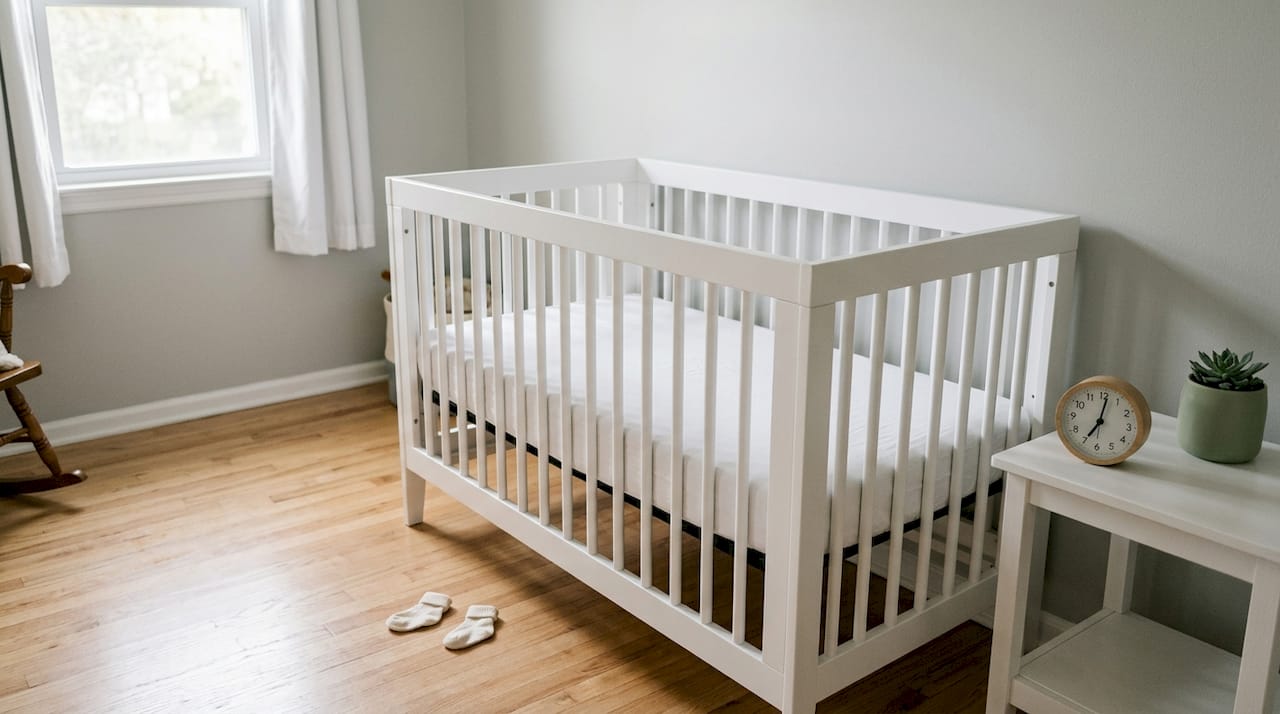
Das Fazit maßgeblicher Quellen ist einheitlich: kein Zelt, kein Baldachin, keine Abdeckung gehört über ein Gitterbett, in dem ein Baby schläft.
Vor- und Nachteile von Gitterbettzelten: Abwägung von Absicht und Sicherheit
Mit klaren Daten zu Risiken wollen wir die populären Argumente für und gegen Gitterbettzelte explizit abwägen.
Viele Eltern, die nach Gitterbettzelten suchen, versuchen aufrichtig, ihr Kind zu schützen. Die Absicht ist gut. Aber Absicht und Ergebnis sind zwei verschiedene Dinge. Hier ist ein Vergleich dessen, was Eltern sich erhoffen, im Gegensatz zu dem, was die Beweise zeigen.
| Behaupteter Vorteil | Was die Beweise zeigen |
|---|---|
| Verhindert Klettern und Stürze | Fügt Einklemm- und Kollapsrisiko hinzu |
| Hält Haustiere aus dem Gitterbett fern | Eine geschlossene Tür oder ein Türgitter ist sicherer |
| Schützt vor Insekten | Fenstergitter und Ventilatoren sind effektiv |
| Gibt Eltern Seelenfrieden | Keine Vorteile von maßgeblichen Quellen anerkannt |
| Fühlt sich an wie eine schützende Umzäunung | Schafft neue Erstickungs- und Strangulationsgefahren |
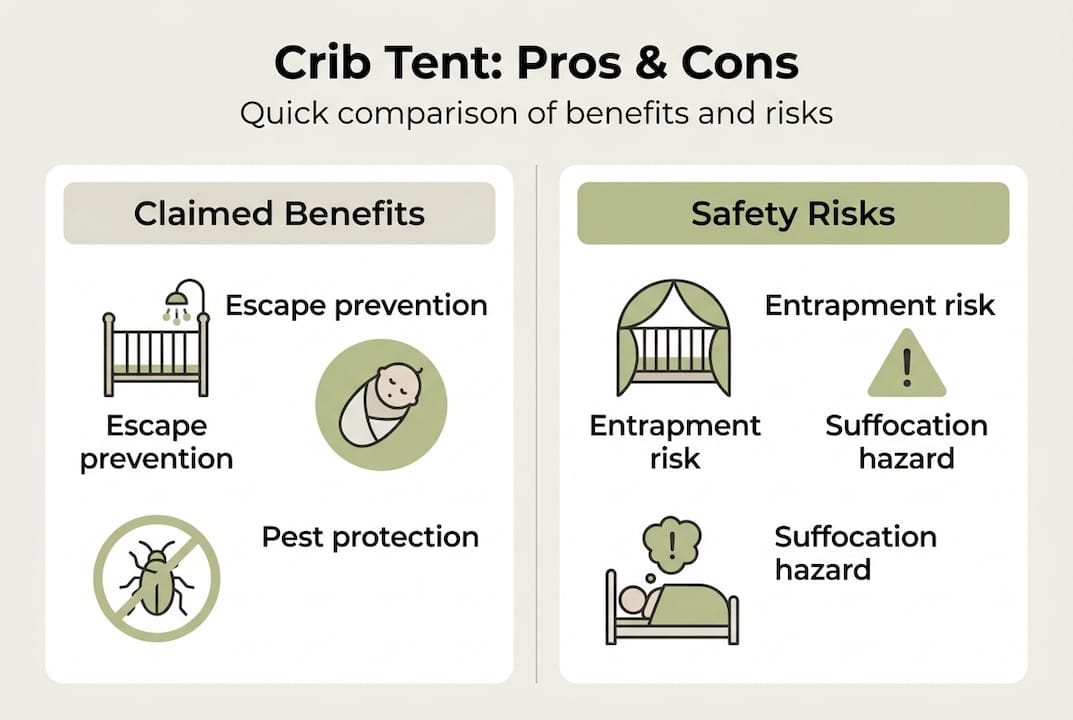
Das Muster ist hier wichtig. Jeder „Pro“ hat eine sicherere Alternative, die nichts über dem Gitterbett erfordert. Die behaupteten Vorteile sind reale Bedenken, aber die Lösung passt nicht zum Problem.
Hier ist, warum wohlmeinende Eltern in die Irre geführt werden:
- Produktmarketing ist überzeugend. Die Verpackung verwendet Sicherheitssprache, ohne unterstützende Forschung zu zitieren.
- Das Design sieht schützend aus. Ein Netz-Zelt ähnelt optisch Schutzkleidung, was beruhigend wirkt.
- Empfehlungen von Gleichgesinnten verbreiten sich schnell. Wenn ein anderer Elternteil sagt, es habe für ihn funktioniert, fühlt es sich validiert an.
- Die Risiken sind nicht sofort sichtbar. Einklemm- und Erstickungsgefahren sind nicht offensichtlich, bis etwas schiefgeht.
Pro-Tipp: Wenn Sie ein Gitterbettprodukt bewerten, stellen Sie eine Frage: Gehört dieser Gegenstand während des Schlafs in das Gitterbett? Wenn die Antwort nicht ein klares Nein ist, überprüfen Sie die grundlegenden Sicherheitsmerkmale der Gitterbettwäsche und die Sicherheitsvergleiche der Gitterbettwäsche, um zu verstehen, was tatsächlich in den Schlafbereich gehört.
Das sicherste Kinderzimmer ist eines, in dem das Gitterbett nur eine feste Matratze und ein richtig angepasstes Spannbettlaken enthält. Alles andere, egal wie gut gemeint, führt Variablen ein, vor denen Sicherheitsorganisationen stets gewarnt haben.
Sicherere Alternativen und empfohlene Gitterbettpraktiken
Da Gitterbettzelte nicht empfohlen werden, erfahren Sie hier, wie Sie ein sicheres, einladendes Kinderzimmer gestalten, ohne die Sicherheit zu gefährden.
Die gute Nachricht ist, dass die Probleme, die Gitterbettzelte angeblich lösen, alle praktische, evidenzbasierte Lösungen haben, die nichts über dem Gitterbett erfordern.
Für das Gitterbett selbst gelten folgende Grundlagen:
- Verwenden Sie eine feste Matratze, die ohne Lücken fest in den Gitterbettrahmen passt.
- Bedecken Sie sie nur mit einem einzelnen, richtig angepassten Spannbettlaken.
- Entfernen Sie alle Kissen, Stoßstangen, Decken, Stofftiere und Positionierer.
- Halten Sie die Matratze auf der niedrigsten Einstellung, sobald Ihr Baby stehen kann.
Für aktive Kleinkinder, die klettern:
- Senken Sie die Matratze so früh wie möglich auf die niedrigste Position ab.
- Entfernen Sie alle Gegenstände im oder in der Nähe des Gitterbetts, die als Trittstufe verwendet werden könnten.
- Erwägen Sie den Übergang zu einem Kleinkindbett, wenn das Klettern häufiger wird. Dies ist der empfohlene Ansatz, kein Zelt.
Zur Trennung von Haustieren:
- Halten Sie die Kinderzimmertür während der Schlafzeiten vollständig geschlossen.
- Verwenden Sie ein Babygitter mit einem Haustier-sicheren Riegel am Kinderzimmereingang.
- Ein weißes Rauschen-Gerät in der Nähe der Tür kann Haustiere auch ohne Gitterbettmodifikation abschrecken.
Zum Insektenschutz:
- Installieren Sie Fenstergitter, falls noch keine vorhanden sind.
- Verwenden Sie einen Deckenventilator oder einen tragbaren Ventilator, um die Luftzirkulation aufrechtzuerhalten, was Mücken natürlich abschreckt.
- Halten Sie den Raum kühl und gut belüftet.
Für den Kinderzimmerstil und -komfort können Sie immer noch einen gemütlichen, schönen Raum schaffen. Dekorative Elemente wie ein an der Decke über dem Gitterbett (nicht daran befestigter) Baldachin oder weiche Wandkunst verleihen Wärme, ohne in den Schlafbereich einzudringen. Überprüfen Sie die Sicherheitsstandards für Gitterbettwäsche und entdecken Sie sicheres Gitterbettzubehör, das den aktuellen Richtlinien entspricht.
Pro-Tipp: Ein Kinderzimmer muss nicht kahl sein, um sicher zu sein. Sicherheit gilt für das, was sich im Gitterbett befindet. Der Rest des Zimmers kann so warm und persönlich sein, wie Sie möchten.
Unsere Meinung: Warum Evidenz in der Gitterbettsicherheit immer über Bequemlichkeit steht
Nachdem wir sichere Alternativen erkundet haben, möchten wir eine Perspektive teilen, die Eltern selten sehen.
Es gibt ein Muster, das wir bei Produkten wie Gitterbettzelten bemerken. Sie tauchen in Momenten elterlichen Stresses auf, wenn ein Kleinkind um 2 Uhr morgens entkommt und Sie jetzt eine Lösung brauchen. Diese Dringlichkeit ist real. Aber gerade in der Dringlichkeit ist es am einfachsten, die Beweise zu übergehen.
Bequemlichkeitsprodukte im Kinderzimmer lösen selten das eigentliche Problem. Sie legen eine Schicht darüber. Und in einer Schlafumgebung birgt diese Schicht ein Risiko.
Was die meisten Familien bei minimalistischen Gitterbett-Einrichtungen übersehen, ist, dass sie kein Opfer sind. Sie sind das Ergebnis jahrzehntelanger Forschung darüber, was Babys während des Schlafs tatsächlich sicher hält. Die Einhaltung moderner Sicherheitsstandards bedeutet nicht, restriktiv zu sein. Es geht darum, Entscheidungen zu treffen, die durch Beweise und nicht durch Verpackungen gestützt werden.
Die Eltern, die sich am wohlsten fühlen, sind nicht diejenigen mit den meisten Accessoires. Es sind diejenigen, die verstehen, warum jede Wahl getroffen wurde. Diese Klarheit ist mehr wert als jede Produktbehauptung.
Entdecken Sie sichere, stilvolle Bettwäscheoptionen für Ihr Kinderzimmer
Ein sicheres Gitterbett einzurichten bedeutet nicht, auf Stil oder Komfort zu verzichten. Bei Kari Studio entwerfen wir Kinderzimmer-Essentials, die Sicherheitsstandards erfüllen und in jedem Kinderzimmer wunderschön aussehen.
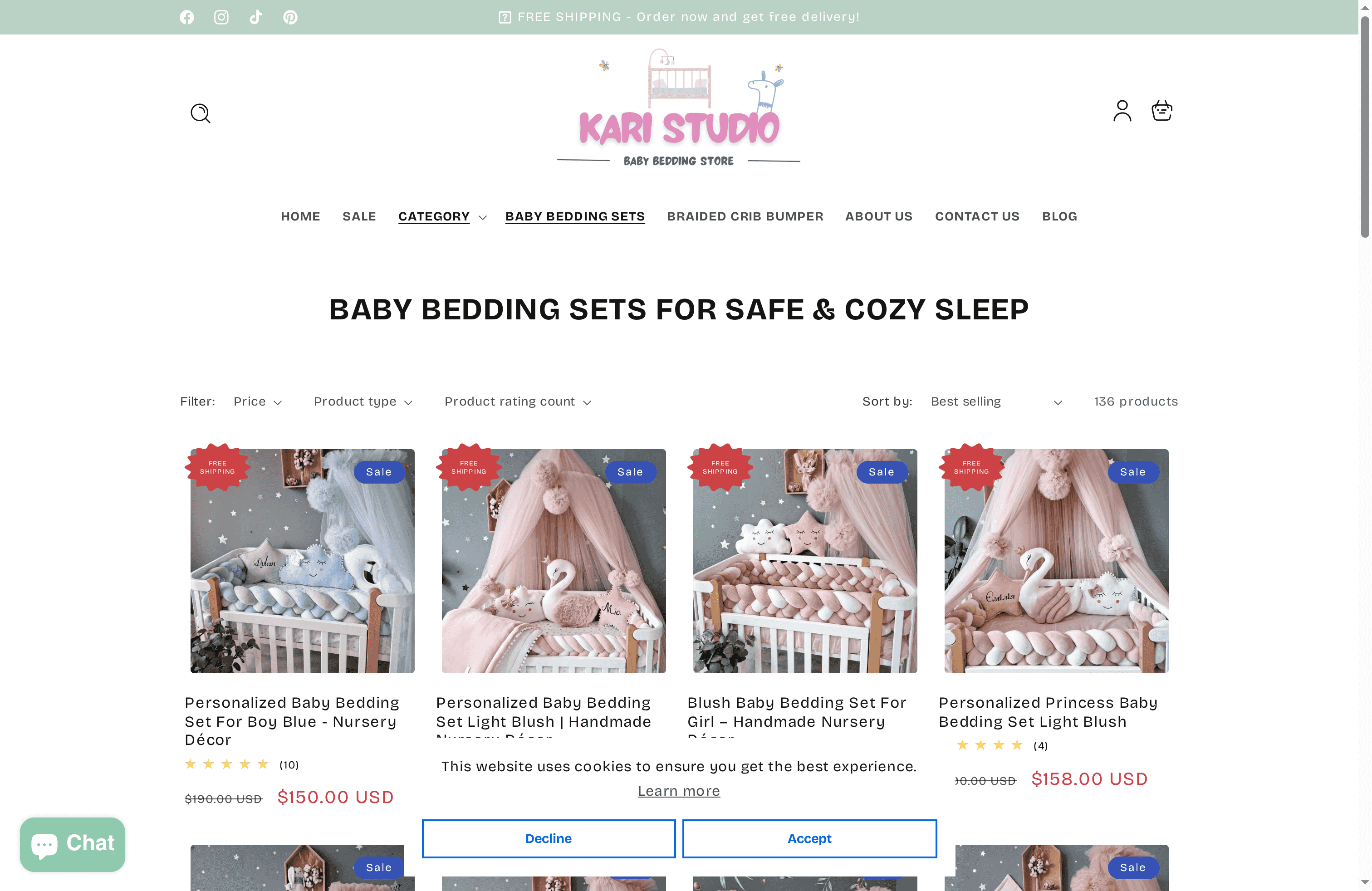
Unsere Bio-Gitterbettwäsche-Sets werden aus hypoallergenen, weichen Stoffen hergestellt und unter Berücksichtigung eines sicheren Schlafs konzipiert. Jedes Stück ist so gefertigt, dass es eine leere, feste Gitterbett-Einrichtung ergänzt, ohne zusätzliche Risiken. Wenn Sie auf der Suche nach einem guten Preis-Leistungs-Verhältnis sind, finden Sie in unserem Gitterbettumrandungen-Sale handgefertigte Artikel zu reduzierten Preisen. Stöbern Sie in unserer gesamten Kollektion, um Bettwäsche zu finden, die zu Ihrem Kinderzimmerstil und der Sicherheit Ihres Babys passt.
Häufig gestellte Fragen
Sind Gitterbettzelte für Neugeborene und Säuglinge sicher?
Nein. Gitterbettzelte verstoßen gegen die Richtlinien für sicheren Schlaf und werden von führenden pädiatrischen oder Verbraucherschutzorganisationen aufgrund der Risiken von Einklemmung, Erstickung und Strangulation nicht empfohlen.
Welche Alternativen können dazu beitragen, mein Baby im Gitterbett sicher zu halten?
Eine feste Matratze und ein Spannbettlaken, ohne weitere Gegenstände im Gitterbett, ist die sicherste Einrichtung. Für kletternde Kleinkinder senken Sie die Matratze ab und erwägen Sie den Übergang zu einem Kleinkindbett.
Warum werden Gitterbettzelte immer noch online verkauft, wenn Experten davon abraten?
Trotz Expertenwarnungen sind Gitterbettzelte weiterhin online erhältlich, aber ihr fortgesetzter Verkauf bedeutet nicht, dass sie sicher sind. Große Organisationen empfehlen stets, sie zu vermeiden.