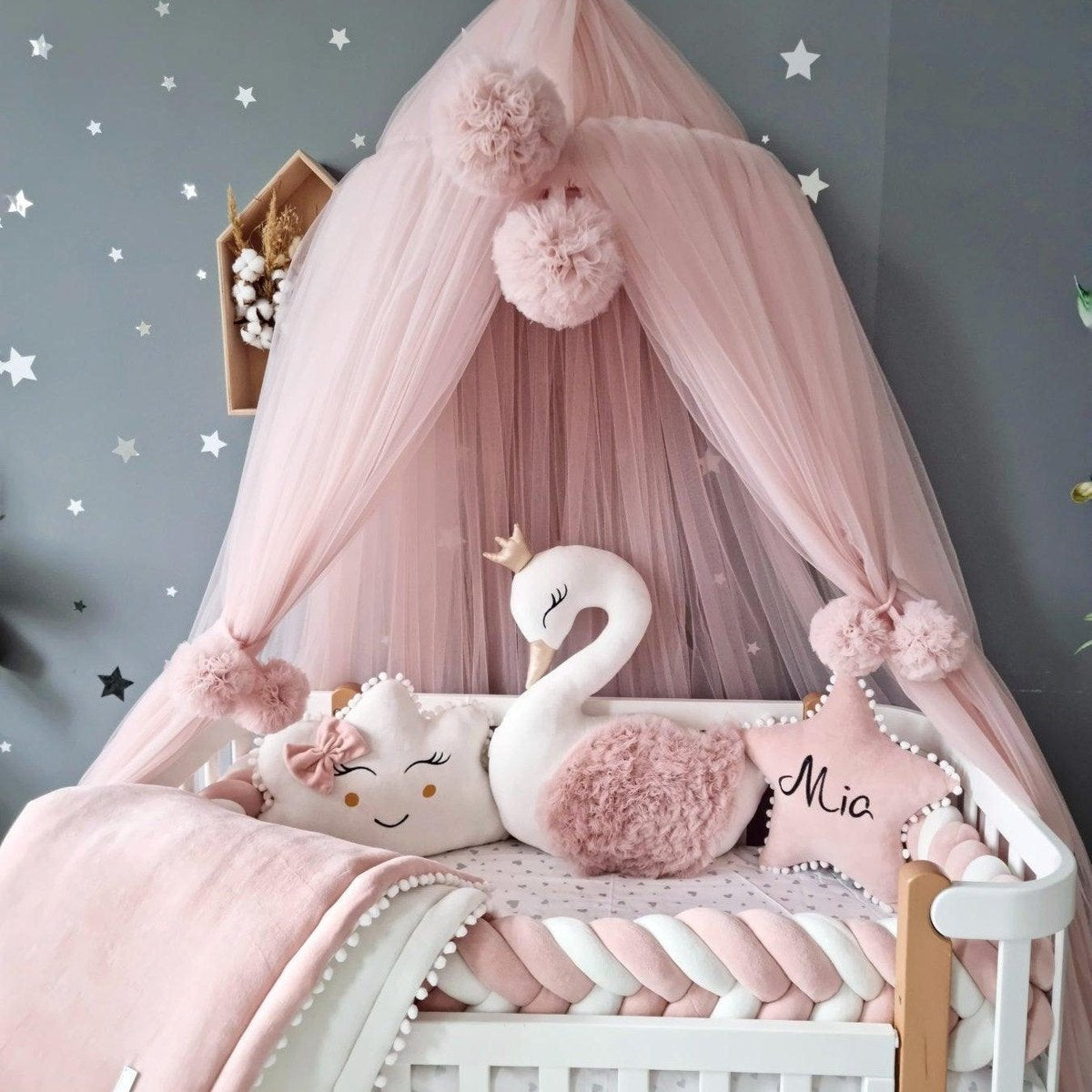

Die Wahl zwischen Bettwäsche für Krippen und Stubenwagen ist nicht nur eine Frage der Größe. Fast 40 % der schlafbezogenen Verletzungen bei Säuglingen gehen auf die unsachgemäße Verwendung von Bettwäsche in Krippen oder Stubenwagen zurück. Eltern gehen oft davon aus, dass diese Artikel austauschbar sind, aber die passende Bettwäsche für die richtige Schlafumgebung wirkt sich direkt auf die Sicherheit und den Komfort Ihres Babys aus. Dieser Leitfaden klärt über Designunterschiede, Sicherheitsstandards und den Zeitpunkt des Übergangs auf, damit Sie fundierte Entscheidungen bei der Wahl der Bettwäsche treffen können.
Inhaltsverzeichnis
- Einführung in die Schlafumgebung für Säuglinge
- Wichtige Sicherheitsstandards für Bettwäsche in Krippe und Stubenwagen
- Design- und Materialunterschiede zwischen Bettwäsche für Krippe und Stubenwagen
- Wann und warum man von Stubenwagen- zu Krippenbettwäsche wechseln sollte
- Häufige Missverständnisse über Bettwäsche für Krippe und Stubenwagen
- Praktische Hinweise zur Auswahl und Verwendung sicherer Bettwäsche
- Entdecken Sie sichere und gemütliche Baby-Bettwäschesets
- Häufig gestellte Fragen
Die wichtigsten Erkenntnisse
| Punkt | Details |
|---|---|
| Größe ist wichtig | Krippenbettwäsche passt auf Matratzen mit den Maßen 27x52 Zoll, Stubenwagenbettwäsche auf Matratzen mit 15-18 Zoll. |
| SIDS-Risiko | Weiche Bettwäsche erhöht das SIDS-Risiko in beiden Schlafumgebungen um bis zu 50 %. |
| Übergangszeitpunkt | Wechseln Sie im Alter von 4-6 Monaten oder wenn das Baby Anzeichen von Rollen oder erhöhter Mobilität zeigt, zur Krippenbettwäsche. |
| Sicherheit geht vor | Verwenden Sie nur feste Matratzen mit straff sitzenden Laken, keine losen Decken oder Kissen. |
| Materialwahl | Atmungsaktive, hypoallergene Stoffe reduzieren Überhitzung und Allergenexposition. |
Einführung in die Schlafumgebung für Säuglinge
Kinderbetten und Stubenwagen erfüllen in der Einrichtung Ihres Kinderzimmers unterschiedliche Zwecke. Ein Stubenwagen ist ein kompakter, tragbarer Schlafplatz, der für Neugeborene bis zu einem Gewicht von etwa 6,8-9 kg oder im Alter von 4-6 Monaten konzipiert ist. Kinderbetten sind größere, dauerhafte Einrichtungsgegenstände, die Säuglinge von der Geburt bis zum Kleinkindalter aufnehmen können, typischerweise bis zu einer Körpergröße von 89 cm oder etwa 3 Jahren.
Etwa 75 % der US-amerikanischen Familien nutzen Stubenwagen in den ersten Monaten, um das nächtliche Füttern und die Überwachung zu erleichtern. Der Unterschied zwischen Kinderbett und Stubenwagen geht über die Größe hinaus und umfasst Portabilität, Lebensdauer und Sicherheitsmerkmale. Das Verständnis dieser Unterschiede hilft Ihnen, die passende Bettwäsche für jede Phase auszuwählen.
Stubenwagen-Bettwäsche ist so konzipiert, dass sie in kleinere, flachere Schlafbereiche mit Matratzen passt, die etwa halb so groß sind wie Kinderbettmatratzen. Dieser Größenunterschied ist nicht nur eine Frage der Bequemlichkeit. Die Verwendung von falsch dimensionierter Bettwäsche führt zu Lücken, die eine Einklemmengefahr darstellen.
Wichtige Überlegungen für jede Schlafumgebung:
- Stubenwagen eignen sich am besten für Neugeborene, die von der Nähe der Eltern während des nächtlichen Fütterns profitieren
- Kinderbetten bieten langfristigen Wert und berücksichtigen Wachstumsschübe und Entwicklungsschritte
- Beide erfordern spezifische Bettwäschemaße, um sichere Schlafbereiche zu gewährleisten
- Der Übergang zwischen den beiden erfordert sorgfältige Aufmerksamkeit auf sich ändernde Sicherheitsanforderungen
Wichtige Sicherheitsstandards für Bettwäsche in Krippe und Stubenwagen
Die Consumer Product Safety Commission schreibt vor, dass Kindermatratzen nicht dicker als 6 Zoll sein dürfen und keine Lücken von mehr als zwei Fingerbreiten zwischen Matratze und Rahmen bestehen dürfen. Stubenwagenmatratzen müssen ebenfalls so fest in ihren Rahmen sitzen, dass ein Einklemmen verhindert wird.
Weiche Bettwäsche, einschließlich Decken und Kissen, erhöht das Risiko des plötzlichen Kindstods (SIDS) sowohl in Krippen als auch in Stubenwagen erheblich, was die American Academy of Pediatrics dazu veranlasste, nackte Schlafflächen mit nur einem Spannbettlaken zu empfehlen. Diese Empfehlung gilt unabhängig von der Art der Bettwäsche oder Marketingaussagen zum Komfort.
Häufige Gefahren durch Bettwäsche sind:
- Lose Decken, die das Gesicht eines Säuglings im Schlaf bedecken können
- Kissen oder gepolsterte Stoßfänger, die das Erstickungsrisiko erhöhen
- Überdimensionierte Laken, die sich zusammenballen und Strangulationsgefahren schaffen
- Dekorative Gegenstände wie Stofftiere, die den atmungsaktiven Schlafbereich reduzieren
Die Sicherheitsgesetze für Krippenstoßstangen in vielen Staaten verbieten inzwischen gepolsterte Stoßstangen vollständig aufgrund dokumentierter Erstickungsfälle. Ihr sicherster Ansatz folgt diesem Prinzip:
Eine leere Krippe oder ein Stubenwagen mit nur einer festen Matratze und einem straff sitzenden Laken bietet die sicherste Schlafumgebung für Säuglinge unter 12 Monaten.
Das Verständnis des Vergleichs der Sicherheit von Krippenbettwäsche und Decken verdeutlicht, warum Spannbettlaken herkömmlichen Decken überlegen sind. Tragbare Schlafsäcke bieten Wärme ohne das Risiko loser Stoffe, wenn die Raumtemperatur sinkt.
Pro-Tipp: Überprüfen Sie monatlich den Sitz der Matratze, da wiederholtes Waschen Spannbettlaken schrumpfen lassen kann, wodurch gefährliche Lücken entstehen, die die Sicherheitsstandards beeinträchtigen.
Design- und Materialunterschiede zwischen Bettwäsche für Krippe und Stubenwagen
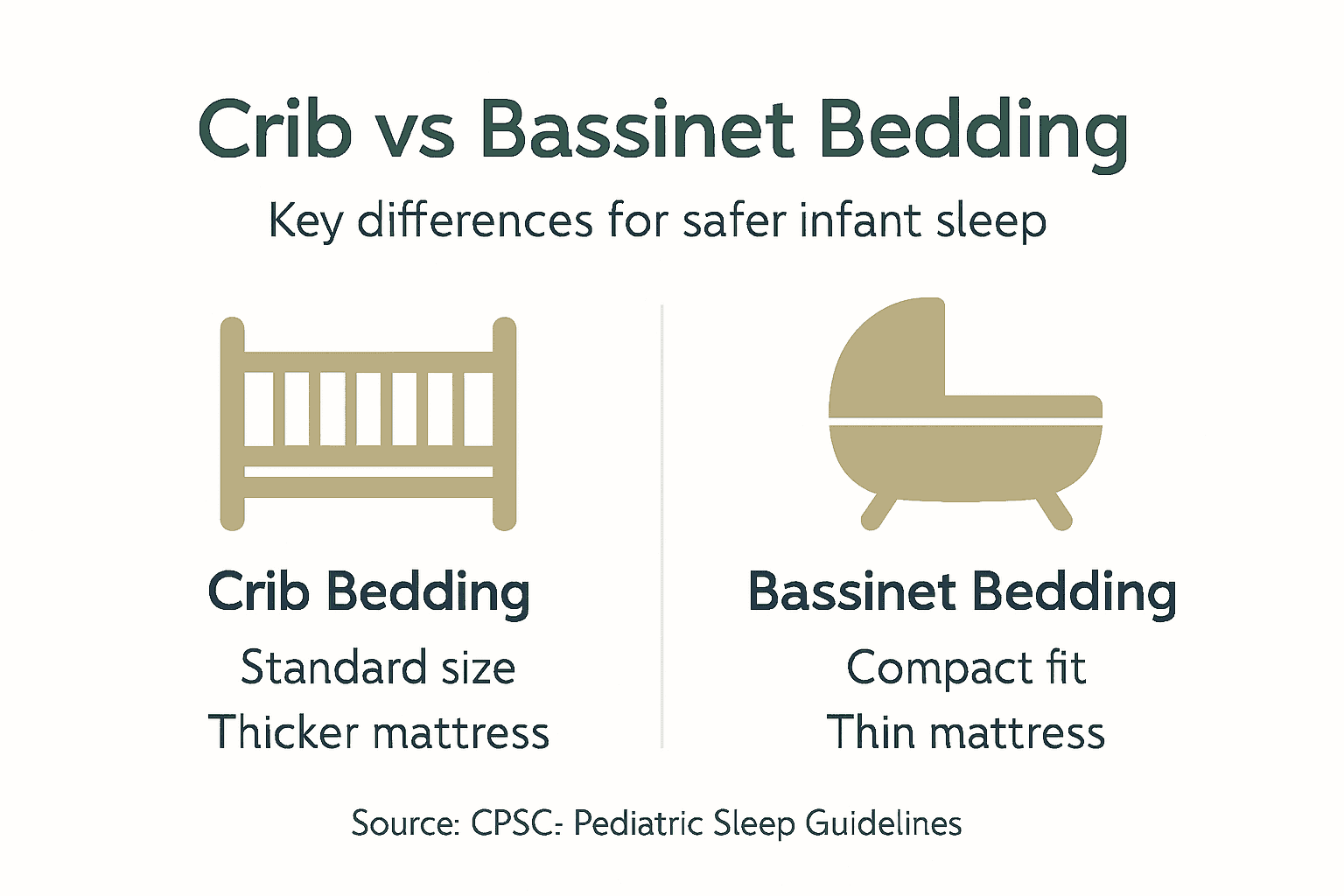
Die physischen Abmessungen sind der primäre Unterschied zwischen diesen Bettwäschetypen. Standard-Krippenmatratzen messen 27,25 Zoll Breite mal 51,625 Zoll Länge, während Stubenwagenmatratzen typischerweise zwischen 15 und 18 Zoll Breite und 30 bis 33 Zoll Länge liegen.
| Merkmal | Krippenbettwäsche | Stubenwagen-Bettwäsche |
|---|---|---|
| Matratzengröße | 27x52 Zoll | 15-18x30-33 Zoll |
| Dicke | Bis zu 6 Zoll | 1-2 Zoll |
| Lebensdauer | 2-3 Jahre | 4-6 Monate |
| Materialgewicht | Schwerere, strapazierfähige Stoffe | Leichte, atmungsaktive Materialien |
| Gummizugtiefe | 8-9 Zoll tiefe Taschen | 3-4 Zoll tiefe Taschen |
Stubenwagenmatratzen sind etwa 15-18 Zoll breit, Krippenmatratzen etwa 27 Zoll breit, was unterschiedliche Bettwäscheabmessungen und Dickenstandards erfordert. Der Versuch, Krippenlaken auf Stubenwagenmatratzen zu verwenden, führt zu überschüssigem Stoff, der sich gefährlich zusammenballt.
Die Materialauswahl beeinflusst sowohl Sicherheit als auch Komfort. Atmungsaktive Stoffe wie Bio-Baumwolle, Bambusmischungen und feuchtigkeitsableitende Materialien helfen, die Körpertemperatur des Säuglings zu regulieren. Der Leitfaden Krippenbettwäsche-Materialien erklärt detailliert, wie Stoffgewicht und Webmuster die Luftzirkulation beeinflussen.
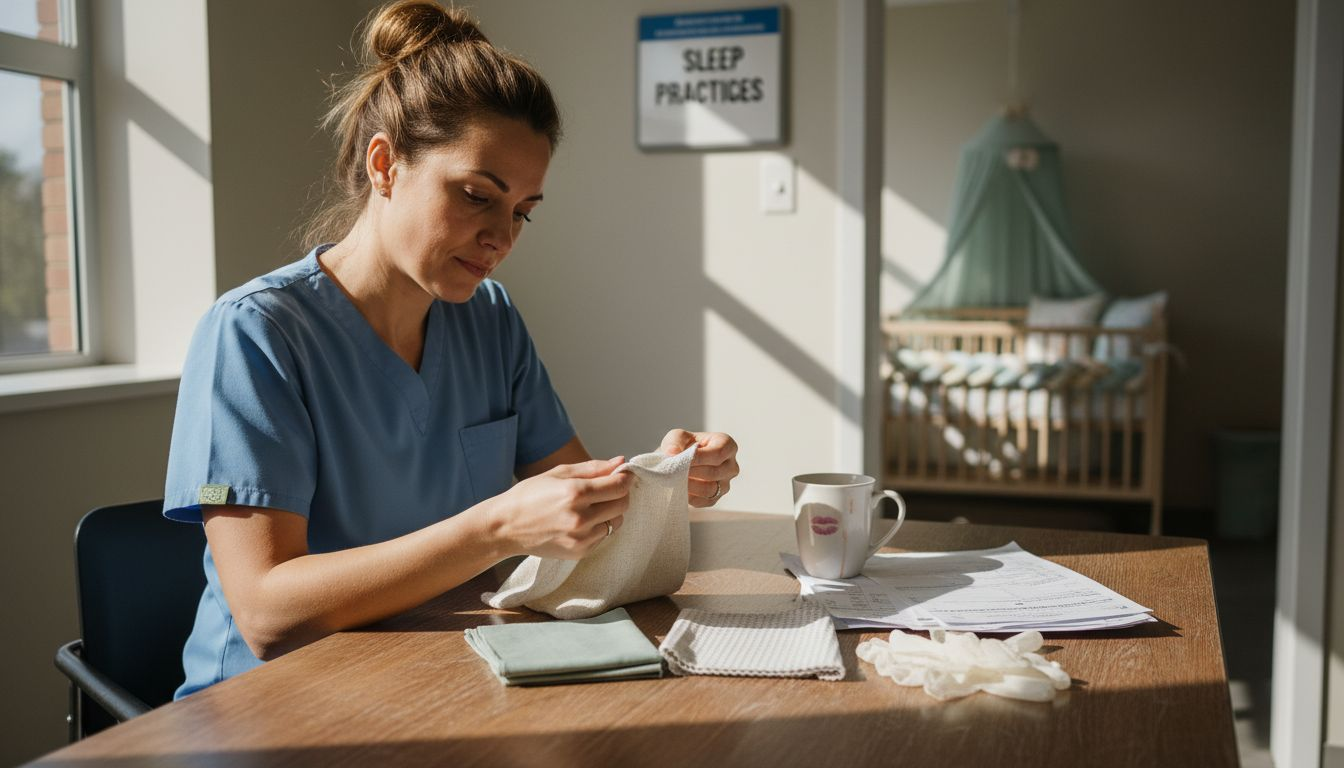
Kinderbettwäsche verwendet typischerweise schwerere, haltbarere Materialien, die dafür ausgelegt sind, jahrelanges Waschen und täglichen Gebrauch zu überstehen. Stubenwagenbettwäsche priorisiert leichte, ultra-atmungsaktive Stoffe, die für die Empfindlichkeit der Neugeborenenhaut und kürzere Nutzungszeiten geeignet sind.
Wichtige Materialüberlegungen:
- Hypoallergene Stoffe reduzieren die Exposition gegenüber Hausstaubmilben und Allergenen
- Zertifizierte Bio-Materialien vermeiden chemische Behandlungen, die empfindliche Haut reizen können
- Vorgeschrumpfte Stoffe behalten nach mehreren Waschzyklen die richtige Passform
- Verstärkte Gummizüge verhindern, dass sich die Laken bei Bewegung des Babys lösen
Bei der Bewertung der besten Stubenwagenoptionen sollten Sie überprüfen, ob die mitgelieferte Bettwäsche die Anforderungen an eine enge Passform erfüllt. Viele Stubenwagen werden mit proprietären Matratzengrößen geliefert, die speziell angepasste Laken erfordern.
Pro-Tipp: Kaufen Sie mindestens drei Spannbettlaken für jeden Schlafbereich, um sicherzustellen, dass Sie bei nächtlichen Unfällen oder Spucken immer ein sauberes Laken zur Verfügung haben.
Wann und warum man von Stubenwagen- zu Krippenbettwäsche wechseln sollte
Die meisten Kinderärzte empfehlen, zwischen dem 4. und 6. Monat vom Stubenwagen zum Kinderbett zu wechseln, obwohl die individuelle Entwicklung variiert. Gewichtsbeschränkungen liegen bei Stubenwagen typischerweise bei maximal 6,8-9 kg, während Höhenbeschränkungen oft festlegen, wann ein Baby sich auf Händen und Knien aufrichten kann.
Die Sicherheitsrisiken steigen dramatisch, wenn Babys die Abmessungen des Stubenwagens überschreiten. Ein Säugling, der sich drehen oder aufrichten kann, ist in der kleineren, flacheren Stubenwagenstruktur potenziellen Kippgefahren ausgesetzt. Das Verständnis, wann man vom Stubenwagen zum Kinderbett wechseln sollte, hilft Ihnen, den richtigen Zeitpunkt zu bestimmen.
Entwicklungszeichen, die auf die Bereitschaft für Krippenbettwäsche hindeuten:
- Ihr Baby rollt sich im Schlaf regelmäßig vom Rücken auf den Bauch
- Das Gewicht nähert sich den oder überschreitet die vom Stubenwagenhersteller angegebenen Grenzen
- Der Kopf oder die Füße des Babys berühren die Enden des Stubenwagens, wenn es flach liegt
- Erhöhte nächtliche Bewegung deutet auf einen größeren Platzbedarf hin
- Das Baby versucht, sich aufzusetzen oder sich in den Stand zu ziehen
Der Übergangsprozess erfordert eine Anpassung der Bettwäsche an die größeren Abmessungen der Krippenmatratze. Das bloße Verschieben der Stubenwagenlaken in die Krippe schafft gefährliche Lücken, in denen Gliedmaßen eingeklemmt werden können.
Beachten Sie diese Checkliste für den Übergang:
- Messen Sie Ihre Krippenmatratze, um die Standardabmessungen zu bestätigen
- Kaufen Sie passgenaue Krippenlaken mit tiefen Taschen
- Testen Sie die Passform des Lakens, indem Sie zwei Finger zwischen Matratzenrand und Krippengestell stecken
- Entfernen Sie die gesamte Stubenwagen-Bettwäsche aus dem Kinderzimmer, um eine versehentliche Verwendung zu vermeiden
- Behalten Sie die Prinzipien der unbedeckten Schlaffläche in der neuen Krippenumgebung bei
Viele Eltern zögern den Übergang wegen der Bequemlichkeit oder der emotionalen Bindung an die Stubenwagenphase hinaus. Die Verwendung von zu kleiner Bettwäsche oder zu großen Schlafplätzen birgt jedoch ernsthafte Sicherheitsrisiken, die sentimentale Überlegungen überwiegen.
Pro-Tipp: Beginnen Sie einige Wochen vor dem vollständigen nächtlichen Übergang damit, Ihr Baby tagsüber für kurze Nickerchen in das Kinderbett zu legen, damit es sich allmählich an den größeren Schlafplatz gewöhnen kann.
Häufige Missverständnisse über Bettwäsche für Krippe und Stubenwagen
Die Annahme, dass Krippen- und Stubenwagenbettwäsche austauschbar verwendet werden kann, gehört zu den gefährlichsten Missverständnissen. Schon die Größenunterschiede machen dies unmöglich, doch viele Eltern versuchen, überdimensionierte Krippenlaken um Stubenwagenmatratzen zu stecken, was Erstickungsgefahren birgt.
Ein weiteres hartnäckiges Gerücht besagt, dass weiche Decken und plüschige Bettwäsche den Komfort und die Schlafqualität von Säuglingen verbessern. Die Forschung zeigt durchweg das Gegenteil. Feste, flache Oberflächen mit minimaler Bettwäsche fördern einen sichereren, erholsameren Schlaf, indem sie das Risiko von Überhitzung und Atemwegsverstopfung verringern.
Häufige falsche Annahmen über Babybettwäsche:
- Dekorative Kissen und gepolsterte Stoßfänger machen Krippen gemütlicher und sicherer
- Babys schlafen besser mit weichen, gepolsterten Oberflächen um sich herum
- Stubenwagen-Bettwäsche kann länger verwendet werden, wenn man überschüssigen Stoff faltet oder untersteckt
- Atmungsaktive Gitterstoßfänger bieten ausreichende Sicherheit für jüngere Säuglinge
- Premium-Bettwäschesets mit mehreren Teilen bieten einen besseren Wert als einfache Spannbettlaken
Die häufigsten Fehler bei der Krippeneinrichtung, die Eltern machen, beruhen oft darauf, Ästhetik über Sicherheitsrichtlinien zu stellen. Magazin-würdige Kinderzimmerfotos zeigen häufig Bettwäschearrangements, die gegen sichere Schlafempfehlungen verstoßen.
Das Marketing für luxuriöse Bettwäschesets trägt zur Verwirrung bei, indem es Artikel wie Steppdecken, Stoßfänger und dekorative Kissen bündelt, die niemals in Schlafbereichen für Säuglinge verwendet werden sollten. Diese Gegenstände dienen rein dekorativen Zwecken und gehören an Wände oder Regale, nicht in Krippen oder Stubenwagen.
Einige Eltern rechtfertigen die fortgesetzte Verwendung des Stubenwagens über die empfohlenen Grenzen hinaus damit, dass ihr Baby sich wohl fühlt oder die Gewichtsgrenzen noch nicht erreicht hat. Entwicklungsmeilensteine wie das Rollen und die erhöhte Mobilität schaffen jedoch unabhängig von den Gewichtsmessungen Sicherheitsrisiken. Sobald Ihr Baby neue Bewegungsmöglichkeiten zeigt, wird ein sofortiger Übergang zu altersgerechter Krippenbettwäsche unerlässlich.
Praktische Hinweise zur Auswahl und Verwendung sicherer Bettwäsche
Die Auswahl sicherer Bettwäsche beginnt damit, dass Sie vor dem Kauf der Laken die genauen Matratzenmaße überprüfen. Nehmen Sie ein Maßband mit, um die Maße der Krippen- oder Stubenwagenmatratze zu bestätigen, da Nicht-Standardgrößen maßgeschneiderte Optionen erfordern.
Priorisieren Sie diese Materialeigenschaften:
- Atmungsaktive Gewebe, die die Luftzirkulation fördern und Überhitzung reduzieren
- Hypoallergene Zertifizierung zur Minimierung von Allergenexposition und Hautreizungen
- Maschinenwaschbare Stoffe, die häufigem Waschen bei hohen Temperaturen standhalten
- Verstärkter Gummizug, der auch nach mehreren Waschzyklen einen festen Sitz gewährleistet
- Vorgeschrumpfte Materialien, die nach dem Waschen keine Lücken bilden
Die wesentliche Krippenbettwäsche, die Sie tatsächlich benötigen, umfasst Spannbettlaken und möglicherweise einen wasserdichten Matratzenschutz. Alles andere ist optional oder dekorativ und nicht essentiell für einen sicheren Schlaf.
Das Verständnis der Vorteile hypoallergener Babybettwäsche wird besonders wichtig für Familien mit Allergieanamnese. Bio-Baumwolle und Bambusstoffe widerstehen auf natürliche Weise Hausstaubmilben und Schimmelbildung ohne chemische Behandlungen.
Pflegepraktiken, die die Sicherheit der Bettwäsche erhalten:
- Waschen Sie neue Laken vor dem ersten Gebrauch, um Herstellungsrückstände zu entfernen
- Verwenden Sie parfümfreie, farbstofffreie Waschmittel, um Hautreizungen zu vermeiden
- Überprüfen Sie monatlich die Elastizität und ersetzen Sie abgenutzte Laken
- Überprüfen Sie nach jedem Waschen den Sitz der Matratze, um sicherzustellen, dass keine Lücken entstehen
- Wechseln Sie zwischen mehreren Bettwäschesets, um den Verschleiß durch ständige Nutzung zu reduzieren
Die Temperaturregulierung ist wichtiger, als viele Eltern wissen. Überhitzung erhöht das SIDS-Risiko. Wählen Sie daher leichte, atmungsaktive Stoffe anstelle von schweren, isolierenden Materialien. Eine Raumtemperatur zwischen 20-22°C in Kombination mit geeigneter Bettwäsche trägt dazu bei, sichere Schlafbedingungen zu erhalten.
Pro-Tipp: Investieren Sie in maßgeschneiderte Bettwäsche-Sets, die für Ihr spezielles Kinderbett- oder Stubenwagenmodell entwickelt wurden, um Rätselraten über die richtigen Abmessungen zu vermeiden und maximale Sicherheit durch präzise Passform zu gewährleisten.
Entdecken Sie sichere und gemütliche Baby-Bettwäschesets
Die Schaffung einer sicheren Kinderzimmerumgebung beginnt mit der Wahl der Bettwäsche, die sowohl Sicherheitsstandards als auch den Stilvorlieben Ihrer Familie entspricht. Unsere Bio-Babybettwäschesets kombinieren zertifizierte hypoallergene Stoffe mit präzisen Größen für perfekte Passformen in Standard-Kinderbetten und ausgewählten Stubenwagenmodellen.
Jedes Bettwäschestück in unserer Kollektion wird strengen Sicherheitstests unterzogen, um die Einhaltung der aktuellen CPSC-Richtlinien und AAP-Empfehlungen zu gewährleisten. Wir konzentrieren uns auf Spannbettlaken, die einen festen Kontakt mit der Matratzenoberfläche gewährleisten, Lücken eliminieren und gleichzeitig atmungsaktiven Komfort bieten.
Unser Leitfaden für sicheren und gemütlichen Schlaf bietet zusätzliche Ressourcen zur Etablierung gesunder Schlafroutinen, die passende Bettwäsche ergänzen. Egal, ob Sie Ihr erstes Kinderzimmer einrichten oder auf ein Kinderbett umsteigen, unsere anpassbaren Optionen ermöglichen es Ihnen, Räume zu schaffen, die Ihren Stil widerspiegeln, ohne die Sicherheit zu beeinträchtigen. Entdecken Sie unseren aktuellen Babybettwäsche-Sale, um Premium-Optionen zu erschwinglichen Preisen zu finden.
Häufig gestellte Fragen
Woher weiß ich, ob die Stubenwagen-Bettwäsche richtig passt?
Stecken Sie nach dem Aufziehen des Lakens zwei Finger zwischen den Matratzenrand und den Stubenwagenrahmen. Wenn Sie mehr als zwei Finger in eine Lücke stecken können, ist das Laken zu klein oder die Matratze passt nicht richtig zum Stubenwagen. Richtig sitzende Laken sollten nur mit Mühe über die Matratzenecken zu ziehen sein und keine Falten oder überschüssigen Stoff aufweisen.
Kann Krippenbettwäsche jemals sicher in einem Stubenwagen verwendet werden?
Nein, Wickelunterlagen sind deutlich größer als Stubenwagenmatratzen und verursachen gefährliche Falten und überschüssigen Stoff, egal wie sorgfältig man sie verstaut. Die Größenabweichung führt zu Erstickungs- und Einklemmungsgefahren, die diese Praxis unter keinen Umständen unsicher machen. Verwenden Sie immer Bettwäsche, die speziell für die Matratzenmaße Ihres Stubenwagens entwickelt wurde.
Welche Materialien sind am sichersten für Babybettwäsche?
Bio-Baumwolle, Bambusmischungen und zertifizierte hypoallergene Stoffe bieten optimale Sicherheit durch Atmungsaktivität und Allergenresistenz. Achten Sie auf Materialien, die als frei von Flammschutzmitteln, Formaldehyd und synthetischen Farbstoffen gekennzeichnet sind. Vorgeschrumpfte, dicht gewebte Stoffe behalten auch nach wiederholtem Waschen ihre Passform und fördern gleichzeitig die Luftzirkulation, wodurch das Risiko einer Überhitzung reduziert wird.
Wann sollte ich von Stubenwagen- zu Kinderbettwäsche wechseln?
Wechseln Sie zwischen 4-6 Monaten oder wenn Ihr Baby Anzeichen des Rollens, Hochdrückens auf Hände und Knie zeigt oder sich den Gewichtsgrenzen des Stubenwagens nähert. Ein sofortiger Übergang ist notwendig, sobald Kopf oder Füße Ihres Babys die Enden des Stubenwagens berühren, wenn es flach liegt. Überwachen Sie Entwicklungsschritte, anstatt sich ausschließlich auf Alters- oder Gewichtsempfehlungen zu verlassen.
Wie oft sollte ich Kinderbett- und Stubenwagenlaken waschen?
Waschen Sie die Laken unter normalen Umständen mindestens einmal wöchentlich, bei Krankheit oder nach Spuckvorfällen häufiger. Verwenden Sie heißes Wasser und duftfreies Waschmittel, um Bakterien und Allergene effektiv zu beseitigen. Halten Sie eine Rotation von drei Spannbettlaken pro Schlafplatz bereit, um sicherzustellen, dass zwischen den Waschzyklen saubere Optionen zur Verfügung stehen.