
Más del 85 % de los padres estadounidenses utilizan tablas de crecimiento para seguir el desarrollo de sus hijos desde la infancia hasta la adolescencia. Estas sencillas gráficas ofrecen una visión clara de si un niño sigue un patrón de crecimiento saludable o si necesita atención adicional. Comprender cómo leer y usar las tablas de crecimiento permite a las familias estadounidenses tomar decisiones informadas sobre nutrición, salud y revisiones médicas, sentando una base sólida para el bienestar a lo largo de la vida.
Tabla de contenido
- Conceptos básicos de las tablas de crecimiento para bebés y niños
- Tipos de tablas de crecimiento y medidas
- Cómo utilizan los pediatras las tablas de crecimiento
- Seguimiento del crecimiento del bebé en casa
- Errores comunes en los gráficos que se deben evitar
Conclusiones clave
| Punto | Detalles |
|---|---|
| Gráficas de crecimiento | Son herramientas esenciales para monitorear el desarrollo físico de un niño, comparando medidas con compañeros de la misma edad y género. |
| Medidas clave | El seguimiento de la altura, el peso y la circunferencia de la cabeza es vital para evaluar el crecimiento de un niño e identificar posibles problemas de salud. |
| Participación de los padres | Los padres deben monitorear activamente el crecimiento en casa con métodos consistentes y comunicar los resultados a los pediatras durante los controles. |
| Evitar errores | Comprender los gráficos correctos y las mediciones consistentes es fundamental para evitar malas interpretaciones de los datos de crecimiento de un niño. |
Conceptos básicos de las tablas de crecimiento para bebés y niños
Las tablas de crecimiento son potentes herramientas de seguimiento visual que ayudan a padres y profesionales de la salud a monitorear el desarrollo físico de un niño desde el nacimiento hasta la adolescencia. Las tablas de crecimiento son curvas de percentiles que ilustran cómo se comparan las medidas corporales de un niño con las de niños sanos de la misma edad y sexo.
Estos gráficos generalmente rastrean varias mediciones clave que brindan información sobre la salud y el desarrollo general de un niño:
- Altura/Longitud : Muestra la progresión del crecimiento vertical
- Peso : Indica el estado nutricional y el crecimiento físico.
- Circunferencia de la cabeza : monitorea el desarrollo del cerebro y el cráneo, especialmente en bebés.
Los profesionales de la salud utilizan estas gráficas para evaluar si un niño crece de forma consistente y dentro de los rangos esperados.Comparar las mediciones con patrones de crecimiento estandarizados ayuda a identificar tempranamente posibles problemas de desarrollo o nutricionales.
Los padres pueden beneficiarse de la comprensión de las tablas de crecimiento al:
- Seguimiento de patrones de crecimiento consistentes
- Identificación de posibles problemas de salud
- Hablando sobre los hitos del desarrollo con los pediatras
- Comprender las trayectorias de crecimiento individuales
Si bien estas tablas ofrecen información valiosa, es fundamental recordar que cada niño crece de forma única. La genética, la nutrición, los niveles de actividad y la salud general contribuyen a los patrones de crecimiento individuales. Las revisiones pediátricas periódicas y la comunicación fluida con los profesionales de la salud garantizan un seguimiento integral del desarrollo del niño.
Tipos de tablas de crecimiento y medidas
Las gráficas de crecimiento clínico son herramientas sofisticadas de seguimiento diseñadas para monitorear diferentes aspectos del desarrollo físico infantil. Estas gráficas especializadas proporcionan información detallada sobre la trayectoria de crecimiento del niño midiendo y comparando múltiples indicadores físicos clave.
Las tablas de crecimiento generalmente se clasifican en varios tipos de medidas esenciales:
- Peso por edad : rastrea el peso de un niño en relación con su edad cronológica
- Longitud/Altura para la edad : mide la progresión del crecimiento vertical
- Circunferencia de la cabeza para la edad : monitorea el desarrollo del cerebro y el cráneo
- Índice de masa corporal (IMC) para la edad : evalúa la composición corporal y el estado nutricional potencial
Se han diseñado diferentes tablas específicamente para niños y niñas, con mediciones separadas para niños menores y mayores de 2 años . Este enfoque específico para cada género y edad garantiza un seguimiento más preciso de los patrones de crecimiento individuales y ayuda a los profesionales de la salud a identificar posibles variaciones en el desarrollo.
Los padres y pediatras pueden utilizar estos gráficos para:
- Comparar las medidas de un niño con datos de población estandarizados
- Identificar tempranamente posibles problemas de crecimiento
- Comprender las trayectorias de crecimiento individuales
- Realizar un seguimiento de la salud nutricional y del desarrollo
Al comprender la información matizada que brindan estas tablas de crecimiento, los padres pueden trabajar en colaboración con los profesionales de la salud para apoyar el desarrollo físico óptimo de su hijo y abordar cualquier posible consideración de salud de manera proactiva.

Cómo utilizan los pediatras las tablas de crecimiento
Los pediatras utilizan las tablas de crecimiento como herramientas de diagnóstico integrales para monitorear sistemáticamente el desarrollo físico del niño. Estos instrumentos médicos especializados permiten a los profesionales de la salud monitorear mediciones críticas e identificar posibles tendencias de salud a lo largo del tiempo.
Durante los controles de rutina, los pediatras registran y analizan cuidadosamente varias mediciones clave:
- Peso : Indica el estado nutricional y el desarrollo físico general.
- Altura/Longitud : Realiza un seguimiento de la progresión del crecimiento vertical
- Circunferencia de la cabeza : monitorea el desarrollo del cerebro y el cráneo.
- Proporciones corporales : evalúa la simetría física general y los patrones de crecimiento.
Los profesionales de la salud representan meticulosamente estas mediciones en tablas de crecimiento estandarizadas para comparar el progreso individual de cada niño con los rangos de percentiles de la población. Esta comparación ayuda a identificar:
- Patrones de crecimiento normales
- Posibles deficiencias nutricionales
- Señales tempranas de problemas de desarrollo
- Variaciones en la trayectoria de crecimiento individual
Al examinar estos patrones de crecimiento detallados, los pediatras pueden brindar orientación personalizada a los padres, abordando las inquietudes de forma proactiva y garantizando que cada niño reciba el apoyo nutricional y de desarrollo adecuado. El objetivo no es solo medir el crecimiento, sino comprender el proceso de desarrollo único de cada niño.
Seguimiento del crecimiento del bebé en casa
Los padres pueden participar activamente en el seguimiento del desarrollo físico de su bebé aprendiendo a registrar con precisión las medidas de crecimiento en casa. Comprender estas técnicas básicas de seguimiento les permite colaborar de forma más eficaz con los profesionales de la salud y mantenerse informados sobre el progreso del desarrollo de su hijo.
Para realizar un seguimiento eficaz del crecimiento, los padres deben centrarse en tres medidas principales:
- Peso : utilice una báscula doméstica confiable para un seguimiento constante
- Longitud/Altura : Medir utilizando una superficie plana y una cinta métrica recta.
- Circunferencia de la cabeza : mida cuidadosamente alrededor de la parte más grande de la cabeza del bebé.
Las gráficas de crecimiento proporcionan un marco de evaluación objetivo para que los padres comprendan la trayectoria de desarrollo de su bebé , lo que permite compararlas con rangos de percentiles estandarizados. Si bien las mediciones en casa son útiles, deben complementar las evaluaciones pediátricas profesionales, no reemplazarlas.
Los padres pueden mejorar su proceso de seguimiento mediante:
- Utilizando herramientas de medición consistentes
- Medición en momentos similares del día
- Registrar mediciones en un cuaderno dedicado o una aplicación digital
- Discutir los resultados con los pediatras durante los controles regulares
Al mantener un enfoque proactivo para el seguimiento del crecimiento, los padres se convierten en participantes activos en el camino hacia la salud de su hijo y obtienen información valiosa sobre el desarrollo físico de su bebé y sus posibles necesidades nutricionales.
Errores comunes en los gráficos que se deben evitar
Los padres deben comprender los matices que se aplican a la interpretación de las tablas de crecimiento para evitar malentendidos sobre el progreso del desarrollo de sus hijos. Los errores comunes en las tablas pueden generar ansiedad innecesaria o pasar por alto consideraciones de salud.
Los principales errores que los padres cometen con frecuencia incluyen:
- Uso de gráficos incorrectos : aplicación de la tabla de crecimiento incorrecta para la edad y el género
- Mediciones inconsistentes : técnicas o herramientas de medición variables
- Reaccionar exageradamente a fluctuaciones menores : malinterpretar pequeños cambios como preocupaciones importantes
- Seguimiento esporádico : monitoreo del crecimiento inconsistente o poco frecuente
Los profesionales sanitarios enfatizan la importancia de comprender las variaciones normales del crecimiento y evitar el pánico ante pequeñas desviaciones de los percentiles esperados. El contexto es crucial al interpretar los datos de crecimiento.
Para evitar errores comunes en los gráficos, los padres deben:
- Utilice tablas de crecimiento específicas para cada edad y género
- Medir consistentemente usando las mismas herramientas
- Tome medidas en momentos similares del día.
- Consulte con pediatras para una interpretación profesional.
- Comprenda que los patrones de crecimiento individuales varían naturalmente.
Mantener un enfoque equilibrado e informado ayuda a los padres a utilizar las tablas de crecimiento como herramientas valiosas para comprender el desarrollo de su hijo, en lugar de ser fuentes de estrés innecesario o malas interpretaciones.
Cree una habitación infantil segura y acogedora para apoyar el crecimiento de su bebé
Monitorear el crecimiento de su hijo con una gráfica puede revelar información importante sobre su desarrollo y necesidades nutricionales. Sin embargo, garantizar un ambiente acogedor en la guardería que favorezca su comodidad y seguridad es igualmente crucial. En Kari Studio, comprendemos la preocupación emocional que sienten los padres al monitorear los patrones de crecimiento de su bebé y queremos ofrecer soluciones prácticas que mejoren su bienestar en cada etapa.

Explora nuestra colección de juegos de cama premium para bebé, confeccionados con telas hipoalergénicas y suaves, diseñados para ofrecer el toque más delicado a tu pequeño. Personaliza la habitación de tu bebé con protectores de cuna trenzados y barandillas protectoras que promueven un espacio de descanso seguro, ayudándote a concentrarte en sus etapas de crecimiento sin preocupaciones. Da el siguiente paso para crear una habitación personalizada que combine seguridad, comodidad y estilo hoy mismo visitando la colección de ropa de cama para bebé de Kari Studio. El crecimiento tranquilo de tu bebé comienza con el entorno adecuado.
Preguntas frecuentes
¿Qué es una tabla de crecimiento?
Una tabla de crecimiento es una herramienta visual que se utiliza para seguir el desarrollo físico de un niño comparando sus medidas, como altura, peso y circunferencia de la cabeza, con percentiles estandarizados para su edad y género.
¿Cómo uso una tabla de crecimiento para seguir el desarrollo de mi hijo?
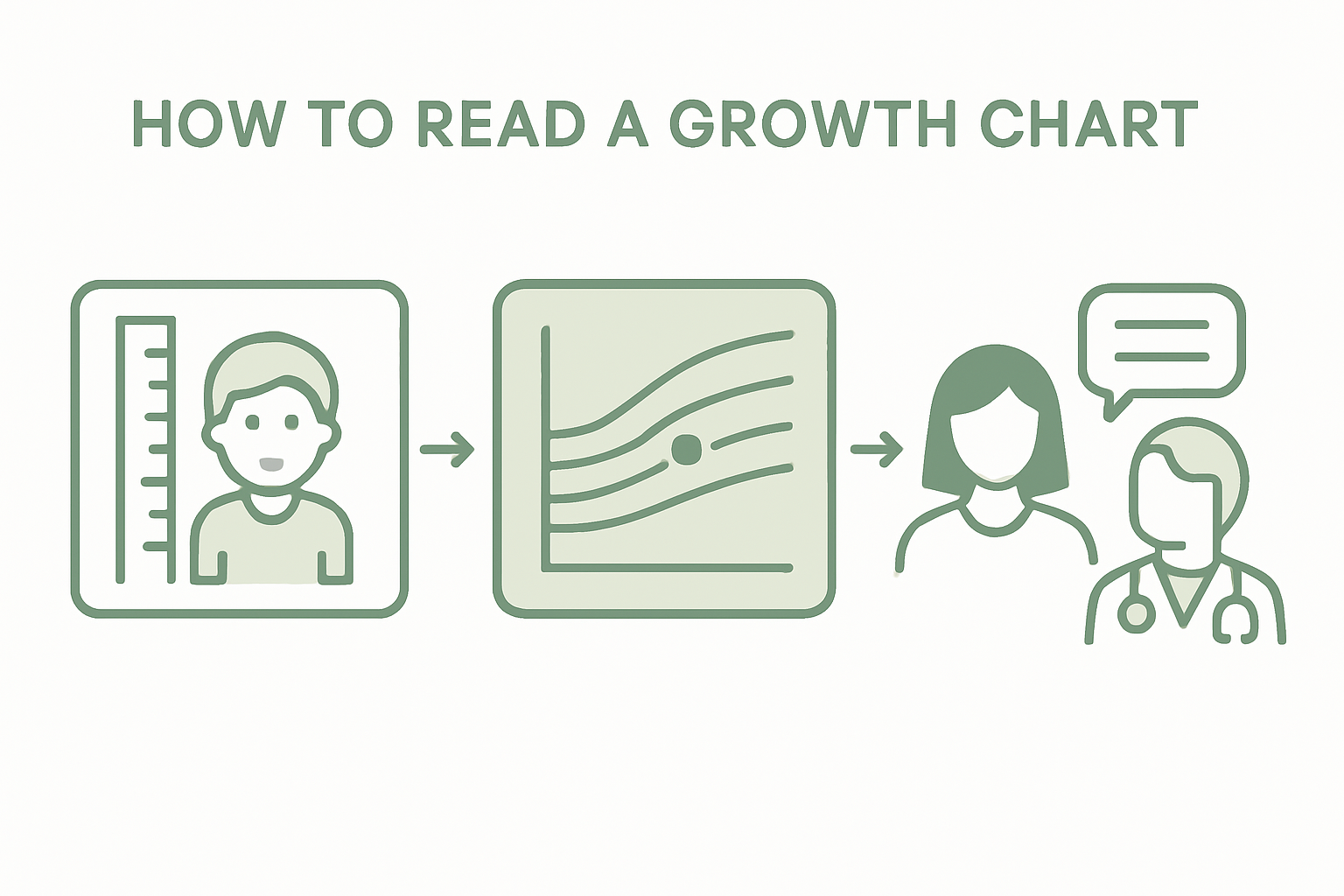
Para utilizar una tabla de crecimiento de manera efectiva, mida regularmente la altura, el peso y la circunferencia de la cabeza de su hijo y luego trace estas medidas en la tabla para ver cómo se comparan con las normas de la población a lo largo del tiempo.
¿Qué medidas se incluyen normalmente en una tabla de crecimiento?
Las tablas de crecimiento generalmente incluyen medidas de altura/longitud, peso y circunferencia de la cabeza, que brindan información clave sobre la salud general y el progreso del desarrollo de un niño.
¿Por qué es importante que los padres entiendan las tablas de crecimiento?
Comprender las tablas de crecimiento permite a los padres monitorear los patrones de crecimiento de sus hijos, identificar posibles problemas de salud de manera temprana y participar en discusiones informadas con los pediatras sobre los hitos del desarrollo.