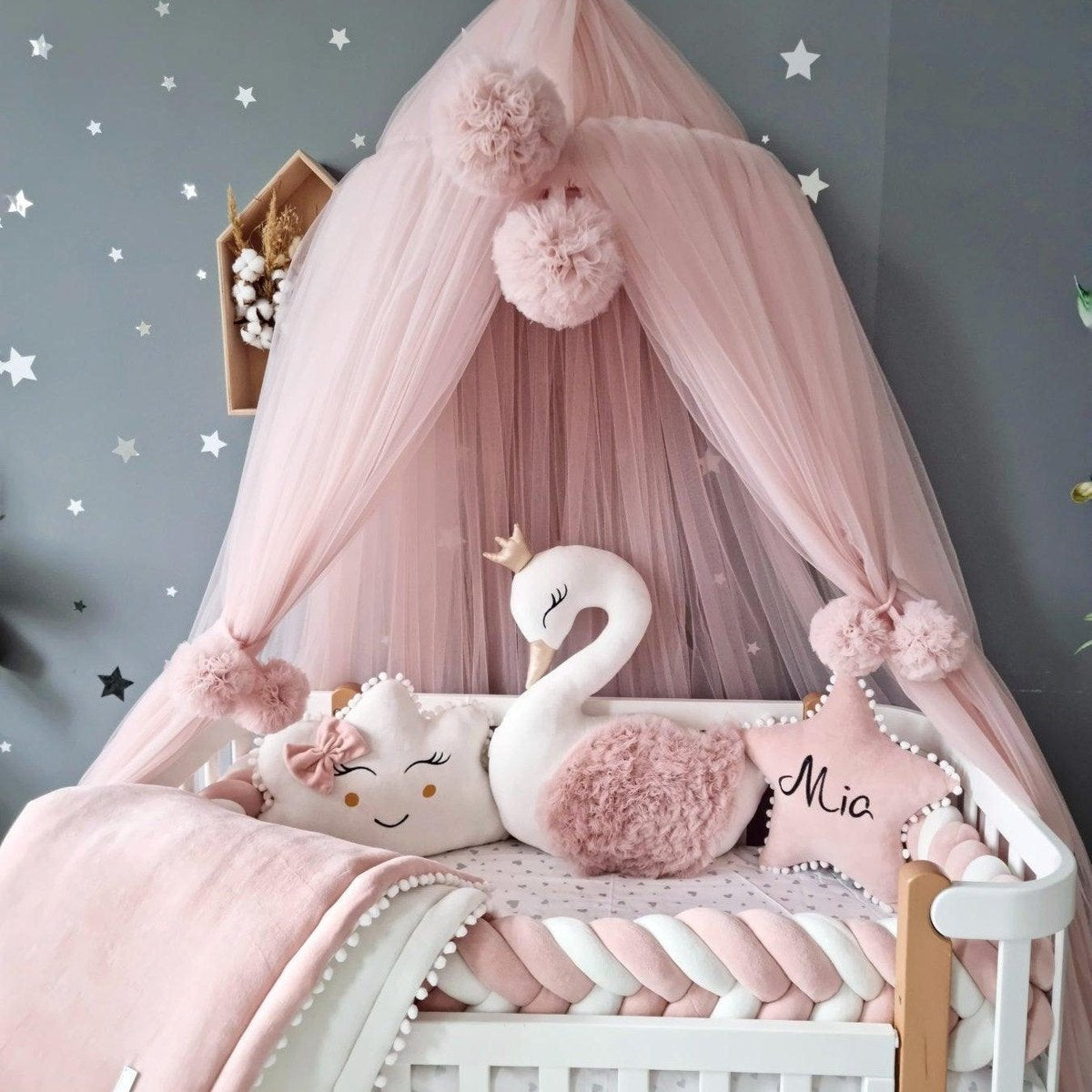
Todos los padres se enfrentan al reto de encajar grandes sueños para su recién nacido en una guardería pequeña. Crear una distribución funcional es importante porque un diseño inteligente apoya el crecimiento de tu bebé a la vez que facilita las rutinas diarias. Desde organizar con soluciones de almacenamiento inteligentes hasta elegir muebles multiusos, esta guía te ayuda a transformar un espacio limitado en un santuario seguro y hermoso que se sienta personal y acogedor para tu familia.
Tabla de contenidos
- Paso 1: Evalúa el tamaño y la distribución de la habitación
- Paso 2: Selecciona muebles que ahorren espacio
- Paso 3: Maximiza el almacenamiento con soluciones inteligentes
- Paso 4: Incorpora decoración multifuncional
- Paso 5: Personaliza con toques artesanales
- Paso 6: Revisa y optimiza las características de seguridad
Resumen rápido
| Mensaje clave | Explicación |
|---|---|
| 1. Evalúa primero las dimensiones de la habitación | Mide el espacio de la guardería con precisión para planificar la ubicación de los muebles y la distribución. Crea caminos despejados para facilitar el movimiento. |
| 2. Elige muebles multifuncionales | Opta por artículos como cunas convertibles y mesas nido para maximizar la utilidad y minimizar el desorden en espacios limitados. |
| 3. Implementa soluciones de almacenamiento vertical | Utiliza estantes montados en la pared y organizadores sobre la puerta para optimizar el almacenamiento y mantener los artículos esenciales accesibles y organizados. |
| 4. Personaliza con decoración artesanal | Incorpora elementos hechos a mano y toques personalizados que reflejen la historia de tu familia, aumentando el valor emocional de la guardería. |
| 5. Revisa regularmente las características de seguridad | Realiza controles de seguridad constantemente para eliminar peligros, como asegurar los muebles y garantizar tratamientos de ventana seguros a medida que tu bebé crece. |
Paso 1: Evalúa el tamaño y la distribución de la habitación
Planificar tu guardería comienza entendiendo el espacio físico del que dispones. Las medidas precisas son tu primera tarea crítica al diseñar una habitación funcional y cómoda para tu recién nacido. Las estrategias de distribución de habitaciones hacen hincapié en la creación de entornos seguros y con propósito que apoyen el desarrollo de tu bebé.
Empieza tomando una cinta métrica y dibujando un plano básico. Mide las dimensiones totales de la habitación de pared a pared, incluyendo la ubicación de ventanas y puertas. Toma nota de los enchufes eléctricos, radiadores, rejillas de ventilación y cualquier elemento arquitectónico que pueda afectar la colocación de los muebles. Intenta crear caminos despejados alrededor de áreas clave como la cuna, el cambiador y la mecedora para garantizar un movimiento fluido durante las tomas nocturnas y los cambios de pañal.
Considera los patrones de luz natural de la habitación y las variaciones de temperatura a lo largo del día. Coloca la cuna lejos de la luz solar directa o de ventanas con corrientes de aire para mantener un entorno cómodo y constante. El diseño de espacios para la primera infancia destaca la importancia de la organización espacial intencional que favorece el crecimiento cognitivo y emocional.
Consejo profesional: Usa cinta de pintor para marcar la posible colocación de los muebles en el suelo antes de mover objetos pesados, para visualizar la distribución final y asegurar un aprovechamiento óptimo del espacio.
Paso 2: Selecciona muebles que ahorren espacio
Seleccionar los muebles adecuados se vuelve crítico cuando se trabaja con metros cuadrados limitados en la guardería. Tu objetivo es maximizar la funcionalidad mientras minimizas el desorden y mantienes un ambiente cómodo para tu bebé. Las soluciones de almacenamiento inteligentes pueden transformar incluso las habitaciones más pequeñas en espacios habitables eficientes.
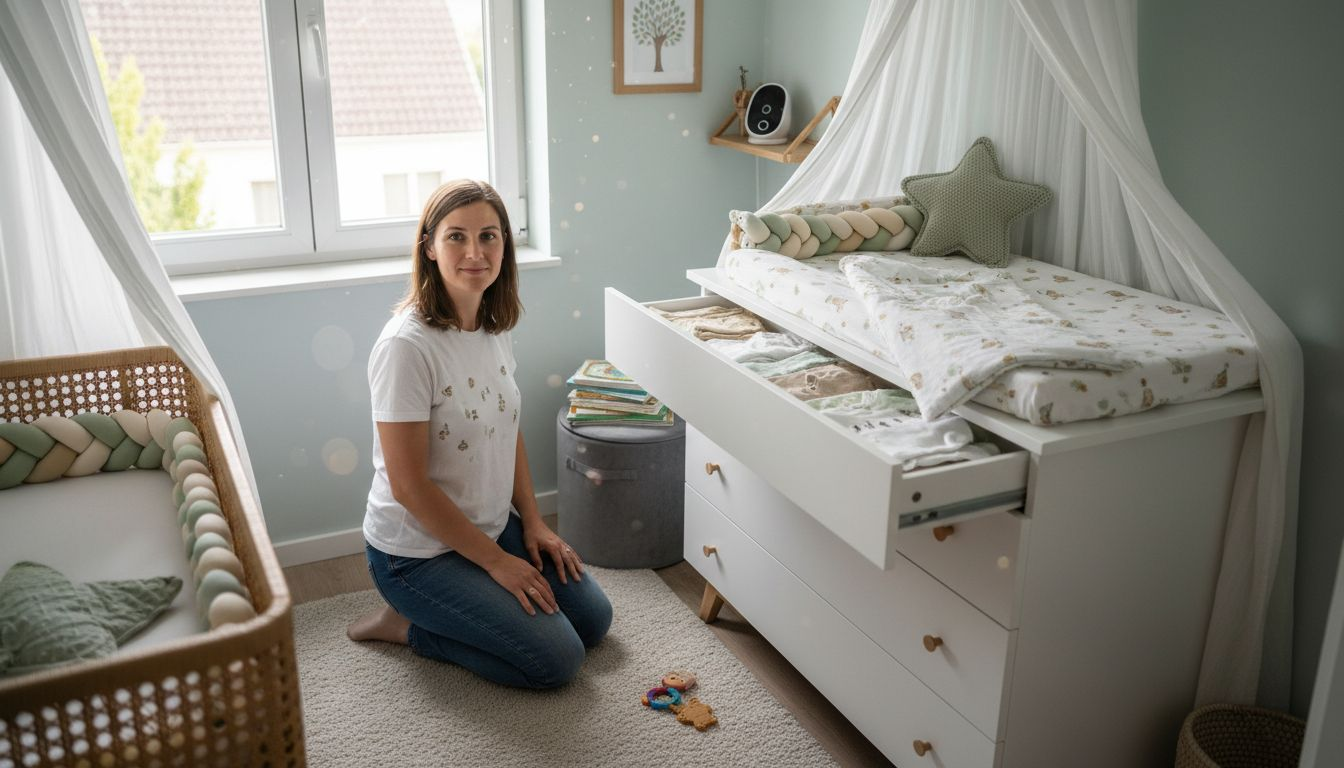
Prioriza los muebles multiusos que cumplan varias funciones y crezcan con tu hijo. Considera una cuna convertible que se transforme en una cama para niños pequeños, eliminando la necesidad de múltiples compras a lo largo del tiempo. Busca cambiadores con cajones o estantes integrados debajo, y opta por cunas con compartimentos de almacenamiento integrados. Las estanterías montadas en la pared y las opciones de almacenamiento vertical pueden aumentar drásticamente el espacio disponible sin consumir valiosa superficie de suelo. Las estrategias de entornos compactos hacen hincapié en utilizar cada centímetro de forma creativa e inteligente.
Al seleccionar los muebles, mide cuidadosamente y crea un plano a escala antes de comprar. Prioriza los artículos de perfil delgado con líneas limpias que puedan reposicionarse o encajarse fácilmente cuando no se usen. Las piezas ligeras con ruedas ofrecen flexibilidad adicional para reorganizar tu guardería a medida que el bebé crece y tus necesidades cambian.
Consejo profesional: Invierte en muebles con paletas de colores neutros y diseños modulares para garantizar la máxima adaptabilidad y longevidad en la distribución de tu guardería.
Aquí tienes una comparación rápida de muebles de guardería que ahorran espacio y sus principales ventajas:
| Tipo de mueble | Ventaja principal | Adaptabilidad |
|---|---|---|
| Cuna convertible | Crece con tu hijo | Conversión en cama para niño pequeño |
| Cómoda con cambiador | Combina almacenamiento y cambio | Uso posterior como cómoda |
| Estantes montados en pared | Ahorra espacio en el suelo | Ubicación ajustable |
| Carrito de almacenamiento con ruedas | Organización portátil | Se mueve según se necesite |
| Mesas nido | Superficie flexible | Fácil de reconfigurar |
Paso 3: Maximiza el almacenamiento con soluciones inteligentes
Crear una guardería organizada requiere un pensamiento estratégico y enfoques de almacenamiento innovadores que transformen el espacio limitado en áreas de vida eficientes. Las técnicas de gestión de guarderías enfatizan la planificación sistemática para optimizar cada centímetro cuadrado disponible mientras se mantienen los artículos esenciales para el bebé accesibles y perfectamente organizados.
Comienza invirtiendo en soluciones de almacenamiento vertical que atraigan la mirada hacia arriba y liberen un valioso espacio en el suelo. Los estantes montados en la pared con alturas ajustables te permiten reconfigurar el almacenamiento a medida que tu bebé crece. Considera estantes flotantes cerca del cambiador para pañales, toallitas y cremas. Los organizadores sobre la puerta pueden contener artículos adicionales como mantas, ropa de cama extra y accesorios pequeños. Las estrategias de gestión eficiente del espacio recomiendan utilizar sistemas de almacenamiento modular que se adapten a las necesidades cambiantes y maximicen el potencial organizativo.
Utiliza contenedores de almacenamiento transparentes con etiquetas para crear un inventario visual de los suministros de tu bebé. Agrupa los artículos por categorías como suministros de alimentación, necesidades médicas y tallas de ropa. Selecciona contenedores de almacenamiento con tapas herméticas para proteger los artículos del polvo y la humedad. Los carritos con ruedas y múltiples niveles ofrecen un almacenamiento flexible que puede moverse fácilmente por la guardería según sea necesario.
Consejo profesional: Invierte en soluciones de almacenamiento con colores neutros y diseños limpios para mantener una estética coherente mientras mantienes tu guardería funcional y organizada.
Paso 4: Incorpora decoración multifuncional
Transformar una guardería pequeña en un espacio versátil y atractivo requiere pensamiento creativo y elecciones de diseño estratégicas. El diseño de espacios multifuncionales ofrece soluciones innovadoras que maximizan tanto la utilidad como el atractivo estético en áreas limitadas.
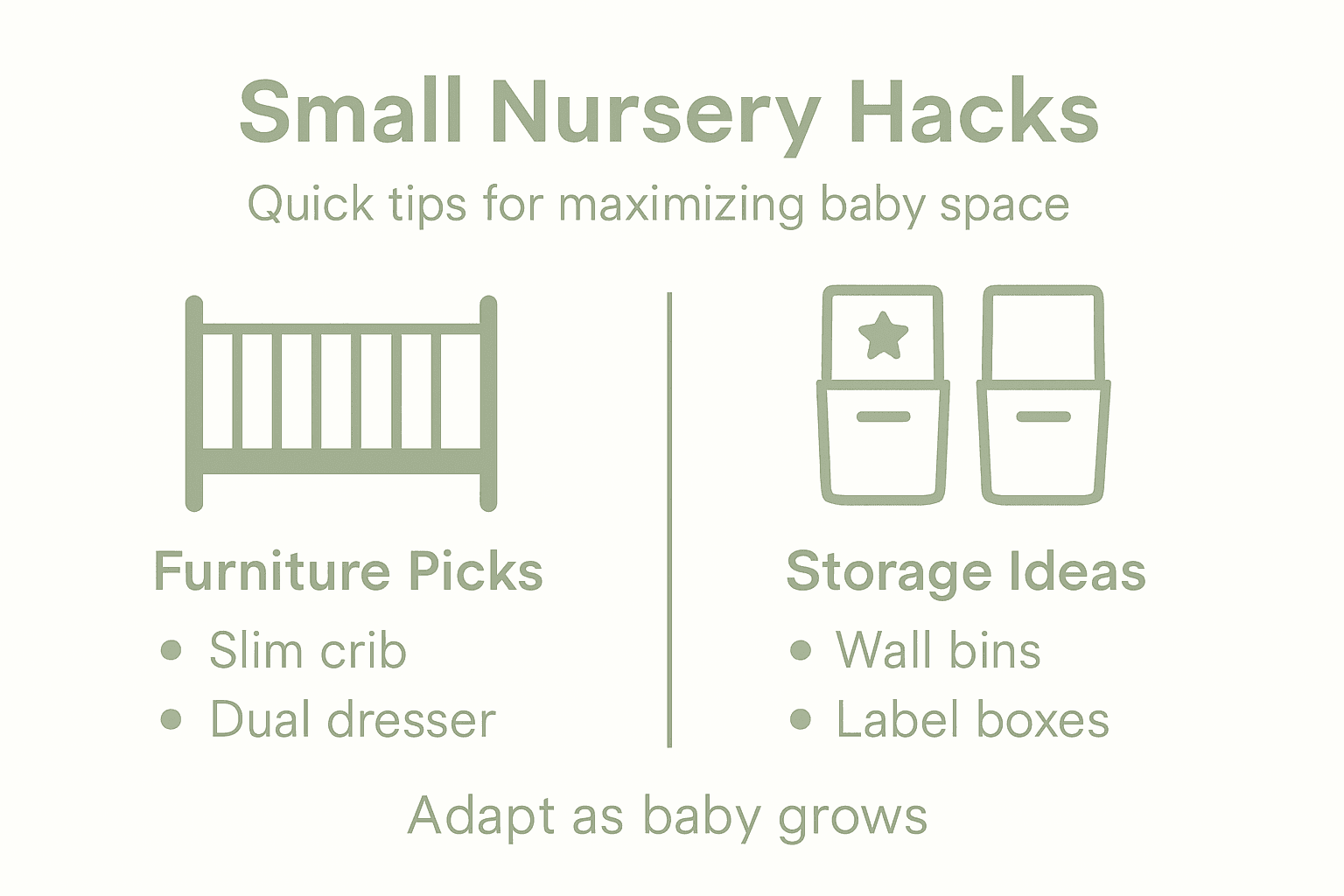
Considera muebles y elementos de decoración que sirvan para varios propósitos más allá de su función inicial. Un otomano resistente con almacenamiento interno puede servir como asiento y lugar para guardar mantas adicionales. Los estantes montados en la pared con obras de arte integradas crean interés visual a la vez que proporcionan soluciones de almacenamiento prácticas. Los vinilos decorativos de pared extraíbles que también funcionan como herramientas educativas pueden transformar paredes lisas en espacios de aprendizaje interactivos. Las estrategias de diseño centrado en el niño enfatizan la creación de entornos que apoyen las necesidades de desarrollo a través de elementos reflexivos y adaptables.
Elige esquemas de color y textiles que puedan hacer la transición fácilmente a medida que tu hijo crece. Los colores base neutros con piezas de acento intercambiables permiten actualizaciones rápidas de la habitación sin rediseños completos. Selecciona sistemas de muebles modulares que puedan reconfigurarse a medida que tu bebé se convierta en un niño pequeño y eventualmente en un niño en edad escolar. Invierte en piezas convertibles como cunas que se transformen en camas para niños pequeños o cambiadores que más tarde puedan convertirse en cómodas estándar.
Consejo profesional: Selecciona elementos decorativos que puedan crecer y adaptarse con tu hijo para maximizar tu inversión y mantener un diseño de guardería coherente.
Paso 5: Personaliza con toques artesanales
Añadir elementos personalizados a tu guardería transforma una habitación sencilla en un santuario significativo que cuenta la historia única de tu familia. Las prácticas artesanales en guarderías enfatizan la importancia de elaborar espacios que reflejen un cuidado genuino y una personalidad individual.
Empieza incorporando elementos hechos a mano (DIY) que muestren tu creatividad y conexión con tu bebé. Pancartas con el nombre bordado a mano, tapices de pared personalizados o letras de madera pintadas que deletreen el nombre de tu hijo pueden crear puntos focales que son a la vez decorativos y profundamente personales. Considera crear tableros de recuerdos con fotos de ecografías, imágenes familiares o notas escritas a mano que se convertirán en preciados recuerdos. La decoración artesanal única ofrece oportunidades para apoyar a los artesanos locales mientras añades toques distintivos que los artículos producidos en masa no pueden replicar.
Piensa más allá de las decoraciones tradicionales y explora textiles personalizados como mantas tejidas a mano, sábanas de cuna bordadas a medida o juguetes blandos creados con amor. Involucra a los miembros de la familia en la creación de piezas especiales que puedan convertirse en tesoros generacionales. Fotografía tu proceso creativo para crear un hermoso libro de recuerdos que documente cómo preparaste este espacio especial para el nuevo miembro de tu familia.
Consejo profesional: Elige elementos artesanales en paletas de colores neutros o coordinados para asegurar que se integren a la perfección en el diseño general de tu guardería.
Paso 6: Revisa y optimiza las características de seguridad
Garantizar un entorno seguro en la guardería requiere una atención cuidadosa a los peligros potenciales y a las medidas preventivas que protegen al miembro más vulnerable de tu familia. Las guías de seguridad para el cuidado infantil proporcionan información crítica para crear espacios seguros que apoyen el bienestar de tu bebé.
Realiza una auditoría de seguridad integral de tu guardería examinando sistemáticamente cada elemento, del suelo al techo. Comprueba que los enchufes eléctricos estén cubiertos con tapas a prueba de niños, asegura los muebles a las paredes para evitar que se vuelquen y asegúrate de que los cordones de las persianas estén fuera de alcance. Verifica que las cunas cumplan con las normas de seguridad vigentes con una separación entre barrotes no mayor a seis centímetros, y que los colchones encajen perfectamente sin huecos. Instala puertas de seguridad en las entradas de las habitaciones y escaleras, y retira cualquier objeto pequeño que pueda suponer un riesgo de asfixia. Los recursos de seguridad en parques infantiles recomiendan mantener caminos despejados y eliminar los peligros potenciales que puedan causar lesiones accidentales.
Actualiza regularmente tus protocolos de seguridad a medida que tu bebé se vuelva más móvil. Instala protectores de esquinas blandos en muebles con bordes afilados, utiliza tratamientos de ventana inalámbricos y mantén un entorno libre de desorden que permita una exploración segura. Considera realizar un curso de RCP y primeros auxilios para bebés para prepararte ante posibles emergencias y sentirte más seguro en tu capacidad para reaccionar de forma rápida y eficaz.
Consejo profesional: Crea una lista de verificación de seguridad mensual para revisar y actualizar constantemente las características de seguridad de tu guardería a medida que tu bebé crece y se vuelve más activo.
A continuación se presentan los riesgos de seguridad comunes en la guardería y las soluciones correspondientes para una referencia rápida:
| Peligro potencial | Solución recomendada | Ventaja adicional |
|---|---|---|
| Enchufes eléctricos expuestos | Usa protectores de enchufes a prueba de niños | Previene descargas eléctricas |
| Muebles que se vuelcan | Anclarlos a la pared | Aumenta la estabilidad |
| Cordones de persianas | Instala tratamientos inalámbricos | Reduce el riesgo de estrangulamiento |
| Esquinas de muebles afiladas | Añade protectores de bordes suaves | Minimiza lesiones |
| Objetos pequeños sueltos | Almacenar fuera del alcance del bebé | Previene riesgo de asfixia |
Crea una guardería acogedora y espaciosa con esenciales artesanales
Decorar un espacio de guardería pequeño puede parecer abrumador mientras te esfuerzas por equilibrar comodidad, seguridad y estilo sin abarrotar. El artículo destaca desafíos como maximizar los metros cuadrados limitados, elegir muebles multifuncionales e incorporar soluciones de almacenamiento inteligentes, todo mientras se crea un entorno nutritivo para tu bebé. Con objetivos como optimizar la distribución e integrar decoración adaptable, los padres necesitan productos fiables que apoyen estas prioridades.
En Kari Studio entendemos estas necesidades profundamente. Nuestros nidos para bebés hechos a mano ofrecen espacios suaves y acogedores, perfectamente dimensionados para guarderías pequeñas que mantienen a tu recién nacido cómodo sin ocupar demasiado espacio. Combínalos con nuestros juegos de protectores de cuna hechos a mano para niños, diseñados para proteger y añadir encanto sin añadir volumen. Cada pieza está elaborada con tejidos hipoalergénicos que priorizan la seguridad y comodidad de tu hijo, permitiendo la personalización para complementar el estilo de tu guardería.
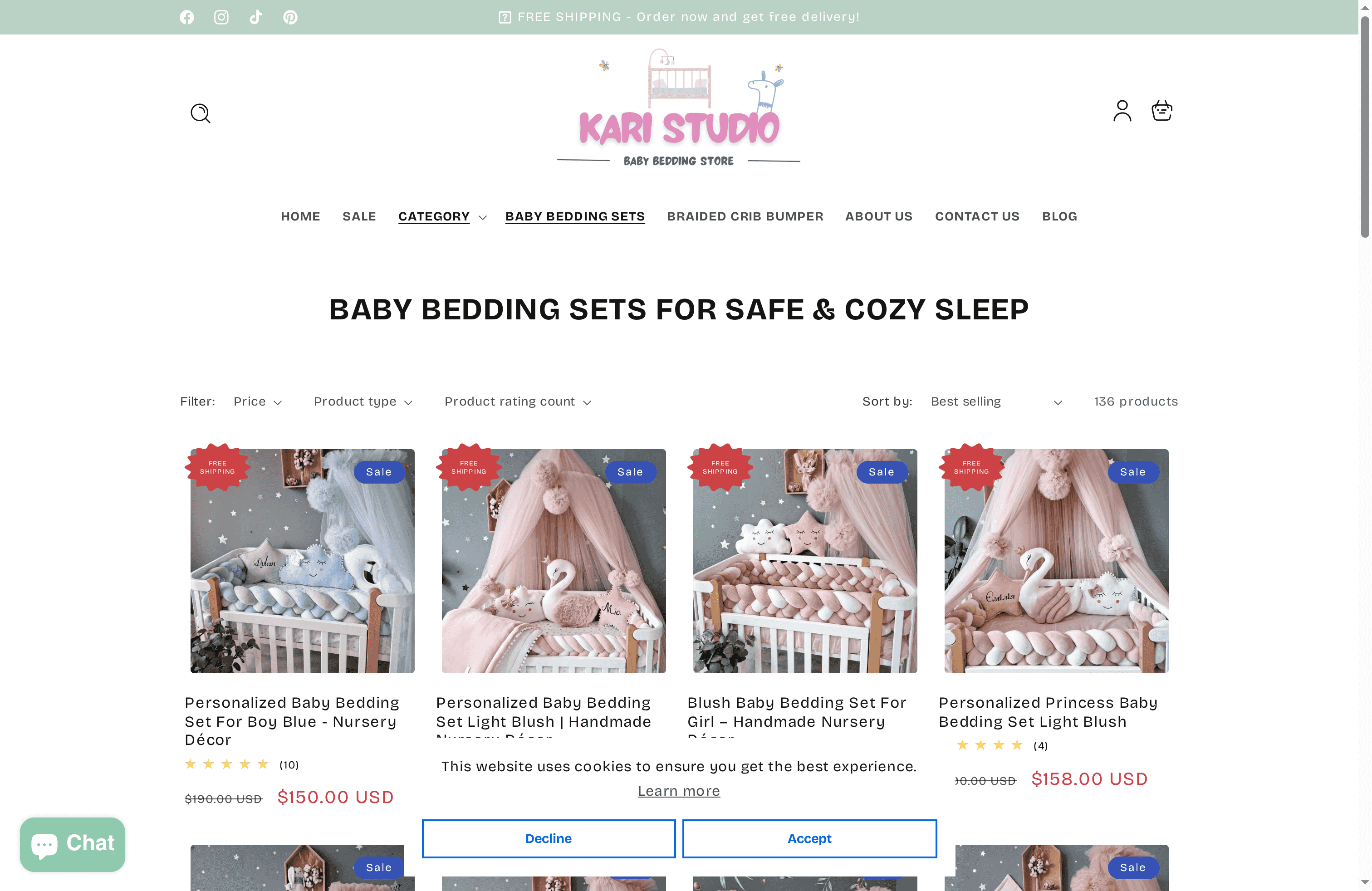
¿Estás listo para transformar tu pequeña guardería en un refugio seguro y hermoso que crezca con tu hijo? El momento de empezar es ahora. Explora nuestra colección completa de juegos de ropa de cama para bebés de primera calidad en Kari Studio y descubre cómo la calidad artesanal puede redefinir tu espacio sin concesiones. Compra hoy para crear una guardería personalizada que se sienta perfecta.
Preguntas frecuentes
¿Cómo puedo evaluar de forma óptima el tamaño y la distribución de mi guardería pequeña?
Para evaluar eficazmente el tamaño y la distribución, empieza midiendo las dimensiones de la habitación, anotando la colocación de puertas, ventanas y enchufes. Dibuja un plano sencillo para visualizar la disposición de los muebles y asegurar caminos despejados alrededor de áreas esenciales como la cuna y el cambiador.
¿Qué tipo de muebles que ahorren espacio debería usar en una guardería pequeña?
Prioriza muebles multiusos que maximicen la funcionalidad, como una cuna convertible que se transforme en cama para niños pequeños. Busca artículos como un cambiador con almacenamiento integrado o carritos ligeros con ruedas que puedan moverse fácilmente por la guardería.
¿Cómo puedo crear soluciones de almacenamiento efectivas en un espacio limitado de guardería?
Invierte en opciones de almacenamiento vertical como estantes montados en la pared para liberar espacio en el suelo. Utiliza contenedores transparentes con etiquetas para mantener los suministros del bebé organizados, agrupándolos por categorías para un fácil acceso mientras mantienes un entorno ordenado.
¿Qué ideas hay para incorporar decoración multifuncional en una guardería pequeña?
Elige decoración que cumpla una doble función, como un otomano con almacenamiento oculto o vinilos de pared extraíbles que ofrezcan valor educativo. Busca diseños que sean adaptables y puedan crecer con tu hijo para asegurar la longevidad en el tema de tu guardería.
¿Cómo puedo personalizar la decoración de mi guardería pequeña sin saturar el espacio?
Incorpore toques hechos a mano, como carteles con nombres personalizados o tableros de recuerdos que reflejen la historia de su familia, manteniendo diseños sencillos. Opte por paletas de colores neutros que permitan que estos elementos personales realcen la estética de la habitación en lugar de abarrotarla.
¿Qué medidas de seguridad debo priorizar al decorar una guardería pequeña?
Concéntrese en asegurar los muebles a las paredes para evitar vuelcos y utilice protectores de enchufes a prueba de niños para minimizar riesgos. Realice comprobaciones de seguridad periódicamente y actualice las medidas a medida que su bebé crezca, garantizando un espacio seguro para explorar.
Recomendado
- 7 ideas inspiradoras de distribución para una habitación de bebé acogedora
- 7 consejos esenciales para un diseño de guardería minimalista – KariStudio
- 10 ideas de decoración de guardería para un espacio de bebé acogedor – KariStudio
- 7 consejos inteligentes de organización del armario de la guardería para padres