Introducción
Pocos productos para bebés generan tanto debate como los cojines tipo nido diseñados para lactantes. A primera vista, parecen un regalo del cielo: soporte manos libres para la alimentación, zonas seguras para el descanso supervisado y una comodidad acogedora durante los momentos de vigilia. Pero, bajo esa apariencia atractiva, existe una tensión crítica entre la conveniencia y la seguridad. Comprender este equilibrio es esencial para los padres que buscan tanto tranquilidad como una crianza responsable.
En los últimos años, organizaciones expertas han hecho sonar las alarmas sobre el mal uso de estos productos, principalmente por el riesgo de asfixia, atrapamiento y caídas cuando los bebés se quedan dormidos o sin supervisión. Un estudio de Consumer Reports reveló al menos 79 muertes de lactantes y 124 lesiones entre 2010 y 2022 vinculadas a los cojines de apoyo para bebés, lo que impulsó la introducción de normas de seguridad obligatorias para futuros diseños.
Al mismo tiempo, los pediatras y fuentes médicas fiables afirman que estos soportes suaves pueden desempeñar un papel útil, por ejemplo, durante el tiempo boca abajo, el descanso supervisado o las sesiones de alimentación, *si se usan correctamente*. Verywell Family subraya que, cuando el bebé está despierto y bajo estrecha vigilancia, estos productos pueden ofrecer una ayuda práctica, siempre que se coloquen sobre una superficie firme, nunca se utilicen para dormir sin supervisión y se elijan con una confección transpirable.
Cerrar esta brecha entre conveniencia y precaución requiere una orientación informada, que es precisamente lo que este artículo pretende ofrecer. Exploraremos cómo los cuidadores pueden incorporar de forma segura estas tumbonas en las rutinas diarias sin comprometer la seguridad al dormir, examinaremos las implicaciones de las nuevas normas reglamentarias introducidas en 2025 y destacaremos las características y prácticas de uso que se alinean con las recomendaciones de los expertos.
Para empezar, esta introducción prepara el terreno: estos cojines no son inherentemente peligrosos, pero tampoco están exentos de riesgos. Equilibrar sus beneficios prácticos con precauciones basadas en evidencia es la clave para usarlos con sabiduría durante los primeros meses de su bebé.
Nuevas normas de seguridad e impactos en el mundo real
Tras la introducción de las normas reglamentarias actualizadas en 2025, las reformas de seguridad han redefinido las expectativas en torno a los productos para bebés. Una nueva norma federal obligatoria entró en vigor para los cojines de apoyo para bebés, incluidos los que se utilizan habitualmente para descansar, con el objetivo principal de reducir los riesgos de asfixia, atrapamiento y caídas. Esta normativa exige pruebas de firmeza y de ángulo de las paredes laterales, limita el ángulo de inclinación a un máximo de 10 grados, prohíbe cualquier forma de sujeción para bebés y exige etiquetas de advertencia con un lenguaje contundente en el propio producto. Los productos fabricados después del 5 de mayo de 2025 deben cumplir con estos requisitos e incluir una indicación clara de que no están destinados para dormir prnewswire.com.
En la práctica, estas normas ya están influyendo en el comportamiento del mercado. Por ejemplo, Snuggle Me anunció que su popular tumbona para bebés será retirada del mercado estadounidense en respuesta a la nueva normativa, y su inventario se está agotando rápidamente people.com. Esto ilustra cómo el cumplimiento no solo afecta a la fabricación, sino que también impulsa las decisiones sobre el ciclo de vida del producto y su disponibilidad para los consumidores.
Comparación de criterios anteriores y posteriores a la normativa
Comprender cómo difieren estas directrices en términos prácticos ayuda a los cuidadores a tomar decisiones más seguras al evaluar las opciones de descanso. La siguiente tabla compara los atributos clave antes y después de la implementación de la norma de 2025:
| Característica | Cojines de apoyo para bebés anteriores a 2025 | Norma posterior al 5 de mayo de 2025 |
|---|---|---|
| Firmeza | A menudo blandos, contorneados o afelpados | Firmeza requerida en toda la superficie de contacto |
| Ángulo de inclinación | Variable, a veces pronunciado o ajustable | No debe superar los 10° como máximo |
| Sujeciones | A veces incluidas (ej. correas o arneses) | Prohibidas: para no dar una falsa sensación de seguridad sin vigilancia |
| Etiquetas de advertencia | A menudo mínimas, confusas o ausentes | Prominentes, permanentes y con lenguaje enérgico |
Aplicación en el mundo real y orientación para cuidadores
Estos cambios reglamentarios ofrecen información práctica tanto para los fabricantes como para las familias. Las marcas ahora deben diseñar productos tipo tumbona con superficies más rígidas, advertencias visibles y una geometría más sencilla para ajustarse a los requisitos de seguridad. Mientras tanto, los cuidadores deben comprobar siempre la fecha de fabricación (solo las tumbonas fabricadas después del 5 de mayo de 2025 cumplen legalmente con la norma) y utilizarlas estrictamente para interacciones bajo supervisión mientras el bebé está despierto.
De cara al futuro, es probable que estas normas mejoren la seguridad general, especialmente en la primera infancia, cuando los riesgos relacionados con el sueño son mayores. Al mismo tiempo, el mercado se está ajustando: algunos modelos queridos están siendo descontinuados y reemplazados por alternativas nuevas y conformes a la norma. Esto subraya la importancia de mantenerse informado y elegir productos que se alineen tanto con las regulaciones como con el consejo de los expertos.
Características a considerar al elegir una tumbona para bebés
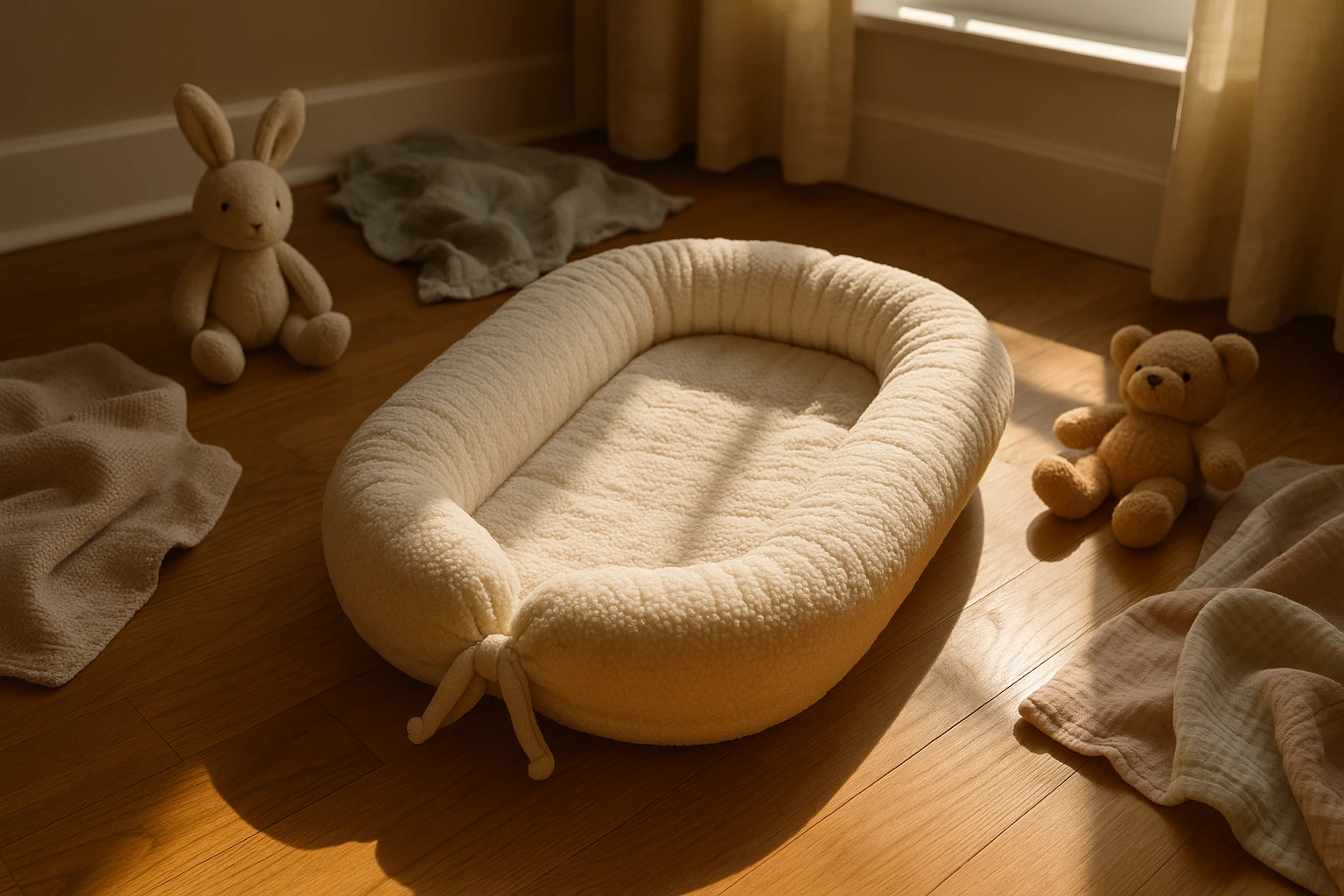
Al seleccionar una tumbona para bebés, los padres deben prestar atención a varias características fundamentales que mejoran tanto la seguridad como la comodidad. Uno de los aspectos clave a evaluar es el diseño ergonómico. Una tumbona bien diseñada sostiene la postura natural del bebé, promoviendo una alineación espinal saludable. Además, el material utilizado en la fabricación desempeña un papel importante para garantizar la comodidad del bebé. Opte por tejidos transpirables que sean suaves con la piel del bebé, como el algodón o materiales hipoalergénicos.
La seguridad es primordial, y una característica importante que debe buscar es un sistema de arnés seguro. Esto garantiza que el bebé esté acomodado de forma segura, reduciendo el riesgo de caídas. Además, una base antideslizante puede proporcionar estabilidad adicional, lo cual es vital si la tumbona se coloca sobre superficies lisas. Los padres también deben considerar la facilidad de limpieza. Las fundas extraíbles y lavables a máquina son increíblemente prácticas, lo que hace que el mantenimiento sea menos tedioso. Para obtener información basada en la experiencia, muchos padres recurren a reseñas y foros de crianza para obtener recomendaciones de productos.
Beneficios de las tumbonas multifuncionales
Las tumbonas para bebés multifuncionales ofrecen un valor añadido al servir para múltiples propósitos. Algunos diseños se transforman en asientos para lactantes o incluso en camas portátiles, proporcionando un uso prolongado a medida que el niño crece. Por ejemplo, los productos con ajustes regulables pueden crecer con el bebé, pasando de una posición reclinada a un asiento erguido. Esta adaptabilidad ayuda a maximizar la inversión, ya que la tumbona se adapta a las diferentes etapas del desarrollo.
Además, la portabilidad es una característica crucial, especialmente para las familias que viajan con frecuencia. Las tumbonas ligeras y plegables son fáciles de transportar y montar, proporcionando una comodidad familiar para los bebés en entornos desconocidos. El acceso a este tipo de funciones puede mejorar significativamente la comodidad de los padres cuando están fuera de casa, simplificando las transiciones y reduciendo el estrés.
Según un estudio del Pediatric Sleep Council, los bebés se benefician de entornos de sueño consistentes, algo que las tumbonas multifuncionales pueden ayudar a crear. Esta continuidad es vital para establecer patrones de sueño saludables.
Entender la importancia de las certificaciones
Al comprar una tumbona para bebés, también es crucial asegurarse de que cumple con las certificaciones de seguridad. Los productos aprobados por normas de seguridad reconocidas, como ASTM o CPSC, proporcionan una mayor tranquilidad. Estas certificaciones indican que la tumbona ha sido sometida a pruebas rigurosas para cumplir con los estándares de seguridad. Por ello, se recomienda a los padres verificar estos detalles antes de comprar, ya que ayuda a evitar posibles riesgos de seguridad.
Además, algunas tumbonas incorporan funciones avanzadas, como sistemas de sonido integrados que reproducen melodías relajantes o ruido blanco. Aunque esto puede añadir comodidad, es aconsejable revisar los comentarios de los usuarios para evaluar su eficacia para calmar y tranquilizar al bebé.
En conclusión, seleccionar la tumbona adecuada para el bebé implica equilibrar características que satisfagan la seguridad, la comodidad y la conveniencia. Los padres deben evaluar meticulosamente estos atributos para asegurarse de elegir un producto que complemente su estilo de vida y satisfaga las necesidades de su bebé.
Orientación sobre el uso seguro y las normativas en evolución
A medida que pasamos de evaluar la comodidad y la funcionalidad a comprender la seguridad y el cumplimiento legal, es importante prestar atención a la evolución de las normativas y la orientación de los expertos. Los acontecimientos recientes han remodelado significativamente lo que los padres deben saber sobre las tumbonas.
Nuevas normas reglamentarias
En octubre de 2024, la Comisión de Seguridad de Productos de Consumo de EE. UU. finalizó normas de seguridad estrictas para los cojines de apoyo para bebés, comúnmente denominados tumbonas. Estas normas, efectivas a partir del 5 de mayo de 2025, exigen superficies firmes y planas, prohíben las sujeciones y requieren etiquetas de advertencia explícitas que indiquen que estos productos no son seguros para dormir yahoo.com. Por ejemplo, los productos fabricados antes de esa fecha pueden carecer de características de seguridad esenciales, como la firmeza adecuada o las etiquetas de advertencia, lo que los hace inseguros incluso si parecen estar bien hechos. Una opción ampliamente utilizada, como Snuggle Me, ya ha sido retirada del mercado estadounidense en respuesta a estos cambios people.com.
Comprender los riesgos
Incluso cuando se utilizan según lo previsto, los bebés en las tumbonas corren un mayor riesgo de asfixia, atrapamiento y caídas, especialmente cuando se dejan sin supervisión o se les permite dormir en el dispositivo. Entre 2010 y 2022, la CPSC vinculó al menos 79 muertes de lactantes y más de 120 lesiones a tumbonas y productos similares yahoo.com. Los expertos recuerdan constantemente a los padres que las tumbonas solo deben usarse para actividades bajo supervisión mientras el bebé está despierto y nunca como superficies para dormir, ni siquiera para una siesta breve, según verywellfamily.com.
Pasos prácticos para los cuidadores
- Verifique siempre la fecha de fabricación. Solo las tumbonas producidas después del 5 de mayo de 2025 deben cumplir con las normas de seguridad actualizadas. En caso de duda, es más seguro optar por otro producto yahoo.com.
- Traslade a su bebé inmediatamente a una cuna o moisés si se queda dormido en la tumbona. Incluso dormir brevemente en una tumbona puede aumentar drásticamente el riesgo webmd.com.
- Nunca coloque una tumbona en superficies elevadas como sofás o camas, donde podría ocurrir una caída inesperada, según verywellfamily.com.
Esta orientación subraya por qué estar informado y ser precavido no se trata de miedo, sino de seguridad proactiva. Los cuidadores aún pueden beneficiarse de estos productos cuando se usan de manera adecuada, pero el conocimiento de las últimas normativas y factores de riesgo es esencial para garantizar el bienestar de los más pequeños.

Conclusión
El proceso de elegir la tumbona para bebés adecuada es una tarea que requiere reflexión y cuidado. Al involucrarse con las características, las directrices de seguridad y los casos de uso discutidos a lo largo de este artículo, los padres pueden tomar decisiones informadas que se adapten mejor a las necesidades de su familia. Una tumbona para bebés bien elegida no solo ofrece comodidad, sino que también mejora las oportunidades de desarrollo e interacción.
Al evaluar las opciones, es crucial priorizar las normas de seguridad y la calidad del material. Elegir tumbonas fabricadas con tejidos transpirables y con certificaciones como la de la Comisión de Seguridad de Productos de Consumo (CPSC) puede reducir significativamente los riesgos. Leer las reseñas de los clientes y comparar la fiabilidad de las marcas también puede brindar tranquilidad. Según Parents.com, mantener la seguridad como prioridad al elegir artículos para bebés es fundamental.
Además, considere la versatilidad y la portabilidad de la tumbona. Los diseños ligeros con características de transporte prácticas pueden transformar las experiencias cotidianas, especialmente para las familias que viajan con frecuencia o disfrutan de actividades al aire libre. Esta flexibilidad garantiza que la tumbona sirva para algo más que un lugar de descanso; se convierte en un componente valioso de la crianza que se adapta a diversos estilos de vida.
En última instancia, la elección correcta brinda tranquilidad al saber que su hijo se encuentra en un entorno seguro y acogedor. Un proceso de selección reflexivo ayuda a establecer un espacio enriquecedor, contribuyendo al crecimiento físico y psicológico del bebé. La diversidad de ofertas en el mercado significa que es probable que exista una opción perfecta para las necesidades únicas de cada familia.
Para mantenerse actualizado sobre los últimos diseños y encontrar una amplia gama de opciones, se recomienda a los padres que visiten mercados online reputados como Babylist. Interactuar con otros padres en foros y grupos de apoyo también puede proporcionar recomendaciones útiles y experiencias de primera mano.
Al invertir tiempo en explorar las posibilidades, usted mejora la experiencia de crianza, asegurando la comodidad y seguridad de su bebé. A medida que se embarca en este gratificante viaje, considere cómo una tumbona para bebés cuidadosamente elegida puede añadir valor a su vida cotidiana. Aproveche la oportunidad de crecer con su bebé en un entorno de cuidado y alegría.