Mehr als die Hälfte aller amerikanischen Familien geben ihrem Baby vor dem ersten Geburtstag ein Kuscheltier oder eine Schmusefigur. Für viele Eltern hat die Suche nach einem Kuscheltier oder einer Schmusefigur höchste Priorität, wenn das Kind unruhig ist oder Schlafprobleme hat. Zu verstehen, was ein Kuscheltier oder eine Schmusefigur so wirksam macht, kann Ihnen helfen, das richtige Produkt auszuwählen, um die emotionale Entwicklung Ihres Babys zu fördern und ihm in den unvorhersehbaren ersten Monaten ein Gefühl der Geborgenheit zu vermitteln.
Inhaltsverzeichnis
- Was ist ein Kuscheltier in der Babypflege?
- Beliebte Arten und Materialien von Kuscheltieren
- Warum Kuscheltiere Babys Trost spenden
- Wann und wie man ein Kuscheltier sicher einführt
- Sicherheitsbedenken und Empfehlungen zur Verwendung
Wichtigste Erkenntnisse
| Punkt | Details |
|---|---|
| Die Bedeutung von Liebestieren | Kuscheltiere bieten emotionale Geborgenheit und helfen Säuglingen, Stress oder die Trennung von ihren Bezugspersonen zu bewältigen. |
| Auswahlrichtlinien | Wählen Sie sichere, atmungsaktive und waschbare Materialien und vermeiden Sie Erstickungsgefahren. |
| Einführungsstrategien | Führen Sie das Kuscheltier behutsam in beruhigende Aktivitäten ein, um die Bindung zu fördern. |
| Sicherheitsüberwachung | Überprüfen Sie das Kuscheltier regelmäßig und stellen Sie sicher, dass es die Atmung im Schlaf nicht behindert. |
Was ist ein Kuscheltier in der Babypflege?
Ein Kuscheltier ist ein besonderer Gegenstand, der Babys in stressigen Momenten oder bei Trennung emotionale Geborgenheit und Trost spendet. Diese geliebten Dinge werden typischerweise von Babys zwischen neun und zwölf Monaten ausgewählt und reichen von weichen Decken bis hin zu Stofftieren, die Kindern helfen, emotionale Herausforderungen zu bewältigen.
Die liebenswerten Eigenschaften verstehen
Kuscheltiere erfüllen mehrere wichtige Entwicklungsfunktionen für Kleinkinder. Sie vermitteln ein Gefühl der Geborgenheit, wenn Babys sich in ungewohnten Umgebungen befinden oder vorübergehend von ihren Bezugspersonen getrennt sind. Diese Objekte werden zu Übergangshilfen, die Säuglingen helfen, sich selbst zu beruhigen und emotionale Widerstandsfähigkeit aufzubauen.
Arten von Liebesobjekten
Zu den gängigen Kuscheltieren gehören:
- Kleine, leichte und weiche Babydecken
- Plüschtiere mit sanfter Textur
- Weiche Decken mit einzigartigen haptischen Eigenschaften
- Kleine Taschentücher oder Stoffquadrate
Eltern sollten Kuscheltiere auswählen, die sicher, waschbar und altersgerecht sind. Vermeiden Sie Kuscheltiere mit losen Knöpfen, langen Schnüren oder Kleinteilen, die verschluckt werden könnten. Am besten eignen sich Kuscheltiere, die zuverlässig Trost spenden und bei Verlust leicht ersetzt werden können.
Sicherheits- und Auswahltipps
Bei der Auswahl eines Kuscheltiers sollten Sie folgende wichtige Richtlinien beachten:
- Wählen Sie atmungsaktive, hypoallergene Materialien
- Stellen Sie sicher, dass von dem Gegenstand keine Erstickungsgefahr ausgeht.
- Wählen Sie etwas Waschbares und Strapazierfähiges.
- Ermöglichen Sie Ihrem Baby, eine natürliche Bindung zu dem Objekt aufzubauen.
Bedenken Sie, dass jedes Kind einzigartig ist und nicht alle Babys sofort eine Bindung zu einem Kuscheltier aufbauen. Geduld und eine sanfte Herangehensweise sind entscheidend, damit Ihr Baby durch sein gewähltes Kuscheltier ein Gefühl der Geborgenheit entwickeln kann.
Beliebte Arten und Materialien von Kuscheltieren
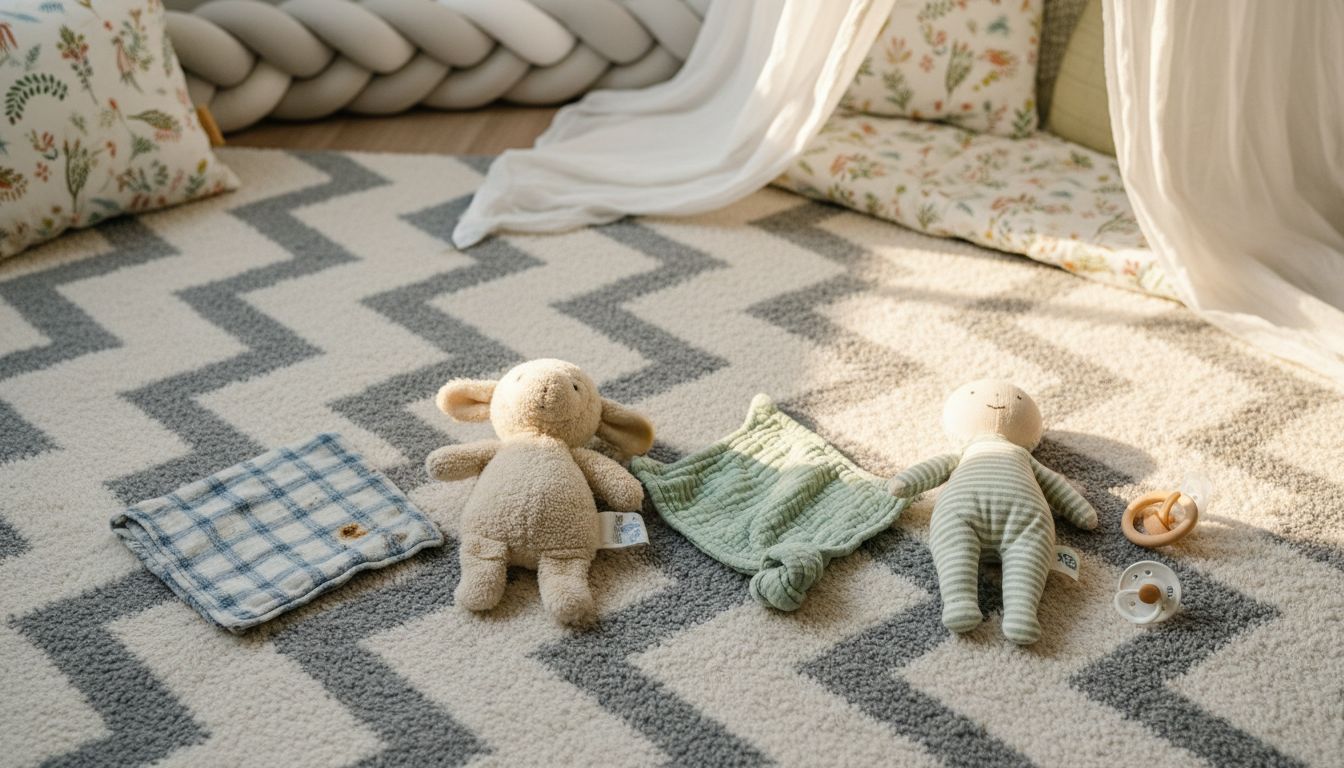
Kuscheltiere gibt es in verschiedenen Materialien und Ausführungen, die jeweils einzigartigen Komfort und sensorische Erlebnisse für Babys bieten. Weiche Babydecken aus Baumwollflanell gehören zu den beliebtesten Modellen und werden wegen ihrer sanften Textur und ihrer Vielseitigkeit geschätzt, da sie Babys emotionale Geborgenheit vermitteln.
Gängige Materialien für Kuscheltiere
Eltern können aus mehreren primären Kuschelmaterialien wählen, von denen jedes über besondere Eigenschaften verfügt:
- Baumwollflanell: Leicht und atmungsaktiv
- Bio-Musselin: Weich und von Natur aus hypoallergen
- Plüschiger Minky-Stoff: Besonders weich und mit luxuriösem Tragegefühl
- Leichte Wollmischungen: Warm und von Natur aus temperaturregulierend
Arten von Liebesobjekten
Zu den gängigsten Kuscheltierarten gehören:
- Stofftiere : Weiche Plüschtiere zum Kuscheln für Babys.
- Sicherheitsdecken : Kleine, leichte Decken mit glatten Kanten
- Stoffpuppen : Einfache, weiche Puppen ohne komplexe Merkmale
- Quadrate mit weicher Textur : Minimalistische Komfortobjekte
Interessanterweise können auch akustische Beruhigungsgegenstände wie Schlaflieder als Alternative zu Kuscheltieren dienen, indem sie beruhigende, rhythmische Klänge erzeugen, die Babys Geborgenheit vermitteln. Diese musikalischen Beruhigungsmethoden können physische Kuscheltiere ergänzen und so einen multisensorischen Ansatz zur emotionalen Unterstützung von Säuglingen schaffen.
Bei der Auswahl eines Kuscheltiers sollten Sie die individuellen Vorlieben und Empfindlichkeiten Ihres Babys berücksichtigen. Manche Babys bevorzugen glatte Oberflächen, andere fühlen sich in weicheren Materialien, ähnlich wie bei einer Babydecke, wohler. Wichtig ist, ein Kuscheltier zu finden, das Ihrem Baby Geborgenheit und Sicherheit vermittelt.
Warum Kuscheltiere Babys Trost spenden
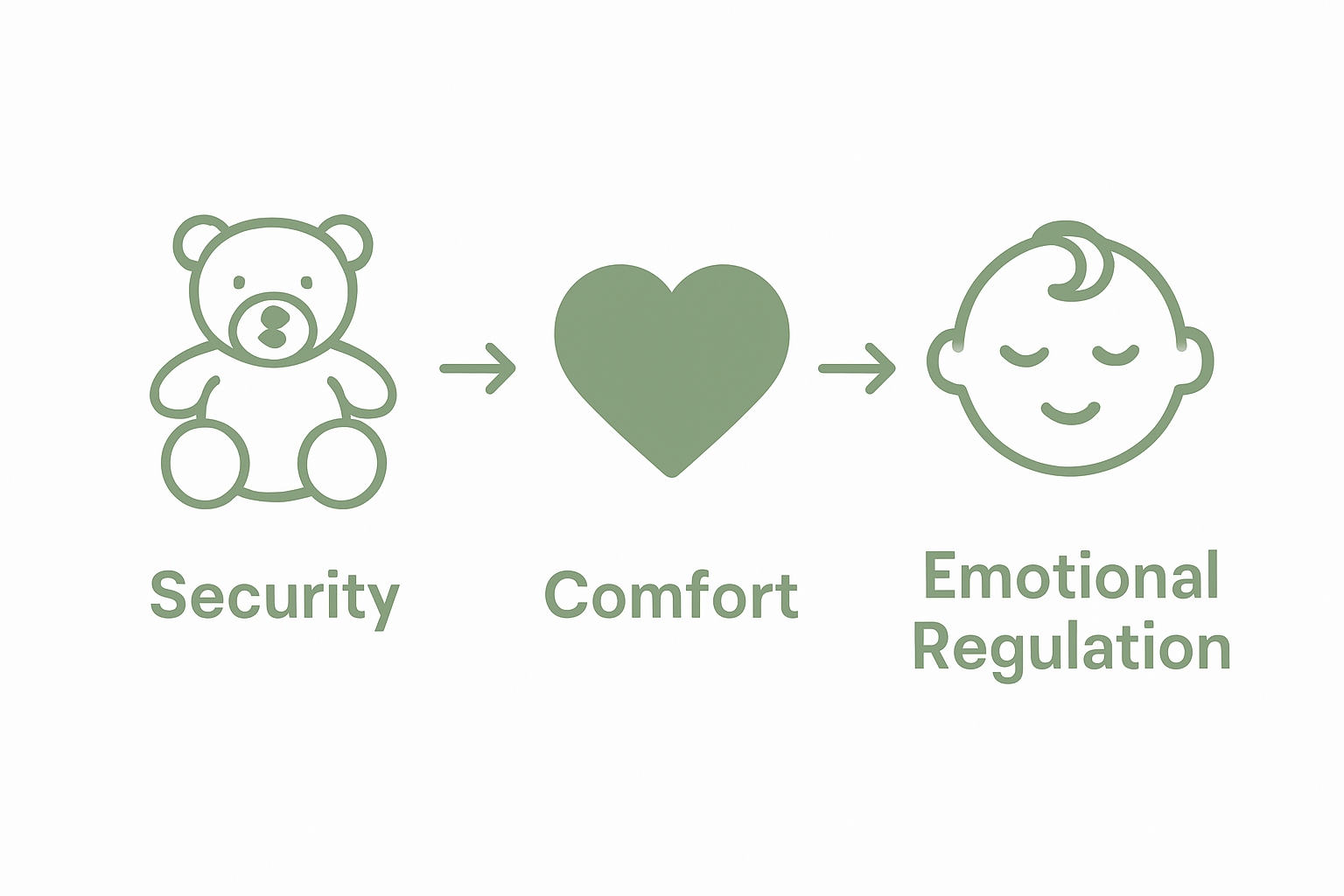
Kuscheltiere spielen eine entscheidende Rolle in der emotionalen Entwicklung von Säuglingen, indem sie ihnen Trost und Geborgenheit vermitteln. Diese besonderen Objekte helfen Babys, sich in komplexen Gefühlswelten zurechtzufinden und bieten ihnen in Zeiten von Stress oder Unsicherheit einen verlässlichen Ankerpunkt der Sicherheit.
Psychologische Vorteile von Kuscheltieren
Die psychologische Wirkung von Kuscheltieren ist tiefgreifend. Sie helfen Säuglingen, die Trennung von ihren Bezugspersonen zu bewältigen, indem sie ein Gefühl emotionaler Kontinuität schaffen. Wenn Babys nicht direkt gehalten werden können, dienen diese vertrauten Objekte als Brücke und erinnern sie an die Geborgenheit und Liebe ihrer primären Bezugspersonen.
Mechanismen der Emotionsregulation
Kuscheltiere unterstützen die emotionale Entwicklung von Säuglingen durch mehrere wichtige Mechanismen:
- Angst in ungewohnten Situationen reduzieren
- Ein Gefühl von Vorhersehbarkeit und Kontrolle vermitteln
- Bietet sensorischen Komfort durch weiche Texturen
- Unterstützung der Entwicklung sicherer Anbindungen
Forscher haben herausgefunden, dass Säuglinge mit regelmäßigen Kuscheltieren eine höhere emotionale Widerstandsfähigkeit aufweisen. Diese Objekte dienen als psychologischer Anker und helfen Babys, sich selbst zu beruhigen und schwierige emotionale Übergänge zu bewältigen. Ob beim Zubettgehen, bei Arztterminen oder in neuen sozialen Umgebungen – Kuscheltiere bieten eine beständige Quelle des Trostes und geben Babys das Gefühl, beschützt und verstanden zu werden.
Eltern können diesen Prozess unterstützen, indem sie ihrem Kind ermöglichen, eine natürliche Bindung zu einem Kuscheltier aufzubauen und dessen Bedeutung als wichtiges emotionales Hilfsmittel anerkennen. Das Kuscheltier wird so mehr als nur ein Gegenstand – es symbolisiert Sicherheit, Kontinuität und emotionale Stabilität während der komplexen Entwicklung im frühen Kindesalter.
Wann und wie man ein Kuscheltier sicher einführt
Die Einführung eines Kuscheltiers erfordert viel Fingerspitzengefühl und Einfühlungsvermögen. Babys wählen ihr Lieblingskuscheltier in der Regel zwischen neun und zwölf Monaten aus. Dies ist daher ein idealer Zeitraum für Eltern, um die Bindung zu einem besonderen Kuscheltier sanft zu fördern.
Strategien für eine liebevolle Einführung
Eltern können damit beginnen, das Kuscheltier beim Füttern oder Vorlesen zu umarmen, damit es den vertrauten Duft der Eltern aufnimmt. Dies schafft ein Gefühl von Vertrautheit und Geborgenheit und verwandelt das Kuscheltier von einem einfachen Gegenstand in einen treuen Begleiter.
Sichere Auswahl und Platzierung von Kuscheltieren
Bei der Auswahl und Einführung eines Kuscheltiers sollten Sie diese wichtigen Richtlinien beachten:
- Wählen Sie weiche, atmungsaktive Materialien
- Achten Sie darauf, dass keine Knöpfe oder Kleinteile lose sind.
- Wählen Sie einen Gegenstand, der in heißem Wasser abwaschbar ist.
- Halten Sie ein identisches Ersatzkuscheltier bereit.
Wichtige Sicherheitsaspekte sind die Beobachtung des Kuscheltiers im Schlaf und die Sicherstellung, dass es die Atmung nicht behindert. Das Objekt kann Babys helfen, Trennungen zu verarbeiten und sich in Stresssituationen selbst zu beruhigen, die Aufsicht durch die Eltern bleibt jedoch unerlässlich.
Denken Sie daran, dass jedes Baby einzigartig ist. Manche Säuglinge entwickeln sofort eine Bindung zu ihrem Kuscheltier, während es bei anderen Wochen oder Monate dauern kann. Geduld und eine konsequente, sanfte Heranführung sind die wirksamsten Strategien, um Ihrem Kind zu helfen, eine gesunde Beziehung zu seinem Kuscheltier aufzubauen.
Sicherheitsbedenken und Empfehlungen zur Verwendung
Die Sicherheit von Kuscheltieren hat für Eltern, die ihren Säuglingen Geborgenheit und eine sichere Schlafumgebung bieten möchten, höchste Priorität. Sorgfältige Auswahl und regelmäßige Beobachtung sind daher entscheidend, um potenzielle Gefahren für das Wohlbefinden des Säuglings zu vermeiden.
Wichtige Sicherheitsaspekte
Bei der Einführung eines Kuscheltiers müssen Eltern mehrere wichtige Sicherheitsfaktoren priorisieren:
- Wählen Sie Artikel ohne kleine abnehmbare Teile aus.
- Wählen Sie atmungsaktive, leichte Materialien
- Vermeiden Sie Gegenstände mit langen Schnüren oder Bändern.
- Stellen Sie sicher, dass das Kuscheltier altersgerecht ist.
- Überprüfen Sie das Komfortobjekt regelmäßig auf Abnutzungserscheinungen.
Empfehlungen zur Schlafumgebung
Beim gemeinsamen Schlafen mit dem Baby und der Verwendung von Kuscheltieren sind besondere Vorsichtsmaßnahmen erforderlich, um das Erstickungsrisiko zu minimieren . Experten empfehlen, das Kuscheltier vom Gesicht des Babys fernzuhalten und sicherzustellen, dass es die Atmung im Schlaf nicht behindert. Platzieren Sie das Kuscheltier in der Nähe des Babys, aber nicht direkt im Schlafbereich, da es eine sichere Schlafposition beeinträchtigen könnte.
Eltern sollten stets die kinderärztlichen Richtlinien für sicheren Babyschlaf befolgen. Das bedeutet, Säuglinge auf den Rücken zu legen, eine feste Matratze zu verwenden und lose Bettwäsche oder viele Gegenstände im Kinderbett zu vermeiden. Kuscheltiere können zwar Trost spenden, sollten aber niemals die von Kinderärzten festgelegten grundlegenden Sicherheitsprinzipien beeinträchtigen.
Letztendlich sind Aufsicht und regelmäßige Überprüfung die wirksamsten Strategien, um sicherzustellen, dass ein Kuscheltier Trost spendet und keine potenzielle Gefahr darstellt. Indem Eltern aufmerksam bleiben und geeignete Kuscheltiere auswählen, können sie die emotionale Entwicklung ihres Kindes fördern und gleichzeitig für eine sichere Schlafumgebung sorgen.
Schaffen Sie ein gemütliches Kinderzimmer, in dem Ihr Baby jede Nacht Geborgenheit findet.
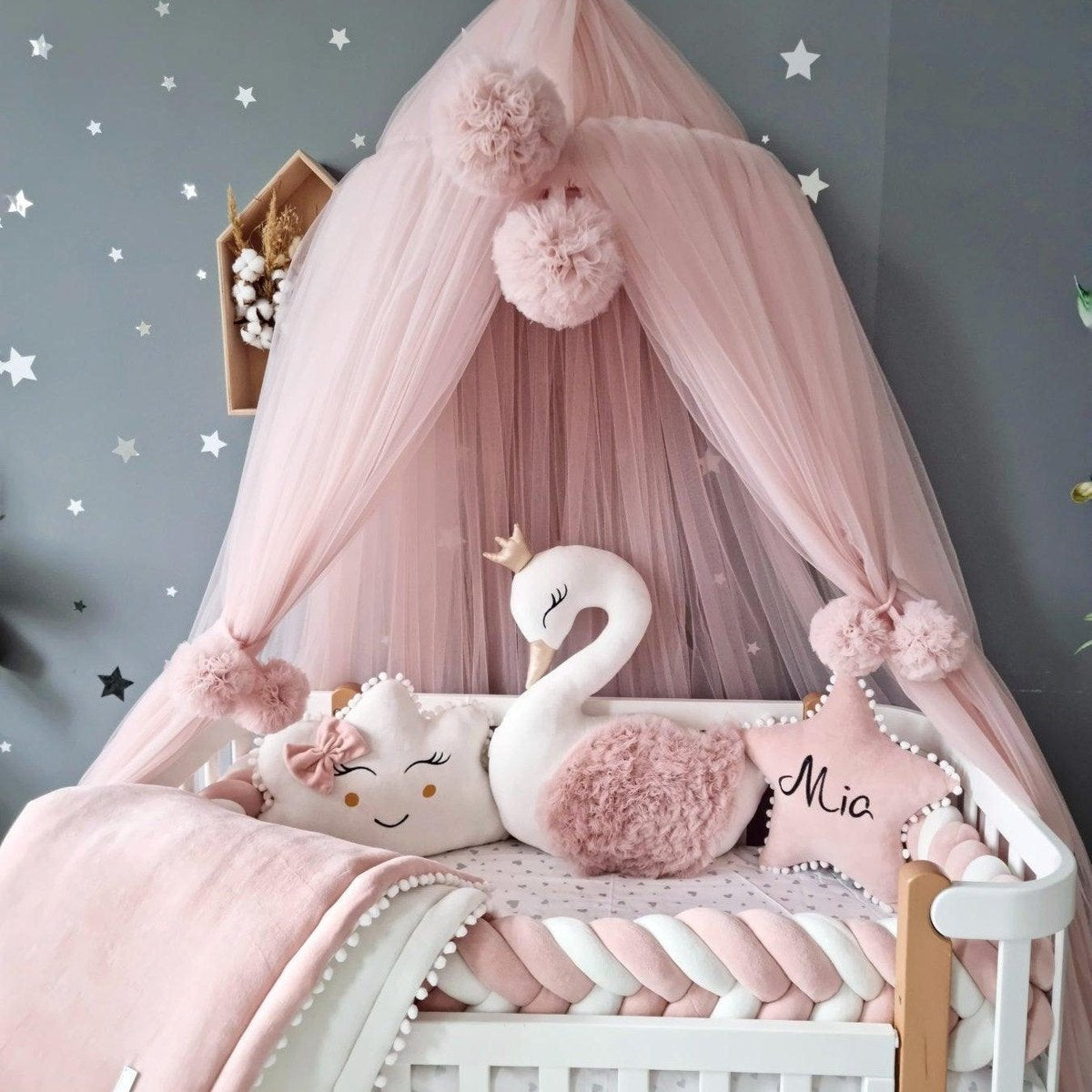
Die Wahl des richtigen Kuscheltiers ist ein wichtiger Schritt für das emotionale Wohlbefinden und die Geborgenheit Ihres Babys. Neben einem vertrauten Kuscheltier trägt eine sichere und beruhigende Schlafumgebung dazu bei, dass sich Ihr Kind in Momenten der Trennung oder des Stresses wirklich geborgen fühlt. Wir von Kari Studio wissen, wie wichtig es ist , Komfort, Sicherheit und Personalisierung in die Babyausstattung zu integrieren.

Entdecken Sie unsere handgefertigten Babybettwäsche-Sets aus hypoallergenen, atmungsaktiven Stoffen, die Geborgenheit und Komfort wie ein Kuscheltier bieten. Kombinieren Sie das Lieblingskuscheltier Ihres Babys mit unseren geflochtenen Nestchen und Schutzgittern für das Babybett, um eine liebevoll gestaltete Umgebung zu schaffen, die die emotionale Entwicklung fördert und einen sicheren Schlaf ermöglicht. Erfahren Sie, wie unsere sorgfältig gefertigten Produkte die gemütliche Atmosphäre im Kinderzimmer bereichern und gleichzeitig höchste Sicherheit gewährleisten. Beginnen Sie noch heute mit der Gestaltung einer behaglichen Umgebung und entdecken Sie die Kollektion von Kari Studio – für ein beruhigendes und sicheres Babyzimmer.
Häufig gestellte Fragen
Was ist ein Kuscheltier?
Ein Kuscheltier ist ein besonderes Kuscheltier, das Säuglingen emotionale Geborgenheit und beruhigende Unterstützung bietet und oft im Alter zwischen neun und zwölf Monaten ausgewählt wird.
Welche verschiedenen Arten von Kuscheltieren gibt es?
Zu den gängigen Kuscheltieren gehören kleine Babydecken, Plüschtiere, weiche Kuscheldecken und Stoffpuppen, die alle dazu dienen, Babys Trost und Geborgenheit zu spenden.
Wie kann ich meinem Baby auf sichere Weise ein Kuscheltier vorstellen?
Um ein Kuscheltier sicher einzuführen, kuscheln Sie während des Fütterns oder Vorlesens damit, damit sich Ihr Baby an seinen Geruch gewöhnt, und stellen Sie sicher, dass das ausgewählte Kuscheltier weich, atmungsaktiv und frei von Erstickungsgefahren ist.
Warum sind Kuscheltiere wichtig für die emotionale Entwicklung von Säuglingen?
Kuscheltiere helfen Säuglingen, die Trennung von ihren Bezugspersonen zu bewältigen und bieten eine ständige Quelle des Trostes. Dadurch wird die Angst in ungewohnten Situationen reduziert und die Entwicklung einer sicheren Bindung unterstützt.