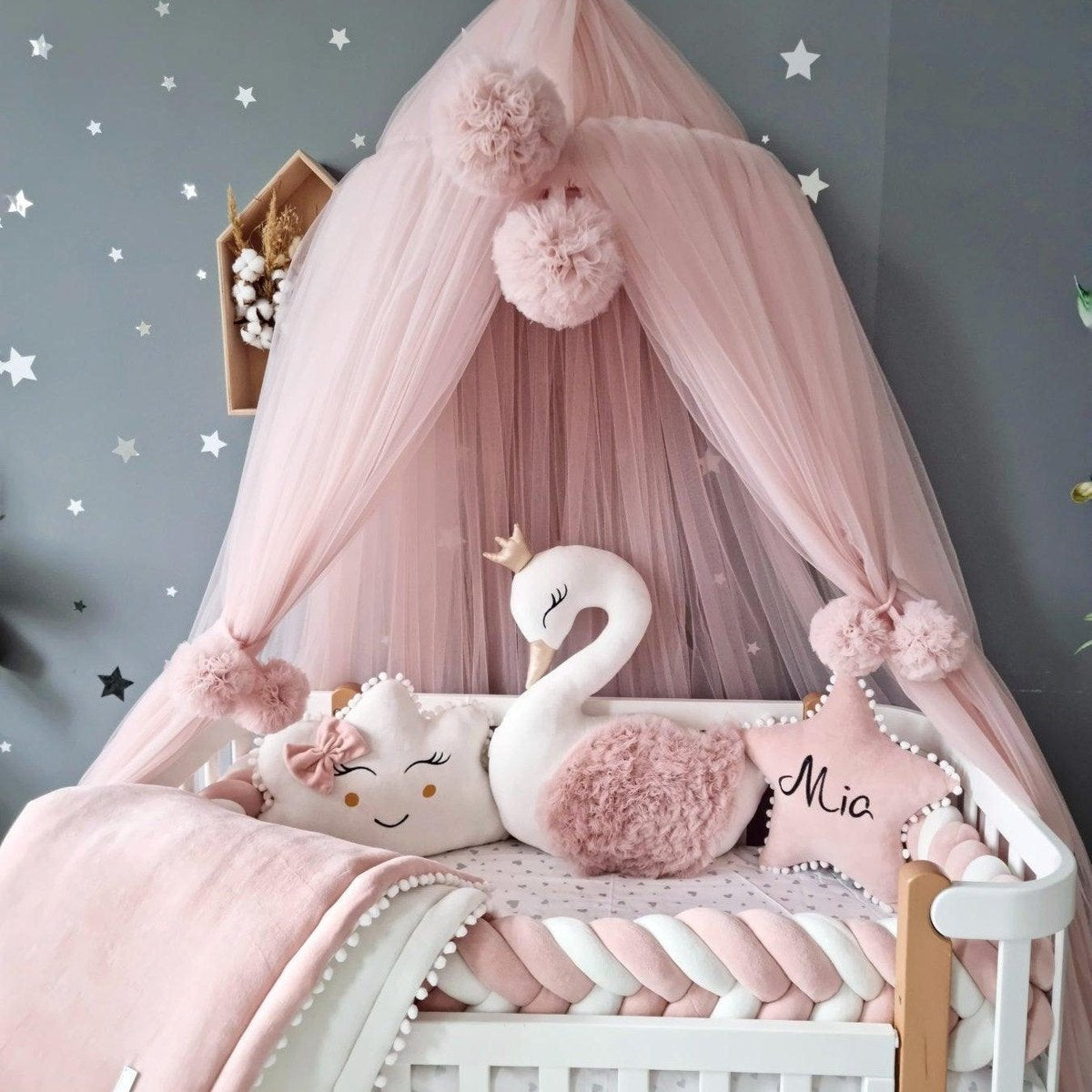
Jedes Jahr tragen weiche Bettwaren zu Tausenden von kindlichen, schlafbezogenen Todesfällen bei, dennoch legen viele Eltern unwissentlich dekorative Kissen in Babybetten, in der Annahme, sie würden Komfort und Stil verleihen. Die Wahrheit ist, dass Kissen, Stoßfänger und weiche Bettwaren ernsthafte Erstickungs- und SIDS-Risiken für Babys unter 12 Monaten darstellen. Dieser Leitfaden beseitigt die Verwirrung, indem er genau erklärt, warum Dekokissen in Schlafbereichen für Säuglinge gefährlich sind, welche aktuellen Sicherheitsvorschriften zu beachten sind und wie Sie ein schönes Kinderzimmer gestalten können, das Ihr Baby sicher hält. Sie lernen praktische Alternativen zu Kissen kennen, wie Sie sichere Bettwarenmaterialien auswählen und wo Dekorationsartikel in einem Kinderzimmer hingehören, ohne das Wohlergehen Ihres Kindes zu gefährden.
👉 Leitfaden zur Sicherheit von Babybettumrandungen
Inhaltsverzeichnis
- Warum Dekokissen und weiche Bettwaren in Kinderzimmern ein Risiko darstellen
- Aktuelle Richtlinien und Vorschriften für eine sichere Kinderzimmerumgebung
- Sichere Kinderzimmerdekoration: Stilvolle und sichere Alternativen zu Dekokissen
- Die Wahl der richtigen Babybettwäsche und Dekokissen für Sicherheit und Stil
- Entdecken Sie sichere, stilvolle Babybettwäsche und Dekokissen
Wichtige Erkenntnisse
| Punkt | Details |
|---|---|
| Kissen erhöhen das SIDS-Risiko | Weiche Kissen können bei Säuglingen unter 12 Monaten die Atmung behindern und zu Überhitzung führen. |
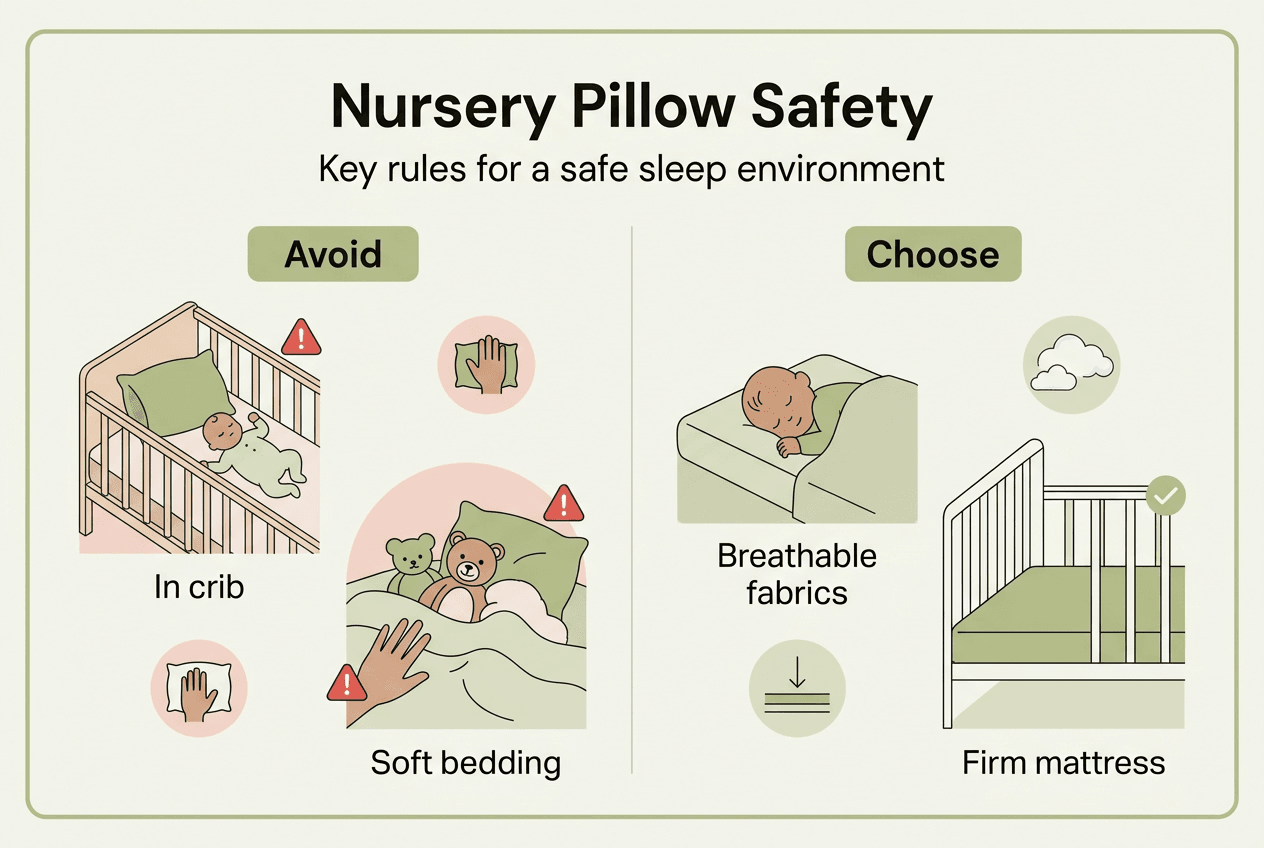
| Sicheres Schlafen erfordert feste Oberflächen | Babys benötigen eine flache, feste Matratze ohne Kissen, Decken oder weiche Bettwaren im Babybett. |
| Zimmer-Teilung reduziert das Risiko | Das Schlafen des Babys im eigenen Zimmer ohne das Bett zu teilen, senkt das SIDS-Risiko um bis zu 50 %. |
| Babybettumrandungen sind bundesweit verboten | Traditionelle gepolsterte Babybettumrandungen wurden 2022 aufgrund von Erstickungsgefahren verboten. |
| Dekokissen gehören außerhalb des Babybetts | Verwenden Sie Dekokissen zur Dekoration auf Stühlen oder Regalen, niemals im Schlafbereich. |
Warum Dekokissen und weiche Bettwaren in Kinderzimmern ein Risiko darstellen
Säuglinge verfügen nicht über die motorischen Fähigkeiten und die Kraft, den Kopf von Hindernissen wegzubewegen. Wenn ein weiches Kissen Nase und Mund eines Babys bedeckt, können sie sich nicht neu positionieren, um frei zu atmen. Weiche, nachgiebige Materialien können Mund und Nase eines Babys bedecken und zum Ersticken führen, wodurch selbst das unschuldigste Dekokissen zu einer potenziellen Gefahr in einem Babybett wird. Dieses Risiko besteht, bis Babys genügend Kraft und Koordination entwickeln, um sich konsequent umzudrehen und Gegenstände von ihrem Gesicht wegzubewegen, typischerweise nach ihrem ersten Geburtstag.
Neben der unmittelbaren Erstickungsgefahr birgt weiche Bettwäsche durch Wärmespeicherung eine sekundäre Gefahr. Überhitzung auf weichen Oberflächen erhöht das SIDS-Risiko, da Kissen und Plüschmaterialien Körperwärme um den Kopf und den Rumpf eines Säuglings speichern. Babys regulieren die Temperatur weniger effizient als Erwachsene, und ihre kleinen Körper können schnell überhitzen, wenn sie von isolierenden Stoffen umgeben sind. Dieser thermische Stress stört normale Schlafmuster und Atemfunktion und verstärkt die bereits durch physische Verstopfung vorhandenen Gefahren.
Mehrere Empfehlungen für sicheres Schlafen betonen die Entfernung aller weichen Gegenstände aus der Schlafumgebung von Säuglingen. Die Forschung hat tragische Fälle dokumentiert, in denen Stillkissen, Dekokissen und Bettumrandungen zum Tod von Säuglingen beitrugen. Diese Vorfälle haben gemeinsame Faktoren: weiche Oberflächen, die sich dem Gesicht eines Babys anpassen, Materialien, die den Luftstrom behindern, und Betreuer, die glaubten, diese Gegenstände seien harmlos oder sogar nützlich.
„Die primären Risiken im Zusammenhang mit Babyschlafkissen umfassen Ersticken, Positionsasphyxie, bei der die Atemwege des Babys blockiert werden, und Überhitzung. Diese Gefahren bestehen, selbst wenn Eltern glauben, Produkte zu verwenden, die für die Sicherheit von Säuglingen entwickelt wurden.“
Zu den spezifischen Gefahren, die Eltern verstehen müssen, gehören:
- Erstickung durch Kissen, die die Atemwege während des Schlafs bedecken
- Positionsasphyxie, wenn Babys in weiche Oberflächen einsinken und den Kopf nicht heben können
- Überhitzung durch Materialien, die Körperwärme um Gesicht und Kopf speichern
- Einklemmen zwischen Kissen und Gitterbettwänden oder anderen Gegenständen
- Rückatmung von Kohlendioxid in Räumen, die durch weiche Bettwäsche entstehen
Diese Risiken bleiben unabhängig von Kissengröße, Füllmaterial oder dekorativem Reiz konstant. Ein kleines Dekokissen birgt die gleichen grundlegenden Gefahren wie ein größeres Kissen, da das Kernproblem die Anwesenheit eines weichen, beweglichen Objekts im Schlafbereich eines Babys ist.
Aktuelle Richtlinien und Vorschriften für eine sichere Kinderzimmerumgebung
Führende Gesundheitsorganisationen haben klare Standards für die Schlafsicherheit von Säuglingen festgelegt. Die American Academy of Pediatrics, die CDC und ähnliche Behörden weltweit sind sich in den Kernprinzipien einig: Babys benötigen eine feste, ebene Schlafunterlage mit einem Spannbetttuch und sonst nichts. Keine Kissen, Decken, Stoßfänger oder Stofftiere gehören in ein Gitterbett mit einem schlafenden Säugling. Diese Richtlinien für sicheres Schlafen spiegeln jahrzehntelange Forschung darüber wider, was tatsächlich schlafbedingte Todesfälle bei Säuglingen verhindert.
Regulierungsmaßnahmen haben diese Empfehlungen untermauert. Bundesbehörden haben 2022 ein Verbot traditioneller Babybettumrandungen eingeführt, nach Jahren der Fürsprache von Kinderärzten und Sicherheitsexperten. Das Verbot zielt speziell auf gepolsterte oder kissenartige Umrandungen ab, die Erstickungsrisiken bergen, obwohl einige Netzalternativen weiterhin erhältlich sind. Diese regulatorische Änderung erkennt an, dass dekorative Kinderzimmerartikel, so ästhetisch ansprechend sie auch sein mögen, die von ihnen eingeführten Sicherheitsrisiken nicht rechtfertigen können.
Das Teilen eines Zimmers bietet eine bewährte Strategie zur Reduzierung des SIDS-Risikos ohne die Gefahren des gemeinsamen Bettes. Das Teilen eines Zimmers ohne das Bett zu teilen, reduziert das SIDS-Risiko um bis zu 50 %, was den Eltern Seelenfrieden verschafft und gleichzeitig eine sichere Schlafumgebung gewährleistet. Dieser Ansatz platziert das Babybett oder die Wiege für mindestens die ersten sechs Monate, idealerweise das gesamte erste Jahr, im Schlafzimmer der Eltern, so dass die Betreuer das Baby überwachen und gleichzeitig die Schlafunterlage sicher halten können.
| Sichere Schlafhaltung | Risikoreduzierung | Umsetzung |
|---|---|---|
| Rückenlage | 50 % geringeres SIDS-Risiko | Baby bei jedem Schlaf auf den Rücken legen |
| Zimmer teilen ohne Bett zu teilen | Bis zu 50 % Reduzierung | Babybett 6-12 Monate im Zimmer der Eltern lassen |
| Nur feste Schlafunterlage | Beseitigt Erstickungsgefahren | Zugelassene Babybettmatratze verwenden, keine weichen Gegenstände |
| Rauchfreie Umgebung | 30-40 % geringeres Risiko | Kein Rauchen während der Schwangerschaft oder in der Nähe des Babys |
Kinderzimmerartikel, die von Schlafbereichen für Säuglinge fernzuhalten sind, umfassen:
- Dekokissen und Zierkissen beliebiger Größe
- Decken, Steppdecken und Bettdecken bis nach 12 Monaten
- Stofftiere und Plüschtiere im Gitterbett
- Gitterbettumrandungen, ob gepolstert oder kissenartig
- Schlafpositionierer und Keilkissen, die nicht für medizinische Zwecke zugelassen sind
Die AAP empfiehlt ausdrücklich, Babys bis zum Alter von einem Jahr immer auf dem Rücken zum Schlafen zu legen. Diese Rückenlage, kombiniert mit einem leeren Gitterbett, bildet die Grundlage für sicheren Säuglingsschlaf. Eltern sollten diese Praktiken konsequent für Nickerchen und den Nachtschlaf beibehalten, da das SIDS-Risiko während aller Schlafperioden bestehen bleibt.
Sichere Kinderzimmergestaltung: stilvolle und sichere Alternativen zu Dekokissen
Ein schönes Kinderzimmer zu gestalten, erfordert keine Kompromisse bei der Sicherheit. Der Schlüssel liegt darin zu verstehen, wo Dekorationsartikel hingehören und welche Alternativen sowohl optisch ansprechend als auch risikofrei für schlafende Säuglinge sind. Dekokissen können die Ästhetik Ihres Kinderzimmers absolut aufwerten, wenn sie strategisch außerhalb des Babybettes, auf Schaukelstühlen, Regalen oder in Leseecken platziert werden, wo Ihr Baby nicht schlafen wird.
Legen Sie niemals Kissen in das Babybett oder die Wiege, unabhängig von ihrer Größe oder wie fest sie scheinbar in den Ecken bleiben. Babys entwickeln plötzlich neue Bewegungsmöglichkeiten, oft über Nacht. Ein Kissen, das sicher positioniert schien, kann zur Gefahr werden, wenn Ihr Säugling sich zum ersten Mal umdreht oder über die Matratze rutscht. Der sicherste Ansatz behandelt das Babybett als reinen Schlafbereich mit einer festen Matratze und einem Spannbetttuch als einzige Gegenstände.
Sichere Kinderzimmerdekorationsoptionen, die Persönlichkeit ohne Risiko hinzufügen, umfassen:
- Wandtattoos, gerahmte Kunst und Bilderwände, die vom Babybett entfernt positioniert sind
- An der Decke befestigte Mobiles, die gut über Babys Reichweite hängen
- Weiche Teppiche für Spielbereiche, die von Schlafbereichen getrennt sind
- Dekorative Aufbewahrungskörbe auf hohen Regalen oder in Schränken
- Fensterbehandlungen, die Licht blockieren, ohne herabhängende Schnüre in der Nähe des Babybettes
Profi-Tipp: Wählen Sie atmungsaktive, hypoallergene Materialien für Babybettwäsche wie Bio-Baumwolle oder Bambusgewebe, die die Atmung Ihres Babys minimieren und gleichzeitig durch eine angemessene Temperaturregulierung anstatt weicher Polsterung Komfort bieten.
Die Organisation Ihres Kinderzimmers in verschiedene Zonen hilft, die Sicherheit zu gewährleisten und gleichzeitig den Stil zu maximieren. Legen Sie den Bereich des Kinderbetts als minimalistischen, funktionsorientierten Raum fest. Schaffen Sie separate Zonen zum Windelwechseln, Füttern und Spielen, wo dekorative Elemente wie Dekokissen, Kunstwerke und Accessoires glänzen können. Dieser Ansatz gibt Ihnen gestalterische Freiheit in den meisten Teilen des Zimmers, während der Schlafbereich makellos und sicher bleibt.
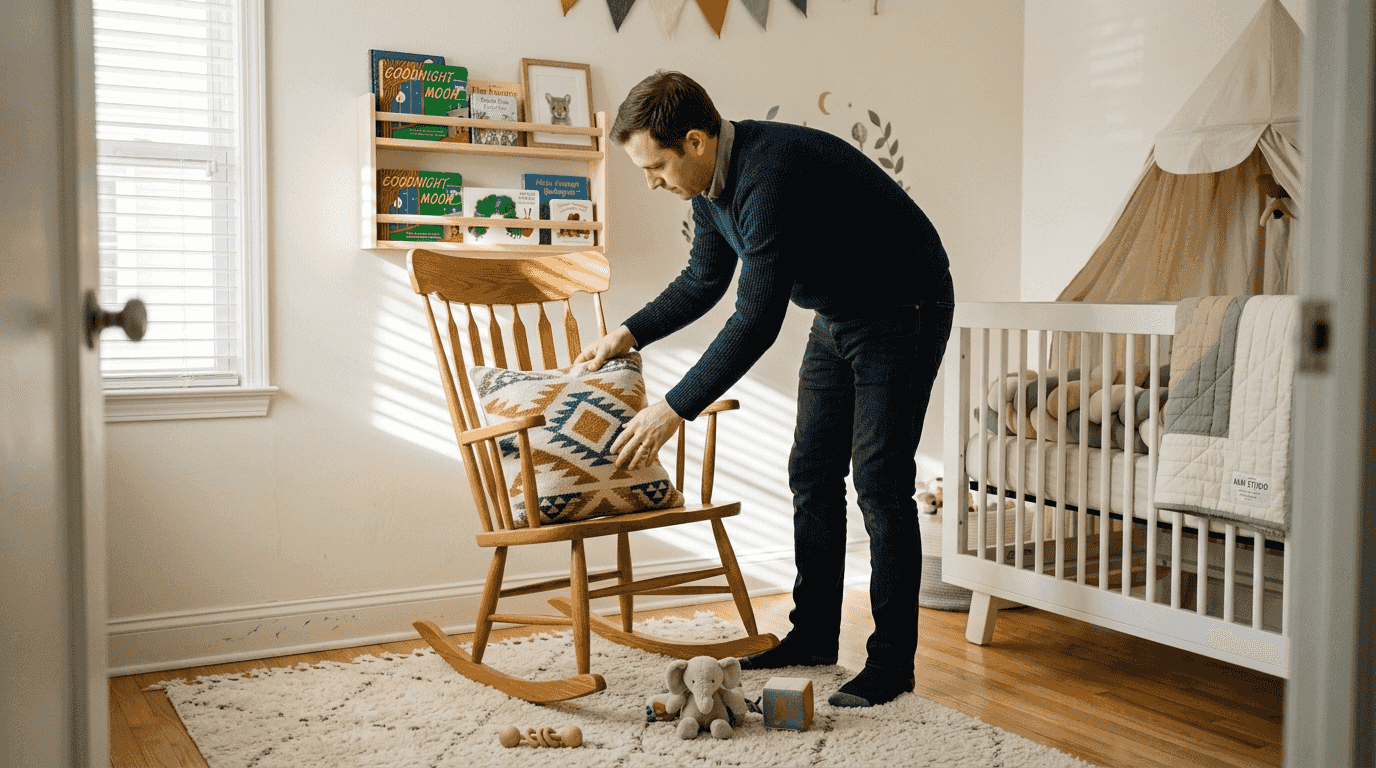
Berücksichtigen Sie die Sichtachsen in Ihrem Kinderzimmerdesign. Platzieren Sie dekorative Dekokissen auf einem Schaukelstuhl oder einer Wippe, wo Sie sie während des Stillens schätzen werden. Ordnen Sie sie auf schwebenden Regalen als optische Blickfänge an, die den Blick nach oben lenken. Verwenden Sie sie, um Farbakzente in einer gemütlichen Leseecke zu setzen. Diese Platzierungen ermöglichen es Ihnen, schöne Textilien und Muster zu genießen, während weiche Gegenstände vollständig von der Schlafstätte Ihres Babys getrennt bleiben.
Weitere Hinweise zur Einrichtung einer sicheren Schlafumgebung finden Sie in diesen Tipps zur Einrichtung des Babybettes und erfahren Sie mehr darüber, ob Babys Kissen benötigen, um zu verstehen, wann Kissen mit zunehmendem Alter Ihres Kindes angemessen werden.
Die Wahl der richtigen Babybettwäsche und Dekokissen für Sicherheit und Stil
Die Auswahl von Kinderzimmertextilien erfordert ein Gleichgewicht zwischen Sicherheitsstandards und Ihrer Designvorstellung. Die Bettwäsche, die Ihr Baby während des Schlafs berührt, muss strenge Kriterien erfüllen, während Dekokissen für andere Bereiche sich primär auf die Ästhetik konzentrieren können. Das Verständnis der Materialeigenschaften hilft Ihnen, fundierte Entscheidungen zu treffen, die Ihr Baby schützen und gleichzeitig das Kinderzimmer schaffen, das Sie sich vorgestellt haben.
| Material | Vorteile | Sicherheitshinweise |
|---|---|---|
| Bio-Baumwolle | Atmungsaktiv, weich, chemikalienfrei | Hervorragend für Spannbetttücher, natürlich temperaturregulierend |
| Bambusgewebe | Hypoallergen, feuchtigkeitsableitend | Ideal für empfindliche Haut, bleibt bei warmem Wetter kühl |
| Baumwollmusselin | Leicht, atmungsaktives Gewebe | Perfekt für Pucktücher und Spannbetttücher, verbessert sich mit dem Waschen |
| Polyester-Mischgewebe | Strapazierfähig, knitterarm | Im Babybett vermeiden, weniger atmungsaktiv als Naturfasern |
Bio- und atmungsaktive Textilien reduzieren das Risiko von Atemproblemen, indem sie die Luftzirkulation um das Gesicht und den Körper Ihres Babys ermöglichen. Im Gegensatz zu synthetischen Materialien, die Wärme und Feuchtigkeit speichern können, leiten Naturfasern wie Baumwolle und Bambus Schweiß ab und halten angenehme Temperaturen aufrecht. Diese Atmungsaktivität ist besonders wichtig in den wärmeren Monaten oder wenn Sie das Kinderzimmer bei höheren Temperaturen halten.
Profi-Tipp: Achten Sie beim Kauf von Babybettwäsche immer auf Sicherheitszertifikate wie OEKO-TEX oder GOTS und vermeiden Sie Produkte mit losen Bändern, Knöpfen oder übermäßiger Polsterung, die sich lösen und zu Erstickungsgefahren werden könnten.
Bei der Auswahl von Dekokissen für Bereiche außerhalb des Babybetts ist eine kindersichere Konstruktion Priorität, auch wenn diese Gegenstände nicht mit Ihrem schlafenden Säugling in Kontakt kommen. Wählen Sie Kissen mit sicheren Nähten, strapazierfähigen Stoffen, die dem Waschen standhalten, und Füllungen, die ihre Form behalten. Vermeiden Sie Kissen mit kleinen Verzierungen, die sich lösen könnten, wenn Ihr Baby mobil wird und beginnt, die Kinderzimmerumgebung zu erkunden.
Die Integration von Dekokissen in Ihr Kinderzimmerdesign funktioniert wunderbar, wenn Sie Sicherheitsgrenzen respektieren. Ein aufeinander abgestimmtes Set von Dekokissen auf Ihrem Stillstuhl kann Ihr Farbschema zusammenführen. Akzentkissen auf einer Fensterbank oder einem Tagesbett sorgen für Komfort für ältere Geschwister, die das Kinderzimmer besuchen. Runde Dekokissen auf hohen Regalen tragen zum visuellen Interesse bei und mildern das Gesamtgefühl des Raumes. Jede dieser Platzierungen verbessert Ihr Design, während weiche Gegenstände vom Babybett ferngehalten werden.
Denken Sie daran, dass Babys bis zum Alter von 1 Jahr immer auf dem Rücken zum Schlafen gelegt werden sollten, sowohl tagsüber als auch nachts. Diese grundlegende Praxis, kombiniert mit einer geeigneten Bettwäscheauswahl, bildet Ihre primäre Verteidigung gegen schlafbezogene Risiken. Kein dekoratives Element, unabhängig von seiner Schönheit oder dem vermeintlichen Komfort, rechtfertigt eine Abweichung von dieser lebensrettenden Richtlinie.
Entdecken Sie kuratierte Kollektionen von Babybettwäsche-Sets, die mit Priorität auf Sicherheit entworfen wurden, und entdecken Sie dekorative runde Kissen, die perfekt geeignet sind, den Stil Ihres Kinderzimmers in geeigneten Bereichen zu verbessern.
Entdecken Sie sichere, stilvolle Babybettwäsche und Dekokissen
Nun, da Sie die Wissenschaft hinter sicherem Schlaf und intelligentem Kinderzimmerdesign verstehen, sind Sie bereit, Produkte auszuwählen, die sowohl Schutz als auch Schönheit bieten. Wir haben Kollektionen speziell für Eltern kuratiert, die sich nicht zwischen Sicherheit und Stil entscheiden wollen.
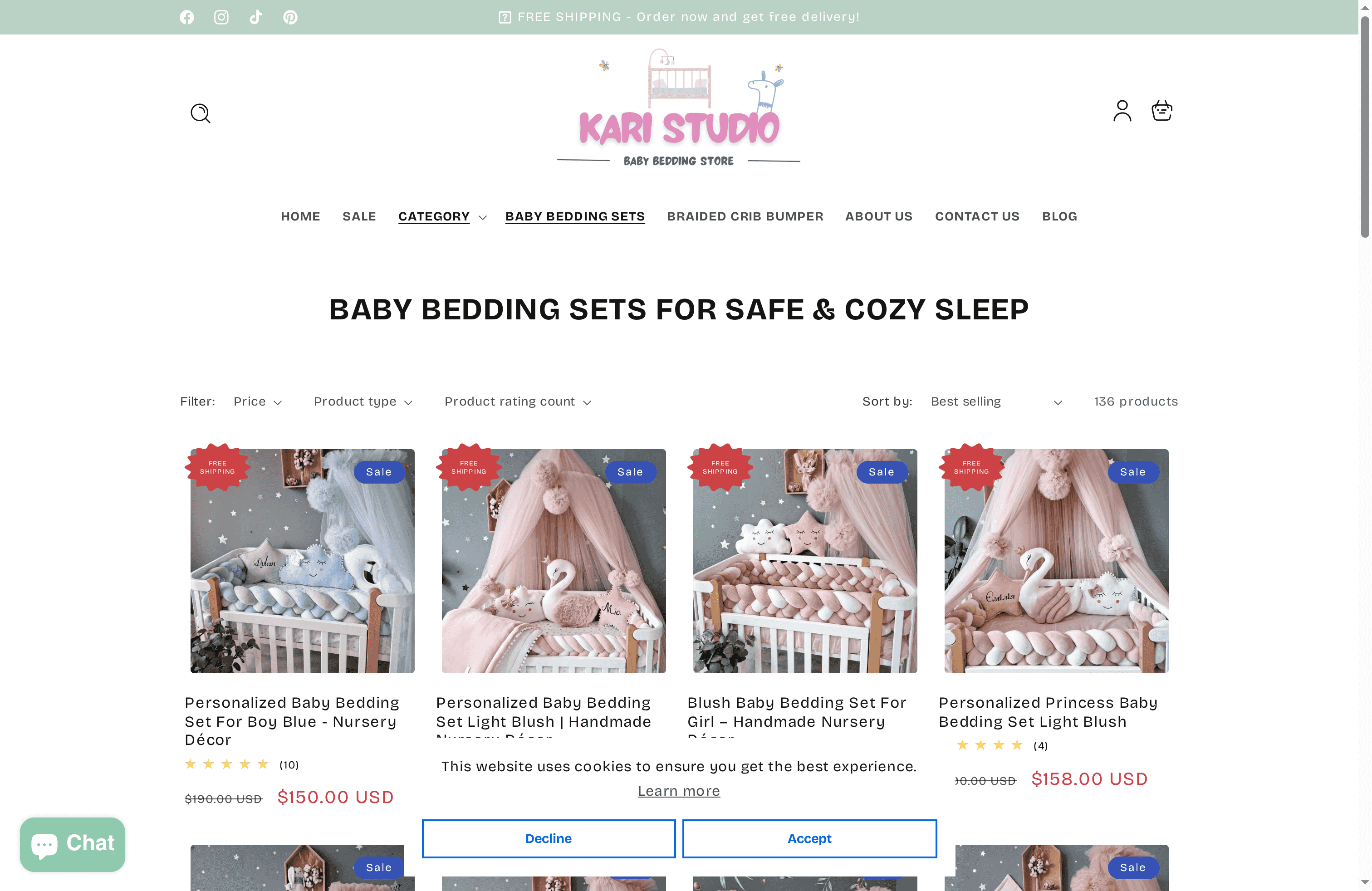
Unsere Bio-Babybettwäsche-Sets verfügen über atmungsaktive, hypoallergene Stoffe, die alle Sicherheitsrichtlinien erfüllen und gleichzeitig die Weichheit bieten, die Ihr Baby verdient. Jedes Stück wird handgefertigt mit Liebe zum Detail, um Qualität zu gewährleisten, die unzählige Waschzyklen überdauert. Für Bereiche außerhalb des Babybetts verleihen unsere handgefertigten Dekokissen Schaukelstühlen, Regalen und Spielbereichen Persönlichkeit und Wärme. Jeder Artikel kann an die Farbpalette Ihres Kinderzimmers angepasst oder mit dem Namen Ihres Babys personalisiert werden. Schauen Sie sich unseren Babybettwäsche-Sale an für aktuelle Angebote für hochwertige Kinderzimmerartikel, die ein sicherheitsorientiertes Design mit der von Ihnen gesuchten Ästhetik verbinden.
Sind Dekokissen für das Kinderzimmer meines Babys sicher?
Darf ich Dekokissen in das Babybett meines Babys legen?
Nein, Dekokissen sollten niemals in ein Babybett mit einem Baby unter 12 Monaten gelegt werden. Weiche Kissen können zum Ersticken führen, indem sie die Nase und den Mund eines Säuglings bedecken, und Babys verfügen nicht über die motorischen Fähigkeiten, Kissen von ihrem Gesicht wegzubewegen. Das Babybett sollte nur eine feste Matratze mit einem Spannbetttuch enthalten, bis Ihr Kind mindestens ein Jahr alt ist und weiche Gegenstände sicher handhaben kann.
Wann können Babys Kissen sicher verwenden?
Die meisten Kinderärzte empfehlen, mit der Einführung eines Kissens bis nach 18 Monaten zu warten, und viele schlagen vor, bis zum Alter von 2 Jahren oder beim Übergang zu einem Kleinkindbett zu warten. Auch dann sollten Sie ein kleines, festes Kissen anstelle von weichen, plüschigen Optionen wählen. Eine detaillierte Anleitung zur altersgerechten Kissenverwendung finden Sie in diesem Leitfaden „Brauchen Babys Kissen“, der die Entwicklungsmeilensteine und Sicherheitsaspekte erläutert.
Können Zierkissen sicher im Kinderzimmer verwendet werden?
Ja, Zierkissen sind völlig unbedenklich, solange sie außerhalb des Kinderbetts und fernab vom Schlafplatz Ihres Babys aufbewahrt werden. Verwenden Sie sie, um Schaukelstühle, Regale oder Leseecken im Kinderzimmer aufzuwerten. Auf diese Weise können Sie schöne Textilien und Designelemente genießen und gleichzeitig eine gefahrenfreie Schlafumgebung für Ihr Baby schaffen.
Welche Alternativen gibt es zu traditionellen Kissen für Komfort und Dekoration im Kinderzimmer?
Für einen sicheren Schlafkomfort verwenden Sie eine atmungsaktive, feste Kinderbettmatratze mit Spannbetttüchern aus Bio-Baumwolle oder Bambusgewebe. Diese Materialien regulieren die Temperatur auf natürliche Weise, ohne die mit Kissen oder weicher Bettwäsche verbundenen Risiken. Zur Dekoration wählen Sie Wandkunst, an der Decke angebrachte Mobiles, die außer Reichweite sind, und sicheres, weiches Spielzeug, das auf Regalen statt im Kinderbett ausgestellt wird. Kleiden Sie Ihr Baby entsprechend der Raumtemperatur, anstatt sich auf Decken oder Bettwäsche zur Wärme zu verlassen.
Wie gestalte ich ein stilvolles Kinderzimmer, ohne die Sicherheit zu beeinträchtigen?
Gestalten Sie Ihr Kinderzimmer in Zonen, halten Sie den Bereich des Kinderbetts minimalistisch mit nur den wesentlichen sicheren Schlafartikeln, während Sie die umliegenden Bereiche frei dekorieren. Platzieren Sie Zierkissen auf Sitzgelegenheiten, hängen Sie Kunstwerke an die Wände, verwenden Sie Teppiche für Spielzonen und arrangieren Sie dekorative Aufbewahrungslösungen auf hohen Regalen. Diese Strategie ermöglicht Ihnen volle kreative Entfaltung in den meisten Teilen des Zimmers, während der Schlafbereich geschützt bleibt. Wählen Sie eine kohärente Farbpalette und setzen Sie diese sowohl bei funktionalen, sicheren Gegenständen wie Spannbetttüchern als auch bei dekorativen Elementen wie Kissen und Wanddekorationen fort, um ein einheitliches, schönes Design zu erzielen, das die Sicherheit Ihres Babys niemals beeinträchtigt.
Empfohlen
- Fehler beim Einrichten des Kinderbetts, die Sie für ein sicheres Babyzimmer vermeiden sollten
- Brauchen Babys Kissen? Sicherer Schlafleitfaden für Eltern
- Sicherheit von Gitterbettumrandungen: Was jeder Elternteil wissen sollte
- Tipps zur Kinderbetteinrichtung für Eltern: Schaffen Sie ein sicheres Kinderzimmer