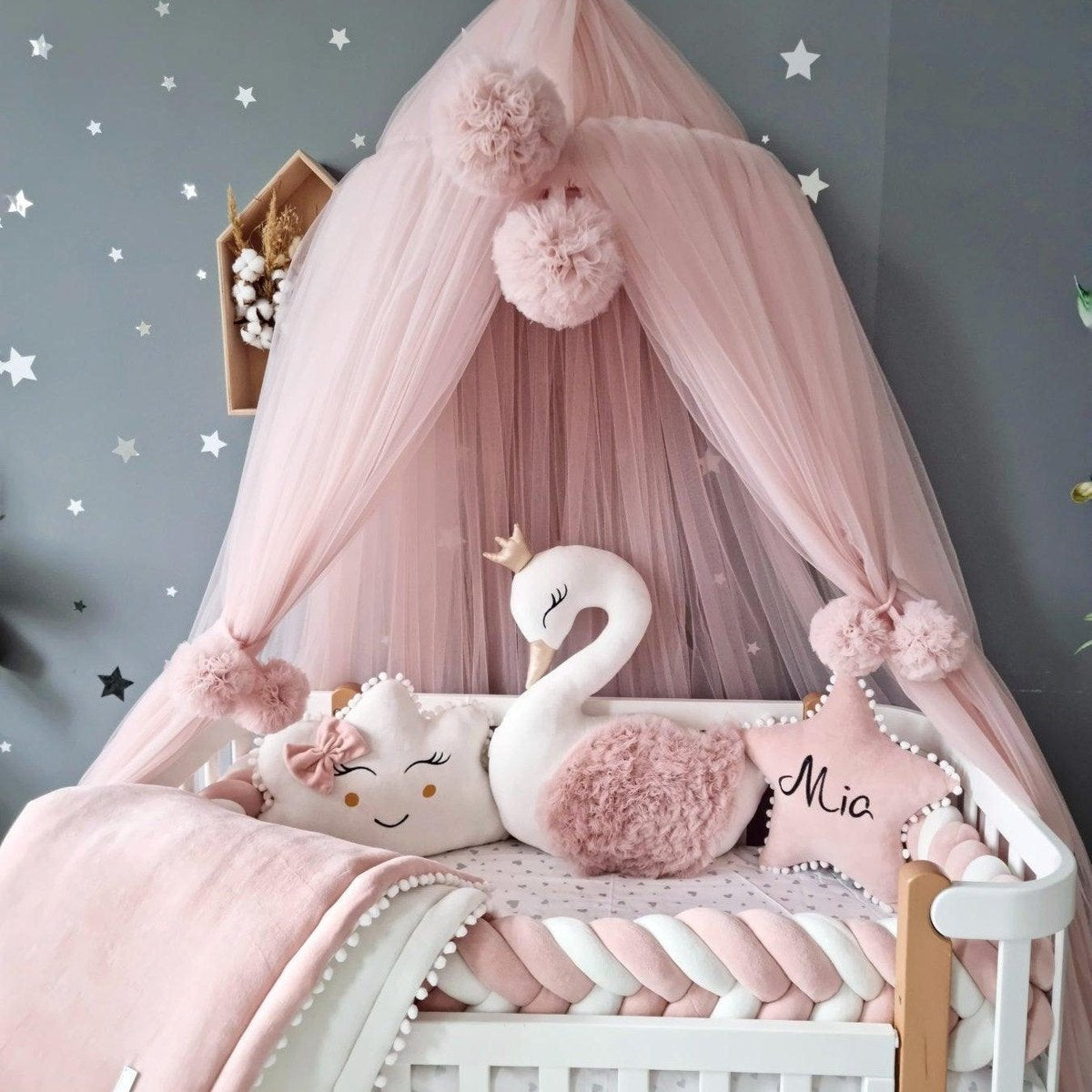
Die Gestaltung eines Kinderzimmers, das sowohl modern als auch bedeutungsvoll wirkt, kann dazu führen, dass man jede Entscheidung infrage stellt. Von Farbpaletten bis hin zu Bettwaren scheinen die Möglichkeiten endlos, doch Ihre obersten Prioritäten bleiben Komfort, Sicherheit und die Schaffung eines Raums, den Ihr Kind lieben wird. Sie wünschen sich ein Zimmer, das schön und funktional ist – frei von Stereotypen und versteckten Gefahren.
Dieser Leitfaden zeigt praktische Ansätze für die Einrichtung eines Kinderzimmers auf, in dem durchdachtes Design auf alltägliche Bedürfnisse trifft. Sie erfahren, wie Sie geschlechtsneutrale Themen nutzen, sicherere Materialien wählen und jedes Detail persönlich gestalten können, ohne Ihrem Stil untreu zu werden. Freuen Sie sich auf kreative Ideen und bewährte Tipps, die Ihr Kinderzimmer auf einzigartige Weise einladend, sicher und einfach anpassbar machen, während Ihre Familie wächst.
Inhaltsverzeichnis
- Geschlechtsneutrale Themen für das Kinderzimmer
- Priorisierung hypoallergener und sicherer Materialien
- Personalisierte Babybettwäsche und Accessoires
- Umweltfreundliche und nachhaltige Produkte fürs Kinderzimmer
- Technologiegestützte Schlaflösungen für Säuglinge
- Dekorativer Stauraum zur optimalen Platznutzung
- Sensorisch orientierte Dekoration für die frühe Entwicklung
- Anpassbare Schutzelemente für Kinderbetten
Kurzzusammenfassung
| Wichtigster Punkt | Erklärung |
|---|---|
| 1. Geschlechtsneutrale Designs | Schaffen Sie inklusive Kinderzimmer mit neutralen Farbpaletten und Themen, die mit dem Kind mitwachsen. |
| 2. Sicherere Materialien | Wählen Sie hypoallergene, schadstofffreie Textilien und zertifizierte Materialien, um Gesundheitsrisiken für Säuglinge zu minimieren. |
| 3. Anpassbare Elemente | Wählen Sie Einrichtungsgegenstände, die sich an das Wachstum Ihres Kindes anpassen lassen und sowohl Funktionalität als auch Stil verbessern. |
| 4. Umweltfreundliche Produkte | Setzen Sie auf nachhaltige Materialien und Praktiken, um die Umweltbelastung bei der Raumgestaltung zu reduzieren. |
| 5. Schlaffördernde Technologie | Nutzen Sie moderne Schlaf-Tracking-Geräte, die datengestützte Einblicke zur Verbesserung der Schlafqualität Ihres Babys bieten. |
1. Geschlechtsneutrale Themen für das Kinderzimmer
Moderne Eltern gestalten das Kinderzimmer neu, indem sie sich von traditionellen Rosa- und Blau-Schemata entfernen. Geschlechtsneutrale Kinderzimmer stehen für einen fortschrittlichen Ansatz, um inklusive, flexible Räume zu schaffen, die Individualität feiern, anstatt ein Kind durch Geschlechtererwartungen einzuschränken.
Diese Designphilosophie konzentriert sich auf die Schaffung personalisierter Umgebungen, die mit dem Kind wachsen. Durch die Wahl neutraler Farbpaletten wie sanftem Grün, warmem Beige und dezentem Grau können Eltern vielseitige Räume schaffen, die zeitgemäß und zeitlos wirken. Erdige Töne und minimalistisches Design bilden einen ruhigen Hintergrund, der die Persönlichkeit des Kindes zur Geltung bringt.
Themen wie Waldtiere, geometrische Muster und von der Natur inspirierte Motive eignen sich hervorragend für geschlechtsneutrale Zimmer. Diese Designentscheidungen vermitteln Offenheit und Kreativität, ohne restriktive Stereotype zu bedienen. Stellen Sie sich sanfte, salbeifarbene Wände vor, die mit verspielten Waldtierdrucken geschmückt sind, oder ein ruhiges Landschaftsmurale, das die Fantasie anregt.
Praktisch gesehen bieten geschlechtsneutrale Kinderzimmer zudem erhebliche finanzielle Vorteile. Möbel und Dekoration können leicht zwischen Geschwistern weiterverwendet werden, was die langfristigen Kosten senkt. Ein neutrales Design bedeutet, dass Sie nicht komplett neu dekorieren müssen, wenn ein weiteres Kind kommt.
Profi-Tipp: Wählen Sie modulare Möbel und Accessoires, die sich leicht umgestalten oder umfunktionieren lassen, während Ihr Kind wächst, um Stil und Funktionalität zu maximieren.
2. Priorisierung hypoallergener und sicherer Materialien
Sicherheitsbedenken der Eltern führen zu einem deutlichen Wandel hin zu hypoallergenen Materialien im Kinderzimmer, die die Gesundheit des Säuglings schützen und potenzielle Risiken minimieren. Das moderne Kinderzimmer dient heute nicht mehr nur der Ästhetik, sondern schafft eine sichere Umgebung, die die empfindlichen Entwicklungsbedürfnisse eines Babys unterstützt.
Das Verständnis für Materialsicherheit geht über die einfache Stoffwahl hinaus. Bio-Baumwolle, Bambusfasern und speziell verarbeitete Textilien, die frei von schädlichen Chemikalien sind, stellen den neuen Standard bei Babyprodukten dar. Diese Materialien unterliegen strengen Prüfungen, um sicherzustellen, dass sie hohen Sicherheitsstandards wie dem OEKO-TEX Standard 100 entsprechen, der garantiert, dass Textilien frei von potenziell gesundheitsschädlichen Substanzen sind.
Insbesondere sollten Eltern auf Bettwäsche, Bettumrandungen und Accessoires aus atmungsaktiven, schadstofffreien Materialien achten, die die Allergenbelastung reduzieren. Stoffe ohne Flammschutzmittel, hypoallergene Füllungen und Materialien, die resistent gegen Hausstaubmilben und Bakterienwachstum sind, werden für gesundheitsbewusste Familien immer wichtiger.
Untersuchungen der U.S. Consumer Product Safety Commission unterstreichen, wie entscheidend die Materialwahl für die Verringerung von Gesundheitsrisiken bei Säuglingen ist. Die Entscheidung für Produkte mit zertifizierten Sicherheitsstandards kann potenzielle Notsituationen im Zusammenhang mit Kinderzimmereinrichtung erheblich minimieren.
Profi-Tipp: Fragen Sie beim Kauf von Kinderzimmerartikeln immer nach Materialzertifikaten und Sicherheitsprüfergebnissen und bevorzugen Sie Marken, die ihre Sicherheitsdokumentation transparent offenlegen.
3. Personalisierte Babybettwäsche und Accessoires
Eltern suchen zunehmend nach Wegen, einzigartige Räume zu schaffen, die ihren persönlichen Stil und die sich entwickelnde Persönlichkeit ihres Babys widerspiegeln. Trends bei personalisierter Babybettwäsche verändern die Herangehensweise an die Raumgestaltung, indem sie anpassungsfähigere und bedeutungsvollere Optionen bieten.
Personalisierung geht weit über das bloße Hinzufügen eines Namens auf einer Decke hinaus. Moderne Eltern wünschen sich Accessoires, die eine Geschichte erzählen und mit dem Kind mitwachsen. Dazu gehören individuelle Farbpaletten, die zur bestehenden Wohnungseinrichtung passen, Themen-Bettwäschesets mit Tiermotiven oder abstrakten Designs sowie aufeinander abgestimmte Accessoires, die ein kohärentes visuelles Konzept bilden.
Die innovativsten Personalisierungsstrategien kombinieren praktische Aspekte mit ästhetischen Entscheidungen. Eltern können beispielsweise Bettwäschematerialien wählen, die sich an saisonale Temperaturschwankungen anpassen, feuchtigkeitsableitende Stoffe bieten oder wandelbare Designelemente enthalten, die den Nutzen der Gegenstände verlängern, während das Kind wächst.
Technologie spielt ebenfalls eine wichtige Rolle bei der Personalisierung. Digitale Druckverfahren ermöglichen heute komplexe kundenspezifische Designs, während smarte Stoffe Temperaturregulierung und Allergenschutz bieten können. Diese Fortschritte bedeuten, dass Eltern wirklich einzigartige Räume schaffen können, die sowohl schön als auch funktional sind.
Profi-Tipp: Wählen Sie personalisierte Accessoires mit anpassbaren Designelementen, die vom Säuglings- bis zum Kleinkindalter verwendet werden können, um Ihre Investition zu maximieren und eine einheitliche Ästhetik zu bewahren.
4. Umweltfreundliche und nachhaltige Produkte fürs Kinderzimmer
Eltern erkennen zunehmend, wie wichtig es ist, umweltverantwortliche Räume für ihre Kinder zu schaffen. Nachhaltige Trends für das Kinderzimmer verändern den Umgang mit Babyprodukten, mit Fokus auf ökologisches Bewusstsein und langfristige Umweltauswirkungen.
Umweltfreundliche Kinderzimmerprodukte umfassen mehr als nur Materialien. Sie stehen für einen ganzheitlichen Ansatz, der Herstellungsprozesse, Rohstoffbeschaffung, Produktlebenszyklus und den potenziellen ökologischen Fußabdruck berücksichtigt. Bettwäsche aus Bio-Baumwolle, Möbel aus verantwortungsvoll geerntetem Holz, ungiftige Lacke und recycelbare Accessoires werden für gewissenhafte Eltern zur Grundvoraussetzung.
Jenseits der Materialwahl umfasst nachhaltiges Design die gesamte Reise eines Produkts. Das bedeutet, Artikel auszuwählen, die wiederverwendet, weitergegeben oder recycelt werden können, anstatt sie wegzuwerfen. Modulare Möbeldesigns, die sich dem Wachstum anpassen, Mehrzweck-Accessoires und Produkte mit minimaler Verpackung tragen dazu bei, Abfall zu reduzieren und ökologische Nachhaltigkeit zu fördern.
Die Nachfrage der Verbraucher treibt bedeutende Änderungen in den Fertigungspraktiken voran. Unternehmen investieren nun in transparente Lieferketten, nutzen erneuerbare Energien in der Produktion und entwickeln innovative Recyclingprogramme für Babyartikel. Diese Veränderungen zeigen, wie individuelle Kaufentscheidungen breitere industrielle Praktiken beeinflussen können.
Profi-Tipp: Bevorzugen Sie bei der Auswahl von Kinderzimmerprodukten Artikel mit klaren Nachhaltigkeitszertifikaten und suchen Sie nach Marken, die sich zu transparenten Umweltpraktiken verpflichten.
5. Technologiegestützte Schlaflösungen für Säuglinge
Die Welt der Säuglingspflege erlebt eine technologische Revolution, die verspricht, die Art und Weise zu verändern, wie Eltern die Schlafmuster ihres Babys verstehen und unterstützen. Technologien zum Schlaf-Tracking bieten beispiellose Einblicke in die Gesundheit und Entwicklung von Babys.
Moderne Schlaflösungen gehen über herkömmliche Babyphones hinaus. KI-gestützte Geräte bieten eine umfassende Überwachung, die nicht nur Bewegung und Geräusche erfasst, sondern auch Umgebungsbedingungen wie Raumtemperatur, Luftfeuchtigkeit und Umgebungsgeräuschpegel. Diese intelligenten Systeme können Echtzeitdaten und umsetzbare Empfehlungen liefern, die Eltern helfen, die Schlafumgebung ihres Babys zu optimieren.
Fortschrittliche Überwachungstechnologien können subtile Veränderungen in den Schlafphasen, Atemmuster und potenzielle Gesundheitsindikatoren eines Säuglings erkennen. Einige hochmoderne Geräte nutzen kontaktlose Tracking-Methoden, die ohne tragbare Sensoren auskommen und Eltern eine nicht-invasive Möglichkeit bieten, kritische Informationen zur Schlafgesundheit zu sammeln.
Durch die Integration von Machine-Learning-Algorithmen können diese Technologien personalisierte Erkenntnisse liefern. Sie helfen dabei, potenzielle Schlafstörungen zu identifizieren, optimale Schlafpläne vorzuschlagen und sogar Entwicklungsmeilensteine basierend auf Schlafmustern vorherzusagen. Dieser datengesteuerte Ansatz stattet Eltern mit einem wissenschaftlichen Verständnis der Schlafgesundheit ihres Babys aus.
Profi-Tipp: Wählen Sie Lösungen zur Schlaftechnologie, die den Datenschutz priorisieren und klare, benutzerfreundliche Schnittstellen bieten, ohne den Komfort oder die Sicherheit Ihres Säuglings zu beeinträchtigen.
6. Dekorativer Stauraum zur optimalen Platznutzung
Modernes Design verwandelt Stauraum von einer rein funktionalen Notwendigkeit in ein elegantes Designelement. Stauraumlösungen für das Kinderzimmer entwickeln sich stetig weiter, um sowohl die Anforderungen an Organisation als auch an Ästhetik zu erfüllen.
Multifunktionale Möbel stellen die Spitze des intelligenten Designs dar. Kinderbetten mit eingebauten Schubladen, Wickeltische, die zu Bücherregalen umgebaut werden können, und Sitzhocker mit versteckten Fächern ermöglichen es Eltern, jeden Zentimeter des Kinderzimmers optimal zu nutzen. Diese Möbelstücke speichern nicht nur das Nötigste für das Baby, sondern tragen auch zum gesamten Designkonzept des Raums bei.
Vertikale Stauraumkonzepte revolutionieren die Ordnung im Kinderzimmer. Wandregale, Organizer zum Aufhängen an der Tür und magnetische Aufbewahrungssysteme schaffen wertvollen Bodenplatz und bieten gleichzeitig visuell ansprechende Präsentationsflächen für Bücher, Dekoration und Babybedarf. Diese Lösungen machen aus dem Stauraum-Chaos eine Gelegenheit für kreativen Ausdruck.
Eine zonale Organisation hilft Eltern, intuitive Layouts zu schaffen. Durch die Widmung spezifischer Bereiche für Wickeln, Füttern, Spielen und Schlafen mit aufeinander abgestimmten Stauraumlösungen wird das Kinderzimmer zu einer funktionaleren und beruhigenderen Umgebung. Dieser Ansatz stellt sicher, dass jeder Gegenstand seinen festen Platz hat, reduziert visuelle Unruhe und unterstützt ein Gefühl von Ordnung.
Profi-Tipp: Investieren Sie in Aufbewahrungsbehälter mit aufeinander abgestimmten Farben und Texturen, die Ihr Designkonzept ergänzen und so Ordnungswerkzeuge in Dekorelemente verwandeln.
7. Sensorisch orientierte Dekoration für die frühe Entwicklung
Das Design von Kinderzimmern entwickelt sich von rein ästhetischen Räumen hin zu intentionalen Entwicklungsumgebungen, die das Lernen von Säuglingen durch gezielte sensorische Erfahrungen stimulieren. Sensorische Interventionen sind wissenschaftlich erwiesen, um das kognitive und neurologische Wachstum zu unterstützen.
Sensorisch orientierte Dekoration integriert Materialien, Texturen und Designelemente, die mehrere sensorische Pfade ansprechen. Weiche Bouclé-Stoffe, gewebte Naturmaterialien und Möbel mit sanft geschwungenen Formen schaffen Umgebungen, die zur taktilen Erkundung einladen. Diese Designentscheidungen sind nicht nur optisch ansprechend, sondern dienen als kritische Entwicklungswerkzeuge, die die sensorische Verarbeitung und kognitive Stimulation fördern.
Spezifische Designstrategien können ein Kinderzimmer in eine reiche sensorische Landschaft verwandeln. Texturierte Wandbehänge, interaktive Mobiles mit verschiedenen Materialien und strategisch platzierte Spiegel können visuelle und taktile Reize bieten. Weiche Teppiche mit unterschiedlichen Florhöhen, Zierkissen mit abwechslungsreichen Texturen und sorgfältig ausgewähltes Kunsthandwerk schaffen eine multisensorische Umgebung, die die frühe neuronale Entwicklung unterstützt.
Durch die durchdachte Gestaltung von Räumen, die das sensorische System des Säuglings ansprechen, können Eltern Kinderzimmer schaffen, die sowohl schön als auch entwicklungsfördernd sind. Das Ziel ist es, eine Umgebung zu schaffen, die für wachsende Köpfe sicher, interessant und subtil herausfordernd wirkt.
Profi-Tipp: Rotieren Sie sensorische Objekte und Texturen regelmäßig, um die Neugier Ihres Säuglings zu erhalten und sensorische Anpassung zu verhindern, damit die Umgebung stets anregend bleibt.
8. Anpassbare Schutzelemente für Kinderbetten
Eltern suchen vermehrt nach Lösungen zum Schutz des Kinderbetts, die Sicherheit mit Personalisierung und Stil verbinden. Sicherheitsstandards für Kinderbetten haben sich weiterentwickelt und bieten flexible Richtlinien, die den Schutz des Säuglings priorisieren und gleichzeitig kreative Designansätze ermöglichen.
Anpassbare Schutzelemente gehen heute über traditionelle Einheitslösungen hinaus. Moderne Bettgitter und Schienenschutzabdeckungen können auf die Ästhetik des Kinderzimmers abgestimmt werden und bieten einen Schutz, der sich nahtlos in das Raumdesign einfügt. Eltern können Materialien, Farben und Texturen wählen, die das Baby nicht nur schützen, sondern auch ihren persönlichen Stil unterstreichen.
Fortschrittliche Schutzelemente integrieren mehrere Sicherheitsmerkmale. Atmungsaktive Netzgitter, stoßdämpfende Polsterungen und verstellbare Designs bieten umfassenden Schutz vor potenziellen Verletzungsrisiken. Einige innovative Produkte umfassen heute zahngerechte Oberflächen, feuchtigkeitsbeständige Materialien und modulare Komponenten, die einfach ausgetauscht oder angepasst werden können, wenn das Kind wächst.
Technologie verändert ebenfalls den Bettschutz. Smarte Sensoren können ungewöhnlichen Druck oder Bewegung erkennen und bieten eine zusätzliche Ebene der Sicherheitsüberwachung. Antimikrobielle Stoffe und waschbare Schutzelemente erleichtern die Pflege für vielbeschäftigte Eltern und gewährleisten eine hygienische Umgebung für ihr Kind.
Profi-Tipp: Wählen Sie schützende Elemente mit verstellbaren Funktionen, die sich Ihrem wachsenden Kind anpassen, um langfristigen Wert und anhaltende Sicherheit zu gewährleisten.
Unten finden Sie eine umfassende Tabelle, die die Hauptthemen und Strategien zusammenfasst, die im gesamten Artikel bezüglich der modernen Fortschritte in der Kinderzimmergestaltung und der bewährten Praktiken für optimale Funktionalität und das Wohlbefinden des Kindes erörtert wurden.
| Thema | Beschreibung | Wichtige Überlegungen |
|---|---|---|
| Geschlechtsneutrale Themen | Moderne Kinderzimmer setzen auf Inklusivität durch neutrale Paletten und vielseitige Designs. | Wählen Sie erdige Töne und modulare Einrichtungsgegenstände für eine zeitlose Ästhetik. |
| Hypoallergene und sichere Materialien | Fokus auf organische, ungiftige Materialien, die eine sichere Umgebung für Säuglinge gewährleisten. | Überprüfen Sie Zertifizierungen wie OEKO-TEX und die Einhaltung der Flammschutzmittelfreiheit. |
| Personalisierte Babybettwäsche | Maßgeschneiderte Bettwäscheoptionen reflektieren persönliche und praktische Bedürfnisse. | Erkunden Sie Designs, die an das Wachstum des Kindes anpassbar sind. |
| Umweltfreundliche Produkte | Nachhaltige Materialien und Designs fördern die ökologische Verantwortung. | Bevorzugen Sie Artikel mit klaren ökologischen Zertifizierungen und Recyclingfähigkeit. |
| Technologiegestützte Schlaflösungen | Moderne Monitore und Sensoren optimieren die Schlafgesundheit. | Stellen Sie sicher, dass technologische Produkte den Datenschutz und die Benutzerfreundlichkeit priorisieren. |
| Dekorativer Stauraum | Funktionale und ästhetische Stauraumlösungen nutzen den Raum effektiv aus. | Integrieren Sie vertikalen Stauraum und modulare Möbel, um die Ordnung zu wahren. |
| Sensorisch orientierte Dekoration | Gezielte sensorische Elemente fördern die Entwicklung des Säuglings. | Wechseln Sie Texturen und Elemente ab, um das Interesse aufrechtzuerhalten und das kognitive Wachstum zu unterstützen. |
| Schützende Kinderbettelemente | Sicherheitslösungen vereinen Individualisierung und Stil. | Wählen Sie anpassbare und hygienische Materialien für Langlebigkeit und Komfort. |
Gestalten Sie ein sicheres und stilvolles Kinderzimmer, das mit Ihrem Baby mitwächst
Der Artikel hebt hervor, wie Erziehungstrends im Jahr 2025 den Fokus auf Komfort, Sicherheit, Personalisierung und umweltfreundliche Materialien legen, um das Wohlbefinden und die Entwicklung im Kinderzimmer zu fördern. Moderne Eltern wünschen sich Kinderzimmer, die ihre Werte widerspiegeln und sich gleichzeitig an das Wachstum und die einzigartige Persönlichkeit ihres Kindes anpassen. Herausforderungen wie das Finden von hypoallergenen Stoffen, anpassbarem Bettschutz und personalisierter Bettwäsche, die den sich wandelnden Bedürfnissen gerecht werden, stehen dabei im Mittelpunkt.
Bei Kari Studio verstehen wir diese wichtigen Ziele. Unsere handgefertigten Babybett-Sets werden aus weichen, sicheren und hypoallergenen Stoffen hergestellt, die eine gemütliche Umgebung schaffen und gleichzeitig die Gesundheit Ihres Babys in den Vordergrund stellen. Jeder Artikel kann mit Designs oder Stickereien individuell gestaltet werden, um den Stil Ihres Kinderzimmers und die Einzigartigkeit Ihres Babys zu unterstreichen. Darüber hinaus verbinden unsere geflochtenen Bettschlangen und schützenden Nestchen Sicherheit mit Ästhetik und passen sich nahtlos an, während Ihr Kind wächst.
Entdecken Sie bei Kari Studio die perfekte Balance aus Stil und Schutz, die genau auf die Bedürfnisse Ihrer Familie zugeschnitten ist.
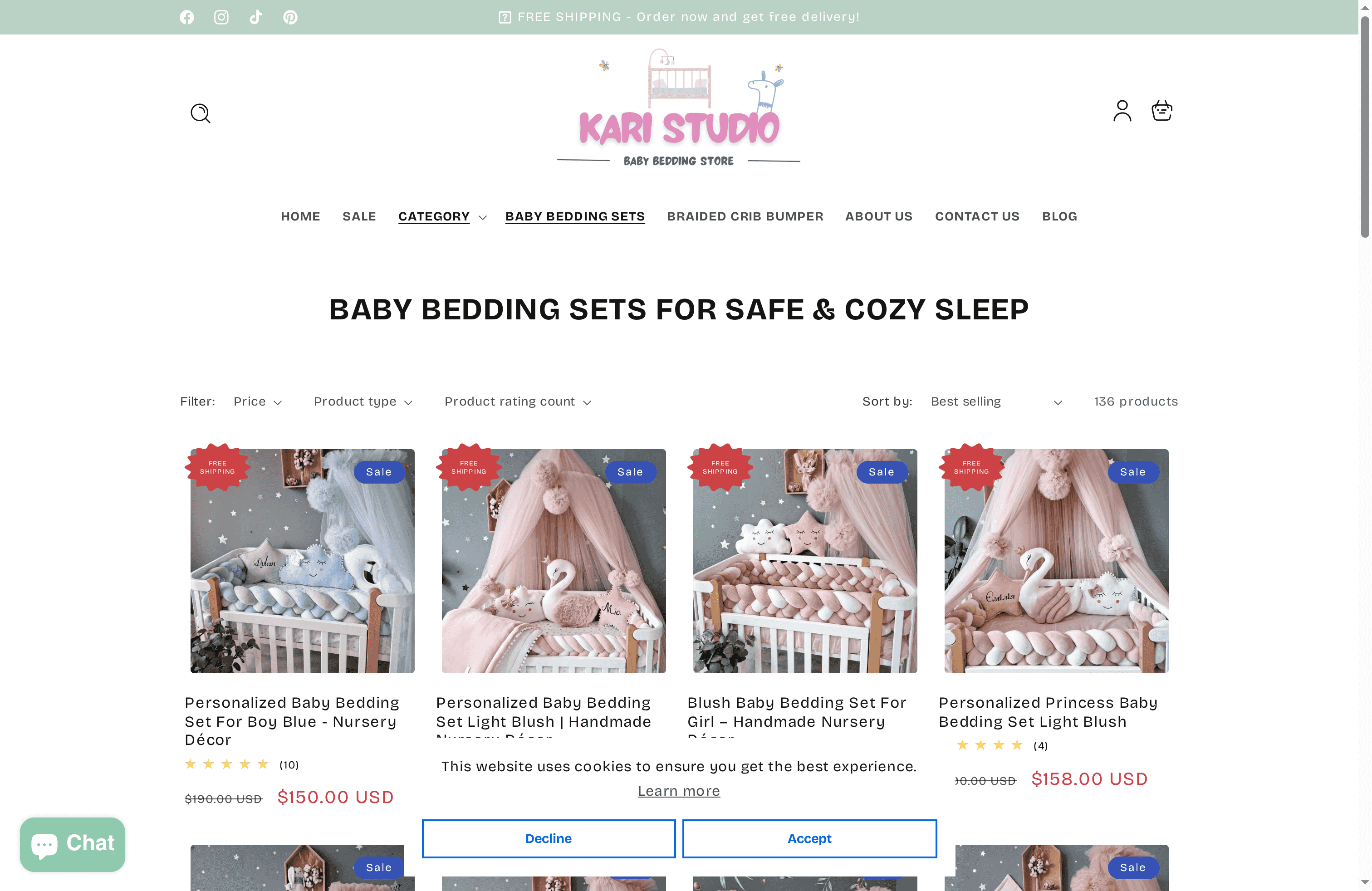
Entdecken Sie jetzt unsere gesamte Kollektion und verwandeln Sie Ihr Kinderzimmer noch heute in eine behütete Oase. Ihr Baby verdient einen Raum, der sowohl sicher als auch einzigartig ist. Beginnen Sie mit der Personalisierung Ihrer Kinderzimmerausstattung und erleben Sie die Gelassenheit, die mit Qualität und Sorgfalt einhergeht.
Häufig gestellte Fragen
Wie gestalte ich ein geschlechtsneutrales Kinderzimmer, das meinen Stil widerspiegelt?
Die Gestaltung eines geschlechtsneutralen Kinderzimmers umfasst die Wahl einer vielseitigen Farbpalette und Themen, die Individualität zelebrieren. Entscheiden Sie sich für sanfte Erdtöne und Dekorationen mit naturinspirierten Motiven, wie Waldtieren oder geometrischen Mustern. Erwägen Sie die Investition in modulare Möbel, die mit dem Wachstum Ihres Kindes mitwachsen können.
Welche Materialien eignen sich am besten für ein sicheres Kinderzimmer?
Um eine sichere Umgebung im Kinderzimmer zu gewährleisten, sollten Sie hypoallergene und schadstofffreie Materialien wie Bio-Baumwolle und Bambusfasern bevorzugen. Achten Sie auf Produkte mit Zertifizierungen, die die Freiheit von schädlichen Chemikalien garantieren, wie z. B. OEKO-TEX Standard 100. Prüfen Sie vor dem Kauf immer die Ergebnisse von Sicherheitstests.
Welche Vorteile bietet personalisierte Bettwäsche für das Kinderzimmer meines Babys?
Personalisierte Bettwäsche kann den Stil Ihrer Familie widerspiegeln und durch individuelle Farben und Themen mit Ihrem Kind mitwachsen. Wählen Sie Bettwäsche, die sich an saisonale Veränderungen anpasst oder über wandelbare Designelemente verfügt, damit sie auch bei der Entwicklung Ihres Kindes nützlich bleibt. Dieser Ansatz steigert nicht nur den Komfort, sondern maximiert auch Ihre Investition.
Welche nachhaltigen Praktiken sollte ich bei der Gestaltung meines Kinderzimmers berücksichtigen?
Konzentrieren Sie sich bei der Gestaltung Ihres Kinderzimmers auf umweltfreundliche Materialien wie verantwortungsbewusst beschafftes Holz und Bio-Stoffe. Erwägen Sie modulare Designs, die zweckentfremdet oder recycelt werden können, um Abfall zu reduzieren. Unterstützen Sie Marken, die ihre Herstellungsprozesse transparent machen und sich zu nachhaltigen Praktiken verpflichten.
Wie kann Technologie dazu beitragen, die Schlafqualität meines Babys zu verbessern?
Technologie kann den Schlaf Ihres Babys durch fortschrittliche Überwachungssysteme verbessern, die Schlafmuster und Umgebungsbedingungen erfassen. Nutzen Sie Geräte, die Echtzeit-Einblicke in Raumtemperatur und Luftfeuchtigkeit geben, um die optimale Schlafumgebung zu schaffen. Achten Sie dabei auf Lösungen, die Datensicherheit und Benutzerfreundlichkeit gewährleisten.
Was sind innovative Aufbewahrungslösungen zur Maximierung des Platzes im Kinderzimmer?
Innovative Aufbewahrungslösungen umfassen multifunktionale Möbel, wie Kinderbetten mit eingebauten Schubladen und Wickeltische, die sich in Bücherregale verwandeln lassen. Nutzen Sie vertikale Aufbewahrungsmöglichkeiten, wie wandmontierte Regale und Türhänger, um das Kinderzimmer ordentlich und ästhetisch ansprechend zu halten. Schaffen Sie fest definierte Bereiche für bestimmte Aufgaben, um eine beruhigende Atmosphäre zu fördern.
Empfohlen
- Die 7 wichtigsten Kinderzimmer-Trends für 2025: Essenzielle Einblicke für Eltern
- Trends bei geflochtenen Bettschlangen: Farben, Designs und Deko-Ideen für 2025 – KariStudio
- 7 inspirierende Layout-Ideen für ein gemütliches Babyzimmer
- 10 Deko-Ideen für ein gemütliches Babyzimmer – KariStudio
- Gehirnentwicklung in der Kindheit: Ein Leitfaden für moderne europäische Mütter – The Zoofamily