Über 100 Säuglingstode werden in amerikanischen Kinderzimmern mit unsicheren Bettumrandungen (Bumper Pads) in Verbindung gebracht, was viele Familien, die sowohl Wert auf Sicherheit als auch auf Stil legen, alarmiert. Wenn es darum geht, einen gemütlichen Raum für Ihr Baby zu schaffen, ist es für jeden frischgebackenen Elternteil wichtig zu wissen, welche Accessoires wirklich schützen und welche echte Gefahren darstellen können. Dieser Leitfaden hilft Ihnen, die Fakten über Bettumrandungen zu verstehen, hypoallergene und personalisierte Bettwäscheoptionen zu entdecken und fundierte Entscheidungen für das Wohlbefinden Ihres Kindes zu treffen.
Inhaltsverzeichnis
- Was sind Bettumrandungen für Kinderbetten?
- Arten von Bettumrandungen und wesentliche Unterschiede
- Warum die USA traditionelle Bettumrandungen verboten haben
- Sicherheitsrisiken und Warnungen von Medizinern
- Sichere und stilvolle Alternativen zum Schutz des Kinderbettes
Wichtige Erkenntnisse
| Punkt | Details |
|---|---|
| Bettumrandungen sind unsicher | Die American Academy of Pediatrics rät aufgrund von Erstickungs- und Einklemmungsgefahren von der Verwendung ab. |
| Arten von Bettumrandungen | Verschiedene Designs bergen ähnliche Sicherheitsrisiken und sollten vermieden werden, einschließlich gepolsterter, netzartiger und geflochtener Varianten. |
| Gesetzliche Maßnahmen | Der „Safe Cribs Act“ verbietet traditionelle Bettumrandungen, da wissenschaftliche Untersuchungen deren Gefahren für Säuglinge belegen. |
| Sicherere Alternativen | Eltern sollten auf feste Matratzen und atmungsaktive Kantenschutzvorrichtungen setzen, um eine sichere Schlafumgebung zu gewährleisten. |
Was sind Bettumrandungen für Kinderbetten?
Bettumrandungen sind gepolsterte Stoffbarrieren, die dazu dienen, die Innenseiten eines Kinderbettes auszukleiden und eine weiche Begrenzung um den Schlafplatz zu schaffen. Obwohl sie ursprünglich als schützendes Zubehör vermarktet wurden, haben Sicherheitsexperten erhebliche Bedenken hinsichtlich ihrer potenziellen Gefahren für Säuglinge geäußert.
Traditionell sollten Bettumrandungen verhindern, dass sich Babys den Kopf stoßen oder Gliedmaßen zwischen den Gitterstäben einklemmen. Die weiche Polsterung erschien als logische Lösung, um empfindliche Säuglinge im Schlaf zu schützen. Umfangreiche Forschungen von pädiatrischen Sicherheitsorganisationen haben jedoch ergeben, dass diese gut gemeinten Accessoires tatsächlich mehr Risiken als Schutz bieten können.
Die American Academy of Pediatrics (AAP) rät dringend von der Verwendung von Bettumrandungen in Kinderbetten ab. Pädiatrische Sicherheitsrichtlinien weisen darauf hin, dass diese Produkte ernsthafte Gefahren bergen, darunter:
- Mögliche Erstickungsgefahr
- Erhöhtes Risiko für Strangulation
- Gefahr des Einklemmens des Säuglings
- Kein nachgewiesener Nutzen zur tatsächlichen Verletzungsprävention
Moderne Kinderbetten werden nach Sicherheitsstandards gebaut, die Bettumrandungen überflüssig machen. Der Abstand der Gitterstäbe ist streng reguliert, um das Einklemmen von Gliedmaßen zu verhindern, wodurch diese Stoffbarrieren aus Schutzsicht obsolet werden.
Profi-Tipp: Wählen Sie als sicherere Alternative zu herkömmlichen Bettumrandungen eine atmungsaktive, feste Matratze mit einem passgenauen Laken.
Arten von Bettumrandungen und wesentliche Unterschiede
Historisch gesehen gab es Bettumrandungen in verschiedenen Designvarianten, die zwar unterschiedliche Merkmale aufweisen, letztlich aber alle ähnliche Sicherheitsbedenken teilen. Bundesweite Sicherheitsvorschriften haben mehrere Typen identifiziert, die unabhängig von ihrem Design erhebliche Risiken für die Sicherheit von Säuglingen darstellen.
Die Hauptarten von Bettumrandungen sind traditionelle gepolsterte Bumper, Netzeinlagen und geflochtene Bumper. Traditionelle gepolsterte Bumper bestehen meist aus weichem Stoff oder Schaumstoff. Netzeinlagen wurden als angeblich atmungsaktivere Alternative entwickelt und bestehen aus einem leichten, durchsichtigen Material, das die Luftzirkulation ermöglichen und gleichzeitig das Einklemmen von Gliedmaßen verhindern soll.

Geflochtene Bumper stellen eine weitere Designvariante dar, die oft als dekorative und ästhetisch ansprechende Option vermarktet wird. Sie bestehen meist aus verwobenen Stoffen oder weichen, seilartigen Materialien, die eine gepolsterte Begrenzung um das Kinderbett bilden. Sicherheitsorganisationen warnen konsequent vor allen Arten von Bettumrandungen und betonen, dass moderne Kinderbetten über Sicherheitsfunktionen verfügen, die zusätzliche Polsterungen überflüssig machen.
Wesentliche Unterschiede zwischen den Arten von Bettumrandungen sind:
- Materialzusammensetzung (Schaumstoff, Stoff, Netz, geflochten)
- Befestigungsmechanismus am Bettgitter
- Dicke und Dichte der Polsterung
- Optisches Design und Ästhetik
Trotz dieser Unterschiede empfehlen pädiatrische Sicherheitsexperten einstimmig, auf jegliche Art von Bettumrandung zu verzichten, da sie ernsthafte Erstickungs- und Einklemmungsgefahren für Säuglinge darstellen können.
Hier ist ein Vergleich gängiger Arten von Bettumrandungen und deren bemerkenswerte Eigenschaften:
| Bumper-Typ | Material & Design | Gefahren | Grund für die Einstufung als unsicher |
|---|---|---|---|
| Gepolsterter Stoff | Weiche Baumwoll- oder Schaumstoffpaneele | Erstickung, Einklemmung | Blockiert Luftzufuhr, Gliedmaßen können feststecken |
| Netzeinlage | Atmungsaktives, durchsichtiges Netz | Einklemmung, Strangulation | Lücken bleiben möglich, lose Bänder bergen Risiken |
| Geflochtener Bumper | Verwobene Plüschstoffe | Erstickung, Einklemmung | Sperrige Oberfläche, mögliche Lücken und Verwicklungen |
Profi-Tipp: Konzentrieren Sie sich bei der Gestaltung einer sicheren Schlafumgebung auf eine feste Matratze, ein straff sitzendes Laken und einen freien Bettbereich, anstatt alternative Bumper-Designs zu verwenden.
Warum die USA traditionelle Bettumrandungen verboten haben
Pädiatrische Sicherheitsvorschriften haben die Schlafumgebung von Säuglingen drastisch verändert, indem sie traditionelle Bettumrandungen verboten haben. Das Verbot resultiert aus umfassenden Untersuchungen, die zahlreiche Todesfälle bei Säuglingen dokumentieren, die direkt mit diesem scheinbar schützenden Zubehör in Verbindung stehen.
Die Hauptgründe für das landesweite Verbot basieren auf drei kritischen Sicherheitsrisiken. Erstens erzeugen Bettumrandungen erhebliche Erstickungsgefahren, wenn Säuglinge ihre Gesichter gegen die gepolsterten Oberflächen drücken und so die Atmung einschränken. Zweitens erhöht die dicke Polsterung die Strangulationsgefahr, da sich Babys im Stoff verheddern können. Drittens schaffen diese Produkte potenzielle Einklemmzonen, in denen kleine Gliedmaßen zwischen der Umrandung und den Bettwänden feststecken können.
Moderne Kinderbettdesigns haben die ursprüngliche Daseinsberechtigung für Bettumrandungen faktisch eliminiert. Sicherheitsexperten stellten fest, dass Bettumrandungen unnötige Risiken bergen, die den wahrgenommenen Schutz bei weitem überwiegen. Fortschrittliche Kinderbettfertigung umfasst heute:
- Reduzierte Gitterabstände
- Glattere Innenflächen
- Standardisierte Sicherheitsmaße
- Erhöhte strukturelle Integrität
Der „Safe Cribs Act“ stellt einen umfassenden gesetzgeberischen Ansatz zum Schutz der Schlafumgebung von Säuglingen dar und verbietet landesweit die Herstellung und den Verkauf von gepolsterten Umrandungsprodukten. Dieses Gesetz spiegelt jahrelange pädiatrische Forschung und die Interessenvertretung durch Organisationen wie die American Academy of Pediatrics wider.
Profi-Tipp: Priorisieren Sie bei der Schaffung eines sicheren Schlafplatzes eine feste Matratze, ein Spannbetttuch und einen freien Bereich im Kinderbett vor jeglicher zusätzlicher Polsterung oder dekorativem Zubehör.
Sicherheitsrisiken und Warnungen von Medizinern
Mediziner haben die gefährlichen Risiken von Bettumrandungen ausführlich dokumentiert, die sie für Säuglinge potenziell lebensbedrohlich machen. Die U.S. Consumer Product Safety Commission hat diese scheinbar harmlosen Accessoires mit über einhundert Säuglingstoden in Verbindung gebracht und damit ein erschreckendes Muster vermeidbarer Tragödien aufgedeckt.
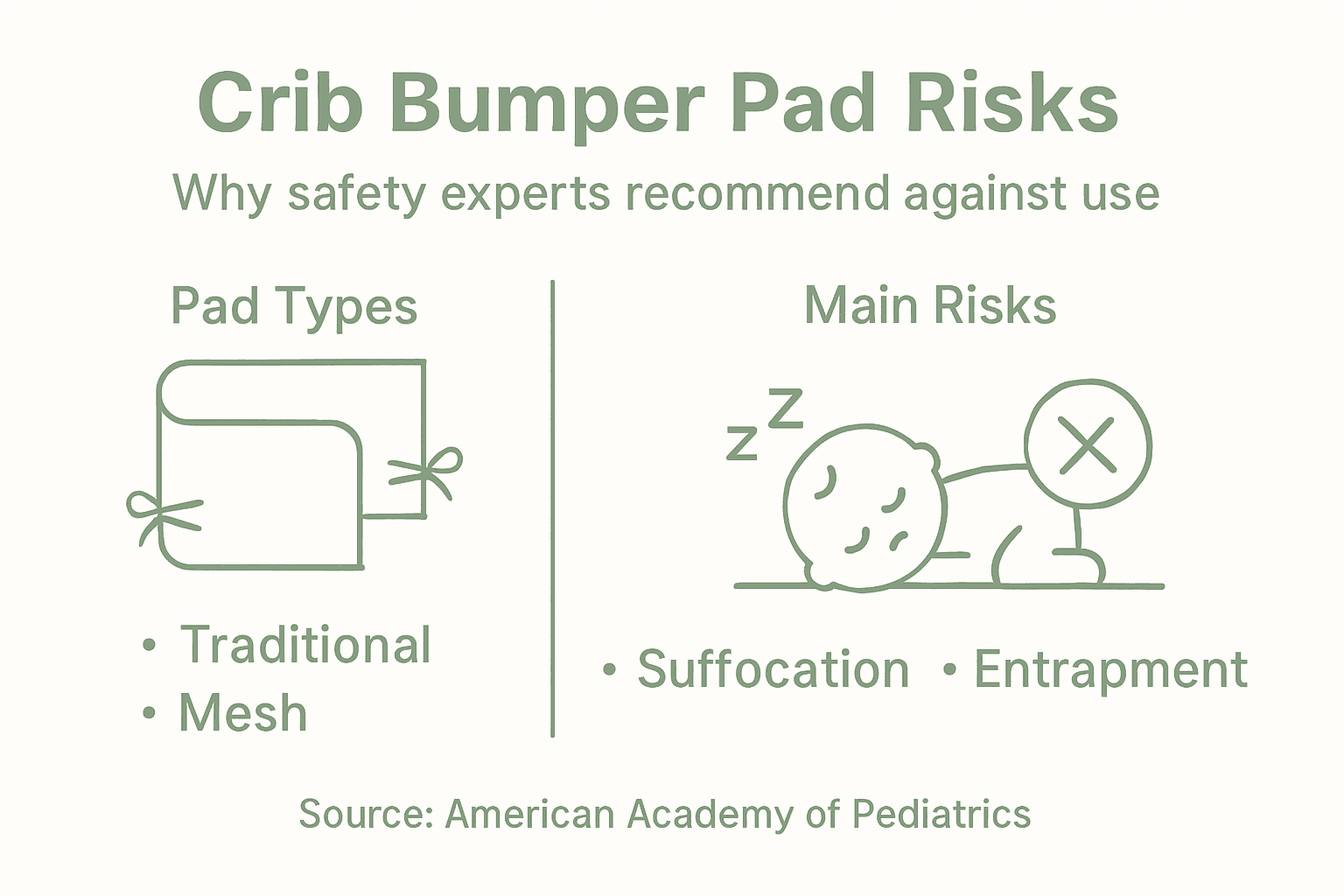
Die von pädiatrischen Fachleuten identifizierten Hauptsicherheitsrisiken umfassen drei kritische Gefahren. Erstens erzeugen Bettumrandungen erhebliche Erstickungsrisiken, wenn Säuglinge ihre Gesichter gegen die gepolsterten Oberflächen drücken und so ihre Atemwege blockieren könnten. Zweitens erhöht der dicke Stoff die Strangulationsgefahr, da sich Babys im Material verheddern können. Drittens bilden diese Produkte potenzielle Einklemmzonen, in denen die Gliedmaßen eines Säuglings zwischen Umrandung und Bettwand feststecken können.
Sicherheitsrichtlinien für den Schlaf empfehlen, eine völlig freie Schlafumgebung zu erhalten, um das Sterberisiko für Säuglinge zu minimieren. Pädiatrische Organisationen betonen konsequent diese wichtigen Prinzipien für sicheren Schlaf:
- Legen Sie Babys auf den Rücken
- Verwenden Sie eine feste, flache Matratze
- Vermeiden Sie weiche Bettwaren oder zusätzliche Polsterung
- Halten Sie den Schlafbereich frei von losen Gegenständen
- Sorgen Sie für eine gleichmäßige Raumtemperatur
Der überwältigende medizinische Konsens unterstreicht eine einfache, aber kritische Botschaft: Ein aufgeräumter, minimalistischer Ansatz für die Schlafumgebung von Säuglingen reduziert das Risiko des plötzlichen Kindstods (SIDS) und anderer schlafbezogener Todesfälle bei Säuglingen drastisch.
Profi-Tipp: Priorisieren Sie stets die Sicherheit Ihres Kindes, indem Sie eine leere, feste Schlaffläche ohne zusätzliche weiche Materialien oder dekorative Accessoires schaffen.
Sichere und stilvolle Alternativen zum Schutz des Kinderbettes
Modernes Design für Kinderzimmer konzentriert sich auf die Schaffung sicherer Schlafumgebungen, ohne Kompromisse bei der Ästhetik einzugehen. Eltern können ihre Kinder schützen und ein schönes Kinderzimmer erhalten, indem sie innovative Alternativen zu herkömmlichen Bettumrandungen erkunden.
Zu den sicheren Alternativen, die sowohl Sicherheit als auch Stil bewahren, gehören atmungsaktive Netz-Kantenschützer, die Schutz bieten, ohne die Erstickungsrisiken gepolsterter Bumper zu bergen. Passgenaue Laken mit dezentem Design und spezialisierte Schutzabdeckungen für die Bettgitter bieten Eltern stilvolle Optionen, bei denen die Sicherheit des Kindes im Vordergrund steht. Zu den modernen Lösungen gehören:
- Minimalistische Kantenschützer
- Atmungsaktive Netzeinlagen
- Spezialisierte Zahnschutzabdeckungen für das Gitter
- Schlafsäcke zur Temperaturregulierung
Organisationen für Kindersicherheit empfehlen, das Kinderbett komplett leer zu lassen und Schutz durch intelligente Designentscheidungen zu bieten. Moderne Kinderbetten verfügen über engere Gitterabstände und glattere Oberflächen, die das Einklemmen von Gliedmaßen von Natur aus verhindern, wodurch zusätzliche Polsterung überflüssig wird. Hersteller entwickeln heute innovative Schutzzubehörteile, die Sicherheit mit zeitgenössischer Ästhetik im Kinderzimmer verbinden.
Eltern können auch Textillösungen wie leichte, atmungsaktive Stoffabdeckungen für die Gitter erkunden, die vor Stößen schützen und gleichzeitig eine offene, sichere Schlafumgebung wahren. Diese Alternativen entsprechen nicht nur pädiatrischen Sicherheitsrichtlinien, sondern bieten auch einen klaren, modernen Look für die Gestaltung des Kinderzimmers.
Die folgende Tabelle fasst empfohlene sichere Alternativen für das Kinderbett und deren wesentliche Sicherheitsvorteile zusammen:
| Alternatives Produkt | Hauptvorteil | Entspricht modernen Sicherheitsstandards |
|---|---|---|
| Leere, feste Kindermatratze | Reduziert Erstickungsgefahr | Ja |
| Atmungsaktiver Kantenschutz | Schützt Kanten, ermöglicht Luftzufuhr | Ja |
| Gitter-Zahnschutzabdeckung | Schützt das Zahnfleisch, kein Polsterrisiko | Ja |
| Schlafsack | Ersetzt lose Decken | Ja |
Profi-Tipp: Wählen Sie multifunktionales Zubehör für das Kinderzimmer, bei dem Sicherheit vor Stil geht, und achten Sie auf atmungsaktive Materialien und minimalistisches Design.
Gestalten Sie ein sicheres und stilvolles Kinderzimmer mit Kari Studio
Das Verständnis der Sicherheitsbedenken hinsichtlich traditioneller Bettumrandungen ist entscheidend für den Schutz Ihres Kindes. Dieser Artikel beleuchtet die Risiken von Erstickung, Strangulation und Einklemmung durch gepolsterte Bumper und betont die Notwendigkeit sicherer Alternativen. Bei Kari Studio erkennen wir den Wunsch der Eltern, Sicherheit und Schönheit bei der Gestaltung des Kinderzimmers zu verbinden. Unsere Kollektion an handgefertigten Bettumrandungen und geflochtenen Bettnestchen bietet einzigartig gestaltete, atmungsaktive Optionen, die den Schutz von Säuglingen in den Vordergrund stellen, ohne den Stil zu vernachlässigen.
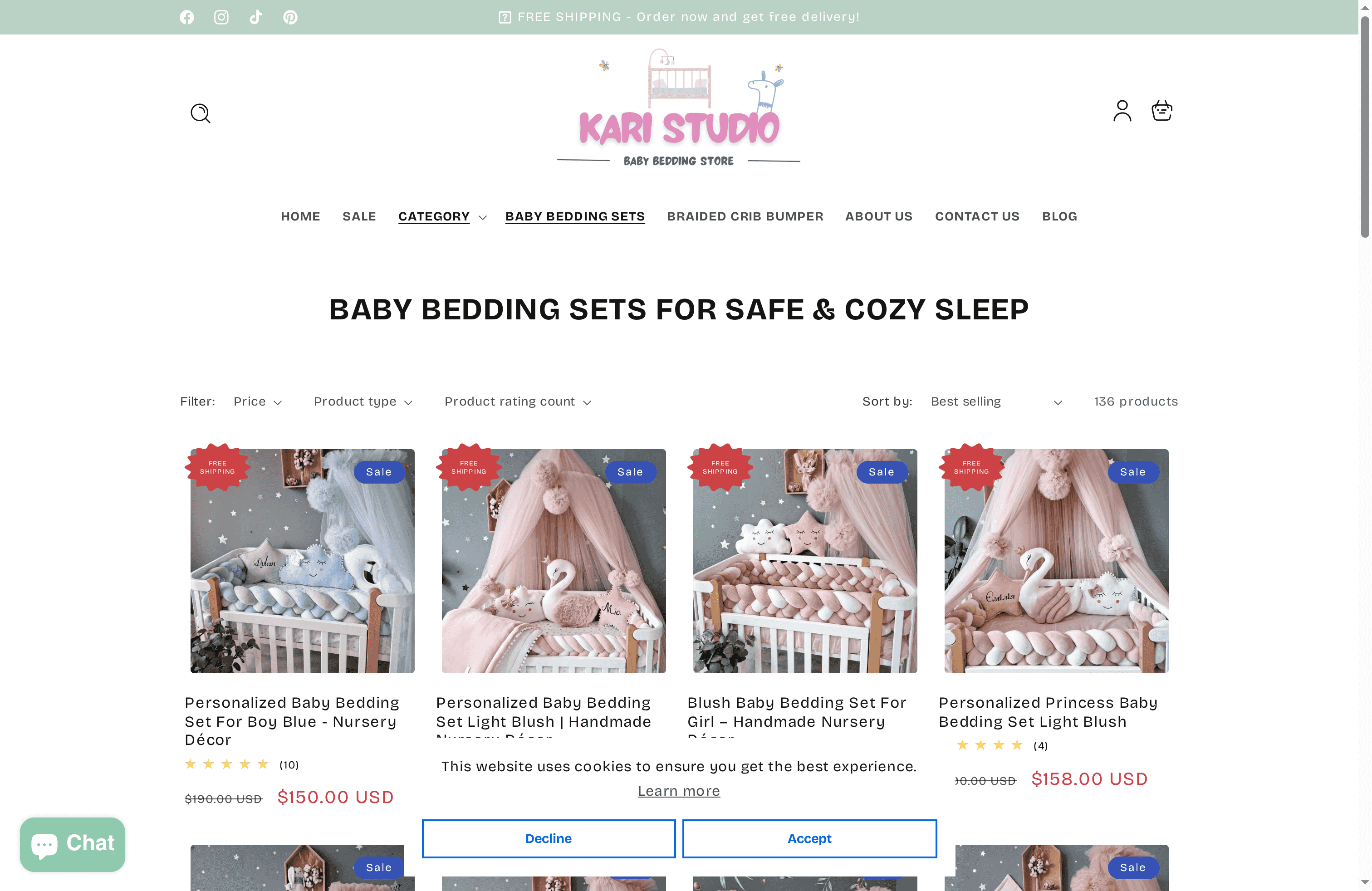
Entdecken Sie unsere hypoallergenen, weichen und anpassbaren Babybettwäsche-Sets sowie unsere geflochtenen Bettnestchen, die Ihnen dabei helfen, eine klare, sichere und gemütliche Schlafumgebung zu schaffen. Übernehmen Sie die Kontrolle über Sicherheit und Ästhetik im Kinderzimmer, indem Sie Produkte wählen, die modernen Sicherheitsstandards entsprechen. Besuchen Sie unsere vollständige Baby-Bettwäsche-Kollektion und entdecken Sie, wie Sie das Bett Ihres Kindes mit Zuversicht absichern können. Egal, ob Sie Nachwuchs erwarten oder ein durchdachtes Geschenk suchen, beginnen Sie noch heute mit der Gestaltung eines sorgenfreien Kinderzimmers.
Häufig gestellte Fragen
Was sind Bettumrandungen für Kinderbetten?
Bettumrandungen sind gepolsterte Stoffbarrieren, die dazu dienen, die Innenseiten eines Kinderbettes auszukleiden, um zu verhindern, dass sich Säuglinge den Kopf stoßen oder mit den Gliedmaßen zwischen den Gitterstäben hängen bleiben. Sicherheitsexperten warnen jedoch aufgrund ernsthafter Risiken wie Erstickungs- und Strangulationsgefahr vor ihrer Verwendung.
Gibt es sicherere Alternativen zu herkömmlichen Bettumrandungen?
Ja, zu den sichereren Alternativen gehören atmungsaktive Kantenschützer aus Netzstoff, passgenaue Laken und spezielle Abdeckungen für das Gitter. Diese Optionen bieten Kantenschutz, ohne die Risiken gepolsterter Bumper zu bergen.
Warum wurden Bettumrandungen in den USA verboten?
Bettumrandungen wurden aufgrund erheblicher Sicherheitsrisiken wie Erstickung, Strangulation und Einklemmung verboten. Untersuchungen haben gezeigt, dass diese Produkte zu vermeidbaren Todesfällen bei Säuglingen führen können.
Worauf sollten Eltern bei der Sicherheit des Kinderbettes achten, anstatt Bettumrandungen zu verwenden?
Eltern sollten eine feste, flache Matratze, straff sitzende Laken und eine freie Schlafumgebung ohne weiche Bettwaren oder zusätzliche Polsterung priorisieren, um die Sicherheit des Säuglings zu erhöhen.
Empfohlen
- Sicherheit von Bettumrandungen: Was Eltern vor dem Kauf wissen müssen
- Sind geflochtene Bettnestchen eine sichere Option für moderne Kinderbetten? – KariStudio
- Was sind Bettumrandungen? Zweck und Verwendung verstehen – KariStudio
- Wie man ein geflochtenes Bettnestchen installiert und sichert: Tipps für neue Eltern – KariStudio
- Prenatal Oferta - Magazinul RestartiX