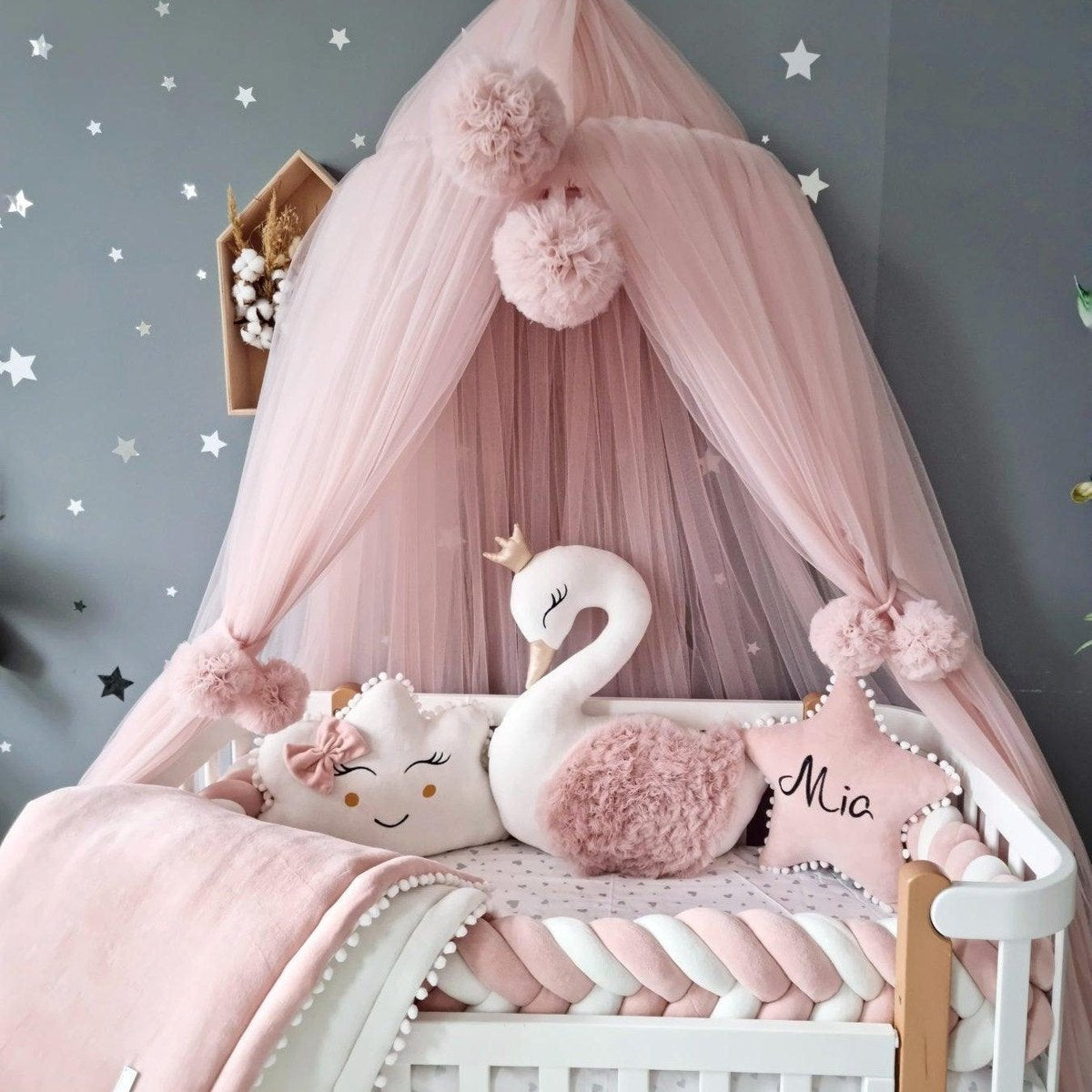
Choosing the right braided cot bumper for your baby’s nursery means balancing safety with style. Many parents love the cozy, decorative look of braided bumpers, but concerns about suffocation risks and safe sleep guidelines can make the decision stressful. This guide walks you through six essential safety criteria, compares popular options, and provides expert tips to help you select a braided cot bumper that protects your little one while creating the beautiful nursery space you envision. You’ll learn what to look for in materials, installation, and maintenance to make an informed, confident choice.
Table of Contents
- 1. Understanding Safety Criteria For Braided Cot Bumpers
- 2. Top Braided Cot Bumper Styles And Their Safety Features
- 3. Comparing Braided Cot Bumpers: Safety, Style, And Maintenance
- 4. Making The Safest Choice: Tips And Recommendations
- Frequently Asked Questions About Braided Cot Bumper Safety
Key takeaways
| Point | Details |
|---|---|
| Safety standards compliance | Always verify that braided cot bumpers meet current safety certifications to minimize suffocation and entrapment risks. |
| Material and breathability | Choose breathable, hypoallergenic fabrics like organic cotton to reduce allergy concerns and improve air circulation. |
| Proper installation | Secure bumpers tightly to crib slats with no gaps or loose fabric that could pose hazards. |
| Regular maintenance | Wash and inspect bumpers frequently to remove allergens and check for wear, fraying, or damage. |
| Style meets safety | Select designs that complement your nursery decor while prioritizing low-profile, firm construction over thick padding. |
1. Understanding safety criteria for braided cot bumpers
When selecting a braided cot bumper, your first priority should be understanding the safety standards that protect your baby during sleep. Braided cot bumpers must meet safety standards to reduce suffocation risk, so always check for certifications from recognized testing organizations. These certifications confirm that the product has been evaluated for hazards like loose padding, excessive thickness, and poor breathability.
Material choice plays a crucial role in safety. Breathable fabrics allow air to circulate, reducing the risk of carbon dioxide buildup if your baby’s face presses against the bumper. Dense, heavily padded bumpers can trap heat and restrict airflow, creating a suffocation hazard. Look for bumpers made from lightweight, tightly woven materials that maintain their shape without excessive stuffing.
Installation is equally important. A bumper that fits loosely or leaves gaps between the fabric and crib slats can create entrapment risks. Secure ties should be short, firmly knotted, and positioned outside the crib to prevent your baby from pulling them loose. Avoid bumpers with long ribbons or decorative elements that could pose strangulation hazards.
Pro Tip: Measure your crib’s interior dimensions before purchasing a braided cot bumper. Custom or adjustable-length bumpers ensure a snug, safe fit without excess fabric bunching in corners.
Consider these essential safety features when evaluating any braided crib bumper safety options:
- Firm construction that maintains shape without sagging
- Minimal thickness (under 2 inches when compressed)
- Secure attachment points at regular intervals
- No loose threads, buttons, or decorative pieces that could detach
- Machine-washable fabric for easy, frequent cleaning
“The safest crib bumpers are those that provide a barrier without compromising airflow or creating soft bedding hazards. Always prioritize breathability and secure installation over decorative appeal.”
Regular inspection is part of ongoing safety. Check ties, seams, and fabric integrity weekly, especially as your baby becomes more active. Any signs of wear, fraying, or loose stitching mean it’s time to replace the bumper immediately.
2. Top braided cot bumper styles and their safety features
After learning what safety criteria to look for, we examine specific braided cot bumper styles that meet these safety standards while enhancing nursery style. Modern braided cot bumpers combine style with safer sleep recommendations, offering parents attractive options that don’t compromise protection.
Classic braided bumpers feature a low-profile design with three or four fabric strands twisted together. This style provides a soft barrier against crib slats while maintaining excellent breathability. The open weave allows air to flow freely, and the firm construction prevents the bumper from collapsing inward. These bumpers typically measure 1 to 1.5 inches in diameter, staying well within safe thickness guidelines.

Padded yet breathable designs incorporate a thin layer of hypoallergenic filling wrapped in cotton or linen. Unlike traditional thick bumpers, these maintain a firm structure that won’t compress dangerously if pressed. The padding is minimal, just enough to cushion against hard crib edges without creating a suffocation risk. Look for versions with mesh panels or perforated sections that enhance airflow.
Adjustable length bumpers offer custom fit options for various crib sizes. These typically come in segments that connect with secure clasps or ties, allowing you to configure the exact length needed. This customization eliminates excess fabric that could bunch up or create gaps. The modular design also makes cleaning easier, as you can remove and wash sections individually.
Pro Tip: Choose bumpers with color-fast dyes that won’t bleed during washing. Organic, naturally dyed fabrics are gentler on sensitive baby skin and maintain their appearance through repeated cleanings.
Styles that minimize loose fabric risks include:
- Tightly braided designs with no loose ends or fraying
- Bumpers with reinforced stitching at stress points
- Options featuring integrated ties rather than separate ribbons
- Flat-backed styles that sit flush against crib slats
- Bumpers with removable covers for easier maintenance
When exploring braided cot bumper styles, consider how each design addresses both safety concerns and your nursery’s aesthetic. Neutral tones work with any decor theme, while bold colors or patterns can become a focal point. Just ensure decorative elements never compromise the fundamental safety features outlined above.
The best braided bumpers balance visual appeal with practical safety. They should look beautiful in your nursery photos while providing reliable protection as your baby grows and becomes more mobile.
3. Comparing braided cot bumpers: safety, style, and maintenance
With an understanding of styles, we now compare popular options in a detailed table covering safety, style, and upkeep to aid your choice. This comparison helps you evaluate how different materials and designs stack up across the criteria that matter most for your baby’s safety and your nursery goals.
| Feature | Organic Cotton Braided | Velour Padded Braided | Linen Blend Braided | Polyester Breathable |
|---|---|---|---|---|
| Breathability | Excellent | Good | Excellent | Very Good |
| Hypoallergenic | Yes | Moderate | Yes | Moderate |
| Washability | Machine wash cold | Hand wash recommended | Machine wash gentle | Machine wash warm |
| Durability | High | Moderate | Very High | High |
| Style Options | Wide color range | Luxury textures | Natural, neutral tones | Bold patterns available |
| Safety Certification | OEKO-TEX Standard 100 | Varies by brand | GOTS certified options | CertiPUR-US foam |
| Price Range | $$ | $$$ | $$$ | $ |
Organic cotton braided bumpers lead in safety and versatility. The natural fibers allow maximum airflow, and organic certification ensures no harmful chemicals touched the fabric during production. These bumpers soften with each wash while maintaining structural integrity. They’re ideal for babies with sensitive skin or allergies.
Velour padded options offer a luxurious feel and rich color saturation. The soft pile creates an elegant look that elevates nursery decor. However, the denser fabric requires more careful cleaning to prevent moisture retention. These work best in well-ventilated rooms and for parents who prioritize aesthetics alongside safety.
Linen blend braided bumpers provide exceptional durability and natural temperature regulation. Linen wicks moisture and resists bacterial growth, making it a smart choice for humid climates. The texture adds visual interest, and the fabric becomes softer over time without losing shape. Maintenance and cleaning are key to keeping crib bumpers safe over time, and linen’s quick-drying properties simplify this process.
Polyester breathable bumpers combine affordability with practical features. Modern polyester blends incorporate mesh sections or perforated designs that enhance airflow. These bumpers resist staining and dry quickly after washing. While not as eco-friendly as natural fibers, quality polyester options meet safety standards and offer budget-conscious parents a reliable choice.
When maintaining braided crib bumpers, consider these care factors:
- Frequency: Wash every 1 to 2 weeks or immediately after spills
- Method: Use gentle, fragrance-free detergent to avoid skin irritation
- Drying: Air dry when possible to preserve fabric integrity and shape
- Storage: Keep spare bumpers in breathable bags, not plastic, to prevent mildew
The comparison reveals that no single option is perfect for every family. Your choice depends on your baby’s specific needs, your climate, your cleaning routine, and your budget. Prioritize safety certifications and breathability first, then select the style that fits your nursery vision.
4. Making the safest choice: tips and recommendations
Building on the product comparison, we conclude with practical tips to ensure your final selection maximizes safety and comfort. Knowing risks and mitigation allows parents to safely enjoy braided bumpers while protecting their little ones from potential hazards.
Follow these numbered steps to make the safest braided cot bumper choice:
-
Verify certifications before purchase. Look for labels from CPSC, ASTM, or equivalent international safety organizations. These certifications confirm the product has undergone rigorous testing for suffocation, entrapment, and chemical safety. Don’t rely solely on marketing claims; ask retailers for documentation.
-
Follow installation instructions precisely. Manufacturers design their products with specific attachment methods for a reason. Use all provided ties or fasteners, position them as directed, and double-check that the bumper sits flush against crib slats with no gaps. Trim excess tie length to under 7 inches.
-
Inspect regularly for wear or damage. Set a weekly reminder to check your bumper for loose threads, fraying fabric, or weakened ties. Run your hand along seams and attachment points, feeling for any separation or thinning. Address issues immediately or replace the bumper.
-
Maintain proper nursery ventilation. Even the most breathable bumper works best in a room with good air circulation. Keep the nursery temperature between 68 and 72 degrees Fahrenheit, and use a fan to promote airflow. Avoid placing the crib near heating vents or in direct sunlight.
-
Remove bumpers when baby becomes mobile. Once your baby can pull up to standing or shows signs of climbing, braided bumpers can become footholds for escape attempts. Most experts recommend removing all bumpers by 5 to 6 months, well before most babies reach this developmental stage.
-
Consider your baby’s individual needs. Babies with respiratory issues, allergies, or premature birth may require extra precautions. Consult your pediatrician before adding any bumper to the crib, and opt for the most breathable, hypoallergenic options available.
Pro Tip: Take photos of your bumper installation from multiple angles right after setup. These reference images help you quickly spot any shifts or changes during weekly inspections.
“The safest nursery is one where parents stay informed and vigilant. Regular maintenance and age-appropriate adjustments matter more than finding the ‘perfect’ product. Trust your instincts, and don’t hesitate to remove any item that raises concerns.”
Understanding braided cot bumper risk mitigation empowers you to create a nursery that’s both beautiful and safe. Remember that safety guidelines evolve as research advances. Stay current by following pediatric sleep safety organizations and updating your nursery setup as recommendations change. Your diligence in selecting, installing, and maintaining your braided cot bumper gives your baby the safest possible sleep environment.
Explore safe, stylish braided cot bumpers at Kari Studio
Now that you understand how to choose and maintain braided cot bumpers safely, discover Kari Studio’s curated collection designed with both protection and beauty in mind. Our handmade braided bumpers use certified organic cotton and hypoallergenic materials that meet rigorous safety standards while complementing any nursery theme.
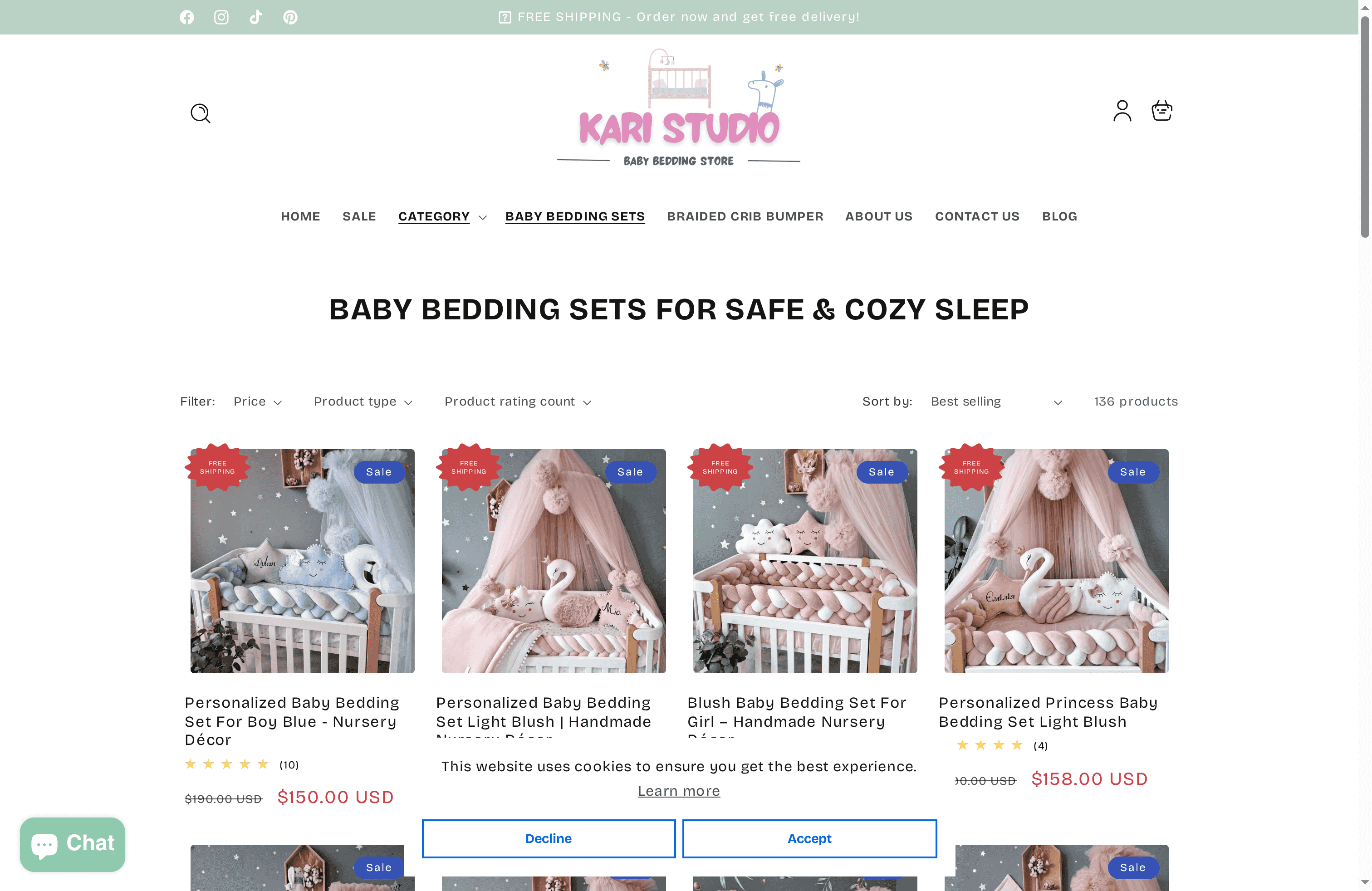
Every piece in our organic baby bedding sets collection is crafted with breathable, soft fabrics perfect for sensitive baby skin. We offer personalization options, including custom embroidery with your baby’s name, so your nursery reflects your unique style. Our braided crib bumpers collection features adjustable lengths and secure attachment systems that make installation simple and safe. Plus, enjoy free US shipping and explore our baby bedding sale for seasonal savings on premium nursery essentials. Create the cozy, secure space your little one deserves.
Frequently asked questions about braided cot bumper safety
Are braided cot bumpers allowed by safety authorities?
Safety recommendations vary by region and continue to evolve. The American Academy of Pediatrics advises against all crib bumpers due to suffocation risks, while some parents choose breathable, low-profile options after consulting pediatricians. Always check current guidelines in your country and discuss your specific situation with your baby’s doctor before making a decision.
How often should I clean my braided cot bumper?
Wash your braided bumper every 1 to 2 weeks under normal conditions, or immediately after any spills or spit-up. Frequent cleaning removes dust mites, allergens, and bacteria that accumulate on nursery textiles. Use gentle, fragrance-free detergent and air dry when possible to maintain fabric integrity and shape.
What signs indicate my bumper should be replaced?
Replace your braided cot bumper immediately if you notice fraying threads, loose or damaged ties, thinning fabric, separated seams, or any loss of structural firmness. Discoloration that persists after washing or any musty odors also signal it’s time for a new bumper. Safety depends on maintaining product integrity.
Can I use braided bumpers in all crib types?
Most braided bumpers work with standard rectangular cribs, but always verify dimensions before purchasing. Mini cribs, oval cribs, and convertible models may require custom-sized bumpers or specific attachment methods. Measure your crib’s interior perimeter and slat spacing, then confirm the bumper you’re considering is compatible with those specifications.
What are safer alternatives to braided cot bumpers?
If you’re concerned about bumper safety, consider breathable mesh crib liners that prevent limbs from getting stuck between slats while allowing full airflow. Some parents use sleep sacks to keep babies warm without loose blankets, eliminating the perceived need for bumpers. For more guidance, review our braided crib bumper safety FAQs for detailed comparisons of nursery safety options.