
Over half of American mothers underestimate how long true postpartum recovery takes. Many believe healing ends after a quick medical check, but medical evidence shows recovery can span up to eighteen months. Understanding the reality behind this journey matters because it shapes both emotional and physical well-being. This guide sheds light on what really happens to the body and mind after birth, offering clarity, real-world insights, and support for every American mother navigating these changes.
Table of Contents
- What Postpartum Recovery Really Involves
- Physical Changes And Common Challenges
- Emotional Health After Giving Birth
- Self-Care Habits For Faster Healing
- Creating A Restful Nursery Space
Key Takeaways
| Point | Details |
|---|---|
| Postpartum Recovery Timeline | Recovery extends beyond the traditional six weeks, often lasting six to eighteen months, requiring patience and support. |
| Holistic Healing Approach | Postpartum recovery involves physical, emotional, and psychological transformations that are unique to each mother. |
| Importance of Self-Care | Intentional self-care practices, such as nutrition and gentle movement, are essential for supporting recovery and well-being. |
| Creating a Supportive Environment | A thoughtfully designed nursery can reduce stress and enhance both maternal recovery and infant care during postpartum. |
What Postpartum Recovery Really Involves
Postpartum recovery is far more complex and nuanced than most new mothers anticipate. Medical research indicates that this transformative period extends well beyond the traditional six-week medical clearance, often spanning six to eighteen months. This comprehensive journey encompasses physical healing, profound hormonal shifts, and significant emotional adaptations.
The recovery process is deeply personal and influenced by multiple factors including delivery method, pre-pregnancy health status, and individual physiological responses. Physical healing involves multiple dimensions:
- Uterine restoration and tissue repair
- Hormone level normalization
- Muscle and pelvic floor recovery
- Wound healing for cesarean or vaginal deliveries
- Breast changes related to milk production
Clinical studies highlight that postpartum recovery isn’t merely a physical transformation but a holistic experience integrating emotional, psychological, and familial adjustments. New mothers navigate complex challenges including sleep disruption, potential postpartum mood disorders, relationship dynamics, and identity reconstruction.
Understanding this multifaceted recovery requires patience, support, and compassionate self-care. Every woman’s journey is unique, and recognizing the breadth of potential experiences helps normalize the profound changes happening during this significant life transition.
Physical Changes And Common Challenges
Medical research demonstrates that postpartum physical changes represent a complex and dynamic process involving multiple body systems. New mothers experience profound transformations that extend far beyond visible physical alterations, encompassing intricate hormonal, muscular, and systemic readjustments following childbirth.
The primary physical changes include:
- Uterine Involution: Gradual return of the uterus to pre-pregnancy size and position
- Hormonal Fluctuations: Dramatic shifts in estrogen, progesterone, and prolactin levels
- Pelvic Floor Modifications: Muscle stretching and potential weakening
- Breast Changes: Milk production, potential engorgement, and lactation processes
- Metabolism Adjustments: Metabolic rate changes and potential weight redistribution
Comprehensive clinical studies reveal that these physical changes frequently accompany significant challenges. Common issues include persistent fatigue, pain management difficulties, potential breastfeeding complications, and emotional overwhelm. The body’s recovery process demands substantial energy and adaptation, making professional support and personal self-care critical during this transformative period.

Understanding these changes helps normalize the postpartum experience. Each woman’s journey is unique, with recovery timelines and specific challenges varying based on individual health, delivery method, and personal circumstances. Patience, medical guidance, and compassionate support are fundamental to navigating this profound physical transition.
Emotional Health After Giving Birth
Scientific research highlights that emotional health after childbirth is a complex and nuanced experience deeply influenced by multiple interconnected factors. New mothers navigate an intricate landscape of psychological changes, hormonal shifts, and profound identity transformation that extends far beyond the physical recovery process.
The emotional challenges during this period include:
- Mood Fluctuations: Intense emotional swings caused by hormonal changes
- Identity Reconstruction: Reconciling pre-motherhood and new maternal roles
- Relationship Dynamics: Adjusting partnerships and support systems
- Sleep Deprivation: Cognitive and emotional impact of interrupted rest
- Bonding Challenges: Potential difficulties connecting with newborn
Clinical studies underscore the critical importance of recognizing and addressing postpartum emotional health. While some emotional volatility is normal, persistent symptoms might indicate more serious conditions like postpartum depression. First-time parents often benefit from understanding early parenting challenges to build realistic expectations and develop effective coping strategies.
Support systems play a crucial role in emotional recovery. Professional counseling, peer support groups, partner involvement, and open communication can significantly mitigate emotional strain. Acknowledging that emotional challenges are a normal part of the postpartum experience helps reduce stigma and encourages mothers to seek help when needed.
Self-Care Habits For Faster Healing
Research demonstrates that intentional self-care practices are fundamental to postpartum recovery, transforming the healing journey from a passive experience to an active, empowered process. New mothers must recognize that self-care extends beyond occasional pampering and represents a comprehensive approach to physical and emotional restoration.
Essential self-care habits for postpartum healing include:
- Nutrition Optimization: Balanced meals rich in protein, healthy fats, and recovery-supporting nutrients
- Hydration: Consistent water intake, especially for breastfeeding mothers
- Gentle Movement: Low-impact exercises approved by healthcare providers
- Sleep Management: Strategic rest periods and accepting help for nighttime infant care
- Emotional Wellness: Mindfulness practices, journaling, and stress reduction techniques
Clinical studies highlight that gradual, intentional physical activity can significantly accelerate postpartum recovery. Understanding early parenting challenges helps new mothers set realistic self-care expectations and develop sustainable wellness strategies.
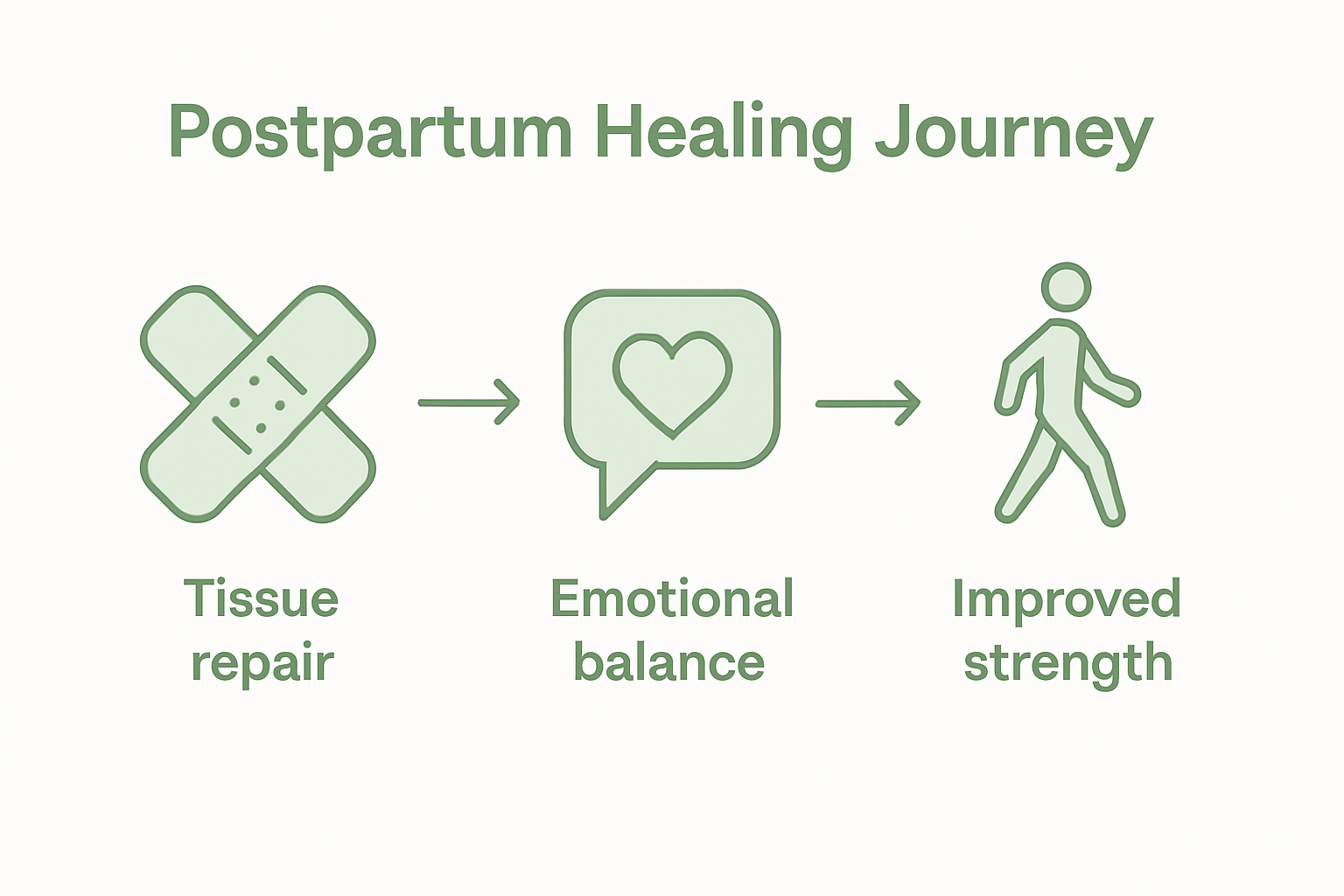
Prioritizing self-care is not selfish but essential. By investing in personal healing and well-being, mothers create a strong foundation for caring for their newborn. Professional support, compassionate partners, and a supportive community can transform the postpartum period from a challenging time to a journey of healing and growth.
Creating A Restful Nursery Space
Research indicates that a thoughtfully designed nursery can significantly impact maternal recovery and infant well-being. The physical environment plays a crucial role in promoting relaxation, reducing stress, and creating a supportive space for both mother and newborn during the delicate postpartum period.
Key elements of a restful nursery include:
-
Soft Lighting: Dimmable, warm-toned lights for gentle illumination
-
Comfortable Seating: Ergonomic chairs or rockers with good back support
-
Sound Management: White noise machines or sound dampening techniques
-
Temperature Control: Consistent, comfortable room temperature
-
Minimal Visual Stimulation: Calm color palettes and simple decor
Clinical studies emphasize that a well-designed space supports maternal recovery by reducing environmental stressors. Minimalist nursery design principles can help create a serene environment that promotes healing and bonding.
Ultimately, a restful nursery is about creating a sanctuary that supports the delicate balance of maternal recovery and infant care. Thoughtful design, carefully selected elements, and a focus on comfort can transform a simple room into a healing space that nurtures both mother and child through the challenging postpartum months.
Create a Cozy Sanctuary for Your Postpartum Recovery
Postpartum recovery is a journey full of physical and emotional adjustments that require a nurturing environment to support healing. The article highlights how critical restful spaces and gentle comfort are during this time. You may be seeking nursery essentials that not only prioritize safety but also provide that soothing, personalized touch to ease your transition into motherhood.
Experience the difference of handcrafted nursery items designed specifically with comfort and care in mind. Our premium baby bedding sets and braided crib bumpers offer hypoallergenic softness and can be customized to match your nursery style or even embroidered with your baby’s name. These thoughtful touches help create the calm, restful nursery space that supports both your well-being and your baby’s comfort.

Start transforming your nursery into a healing sanctuary today by exploring our exclusive collection at Kari Studio. Discover how the right nursery essentials contribute to your physical and emotional restoration during postpartum recovery. Shop now to bring personalized comfort and trusted quality into your home.
Frequently Asked Questions
What does postpartum recovery involve?
Postpartum recovery encompasses physical healing, hormonal shifts, and emotional adaptations. This period can last anywhere from six weeks to eighteen months, depending on individual factors such as delivery method and health status.
What are common physical changes after childbirth?
Common physical changes include uterine involution, hormonal fluctuations, pelvic floor modifications, breast changes due to lactation, and metabolism adjustments. These can lead to challenges such as fatigue and pain management difficulties.
How can new mothers prioritize self-care during recovery?
New mothers can prioritize self-care by optimizing nutrition, staying hydrated, engaging in gentle movement, managing sleep, and focusing on emotional wellness practices such as mindfulness and journaling.
What are the key elements of creating a restful nursery?
A restful nursery should feature soft lighting, comfortable seating, sound management, temperature control, and minimal visual stimulation. These elements help reduce stress and promote recovery for both mother and baby.