

Nearly one in five American infants experience colic, turning what should be peaceful evenings into hours of intense crying and worry. For many parents, this mysterious pattern of distress can feel both confusing and exhausting. Understanding what colic is and recognizing its signs is key to finding real comfort for your baby and reassurance for yourself. Discover simple facts and practical advice that help you navigate the challenges of colic with greater confidence.
Table of Contents
- What Is Colic in Infants?
- Common Signs and Symptoms of Colic
- Popular Home Remedies and Soothing Techniques
- Safety Concerns and Remedies to Avoid
- When to Seek Professional Help
Key Takeaways
| Point | Details |
|---|---|
| Understanding Colic | Colic is characterized by excessive crying in otherwise healthy infants, often following the “Rule of Threes.” |
| Signs and Symptoms | Typical indicators include high-pitched inconsolable crying, along with physical signs like clenched fists and arched backs. |
| Effective Soothing Techniques | Gentle rocking, swaddling, and creating a calm environment can help soothe a colicky baby. |
| When to Seek Help | Watch for red flags like persistent crying beyond three hours, signs of dehydration, or unusual feeding patterns requiring immediate medical attention. |
What Is Colic in Infants?
Colic represents a mysterious and challenging condition that affects many newborns during their first few months of life. According to Mayo Clinic research, colic is characterized by frequent, prolonged, and intense crying in otherwise healthy infants, typically occurring without an apparent reason.
Characteristics of colic include excessive crying episodes that often emerge during the evening hours, with most babies experiencing peak symptoms around six weeks of age. These crying episodes can last for several hours and are marked by intense fussiness, where the infant appears distressed and difficult to soothe. Parents might observe specific physical signs like clenched fists, arched back, and tensed abdominal muscles during these episodes.
Diagnostic Criteria for colic generally involve the “Rule of Threes”:- Crying for more than 3 hours per day- Occurring more than 3 days per week- Continuing for more than 3 weeks in an otherwise healthy infant
While medical professionals do not fully understand the exact causes of colic, potential contributing factors include immature digestive systems, overstimulation, food sensitivities, and developing nervous system responses. Some infants seem more prone to colic due to individual temperament and physiological differences.
Pro Parent Tip: Document your baby’s crying patterns and potential triggers in a journal to help identify any specific patterns or circumstances that might be contributing to colic episodes.
Common Signs and Symptoms of Colic
New York Presbyterian Hospital notes that colic presents through several distinctive and distressing symptoms that can overwhelm new parents. The primary indicator is an intense, high-pitched crying that seems inconsolable, often occurring during evening hours and lasting for extended periods.
Typical physical manifestations include specific body language and reactions that signal a colicky episode. These distinctive symptoms involve:
- Clenched fists and stiffened limbs
- Arched back posture
- Flushed, reddened face
- Pulling legs toward the stomach
- Visible abdominal tension
WebMD research highlights that these crying episodes are frequently accompanied by significant digestive discomfort. Babies might demonstrate excessive gas, a tight and potentially bloated belly, and seem unable to find relief through standard soothing techniques like rocking, feeding, or changing positions.
Parents should also be aware that while these symptoms are distressing, they represent a temporary developmental phase. The intensity and frequency of colic typically peak around six to eight weeks and gradually diminish by three to four months of age.
Pro Parent Tip: Track Your Baby’s Signals: Keep a detailed log of crying episodes, noting duration, time of day, potential triggers, and any accompanying symptoms to help identify patterns and discuss with your pediatrician.
Popular Home Remedies and Soothing Techniques
The National Health Service recommends several gentle techniques to help parents manage and soothe their colicky infants. Understanding and implementing these strategies can significantly reduce stress for both the baby and caregivers during challenging crying episodes.
Soothing techniques fall into several key categories:
-
Physical Comfort Strategies
- Gentle rocking and swaying motions
- Holding baby close against your chest
- Swaddling with soft, breathable blankets
- Using warm (not hot) heating pads on the baby’s stomach
-
Feeding and Positioning Techniques
- Feeding in an upright position
- Burping frequently during and after feeding
- Using slow-flow nipples to reduce air intake
Nationwide Children’s Hospital research highlights the importance of creating a calm environment during colic episodes. White noise machines, soft music, and consistent gentle movements can help distract and soothe an upset infant. Some parents find success with baby massage techniques that help release trapped gas and provide comforting physical contact.

Additional environmental modifications like dimming lights, reducing household noise, and maintaining a consistent temperature can also help minimize overstimulation that might trigger intense crying.
Here’s a summary of common colic soothing techniques and their intended effects:
| Technique Type | Method | Intended Effect |
|---|---|---|
| Physical Comfort | Rocking, swaddling, holding close | Promotes relaxation and security |
| Feeding Adjustment | Upright feeding, frequent burping | Reduces swallowed air and gas |
| Environmental Modification | White noise, dim lights | Minimizes overstimulation |
| Massage and Warmth | Gentle tummy rub, warm pad | Eases digestive discomfort |
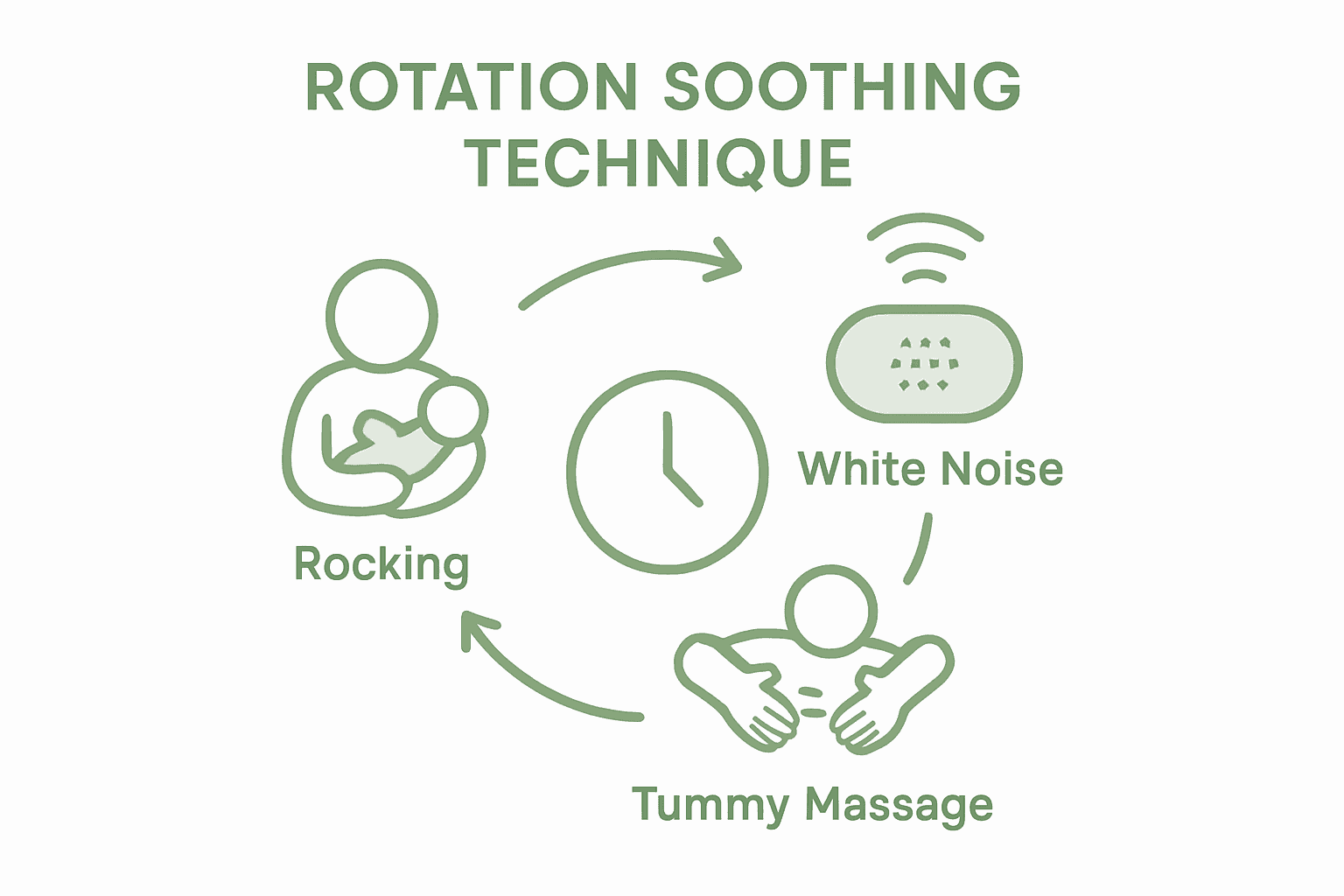
Pro Parent Tip: Rotation Technique: Develop a systematic approach to soothing by rotating through different comfort techniques every 5-10 minutes during a colic episode to prevent both you and your baby from becoming overwhelmed.
Safety Concerns and Remedies to Avoid
Mayo Clinic research warns that certain home remedies can potentially harm infants struggling with colic. Parents must exercise extreme caution and avoid unverified treatments that could compromise their baby’s health and well-being.
Dangerous Remedies to Avoid:
- Giving over-the-counter medications without pediatrician approval
- Using herbal supplements or alternative treatments
- Overfeeding to calm the baby
- Attempting unproven digestive interventions
- Administering alcohol or gripe water without medical guidance
The National Health Service emphasizes that parents should never self-medicate or experiment with unregulated treatments. Many seemingly harmless remedies can cause significant digestive disruption or allergic reactions in vulnerable infants. Specific risks include:
- Potential medication interactions
- Digestive system complications
- Allergic responses
- Potential long-term developmental impacts
Professional medical guidance remains the most reliable approach for managing infant colic. Parents should consult pediatricians before attempting any home treatment and focus on gentle, evidence-based soothing techniques that prioritize the infant’s safety and comfort.
Pro Parent Tip: Professional Verification: Always consult your pediatrician before trying any new remedy or technique to manage your baby’s colic symptoms.
When to Seek Professional Help
The National Health Service recommends that parents carefully monitor their infant’s colic symptoms and understand when medical intervention becomes necessary. While colic is typically a temporary condition, certain warning signs indicate the need for professional medical assessment.
Critical Warning Signs Requiring Immediate Medical Attention:
- Persistent high-pitched crying lasting more than three hours
- Signs of dehydration
- Fever above 100.4°F (38°C)
- Significant changes in feeding patterns
- Blood in stool
- Excessive vomiting
- Dramatic weight loss or failure to gain weight
Nationwide Children’s Hospital research highlights that parents should be particularly vigilant about potential underlying health conditions that might manifest through colic-like symptoms. Specific red flags include:
- Projectile vomiting
- Severe diarrhea
- Unusual skin rashes
- Consistent respiratory difficulties
- Dramatic changes in sleep patterns
Professional medical consultation becomes crucial if colic symptoms persist beyond four months of age or significantly impact the infant’s overall health and development. Pediatricians can rule out potential digestive disorders, food allergies, or other medical conditions that might be causing extensive discomfort.
This table highlights when at-home colic care should transition to seeking professional help:
| Situation | Home Care Response | Time to Seek Medical Help |
|---|---|---|
| Typical crying/fussiness | Use soothing routines, keep journal | If crying exceeds 3 hours repeatedly |
| Feeding or stool changes | Monitor, adjust feeding techniques | Signs of dehydration or blood in stool |
| High fever or excessive vomiting | Try comfort methods, check temperature | Fever above 100.4°F or projectile vomiting |
| Poor weight gain or lethargy | Track weight and eating habits | Dramatic weight loss or unusual fatigue |
Pro Parent Tip: Documentation Strategy: Keep a detailed daily log of your baby’s symptoms, including feeding times, crying duration, and any unusual observations to help your pediatrician make an accurate assessment.
Create a Calm and Cozy Nursery to Help Ease Your Baby’s Colic Discomfort
Caring for a colicky baby can bring intense challenges including frequent crying, digestive discomfort, and sleepless nights. The right nursery environment plays a crucial role in providing the gentle physical comfort and calm your infant needs during colic episodes. Soft, safe, and hypoallergenic textiles help soothe your baby’s sensitive skin while creating a secure and cozy space to relax.
At Kari Studio, we understand these specific needs and offer a collection designed to support parents tackling colic. Our handmade baby bedding sets, braided crib bumpers, and protective rail guards are carefully crafted with breathable, soft fabrics that prioritize your infant’s comfort and safety. Personalization options allow you to add a touch of warmth and familiarity to your nursery.

Explore our premium baby bedding sets that combine style and softness to ease your little one’s discomfort. Take the first step to transform your nursery into a peaceful haven today by visiting Kari Studio. Shop now for nursery essentials that help you and your baby find calm amid colic challenges.
Frequently Asked Questions
What are some effective home remedies for easing colic in infants?
Common home remedies include gentle rocking, swaddling, using white noise, and holding your baby close to promote comfort and relaxation during colic episodes.
How can I better understand my baby’s colic symptoms?
Keeping a detailed log of crying episodes, including duration, potential triggers, and accompanying symptoms can help you identify patterns and understand your baby’s discomfort more clearly.
Are there any feeding techniques that can help reduce colic?
Yes, feeding your baby in an upright position, burping them frequently during and after feeding, and using slow-flow nipples can help minimize swallowed air and reduce gas, which may ease colic symptoms.
When should I seek professional help for my baby’s colic?
You should seek medical attention if your baby exhibits persistent high-pitched crying for more than three hours, shows signs of dehydration, has a fever above 100.4°F, or experiences dramatic changes in feeding or weight gain.